
Hear from Our Customers
You pull into a driveway that looks intentional. Not like every other black asphalt strip in the neighborhood, but something with character that actually fits your property. The textured surface grips your tires in any weather, and you’re not dealing with cracks every few years like your neighbors.
Your guests notice the difference immediately. It’s that natural, rustic look that works whether you’ve got a farmhouse, cabin, or just want something different. And while they’re admiring the appearance, you’re enjoying the fact that it cost you 30-50% less than traditional paving and won’t need sealcoating every few years.
The best part? This isn’t some experimental surface—it’s proven technology that’s been working on roads and driveways for over 100 years. You get durability that handles Tennessee’s weather extremes without the maintenance headaches.
We’ve been handling tar and chip installations across Wilson County since before most paving companies even knew what chip seal was. We’re veteran-owned, locally based, and we’ve seen every type of driveway challenge this area can throw at a project.
Wilson County properties come with their own set of requirements—from the rural roads near Watertown to the more developed areas closer to Nashville. We understand the local soil conditions, drainage patterns, and how Tennessee’s freeze-thaw cycles affect different paving materials.
We’ve built our reputation on getting projects done right the first time. No shortcuts, no surprises, and no wondering if your contractor actually knows what they’re doing with specialized paving techniques.

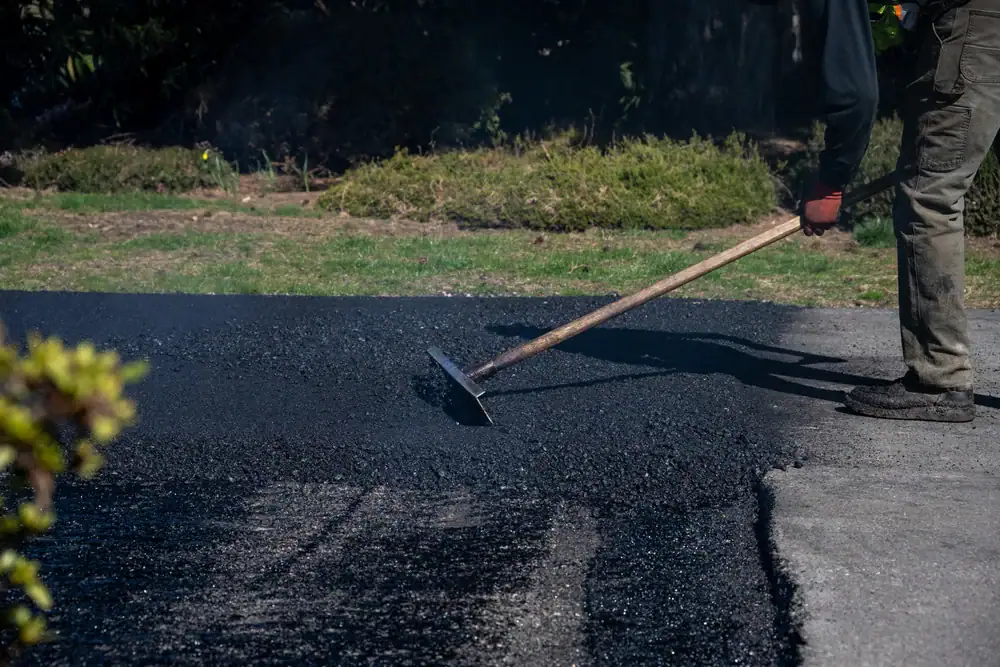
First, our crew prepares your base properly—grading and leveling to prevent drainage issues that cause problems later. This foundation work is where a lot of contractors cut corners, but it’s what determines whether your driveway lasts 5 years or 15.
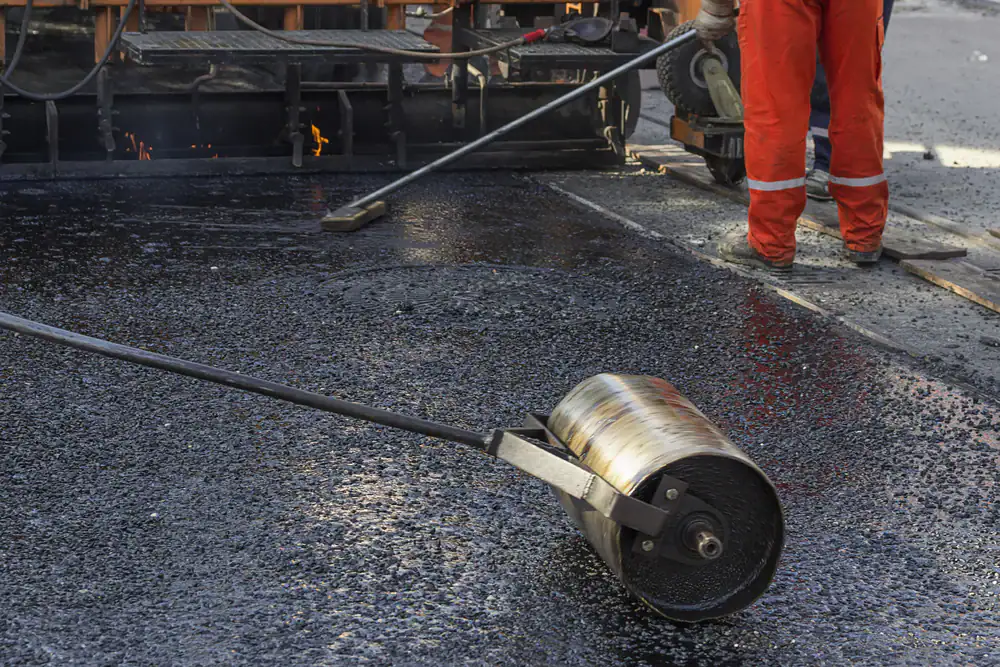
Next comes the application of heated chip oil using specialized equipment, followed immediately by spreading the stone chips evenly across the surface. The timing here matters—the oil needs to be at the right temperature and the chips need to go down before anything starts to cool.
Finally, heavy-duty rollers press everything together, creating the bond that makes the surface durable. Most quality installations get a second application and compaction to ensure the driveway can handle whatever you put on it. The whole process typically takes 1-2 days depending on size, and you can drive on it within 24 hours.

Ready to get started?
Your tar and chip driveway comes with the kind of traction that works in Kingfield’s variable weather. Rain, occasional ice, or just everyday driving—the textured surface gives you grip that smooth asphalt can’t match. It’s particularly valuable on sloped driveways where traction matters most.
The installation includes proper drainage consideration for Wilson County’s clay soils and seasonal weather patterns. We factor in local conditions like the freeze-thaw cycles that can destroy inferior paving jobs and the summer heat that affects different materials differently.
You’re also getting a surface that doesn’t require the ongoing maintenance schedule of traditional asphalt. No sealcoating every 2-3 years, no constant crack filling, and no wondering when you’ll need to budget for the next major repair. The stone chips naturally shed water and resist the UV damage that breaks down other paving materials over time.

A properly installed tar and chip driveway typically lasts 7-10 years in Tennessee’s climate, and often longer with basic maintenance. The key advantage is how it handles our freeze-thaw cycles—the flexible nature of the asphalt binder combined with the stone chips actually resists cracking better than rigid concrete.
Tennessee’s hot summers and occasional ice storms can be tough on paving materials, but tar and chip was designed for exactly these conditions. The stone surface reflects heat better than black asphalt, and the embedded chips provide expansion joints that accommodate temperature changes naturally.
Regular sweeping to remove debris and prompt repair of any loose spots will extend the life even further. Many Wilson County properties have tar and chip driveways that are still performing well after 12-15 years with minimal intervention.
Tar and chip typically costs 30-50% less than traditional hot mix asphalt installation, with most projects ranging from $2-5 per square foot depending on site conditions and stone selection. For a typical 1,000 square foot driveway, you’re looking at $2,000-5,000 versus $4,000-8,000 for comparable asphalt.
The bigger savings come over time—no sealcoating every 2-3 years at $0.50-1.00 per square foot, fewer crack repairs, and less frequent replacement. When you factor in the maintenance costs of asphalt over 10 years, tar and chip often costs 40-60% less total.
Keep in mind that extremely long or complex driveways might affect pricing, and choosing premium colored stone will add to the cost. But even with upgrades, you’re typically still well under what you’d pay for traditional paving with equivalent durability.
Tar and chip handles normal residential traffic very well, including pickup trucks, SUVs, and occasional delivery vehicles. It’s actually used on many rural roads and farm applications specifically because it can handle regular vehicle loads without breaking down like gravel surfaces do.
However, it’s not the best choice for constant heavy truck traffic or commercial applications with daily heavy equipment use. If you’re regularly parking loaded dump trucks, large RVs, or operating heavy machinery on the surface, traditional asphalt might be a better long-term investment.
For most Kingfield homeowners, the traffic load is well within what tar and chip can handle. Regular cars, light trucks, and even occasional moving trucks or delivery vehicles won’t cause problems when the installation is done properly with adequate base preparation.
You can typically drive on a new tar and chip surface within 24-48 hours after installation, depending on weather conditions and the specific materials used. Hot weather speeds up the curing process, while cooler temperatures or high humidity can extend the wait time slightly.
The first few weeks require some care—avoid sharp turns, hard braking, or parking in the same spot repeatedly until the surface fully sets. You might notice a few loose stones initially, which is normal and will stabilize as the surface gets used and compacts further.
During the first month, it’s best to sweep off any loose chips that work to the surface rather than letting them accumulate in one area. This helps the remaining stones seat properly and gives you the most durable final surface. After that initial period, maintenance is minimal.
Tar and chip maintenance is straightforward—regular sweeping to remove debris and leaves, occasional power washing if needed, and prompt attention to any areas where stones might loosen over time. Unlike asphalt, there’s no sealcoating schedule to maintain or regular crack sealing to worry about.
The most important maintenance is keeping the surface clean of organic debris that can hold moisture and cause problems over time. A simple leaf blower or push broom handles most of this, and it only takes a few minutes every few weeks during heavy leaf season.
If you do notice loose stones in high-traffic areas after several years, a quick application of cold-patch asphalt material and some replacement chips will fix the issue. Most homeowners find they need this type of spot repair maybe once every 5-7 years, if at all, with proper installation.
Tar and chip actually works very well on sloped driveways because of the superior traction the stone surface provides. The textured finish gives much better grip than smooth asphalt, especially in wet conditions or when there’s occasional ice. Many Wilson County properties with challenging slopes prefer it for exactly this reason.
Curved driveways are also fine for tar and chip installation. The application process adapts to curves and irregular shapes better than some rigid paving materials. The key is proper base preparation and ensuring adequate drainage around curves where water might otherwise collect.
The main consideration for slopes is ensuring proper drainage and potentially using slightly larger stone chips in areas with steeper grades. We’ll adjust the installation technique based on your specific driveway layout and local drainage patterns to ensure long-term performance.
Other Services we provide in Kingfield