

Hear from Our Customers
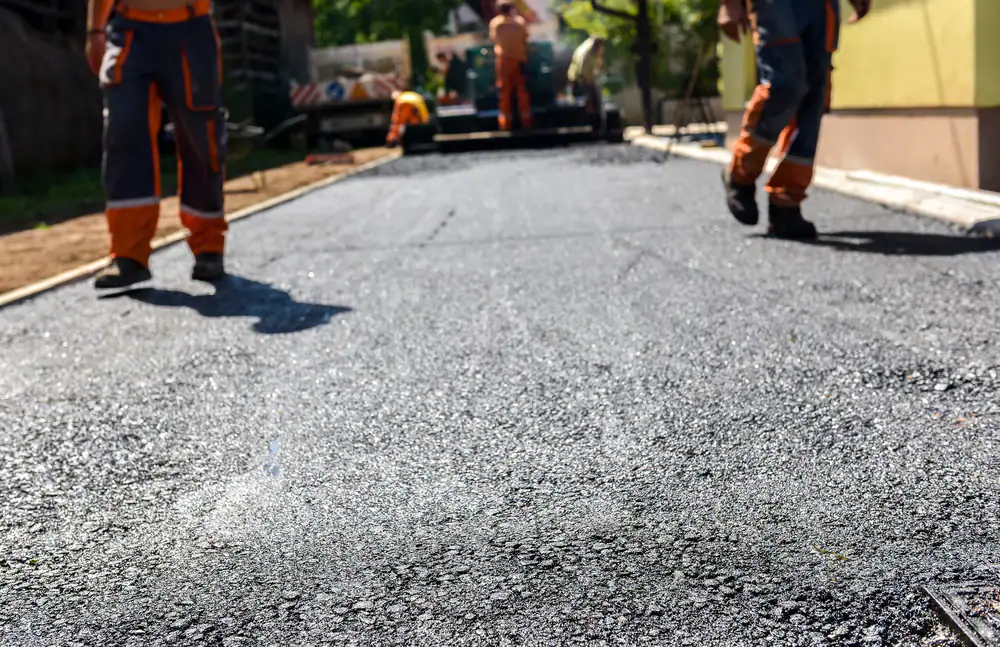
Your driveway or parking lot isn’t just pavement. It’s your first impression, your daily function, and a significant investment.
When it’s cracked, faded, or full of potholes, it sends the wrong message. Worse, it becomes a liability—tripping hazards for customers, damage to vehicles, and costly emergency repairs that could’ve been avoided.
Proper asphalt paving changes that. With the right base preparation, quality materials suited to Middle Tennessee’s climate, and installation that accounts for drainage and temperature swings, you get a surface that performs year after year. Smooth access for vehicles. Safe pathways for foot traffic. A clean, professional appearance that adds value to your property instead of detracting from it.
Tristar Paving LLC brings over 50 years of experience to every job in Wilson County. As a veteran-owned asphalt paving company, we approach each project with the discipline and commitment that comes from military service.
We’ve worked on driveways, parking lots, and commercial properties across the Nashville area long enough to know what holds up and what fails. That experience matters when you’re dealing with Tennessee’s weather—the freeze-thaw cycles that crack poorly installed asphalt, the summer heat that can soften inferior materials, and the heavy rainfall that demands proper drainage planning.
Our team serves both residential and commercial clients in Kingfield, TN, handling everything from small driveway repairs to full parking lot construction. We’re based locally, understand the specific challenges of Wilson County properties, and focus on doing the work right instead of doing it fast.
The process starts with an on-site evaluation. We look at your existing surface, assess drainage, check the base condition, and discuss what you actually need—not what makes us the most money.
You’ll get a detailed estimate that breaks down the work. No surprises, no hidden costs that appear later.
Site preparation comes next. This is where many contractors cut corners, but it’s the foundation of everything. We remove old material if needed, grade for proper water runoff, and prepare the base to handle Tennessee’s soil conditions and weather patterns. If the base isn’t stable, nothing built on top of it will last.
Then comes the asphalt installation. We use quality mixes designed for commercial or residential traffic loads and apply them at the right temperature for proper compaction. The thickness depends on your specific use—a residential driveway has different requirements than a commercial parking lot that handles delivery trucks daily.
After installation, there’s a curing period. You’ll get clear instructions on when you can drive on it and what to avoid during those first critical weeks. We’ll also discuss maintenance—sealcoating schedules, crack monitoring, and how to protect your investment long-term.

Ready to get started?
Tristar Paving LLC handles the full range of asphalt services for Kingfield, TN properties. Driveway paving for homeowners who want better curb appeal and function. Parking lot construction for businesses that need safe, professional surfaces for customers and employees. Asphalt repairs for surfaces that aren’t ready for full replacement but need attention before small problems become expensive ones.
We also offer tar and chip paving—a cost-effective option that provides excellent traction during Tennessee’s rainy seasons and creates a textured, natural-looking surface. It’s particularly popular for residential driveways in Wilson County where the rustic appearance fits the property aesthetic.
In Middle Tennessee, proper drainage isn’t optional. Wilson County sees significant rainfall throughout the year, and standing water is asphalt’s enemy. It seeps into cracks, freezes during winter, expands, and creates the potholes you’re trying to avoid. Every project includes drainage planning to move water away from the surface and protect the base layers underneath.
The climate here also means understanding temperature swings. Summer heat in Kingfield, TN can soften asphalt that’s poorly mixed or applied too thin. Winter freeze-thaw cycles stress the pavement structure. We account for these factors in material selection and installation techniques, building surfaces that handle what Tennessee throws at them.
For commercial properties, there’s also the reality of minimizing disruption. Businesses can’t afford to shut down completely during paving work. We work with you to phase projects, maintaining partial access when possible, and completing work efficiently to get you back to full operation.
With proper installation and regular maintenance, expect 15-20 years from an asphalt driveway or parking lot in Wilson County. That number depends heavily on three factors: the quality of the initial installation, how well you maintain it, and how much traffic it handles.
The installation quality matters most. If the base isn’t properly prepared—if drainage isn’t addressed, if the asphalt mix isn’t right for the application, or if it’s applied at the wrong temperature—you’ll see problems within the first few years. Premature cracking, settling, and pothole formation all trace back to shortcuts during installation.
Maintenance extends that lifespan significantly. Sealcoating every 2-4 years protects the surface from UV damage, water intrusion, and oxidation that makes asphalt brittle. Filling cracks promptly prevents water from reaching the base layers where it can cause serious structural damage during freeze-thaw cycles. Small maintenance costs now prevent major repair expenses later.
Traffic load also plays a role. A residential driveway with two cars sees different stress than a commercial parking lot with delivery trucks and constant turnover. The asphalt thickness and mix design should match the expected use.
Both work in Tennessee’s climate, but they handle temperature changes differently. Asphalt offers more flexibility, which helps it adapt to the freeze-thaw cycles common in Wilson County. When temperatures drop below freezing and the ground shifts, asphalt can flex slightly without cracking. Concrete is more rigid and can develop cracks from that same ground movement.
Cost is another factor. Asphalt typically runs $7-$15 per square foot installed, while concrete costs more upfront. However, concrete requires less frequent maintenance over its lifetime. Asphalt needs sealcoating every few years to maintain protection and appearance.
Appearance matters to some property owners. Concrete stays lighter in color and offers decorative options like stamping or coloring. Asphalt is black when new, fades to gray over time, and doesn’t offer the same aesthetic variety. But that dark color helps snow melt faster in winter by absorbing heat.
Repair approaches differ too. When asphalt needs repair, you can often patch sections or apply an overlay. Concrete repairs are more visible and harder to blend seamlessly with the existing surface. For properties where you might need future access to underground utilities, asphalt’s easier repair process is an advantage.
The best choice depends on your priorities—budget, maintenance willingness, appearance preferences, and how you use the surface.
A complete parking lot paving project includes several components that affect the total cost. Site preparation comes first—removing existing pavement if necessary, grading the area for proper drainage, and addressing any soil stability issues. In Wilson County, soil composition varies, and some sites need more base work than others.
The base layer provides the foundation. This typically involves crushed stone or aggregate that’s carefully graded and compacted to create a stable platform. Skimping here causes problems later—settling, cracking, and premature failure. The base thickness depends on soil conditions and expected traffic loads.
Asphalt installation itself includes the binder layer and surface course. Commercial parking lots usually need 3-4 inches of total asphalt thickness to handle regular traffic. High-traffic areas or locations with heavy vehicles might need more.
Drainage infrastructure is critical in Tennessee. Catch basins, proper grading, and sometimes underground drainage systems keep water from pooling and damaging the pavement structure. Standing water leads to potholes and base deterioration.
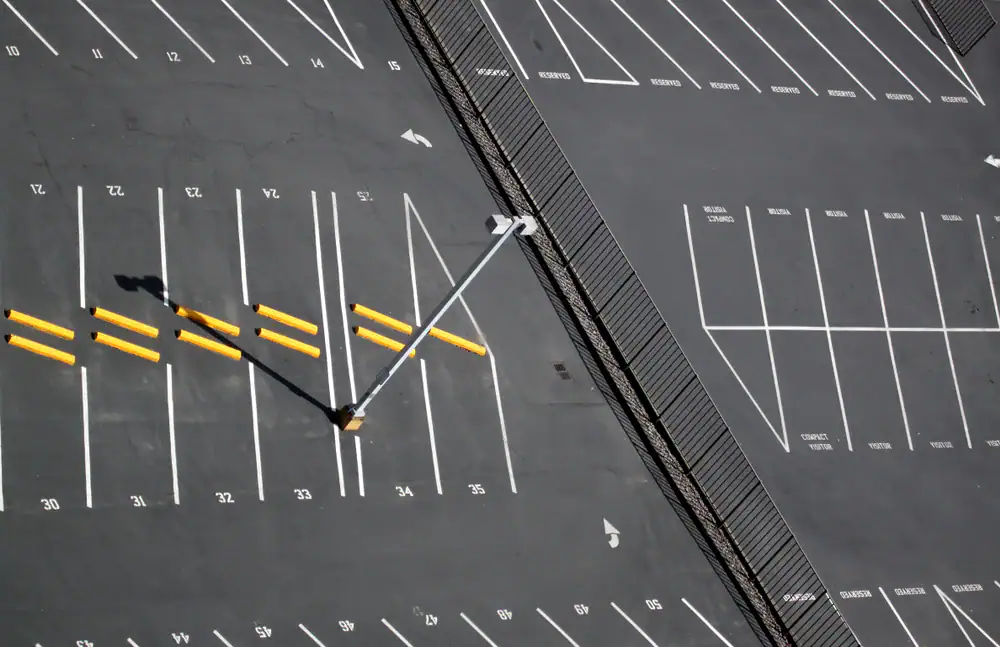
Line striping marks parking spaces, traffic flow, handicap spaces, and any other necessary markings. This isn’t just aesthetic—it’s required for ADA compliance and helps prevent accidents.
Additional costs might include permits, curbing, lighting, or landscaping depending on your project scope and local requirements. A detailed estimate breaks all this down so you know exactly what you’re paying for.
You can typically drive on new asphalt within 2-3 days of installation, but the full curing process takes much longer. That initial waiting period allows the surface to cool and harden enough to support vehicle weight without damage. Driving on it too soon can leave permanent impressions, especially in warm weather when the asphalt is still pliable.
The complete curing process takes 6-12 months. During this time, the asphalt continues to harden as lighter petroleum components evaporate and the material reaches its final strength. You can use the surface normally during this period, but certain precautions help protect it.
Avoid turning your steering wheel while the vehicle is stationary—this creates stress points that can mark fresh asphalt. Don’t park in the exact same spot every day for the first few weeks. Heavy vehicles, trailers, or equipment should stay off the surface for at least a week, longer if temperatures are high.
Temperature affects curing time. Hot summer weather in Kingfield, TN keeps asphalt softer longer. If you’re paving in July, you’ll need to be more careful than if you’re paving in October. Your contractor should provide specific guidance based on the weather conditions during your installation.
For commercial parking lots, this curing period requires some planning. You might need to phase the project so part of the lot remains accessible while new sections cure. Communicate with your paving contractor about timing and access needs before work begins.
Sealcoating is the most important maintenance task for asphalt in Tennessee. Apply it first about 90 days after new installation, then every 2-4 years depending on traffic and sun exposure. Sealcoating protects against UV damage, prevents water intrusion, and restores that dark black appearance. It costs roughly $0.15-$0.30 per square foot—a small investment that significantly extends pavement life.
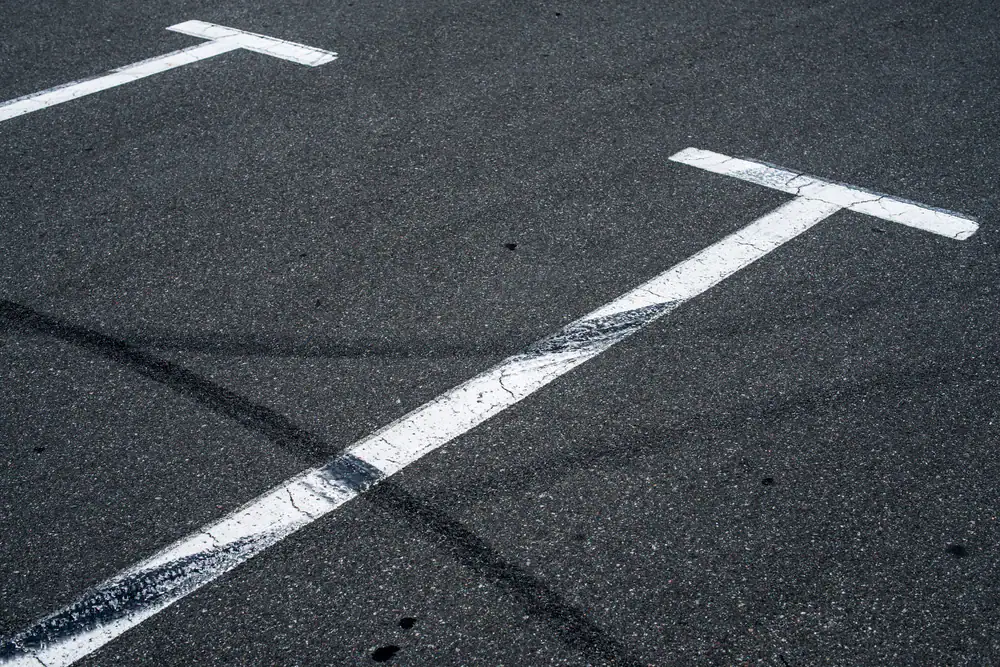
Crack filling should happen promptly when you notice cracks forming. Small cracks let water penetrate to the base layers. When that water freezes during Wilson County’s winter cold snaps, it expands and makes the cracks worse. What starts as a hairline crack becomes a pothole if ignored. Fill cracks while they’re still small and the repair is inexpensive.
Keep the surface clean. Sweep away debris, remove vegetation growing in cracks, and clean up oil or fuel spills immediately. These petroleum products break down asphalt binder and create soft spots that deteriorate faster than the surrounding pavement.
Monitor drainage. After heavy rain, check for standing water. Puddles indicate drainage problems that need attention. Water sitting on the surface accelerates deterioration and creates ice patches in winter that pose safety risks.
Inspect regularly, especially in spring after freeze-thaw cycles and in fall before winter arrives. Catching problems early means smaller, cheaper repairs. Waiting until minor issues become major failures means expensive resurfacing or replacement instead of simple maintenance.
For commercial properties, maintain clear line striping. Faded markings create confusion and liability issues. Re-stripe as needed to keep traffic flow clear and parking spaces visible.
Sometimes, but it depends entirely on the condition of what’s already there. If the existing asphalt has a stable base, minimal cracking, and no major structural issues, an overlay (also called resurfacing) can work. This involves applying a new layer of asphalt over the prepared existing surface. It costs significantly less than complete replacement—typically $4-$7 per square foot versus $9-$15 for full replacement.
However, overlays only work when the foundation is sound. If the base has failed, if there’s widespread cracking indicating structural problems, or if drainage issues have caused settling, an overlay just covers up problems temporarily. Within a year or two, those underlying issues telegraph through the new surface and you’re dealing with the same problems again.
An on-site evaluation determines what’s possible. We should probe the base, check for soft spots, assess drainage, and look at the overall structural integrity. If we recommend full replacement instead of an overlay, there’s usually a good reason. Spending less now but needing to redo everything in two years costs more in the long run than doing it right the first time.
For parking lots, overlays can be part of a phased approach. Maybe some sections need full replacement while others can be overlaid. This spreads costs and allows you to address the worst areas first while maintaining budget flexibility.
The existing surface also needs proper preparation even for an overlay. Potholes get filled, cracks are cleaned and sealed, and the surface is cleaned thoroughly. The new asphalt won’t bond properly to a dirty, oil-stained, or deteriorated surface. Proper preparation ensures the overlay performs as expected and lasts.
Other Services we provide in Kingfield