
Hear from Our Customers
Your parking lot does more work than you think. It drains water during storms. It handles delivery trucks at 6 AM and customer traffic all day. It sits through Tennessee summers that crack cheap asphalt and winters that freeze water in every gap.
Most commercial paving projects fail early because contractors skip the base work or rush the compaction. You end up with potholes in year two and a full replacement bill in year five. That’s not how this should go.
When the job’s done right, your lot handles 20-plus years of traffic without constant patching. The surface stays smooth. The drainage works. Your customers don’t dodge craters on their way to your front door. You’re not calling for repairs every season, and you’re definitely not explaining to your insurance company why someone tripped in your parking lot.
TriStar Paving LLC is a veteran-owned asphalt paving company based in Wilson County, serving Carthage and the surrounding Smith County area. We bring over 50 years of combined experience to every commercial project, from small business parking lots to larger industrial sites.
Being local to Middle Tennessee means understanding how the Cumberland River valley affects drainage, how summer heat impacts asphalt curing, and which base materials hold up best in this specific climate. We work with business owners who need reliable results without the back-and-forth or the surprise fees.
We handle everything from new parking lot construction to resurfacing, asphalt repair, and tar and chip installations. Every project gets the same attention whether it’s a 10-space lot or a 100-space facility. Carthage businesses deserve a paving contractor who shows up on time, does the work right, and stands behind the results.

First, we evaluate your site. That means looking at drainage, checking the existing base if you’re resurfacing, and measuring the area to give you an accurate quote. No ballpark guesses that change later.
Next comes site prep. If you’re paving over dirt or gravel, our crew grades the area and installs a compacted aggregate base—usually crushed stone that’s leveled and rolled to create a stable foundation. If you’re resurfacing, we’ll mill off damaged asphalt or repair any base issues before moving forward. Skipping this step is how parking lots fail early.
Then the asphalt goes down. Hot mix asphalt gets spread in layers, typically two to four inches depending on your traffic load. Each layer is compacted with heavy rollers to proper density. This isn’t a quick pour-and-go. Proper compaction is what keeps your lot from cracking and rutting under weight.
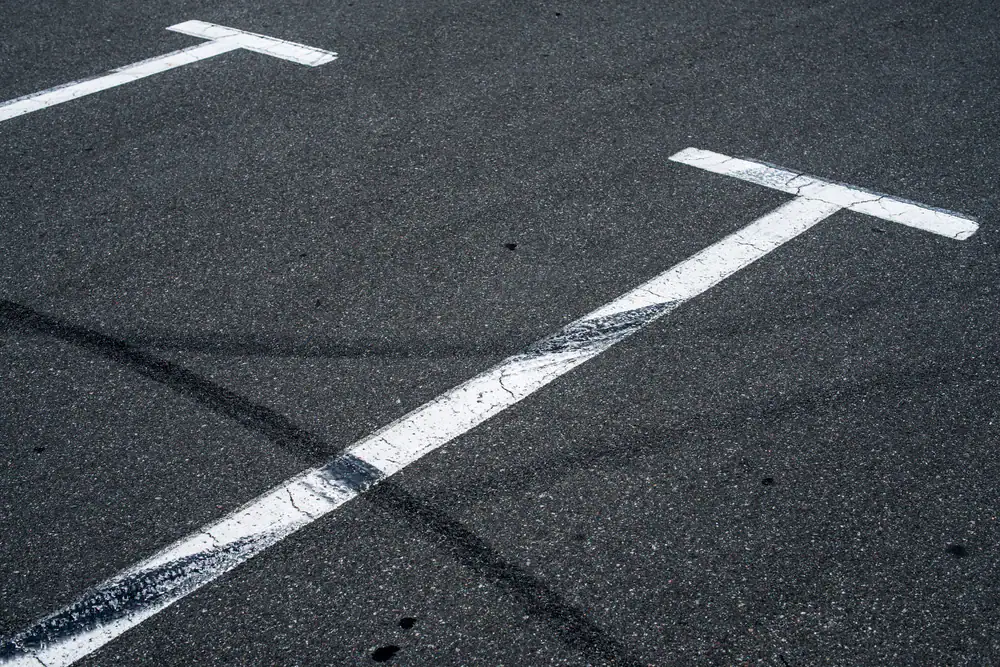
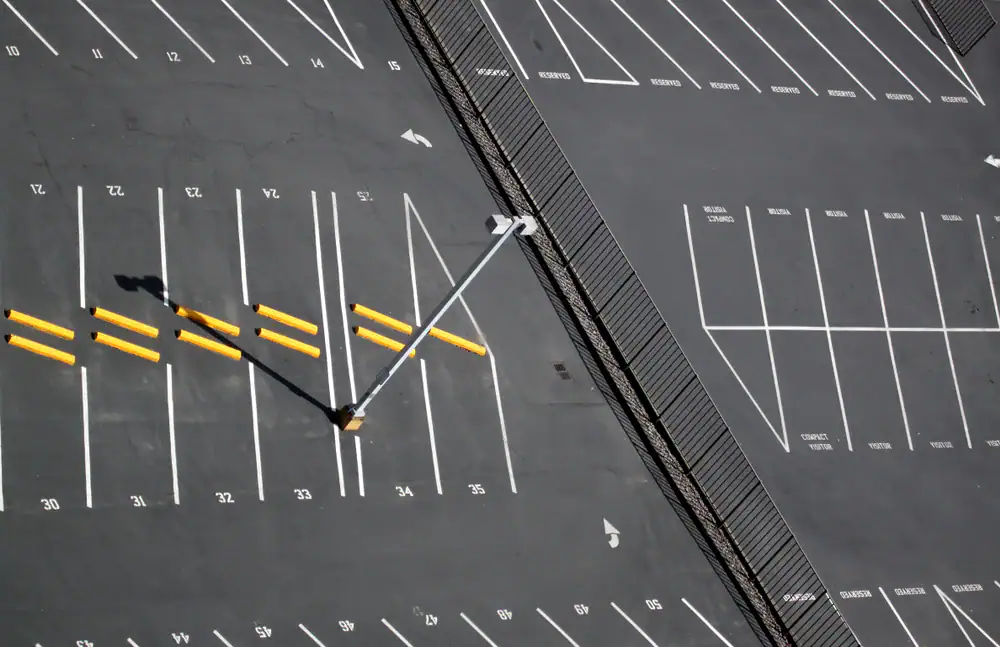
After the asphalt cures, striping goes in. That includes parking stall lines, handicap spaces, directional arrows, and any fire lane or loading zone markings your property needs. If your lot requires ADA-compliant features, we integrate those during the layout phase, not as an afterthought.
You’ll know the timeline before work starts, and you’ll know when to keep traffic off the fresh asphalt. Most commercial lots need 24 to 48 hours of cure time before they’re ready for vehicles, depending on weather and thickness.

Ready to get started?
Commercial paving in Carthage means dealing with specific local conditions. Summer heat in Smith County can hit the low 90s with high humidity, which affects how asphalt cures. Winters bring freeze-thaw cycles that crack poorly installed pavement. Your paving contractor needs to account for both when choosing mix design and installation timing.
Our commercial projects include full site evaluation, base preparation or repair, hot mix asphalt installation, proper compaction, and striping. If your property has drainage issues, we address those during grading—not ignore them and leave them to cause problems later. Standing water is one of the fastest ways to destroy a parking lot, and it’s preventable with the right slope and drainage plan.
For businesses near Carthage’s downtown area or along the U.S. Route 70 corridor, accessibility matters. ADA-compliant parking isn’t optional, and it’s not complicated when planned correctly. Handicap spaces, proper slopes, curb cuts, and compliant signage all get factored into the layout before any asphalt goes down.
Maintenance planning is part of the conversation too. Asphalt parking lots in Tennessee typically need sealcoating every three to five years to protect against UV damage and water infiltration. Crack filling and minor repairs extend the life of your investment. A well-maintained commercial lot can last 20 to 30 years, but only if you’re proactive about upkeep. We walk you through what that looks like for your specific property so there are no surprises down the road.

Commercial asphalt paving in Carthage typically runs between $3 and $8 per square foot, but that range shifts based on several factors. If you’re paving a brand-new lot from dirt or gravel, expect costs on the higher end because you’re paying for excavation, base installation, compaction, and the asphalt itself. Resurfacing an existing lot costs less since the base is already there—you’re just milling off the old surface and adding fresh asphalt.
Size matters too. A 5,000-square-foot lot will have a higher per-foot cost than a 20,000-square-foot lot because of equipment mobilization and setup. Larger projects benefit from economies of scale. Site conditions also play a role—if your property has drainage problems or unstable soil, fixing those issues adds to the prep work and the total cost.
The best way to get an accurate number is to have us evaluate your site. We’ll measure the area, check the base, assess drainage, and give you a detailed quote that won’t change halfway through the job. No vague estimates that balloon later.
A properly installed commercial asphalt parking lot in Tennessee can last 20 to 30 years with regular maintenance. That lifespan depends on three things: quality installation, traffic load, and how well you maintain it over time.
Quality installation means proper base preparation, correct asphalt thickness for your traffic volume, and thorough compaction. If any of those steps get rushed or skipped, you’ll see premature cracking, potholes, and surface deterioration within the first five years. Tennessee’s climate—hot, humid summers and freeze-thaw winters—is hard on asphalt, so cutting corners during installation costs you later.
Traffic load affects longevity too. A parking lot that sees passenger cars will outlast one that handles delivery trucks and heavy equipment daily. Thicker asphalt (three to four inches) holds up better under weight than a thin two-inch layer.
Maintenance is the third factor. Sealcoating every three to five years protects asphalt from UV damage and water infiltration. Crack filling prevents small issues from turning into major repairs. Neglected lots deteriorate faster, while maintained lots hit that 20- to 30-year mark without needing full replacement.
An asphalt overlay means milling off the top layer of damaged asphalt and paving a new surface over the existing base. It’s less expensive than full replacement and works well if your parking lot’s base is still solid but the surface is worn, cracked, or faded. Overlay projects typically cost 30% to 50% less than starting from scratch because you’re not tearing out and rebuilding the entire structure.
Full-depth replacement means removing all the old asphalt, addressing any base issues, and rebuilding the parking lot from the ground up. You’d need this if your lot has widespread structural problems—deep potholes, major settling, base failure, or drainage issues that can’t be fixed with surface work alone. It costs more upfront, but it gives you a completely new parking lot with a fresh 20- to 30-year lifespan.
The decision comes down to the condition of your existing lot. We evaluate your pavement and base during the site visit and recommend the option that makes sense for your situation and budget. If an overlay will get you another 15 years of solid performance, there’s no reason to pay for a full replacement. But if your base is failing, an overlay is just putting new asphalt over a problem that’ll resurface quickly.
Most commercial parking lot paving projects in Carthage take anywhere from two days to two weeks, depending on size, scope, and weather. A small business parking lot with 10 to 20 spaces might be completed in two to three days—one day for prep and base work, one day for paving, and a day for striping after the asphalt cures. Larger lots or projects that require extensive base repair, drainage work, or full-depth replacement take longer.
Weather plays a role too. Asphalt needs to be installed in temperatures above 50 degrees Fahrenheit for proper compaction and curing. If rain is forecast or temperatures drop, the schedule shifts. Trying to pave in poor conditions leads to weak pavement that fails early, so we wait for the right weather window.
You’ll also need to keep traffic off the fresh asphalt for 24 to 48 hours after installation. That gives the surface time to cool and cure before vehicles drive on it. Heavy trucks or equipment should stay off for at least 72 hours. We provide a timeline before work starts so you can plan around the project and minimize disruption to your business operations.
Yes, most commercial paving projects in Carthage require permits, especially if you’re doing new construction, expanding an existing lot, or making changes that affect drainage or stormwater management. Smith County and the City of Carthage have zoning and building codes that govern commercial property improvements, and paving work typically falls under those regulations.
The permit process usually involves submitting site plans, showing how drainage will be handled, and ensuring your parking lot layout meets ADA requirements for accessible parking spaces. If your project affects public right-of-way or requires utility work, additional permits may be needed. The good news is that experienced paving contractors handle this process regularly and can guide you through what’s required.
We work with local regulations and can help coordinate the permit process as part of your project. Skipping permits might seem like a shortcut, but it creates problems if the work doesn’t meet code or if you ever need to sell the property. Buyers and inspectors will catch unpermitted work, and you’ll end up paying to fix it or dealing with delays during a sale.
After your commercial parking lot is paved, regular maintenance keeps it in good condition and extends its lifespan. The first major maintenance step is sealcoating, which should happen about two years after installation and then every three to five years after that. Sealcoating protects asphalt from UV rays, water infiltration, and chemical damage from oil or gas spills. It also refreshes the appearance and fills in minor surface imperfections.
Crack filling is another key task. Small cracks will develop over time due to temperature changes and settling, and filling them early prevents water from seeping into the base and causing bigger problems. Check your lot at least once a year—ideally in spring after winter freeze-thaw cycles—and address cracks before they widen.
Striping fades over time and typically needs repainting every five years or so, depending on traffic volume. Faded lines create confusion and safety issues, and they make your property look neglected. Keeping striping fresh is a relatively inexpensive way to maintain a professional appearance.
Finally, keep the lot clean. Sweep away debris, remove standing water, and address any drainage issues promptly. Standing water accelerates pavement deterioration and leads to costly repairs. A well-maintained commercial parking lot in Carthage can last 20 to 30 years, but that longevity depends on staying ahead of small issues before they turn into major expenses.
Other Services we provide in Carthage