

Hear from Our Customers
You need asphalt that drains properly when it rains. That doesn’t crack after one winter. That looks good and holds up to daily use without turning into a maintenance nightmare.
Proper base preparation makes the difference. So does using the right asphalt mix for Tennessee’s climate and installing it at the correct temperature. When the foundation is solid and the material is right, you get a surface that handles freeze-thaw cycles, summer heat, and heavy traffic without falling apart.
Your driveway or parking lot becomes something you don’t have to worry about. It drains correctly. It stays smooth. And it adds value to your property instead of detracting from it.
We bring over five decades of asphalt experience to every project in Carthage and the surrounding Middle Tennessee area. As a veteran-owned company based in Wilson County, we understand what it means to show up, do the work right, and stand behind the results.
We handle both residential driveways and commercial parking lots. That versatility comes from years of working with different property types, soil conditions, and project requirements across the Nashville area. Whether it’s a homeowner wanting a durable driveway or a business needing a parking lot that can handle daily traffic, we have the equipment and crew to get it done.
Carthage homeowners and business owners deal with specific challenges—soil that shifts, weather that swings from 30 degrees in winter to nearly 90 in summer, and rain that tests every drainage system. Local experience matters when you’re working with those conditions.

First, we evaluate the site. That means looking at drainage, soil conditions, existing surfaces, and what kind of traffic the asphalt needs to handle. If there’s an old driveway or parking lot, removal happens before anything new goes down.
Next comes base preparation. This step determines how long your asphalt lasts. We grade the ground to ensure proper drainage—water needs somewhere to go, and it can’t be toward your foundation or building. A compacted gravel base goes down to create a stable foundation that won’t shift or settle.
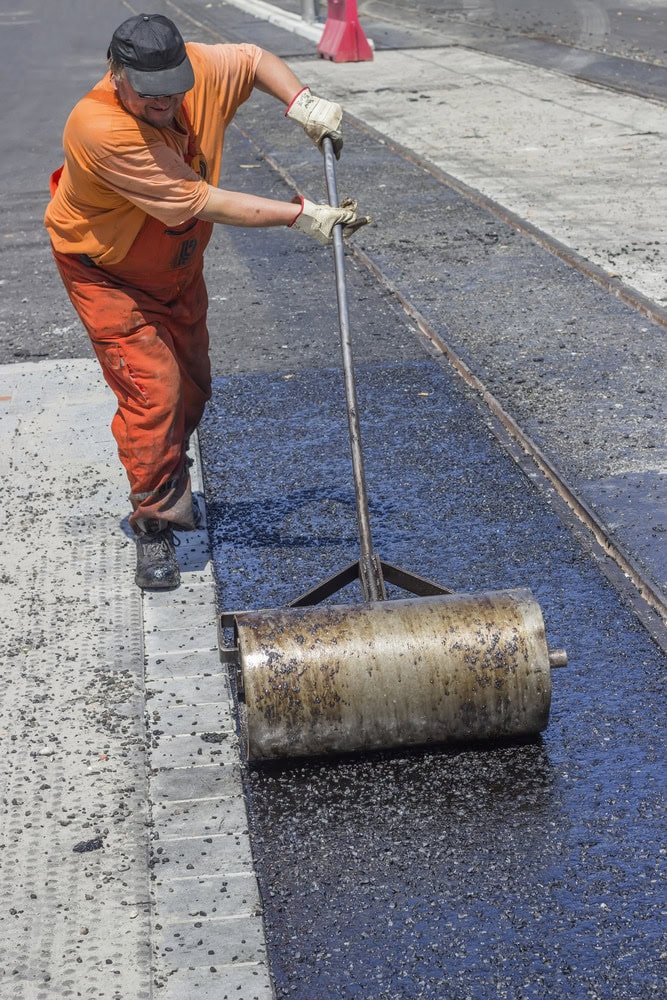
Then we install the asphalt. Hot-mix asphalt works best for driveways and parking lots because it’s durable and weather-resistant. It has to be installed while it’s hot—usually between 250 and 350 degrees—so timing matters. We spread it evenly, compact it properly, and make sure the grade is right for drainage.
After installation, the surface needs time to cure. You can usually walk on it within a day, but it’s best to wait about 48 hours before driving on it. Full curing takes longer, but you’ll have a functional driveway or parking lot that’s ready to handle what you throw at it.

Ready to get started?
Proper site evaluation and grading come standard. We assess your property’s drainage patterns so water doesn’t pool or cause problems down the line. If the existing surface needs removal, we handle that before any new work begins.
Base preparation includes compacted gravel or aggregate that creates a stable foundation. The thickness depends on what the asphalt needs to support—residential driveways typically need 2-3 inches of asphalt over a solid base, while commercial parking lots often require 3-4 inches or more to handle heavier vehicles.
In Carthage, weather plays a major role in how asphalt performs. Tennessee’s temperature swings and wet conditions mean the installation has to be done right. We install hot-mix asphalt at optimal temperatures, compact it correctly, and grade it to prevent water from sitting on the surface or seeping underneath where it can cause damage during freeze-thaw cycles.
For properties with specific needs—rural driveways, long access roads, or budget considerations—we offer tar and chip installation as a durable alternative. It provides good traction, handles traffic well, and costs less than traditional asphalt while still giving you a solid surface.
The goal is a finished surface that looks clean, drains properly, and holds up to daily use without requiring constant maintenance. That means fewer repairs, less worry, and a driveway or parking lot that does its job year after year.

Asphalt paving in Tennessee typically runs between $4 and $6 per square foot for standard residential driveways, including materials and labor. That means a standard two-car driveway around 600 square feet would cost roughly $2,400 to $3,600, though the final price depends on several factors.
Site preparation affects cost significantly. If your property needs extensive grading, drainage work, or removal of an existing surface, expect higher costs. Properties with difficult access, rocky soil, or significant elevation changes require more labor and equipment time.
The thickness of asphalt matters too. Residential driveways usually need 2-3 inches of asphalt over a compacted base, while commercial parking lots or driveways that see heavy vehicle traffic need 3-4 inches or more. Thicker asphalt costs more upfront but lasts longer and handles weight better.
The best way to get an accurate price is to have us evaluate your specific property. Every site is different, and factors like drainage requirements, base preparation needs, and project complexity all influence the final cost.
Properly installed asphalt typically lasts 15 to 30 years in Tennessee, but that range depends heavily on installation quality, maintenance, and usage. The climate here—with hot summers, cold winters, and plenty of rain—puts stress on asphalt surfaces through expansion, contraction, and water infiltration.
Base preparation is the biggest factor in longevity. If the ground isn’t properly graded and compacted before asphalt goes down, you’ll see premature cracking and settling within a few years. Water that can’t drain properly seeps under the surface, freezes in winter, and causes the asphalt to heave and crack.
Regular maintenance extends the life of your asphalt. Sealcoating every few years protects the surface from UV damage and water penetration. Filling small cracks before they become big problems prevents water from getting underneath and causing more extensive damage.
Commercial parking lots that see heavy truck traffic or constant use will wear faster than residential driveways with light vehicle traffic. But even high-traffic surfaces can last decades when they’re installed correctly with proper thickness and a solid base.
Poor base preparation causes most asphalt failures. If the ground underneath isn’t properly graded and compacted, the asphalt settles unevenly and cracks. Water is the other major culprit—when it gets under the surface through cracks or poor drainage, it erodes the base and causes more damage during freeze-thaw cycles.
Tennessee’s temperature swings accelerate wear. Asphalt expands in summer heat and contracts in winter cold. If there are already small cracks or weak spots, that expansion and contraction makes them worse. Water seeps in, freezes, expands, and breaks the asphalt apart from underneath.
Using the wrong asphalt mix or installing it at incorrect temperatures also leads to premature failure. Hot-mix asphalt needs to be installed while it’s actually hot—between 250 and 350 degrees—so it compacts properly and bonds correctly. If it cools too much before installation or isn’t compacted right, it won’t hold up.
Tree roots, heavy vehicles, and lack of maintenance contribute to damage over time. But the vast majority of early failures come down to shortcuts during installation—inadequate base prep, poor drainage design, or improper asphalt application.
You can pave over existing asphalt with an overlay if the current surface is in decent shape—meaning no major cracks, potholes, or drainage issues. An overlay involves applying a new layer of asphalt (usually 1.5 to 2 inches) over the old surface. It costs less than complete replacement because you’re not removing and disposing of the old asphalt.
However, an overlay only works if the existing base is solid. If your current driveway has widespread cracking, significant potholes, or drainage problems, an overlay just covers up the issues temporarily. Within a year or two, those same problems will show through the new surface.
The existing surface needs to be relatively level and structurally sound. Minor cracks can be filled before the overlay, but if there’s substantial damage or if the driveway is sinking in spots, you’re better off with complete removal and replacement. Otherwise you’re spending money on a fix that won’t last.
We can assess whether your driveway is a good candidate for an overlay or needs full replacement. It’s worth getting an honest evaluation rather than choosing the cheaper option only to redo the work in a couple years.
You can typically drive on new asphalt after 24 to 48 hours, though waiting the full 48 hours is better. The asphalt needs time to cool and cure enough to support vehicle weight without damage. Walking on it is usually fine after several hours, but vehicles are heavier and can leave impressions if the asphalt is still too soft.
Temperature affects curing time. If it’s hot outside, the asphalt stays softer longer and needs more time before it can handle traffic. Cooler weather helps it firm up faster. Heavy vehicles like trucks or RVs should wait at least 3 to 5 days to avoid creating ruts or depressions.
The first few weeks are critical for your new asphalt. Avoid turning your steering wheel while the vehicle is stationary—that twisting motion can scuff the surface while it’s still curing. Don’t park in the exact same spot every day for the first month, and be careful with kickstands from motorcycles or sharp objects that could create impressions.
Full curing actually takes several months, but the asphalt is functional and can handle normal traffic after that initial 48-hour period. Just use a little extra care during the first few weeks while the surface fully hardens.
Asphalt paving uses hot-mix asphalt—a combination of aggregate and liquid asphalt cement—that gets spread and compacted into a smooth, solid surface. Tar and chip (also called chip seal) involves spraying hot liquid asphalt onto the surface and then covering it with a layer of crushed stone that gets pressed into the asphalt. The result is a textured, slightly rough surface rather than a smooth one.
Cost is the main advantage of tar and chip. It typically costs 30-50% less than traditional asphalt paving, making it a good option for long rural driveways, private roads, or properties where budget is a primary concern. It also provides excellent traction, even in wet conditions, because of the stone surface.
The tradeoff is appearance and smoothness. Tar and chip looks more rustic and feels rougher to drive on compared to smooth asphalt. Loose stones can scatter for the first few weeks until everything settles. It also requires more maintenance over time and doesn’t last quite as long as properly installed asphalt.
For commercial parking lots or properties where appearance matters, traditional asphalt paving is usually the better choice. For residential driveways, especially longer ones or rural properties, tar and chip can be a practical, cost-effective option that still provides a durable surface.
Other Services we provide in Carthage