

Hear from Our Customers
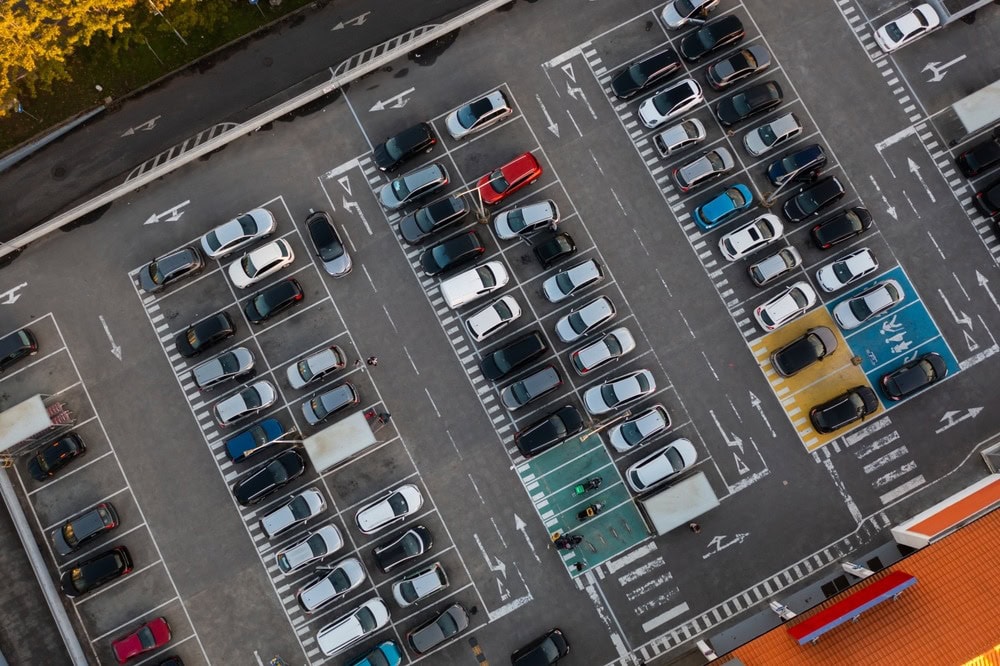
You get a smooth, level surface that doesn’t crack apart in six months. Water drains where it should instead of pooling in low spots. Customers pull in without dodging potholes or wondering if your business is still operating.
A properly paved parking lot means fewer complaints. Fewer liability concerns. And a lot less money spent patching the same problem areas year after year.
It’s not just about looking professional—though that matters. It’s about building something that functions the way it should from day one and keeps functioning without you having to think about it. That’s what proper grading, quality materials, and experienced installation get you.
We’ve been handling parking lot construction and asphalt paving in Wilson County and the surrounding Nashville area for over 50 years. That’s a lot of driveways, parking lots, and commercial surfaces.
This is a veteran-owned company. Our work reflects that—disciplined, reliable, and done with attention to the details that actually matter. We’re not trying to upsell you on services you don’t need or cut corners to finish faster.
Eno and the surrounding areas deal with real temperature swings. Hot summers. Freezing winters. Heavy rain that finds every weak spot in your pavement. We know what holds up here because we’ve been working in these conditions longer than most paving companies have existed.

First, we assess your property. We measure the area, check the existing surface if there is one, and talk through what you actually need. Not what sounds good in a sales pitch—what makes sense for your property and budget.
Next comes site prep. We grade the area to ensure proper drainage. Water is the enemy of asphalt, so this step matters more than people realize. We lay down a solid base, compact it correctly, and make sure everything is level and stable before any asphalt goes down.
Then we pave. We apply quality asphalt at the right thickness for your traffic load, smooth it out, and compact it properly. Rushing this part leads to premature failure. We don’t rush it.
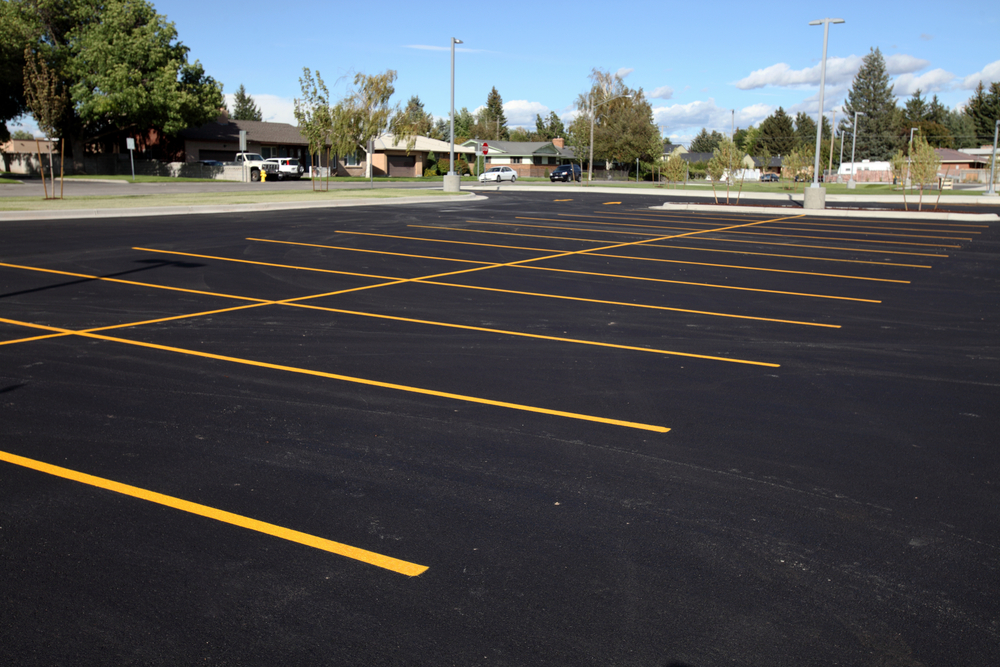
Finally, we handle the finishing work—striping, markings, any ADA-compliant features you need. You’re left with a parking lot that’s ready to handle traffic and weather without falling apart in the first year.
Ready to get started?
Parking lot paving isn’t just throwing down some asphalt and calling it done. Proper installation includes grading to prevent water from sitting on the surface. It includes a compacted base that won’t shift or settle unevenly over time. It includes asphalt thick enough to handle your specific traffic patterns—not a one-size-fits-all approach.
For Eno businesses, drainage is critical. This area sees its share of rain, and Tennessee’s freeze-thaw cycles will find every crack and make it worse. Proper grading channels water away from your building and off the pavement before it can seep into the base and cause problems.
If you’re resurfacing an existing lot, we assess what’s salvageable and what needs to be removed. Sometimes an overlay works. Sometimes the base is compromised and needs rebuilding. We’ll tell you which situation you’re dealing with—not which one makes us more money.
Striping and ADA compliance are part of the package too. Faded lines make your lot look neglected and create confusion for drivers. Clear markings improve traffic flow and reduce the chance of fender benders in your parking area.

With proper installation and regular maintenance, you’re looking at 15 to 30 years. That’s not a guarantee—it depends on traffic volume, weather exposure, and whether you stay on top of small repairs before they become big ones.
Asphalt is durable, but it’s not indestructible. Tennessee’s temperature swings cause expansion and contraction. Rain and humidity work their way into any weak spots. Heavy trucks put more stress on the surface than passenger vehicles.
The good news is that catching cracks early and applying sealcoating every few years can push your parking lot toward the longer end of that lifespan. Ignoring maintenance will push it toward the shorter end—or force you into a full replacement sooner than necessary.
Resurfacing means adding a new layer of asphalt over your existing pavement. It’s less expensive and faster than a full replacement, but it only works if your base is still solid. If the foundation is compromised—shifting, settling, or breaking down—resurfacing just covers up a problem that’ll resurface quickly.
Complete replacement involves tearing out the old asphalt, addressing any base issues, and building from the ground up. It costs more and takes longer, but you’re getting a parking lot that’s structurally sound for the long haul.
We assess your existing lot and tell you honestly which approach makes sense. Sometimes property owners assume they need a full replacement when resurfacing will do the job. Other times they want to save money with an overlay when the base really needs attention. We’ll walk you through what we’re seeing and why we’re recommending one option over the other.
You should wait at least 24 to 48 hours before allowing vehicle traffic on new asphalt. It needs time to cool and set properly. Driving on it too soon can leave tire marks, create indentations, or cause the surface to shift.
For full curing, asphalt takes about 6 to 12 months. During that time, it’s usable but still hardening. You might notice it’s a bit softer in hot weather during the first few months—that’s normal.
We schedule most commercial paving projects during times that minimize disruption to your business. If you need the lot operational by a certain date, let us know upfront. We’ll plan the work so you’re not losing revenue or turning customers away because they can’t park.
Water is the main culprit. When water seeps through cracks into the base material below, it weakens the foundation. In winter, that water freezes and expands, pushing the crack wider. When it thaws, you’re left with a bigger gap. Repeat that cycle enough times and you’ve got a pothole.
Heavy traffic accelerates the process. Every vehicle that drives over a weak spot puts stress on the pavement. Over time, that stress breaks down the binder holding the asphalt together.
Poor drainage makes everything worse. If water pools on your parking lot instead of draining off, it’s constantly working its way into any vulnerable areas. That’s why proper grading during installation matters so much—it prevents water from sitting on the surface in the first place.
UV exposure and temperature changes also take their toll. Asphalt oxidizes over time, becoming brittle and more prone to cracking. Sealcoating protects against UV damage and extends the life of your pavement, but it’s not a one-time thing. You need to reapply it every few years to maintain that protection.
Yes. ADA compliance isn’t optional for commercial properties—it’s required by law. That includes having the correct number of accessible parking spaces, proper signage, access aisles of the right width, and safe routes from the parking area to your building entrance.
We make sure your parking lot meets those standards. That means designated van-accessible spaces with the appropriate markings, handicap signage at the correct height, and ramps or curb cuts with the right slope.
Failing to meet ADA requirements can result in fines and legal issues. Beyond that, it’s about making sure everyone can access your business safely. We handle the technical details so you don’t have to worry about whether you’re compliant or not.
The biggest thing is sealcoating every 2 to 3 years. Sealcoating adds a protective layer that shields the asphalt from water, UV rays, oil, and other substances that break down the binder. It also keeps your lot looking fresh instead of faded and worn.
Crack filling is the other critical maintenance task. Small cracks are inevitable, but if you fill them when they’re still minor, you prevent water from getting into the base and causing bigger problems. Ignoring a hairline crack today means dealing with a pothole next year.
Keep the surface clean. Debris, leaves, and standing water all contribute to deterioration over time. Regular sweeping and ensuring drains aren’t clogged goes a long way toward extending your parking lot’s lifespan.
If you notice faded striping, get it repainted. Clear markings aren’t just about appearance—they improve safety and traffic flow. Faded lines lead to confusion, poor parking, and an increased risk of minor accidents in your lot.
Other Services we provide in Eno