

Hear from Our Customers
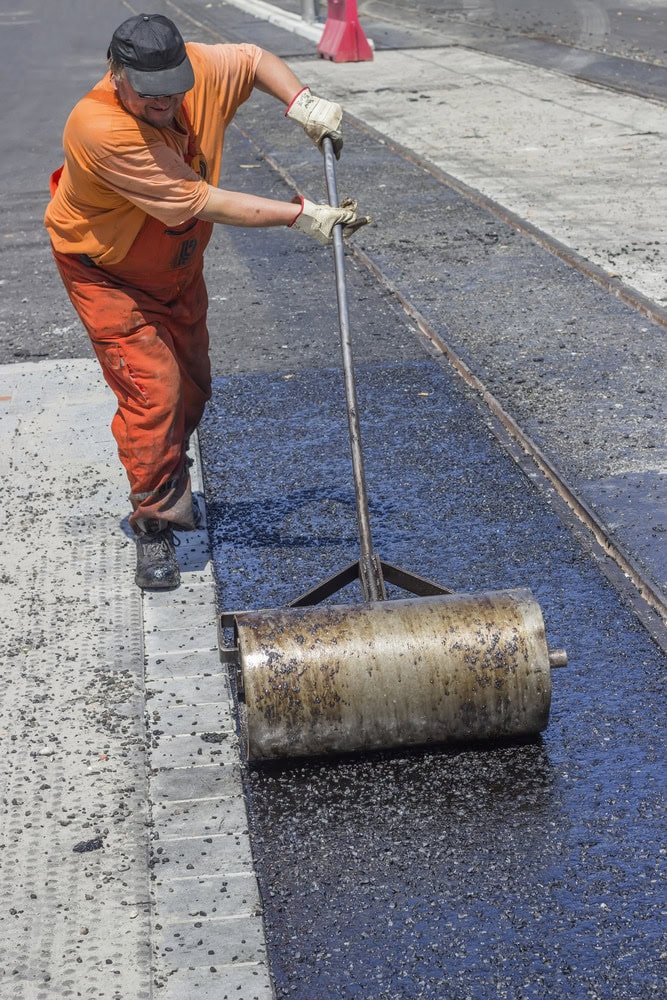
You’re not looking for the cheapest option. You’re looking for asphalt that doesn’t crack, buckle, or wash out after the first hard rain. That’s what proper paving gets you.
When the sub-base is prepared right and the asphalt is laid thick enough, you get a surface that handles Tennessee weather without falling apart. No premature cracking from freeze-thaw cycles. No water pooling because someone skipped the drainage work. Just a solid driveway or parking lot that does its job for 20-plus years.
That’s the difference between a paving contractor who knows what they’re doing and one who’s just trying to get to the next job.
We bring over 50 years of combined experience to every residential and commercial paving project in Eno and throughout Wilson County. TriStar Paving is a veteran-owned company, which means the work ethic and attention to detail you’d expect from that background.
We understand what Middle Tennessee soil does to asphalt. We know how to prep for it, how to grade for drainage, and how to lay asphalt that won’t need replacing in five years. Whether it’s a residential driveway in Eno or a commercial parking lot in the Nashville area, we handle it the same way: with a focus on doing it right the first time.

First, the existing surface gets evaluated. If there’s old asphalt or a failing base, it needs to come out. You can’t build something that lasts on a foundation that’s already compromised.
Next comes the sub-base. This is where a lot of contractors cut corners, and it’s where you pay for it later. The base gets graded for proper drainage, compacted correctly, and built to handle the load it’s going to carry. For Tennessee soil conditions, this step matters more than most people realize.
Then the asphalt goes down. The right thickness for your application, laid at the right temperature, and compacted properly. Not too thin to save money. Not rushed because there’s another job waiting. Just done correctly.
After it cures, you’ve got a driveway or parking lot that’s ready to handle daily traffic, weather changes, and everything else you’re going to throw at it for the next couple of decades.

Ready to get started?
We handle residential driveways, commercial parking lot construction, asphalt paving for roads and access drives, and tar & chip installations. Each project gets the same approach: proper preparation, quality materials, and workmanship that holds up.
For homeowners in Eno, that means asphalt driveways that improve curb appeal and function without constant maintenance. The asphalt is thick enough to prevent cracking. The base is prepared to handle water. The grading keeps runoff from pooling where you don’t want it.
For commercial properties around Wilson County, it means parking lots that can take heavy traffic without developing potholes every season. Surfaces that look professional because they are professional. Asphalt work that doesn’t need redoing in a few years because someone skipped steps to save time.
Tennessee’s climate is tough on asphalt. The freeze-thaw cycles, the summer heat, the heavy rains—all of it breaks down pavement that wasn’t installed correctly. We account for these conditions in every project, using techniques and materials that match what Middle Tennessee weather demands.

A properly installed asphalt driveway in Eno should last 20 to 25 years, sometimes longer with good maintenance. The key word there is “properly installed.”
If the sub-base isn’t prepared correctly, or if the asphalt is laid too thin, you’ll start seeing cracks and deterioration within a few years. Tennessee’s clay soil and temperature swings are hard on asphalt that wasn’t built to handle them. But when the base is compacted right, drainage is addressed, and the asphalt is thick enough, you get decades of use.
Regular maintenance helps too. Sealcoating every few years protects against UV damage and water intrusion. Filling small cracks before they spread prevents bigger problems. But the foundation of a long-lasting driveway is always the installation itself.
Cracking usually comes down to a few main culprits: poor sub-base preparation, water intrusion, temperature cycles, and UV exposure. In Tennessee, all of these factors are in play.
When the sub-base isn’t compacted properly or doesn’t have adequate drainage, water gets underneath the asphalt. That water expands when it freezes, contracts when it thaws, and creates stress that cracks the surface. Tree roots growing under the driveway cause the same problem.
UV rays from the sun dry out the asphalt binder over time, making it brittle and more prone to cracking. Heavy vehicles add stress. And if the asphalt was laid too thin to begin with, it doesn’t have the strength to resist these forces.
The solution is proper installation from the start. A well-prepared base, adequate asphalt thickness, and attention to drainage prevent most cracking issues before they start.
Cost depends on the size of your project, the condition of the existing surface, and what needs to happen before the asphalt goes down. In the Nashville and Wilson County area, you’re typically looking at a range that reflects both materials and proper installation.
A new residential driveway usually runs higher than an overlay on existing asphalt that’s still structurally sound. Commercial parking lots vary widely based on size and traffic requirements. Projects that need extensive excavation or base work cost more than ones where the foundation is already solid.
What matters more than the initial price is what you’re actually getting. Asphalt that’s laid too thin or over an unprepared base might cost less upfront, but you’ll pay for it in repairs and early replacement. Quality installation costs what it costs because the work is done right.
We provide straightforward estimates based on what your specific project needs. No surprises, no upselling, just honest assessment of what it takes to build asphalt that lasts.
Sometimes yes, sometimes no. It depends entirely on the condition of what’s already there.
If your existing asphalt has a solid base and the surface damage is mostly cosmetic—some cracking, wear, fading—then an overlay can work. This involves adding a new layer of asphalt over the old surface, which is less expensive than full replacement.
But if the base has failed, if there’s widespread cracking, if water has gotten underneath and caused settling, or if the drainage is wrong, an overlay just covers up problems that will come back. You’ll end up with new asphalt that fails quickly because the foundation underneath is compromised.
The right approach is to evaluate what you’re working with first. Sometimes that means removing the old asphalt and starting over. Sometimes an overlay is fine. A good paving contractor will tell you honestly which situation you’re in, not just sell you whichever option is easier.
The main differences are thickness, base preparation, and what the surface needs to handle. Commercial paving is built for heavier loads and more traffic.
A residential driveway typically uses a thinner asphalt layer because it’s supporting passenger vehicles, not delivery trucks or constant traffic. The base still needs to be prepared correctly, but the specifications are different. Commercial parking lots need thicker asphalt, a more robust base, and often additional considerations for drainage and traffic flow.
Commercial projects also tend to have stricter requirements for ADA compliance, proper grading, and long-term durability. A business can’t afford to have its parking lot torn up for repairs every few years, so the installation has to be more heavy-duty from the start.
We handle both types of projects because the fundamentals are the same: proper preparation, quality materials, correct installation. The specific requirements just scale based on what the surface needs to do.
You can typically drive on new asphalt after 2 to 3 days, but you need to be careful during the full curing period, which takes 20 to 30 days.
Asphalt is technically drivable once it’s cooled and hardened enough to support vehicle weight without deforming. But it’s not fully cured yet. During those first few weeks, it’s more vulnerable to damage from sharp turns, heavy loads, or anything that puts concentrated pressure on the surface.
That means avoiding parking in the same spot every day, being careful with kickstands or jack stands, and not making sharp turns on it if you can help it. After the full curing period, the asphalt has reached its maximum strength and can handle normal use without issues.
Your paving contractor should give you specific guidance based on weather conditions and the type of asphalt used. Hotter weather speeds up curing. Cooler weather slows it down. Following the recommended timeline protects your investment and ensures the asphalt performs the way it should for years to come.
Other Services we provide in Eno