

Hear from Our Customers
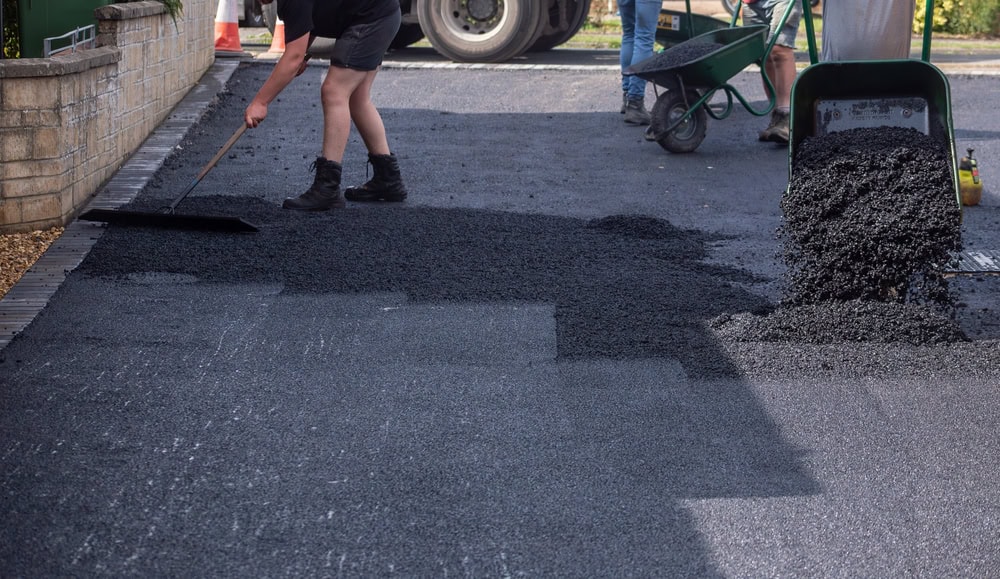
You pull up to a smooth, even surface that drains properly when it rains. No puddles collecting at the edges. No dips where your car bottoms out. Just a clean driveway that makes your property look finished and well-maintained.
The difference shows up years later when your neighbors are dealing with cracks and patches while yours still looks solid. That’s what happens when the base is prepared correctly, the grading directs water away from your foundation, and the asphalt is laid at the right thickness for your specific property and soil conditions.
You’re not worrying about whether it’ll hold up. You’re not calling someone back out to fix what should’ve been done properly the first time. You’ve got a driveway that does its job without becoming a project itself.
TriStar Paving LLC is a veteran-owned company based in Wilson County with over 50 years of experience in asphalt paving. We serve residential and commercial clients throughout Eno and the Nashville area, bringing the kind of attention to detail that comes from decades of doing this work the right way.
We understand how Tennessee’s climate affects asphalt. Hot summers, heavy rainfall, and temperature swings all put stress on driveways, which is why proper installation matters so much here. We focus on the fundamentals that extend the life of your driveway—solid base preparation, correct drainage, quality materials, and professional execution.
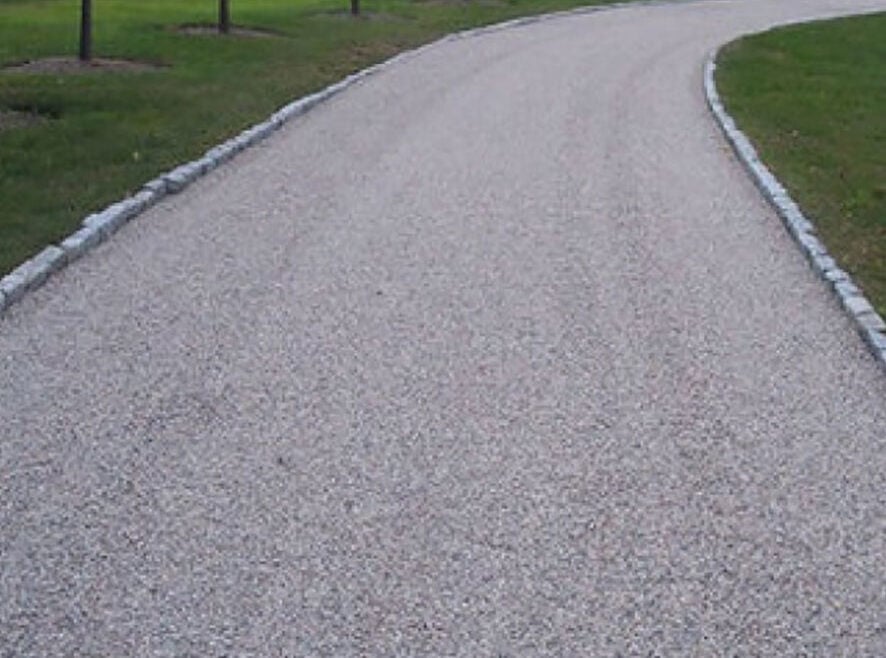
We handle driveway paving, parking lot construction, asphalt paving, driveway construction, and tar & chip installations. Whether you’re replacing an old driveway that’s seen better days or installing a new one, we approach every project with the same commitment to delivering results that last.
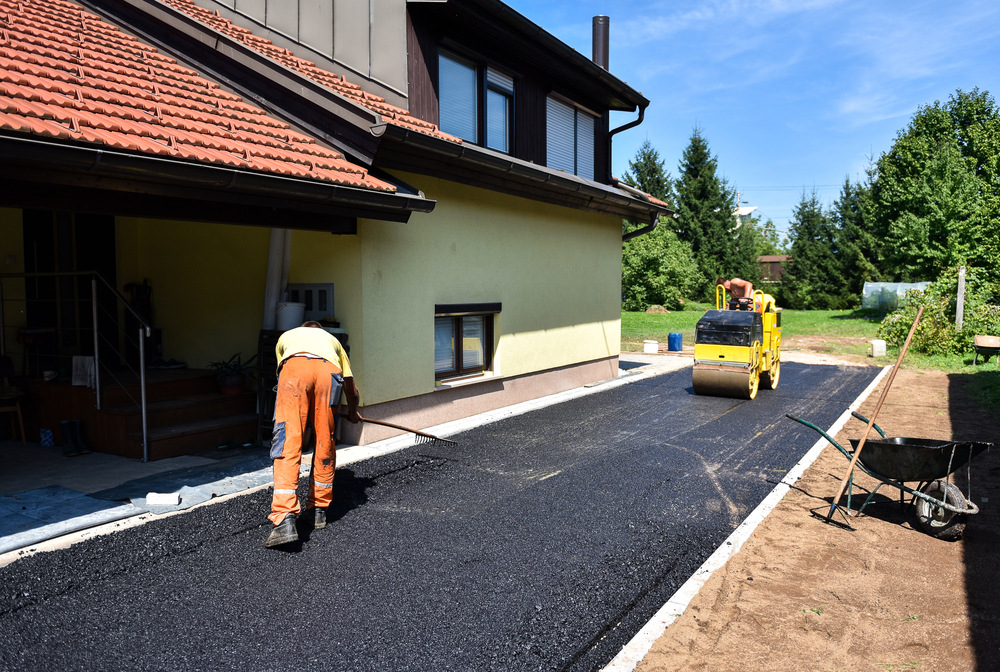
The process starts with evaluating your property. We look at drainage, soil conditions, and how water currently moves across your driveway area. This determines how the base needs to be prepared and how the surface should be graded.
Next comes site preparation and base work. This is where most problems get prevented or created. The existing surface is removed if needed, the subgrade is properly compacted, and a stable base is installed. If your property has drainage issues or soil that doesn’t compact well, this is where those problems get addressed. Proper driveway grading is built in at this stage so water flows away from your home and off the driveway surface.
Then the asphalt gets laid. The material arrives hot and needs to be spread and compacted while it’s still workable. We ensure even thickness across the entire surface and smooth transitions at the edges. Once it’s compacted properly, you’ll need to stay off it for 48 to 72 hours while it cures enough to handle vehicle weight.
After that, you’ve got a driveway that’s ready to use. Down the road, sealcoating every few years will protect the surface and extend its life, but the foundation has been set for a driveway that can last 20 to 30 years when maintained properly.
Ready to get started?
A quality driveway installation in Eno, TN includes proper base preparation, which means removing unstable material and compacting the subgrade so it won’t shift or settle. The base layer provides the structural support your driveway needs to handle vehicle weight without cracking or developing low spots.
Grading is critical in this area because of how much rain Tennessee gets. Your driveway needs to be sloped so water runs off the surface and away from your foundation. Poor grading leads to standing water, which seeps into cracks, weakens the base, and accelerates deterioration. In winter, that water freezes and expands, making small cracks bigger. For properties in Eno with clay-heavy soil or drainage challenges, proper grading becomes even more important to prevent premature failure.
The asphalt itself needs to be the right thickness for your specific use. Residential driveways typically need 2 to 3 inches of compacted asphalt over a solid base. The material has to be laid while it’s hot enough to compact properly but not so hot that it can’t hold its shape. Temperature matters, which is why most paving services happen during warmer months when conditions are ideal for proper curing.
Edges and transitions get attention too. The driveway needs to meet your garage, sidewalk, or street smoothly without creating trip hazards or weak spots where the asphalt is too thin. These details separate a driveway that looks professional from one that looks like it was rushed. For driveway restoration projects, addressing these fundamentals prevents the same problems from happening again.
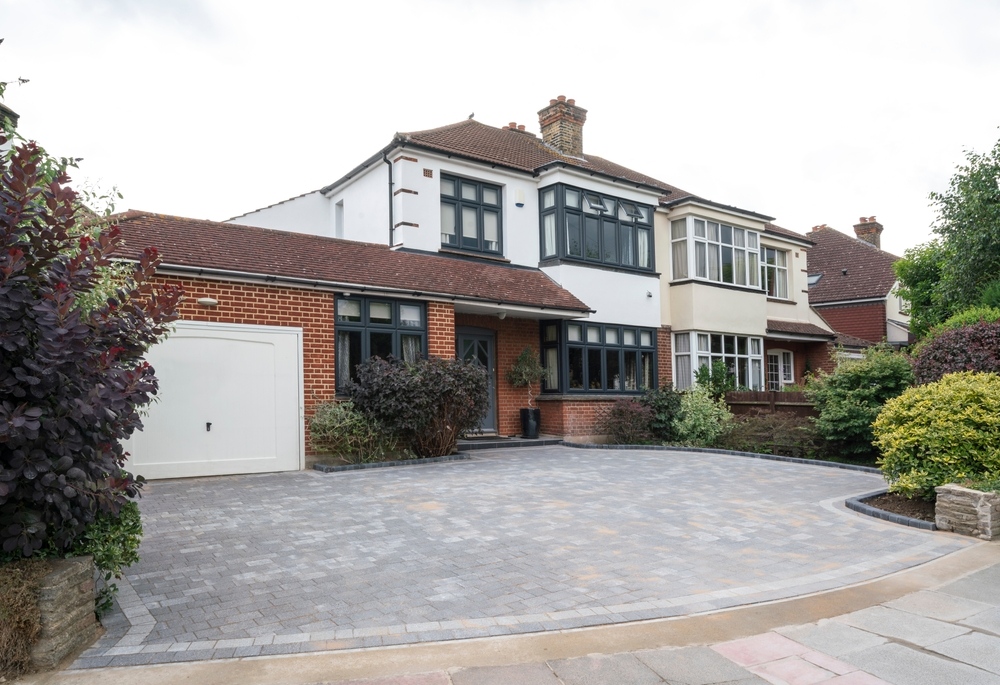
An asphalt driveway in Eno can last anywhere from 15 to 30 years depending on how it’s installed and maintained. The wide range comes down to a few critical factors that directly impact longevity.
Installation quality is the biggest factor. If the base isn’t prepared correctly or drainage isn’t addressed, you’ll see problems within the first few years—cracking, settling, and water damage that shortens the driveway’s life. When the work is done right from the start, with proper compaction and grading, you’re looking at the longer end of that range.
Tennessee’s climate also plays a role. Hot summers can soften asphalt, and heavy rainfall can seep into cracks if they’re not sealed. Regular maintenance like filling cracks early and applying sealcoat every 3 to 5 years protects the surface and can add years to your driveway’s life. Basically, proper installation gets you to 20 years, and consistent maintenance can push it to 25 or 30.
Cracks happen when water gets under the asphalt and weakens the base, or when the driveway wasn’t built with a stable foundation to begin with. Temperature changes make it worse—asphalt expands in heat and contracts in cold, and if there’s already a weak spot, that movement turns into a crack.
Poor drainage is often the culprit. If water pools on your driveway or along the edges, it eventually finds its way underneath through tiny gaps or porous areas. Once it’s under there, it softens the base material, and when you drive over that spot, the asphalt above it cracks. In winter, that water freezes and expands, which makes small cracks bigger almost overnight.
Prevention starts with proper installation. The base needs to be compacted and stable, and the surface needs to be graded so water runs off instead of sitting there. After installation, sealcoating protects the asphalt from water infiltration and UV damage. If small cracks do appear, filling them right away stops water from getting in and turning a minor issue into a major repair. It’s a lot cheaper to maintain a driveway than to replace it.
You can walk on new asphalt after about 24 hours, but you should wait 48 to 72 hours before driving on it. The asphalt needs time to cool and cure enough to handle the weight of vehicles without leaving impressions or causing damage.
Even after that initial curing period, the asphalt is still relatively soft for the first few weeks. It’s usable, but you’ll want to avoid parking in the exact same spot every day or turning your steering wheel while the car is stationary, especially during hot weather. Those actions can create depressions or scuff marks while the asphalt is still settling.
Full curing actually takes several months, but you don’t need to wait that long to use your driveway normally. Just be a bit careful during the first month, particularly on hot days when the surface is softer. After that, it’s solid enough to handle regular use without any special precautions. Your paving contractor will give you specific guidance based on the weather conditions and the type of mix used for your project.
Resurfacing means adding a new layer of asphalt over your existing driveway. Replacing means tearing out the old driveway completely and starting over with a new base and surface. Which one you need depends on the condition of what’s already there.
Resurfacing works when your driveway’s base is still solid but the surface is worn, faded, or has minor cracking. It’s less expensive because you’re not redoing all the base work—you’re just giving the driveway a fresh top layer. This can extend the life of your driveway by another 10 to 15 years if the underlying structure is sound.
Replacement is necessary when the base has failed. If you’ve got major cracking, potholes, significant settling, or drainage problems, resurfacing won’t fix those issues—it’ll just cover them up temporarily. In those cases, the driveway needs to be removed so the base can be rebuilt properly. It costs more upfront, but you’re getting a driveway that will actually last instead of throwing money at a surface that’s going to fail again. A good paving contractor will tell you honestly which option makes sense for your specific situation.
The base is everything. You can use the best asphalt available, but if it’s sitting on an unstable or poorly prepared base, that driveway is going to fail. The base provides the structural support that keeps your driveway from cracking, settling, or developing potholes under the weight of vehicles.
A proper base starts with removing any unstable soil or old material that won’t compact well. Then a layer of crushed stone or gravel gets installed and compacted in stages. This creates a solid, stable platform that distributes weight evenly and allows water to drain through instead of pooling under the asphalt. In areas with clay soil or poor drainage, the base work becomes even more critical because those conditions make driveways more prone to failure.
Skipping or rushing base preparation is where a lot of cheap paving jobs fall apart. You might save money initially, but within a few years you’re dealing with cracks, uneven surfaces, and drainage problems that cost more to fix than doing it right would have cost in the first place. The base isn’t visible once the asphalt goes down, but it’s the difference between a driveway that lasts 15 years and one that lasts 30. That’s why experienced contractors spend significant time on base prep—it’s the foundation of a quality job.
Experience matters more than anything else. You want a contractor who’s been doing this work for years and understands how local soil conditions and Tennessee weather affect driveways. Someone who’s installed hundreds of driveways has seen what works and what fails, and that knowledge shows up in how they prepare your site and plan the job.
Ask about their process, specifically around base preparation and drainage. A good contractor will evaluate your property, explain how they’ll address any drainage issues, and describe the base work they’ll do before any asphalt gets laid. If someone gives you a quote without looking at drainage or asking about your soil conditions, that’s a red flag. Also ask what thickness of asphalt they’re planning to use and whether it’s appropriate for your driveway’s use.
References and examples of previous work help too. A contractor who’s confident in their work will have no problem showing you completed projects or putting you in touch with past clients. Pay attention to how they communicate—are they clear about what they’re going to do and why? Do they explain the timeline and answer your questions directly? You’re trusting someone with a significant investment in your property, so you want to work with a contractor who’s transparent, experienced, and focused on doing the job right rather than just doing it fast.
Other Services we provide in Eno