

Hear from Our Customers
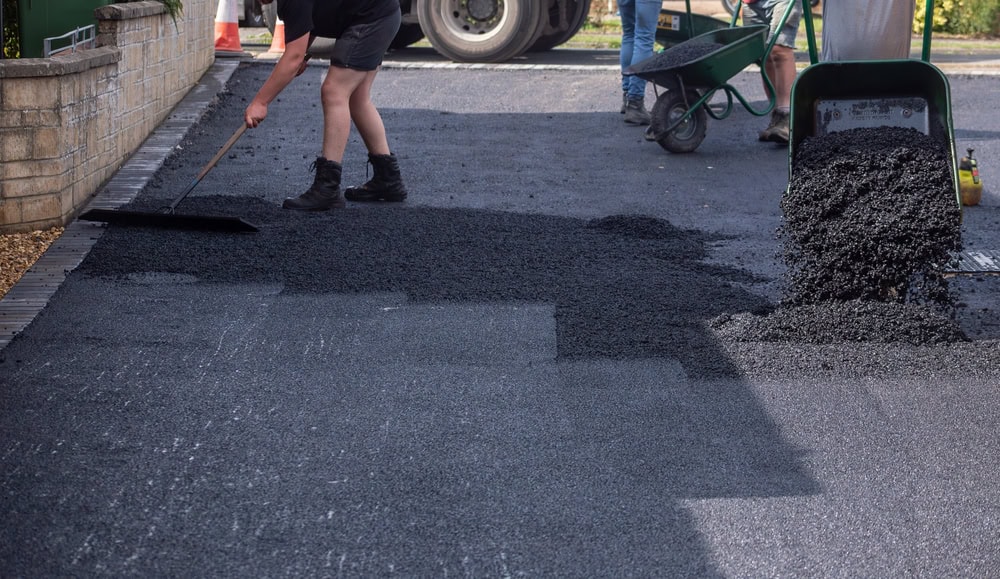
Your driveway stops being a problem. No more cracks spreading across the surface every spring. No more water pooling near your garage after every storm. No more wondering if you should’ve hired someone else.
You get a smooth, properly graded surface that drains where it should. You get asphalt that flexes with Tennessee’s temperature swings instead of cracking apart. You get a driveway that looks clean, functions properly, and holds up to daily use without falling apart in three years.
The difference is in how it’s built. Proper base preparation. Quality materials. Correct grading for drainage. These aren’t extras—they’re what separate a driveway that lasts 20-30 years from one that needs replacing in five.
Tristar Paving LLC has been handling driveway paving and asphalt work in Wilson County and surrounding areas since the 1970s. We’re a veteran-owned company, which means the work ethic and attention to detail you’d expect from military service carries over to every job.
Pleasant View sits in an area where driveways take a beating—hot summers that soften asphalt, freezing winters that crack weak installations, and enough rainfall to create drainage problems if the grading isn’t right. We know this because we’ve been working in this climate for decades. We know which materials hold up and which shortcuts lead to callbacks.
We serve both residential and commercial clients throughout the Nashville area. That experience across different project types means we’ve seen just about every paving challenge this region can throw at us.
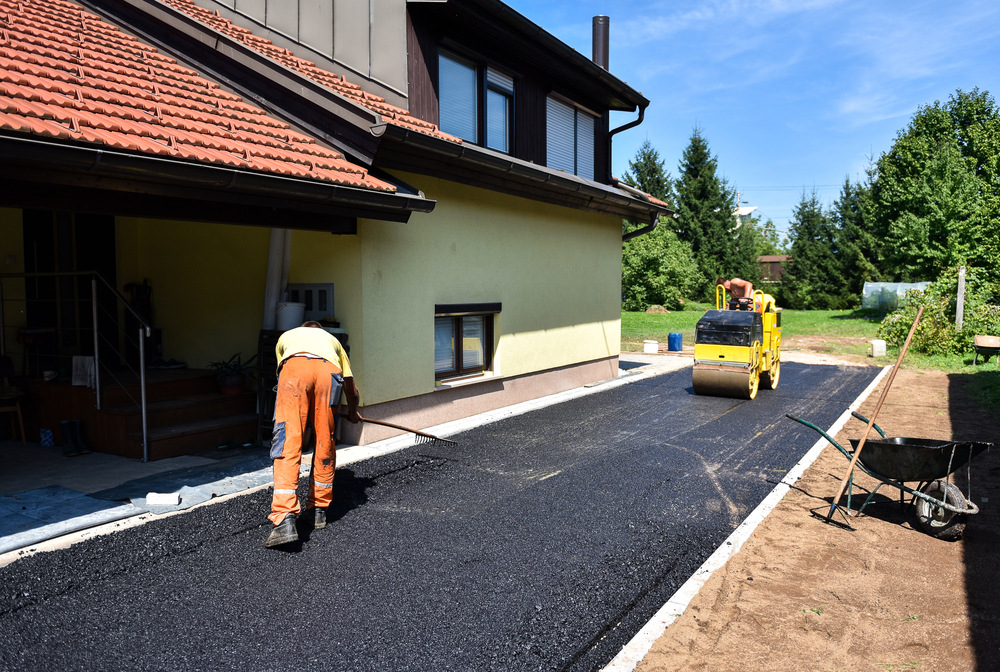
First, we assess your property. We look at drainage patterns, measure the area, check the existing base if you’re replacing an old driveway, and discuss what you need. This isn’t a quick glance—it’s figuring out potential problems before they become expensive ones.
Next comes site preparation. Old asphalt or concrete gets removed if necessary. The base gets graded properly so water flows away from your home instead of pooling on your driveway. This step determines whether your driveway lasts three years or thirty. Proper compaction of the base layer matters more than most people realize.
Then the asphalt goes down. The material arrives hot and gets spread evenly across the prepared surface. Thickness matters here—residential driveways typically need 2-3 inches for regular use, more if you’re parking heavier vehicles. The surface gets compacted while the asphalt is still workable, creating a smooth, dense finish.
After installation, you wait. Asphalt needs 24-48 hours to cool and harden properly before you drive on it. Rush this and you’ll create permanent impressions in your new driveway. After that, you’ve got a functional surface ready for daily use.
Ready to get started?
Professional driveway paving in Pleasant View addresses the specific challenges of this area. You’re getting materials selected for Tennessee’s climate—asphalt that stays flexible through temperature swings rather than becoming brittle and cracking.
Proper grading is part of the job. Pleasant View properties often have drainage considerations that affect how a driveway should slope. Water needs to flow away from your foundation and garage, not toward them. The grading also prevents pooling that leads to premature deterioration and ice patches in winter.
Base preparation gets handled correctly. This means proper excavation depth, the right base materials, and thorough compaction. Cutting corners here is why some driveways develop depressions and potholes within a few years. The base supports everything above it.
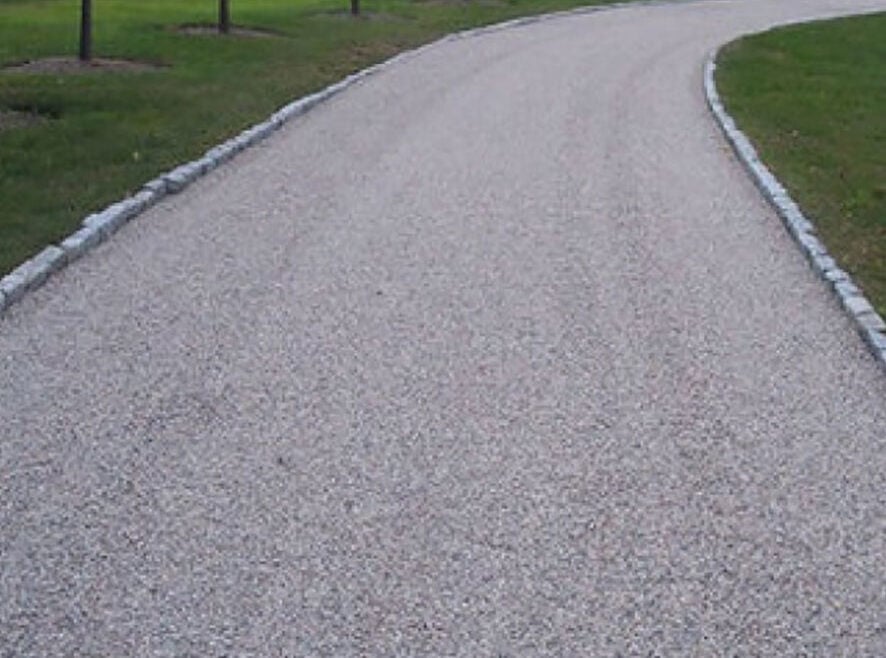
You also get options. Standard asphalt paving works for most residential driveways. Tar and chip offers a more rustic look at a lower cost, popular for longer rural driveways in the Pleasant View area. Resurfacing can extend the life of an existing driveway if the base is still solid. The right choice depends on your specific situation, budget, and how long you plan to stay in the property.
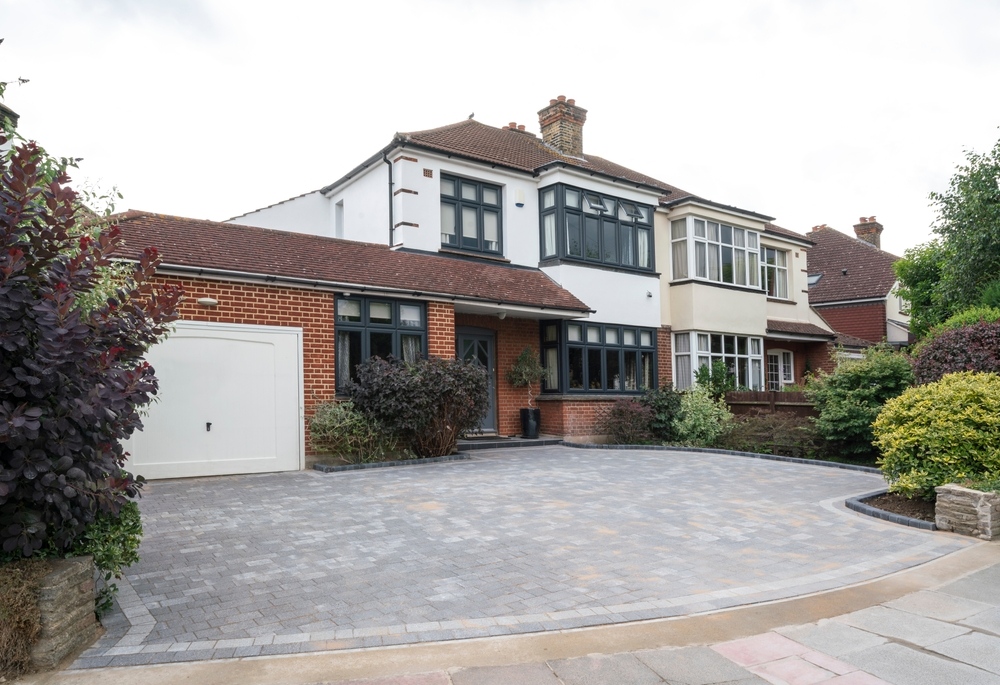
With proper installation and regular maintenance, you’re looking at 20-30 years. That number drops significantly if the base wasn’t prepared correctly or if you skip basic upkeep.
Tennessee’s climate affects this timeline. Hot summers soften asphalt, cold winters cause expansion and contraction, and moisture works its way into any cracks that develop. Sealcoating every 2-3 years adds a protective layer that blocks water and UV damage. Filling small cracks before they spread prevents minor issues from becoming major problems.
The installation quality matters most. A driveway with proper base preparation, adequate thickness, and correct drainage will outlast a cheaper installation by decades. You’re not just paying for asphalt—you’re paying for the expertise that determines whether that asphalt is still functional in 25 years.
Asphalt driveway installation typically runs $7-$13 per square foot in the Nashville area, including materials and labor. A standard two-car driveway of about 600 square feet would cost roughly $4,200-$7,800 depending on site conditions and project complexity.
Several factors affect the final number. If your property needs significant grading work, add $5-$10 per square foot. Removing old concrete or asphalt adds to the cost. Poor drainage requiring additional base work increases the price. Thicker asphalt for heavy vehicles costs more but lasts longer.
Tar and chip paving costs about 30-50% less than standard asphalt if you want a more economical option for a longer driveway. Resurfacing an existing driveway in decent condition costs less than complete replacement. The right choice depends on your current driveway’s condition and your budget.
Tennessee’s climate is tough on asphalt. Summer temperatures can reach the 90s, which softens asphalt and makes it vulnerable to rutting under heavy vehicles. Winter brings freezing temperatures that cause the material to contract. This constant expansion and contraction creates stress that leads to cracking if the asphalt wasn’t installed correctly.
Water is the bigger problem. Pleasant View gets significant rainfall, and water that seeps into cracks can freeze in winter, expanding and widening those cracks. Poor drainage means water sits on the surface longer, accelerating deterioration. This is why proper grading during installation matters—water needs to run off quickly rather than pooling.
UV exposure from Tennessee’s sunny climate breaks down the binder in asphalt over time, causing the surface to become brittle and fade. Regular sealcoating protects against this. Choosing the right asphalt mix for local conditions also helps—some formulations handle heat better, others are more flexible for freeze-thaw cycles.
Asphalt handles Tennessee’s temperature swings better than concrete in most cases. The material is more flexible, so it accommodates expansion and contraction without cracking as readily. Asphalt’s dark color also helps melt snow and ice faster during winter weather.
Concrete offers a longer lifespan and lighter color that stays cooler in summer heat. It requires less maintenance than asphalt but costs more upfront—typically 50-100% more than asphalt installation. Concrete also takes longer to cure before you can use it.
For Pleasant View’s climate, asphalt is usually the practical choice. It costs less, installs faster, and performs well if properly maintained. Concrete makes sense if you want the longest possible lifespan and don’t mind the higher initial cost. Both materials work—it comes down to budget, aesthetic preference, and how long you plan to stay in the property.
Wait 24-48 hours minimum before driving on new asphalt. The material needs time to cool and harden properly. Driving on it too soon creates permanent tire impressions and ruts that won’t go away.
Temperature affects this timeline. In hot weather, give it the full 48 hours or longer. The asphalt stays softer in heat and takes more time to fully cure. In cooler weather, 24 hours might be sufficient, but 48 is safer.
Even after the initial curing period, the asphalt continues hardening for several months. Avoid parking heavy vehicles in the same spot repeatedly during the first few weeks. Turn your steering wheel gently rather than cranking it while stationary—this can scuff the surface before it’s fully cured. After a few months, your driveway can handle normal use without special precautions.
Sealcoating every 2-3 years is the most important maintenance step. This adds a protective layer that blocks water penetration, resists UV damage, and prevents oil and gas spills from breaking down the asphalt. The first sealcoat should happen 6-12 months after installation to let the asphalt cure fully.
Fill cracks as soon as they appear. Small cracks turn into big problems fast, especially with Tennessee’s freeze-thaw cycles. Water gets in, freezes, expands, and widens the crack. Catch them early and they’re cheap to fix. Wait too long and you’re looking at more extensive repairs.
Keep the surface clean. Sweep off debris regularly and remove oil stains promptly. Make sure drainage stays clear so water doesn’t pool on the surface. Avoid using metal shovels or sharp objects that can gouge the asphalt. These simple steps help your driveway reach its full lifespan without major repairs.
Other Services we provide in Pleasant View