

Hear from Our Customers
Tennessee throws everything at your asphalt. Freezing winters crack weak surfaces. Summer heat softens poor-quality materials. Rain finds every drainage mistake.
When your driveway or parking lot is done right, you stop worrying about it. No more puddles after every storm. No more cracks spreading across the surface. No more potholes that damage vehicles or create liability issues.
Proper asphalt work starts below the surface. The base needs correct grading so water moves away from your property instead of pooling on it. The asphalt itself needs to be thick enough and flexible enough to expand and contract with temperature changes without cracking. That’s what holds up for 20 to 30 years instead of needing repairs every few seasons.
Tristar Paving LLC has been serving Wilson County and the Nashville area for over 50 years. We’re veteran-owned, which means our work ethic isn’t just talk. It’s built into how we operate.
We handle both residential driveways and commercial parking lots. That versatility matters because it means we’ve seen every type of paving challenge Pleasant View properties present. From small residential driveways to large commercial lots, our approach stays consistent: proper preparation, quality materials, and installation that lasts.
Being local to Wilson County means we understand what Pleasant View properties need. We know the soil conditions. We know how water moves across properties in this area. We know which materials and techniques actually hold up in this climate.

The process starts with an assessment of your property. We measure the area, check the existing surface if there is one, and identify any drainage issues that need addressing. You get a clear estimate before any work begins.
Next comes site preparation. If you have an old driveway, it gets removed. The ground gets graded properly so water drains away from buildings and doesn’t pool on the surface. This step determines whether your asphalt lasts 5 years or 25 years.
Then we install a compacted base layer. This provides stability and prevents settling that causes cracks and uneven surfaces. The asphalt goes on top in the right thickness for your specific use, whether that’s a residential driveway or a commercial parking lot that handles heavy traffic.
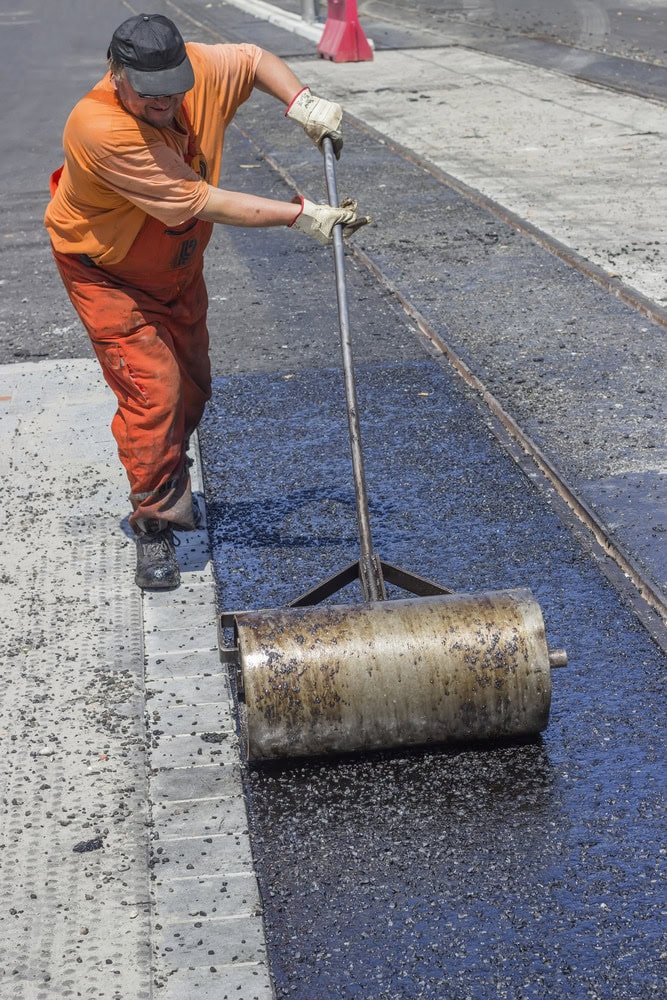
The final step is compaction and finishing. The asphalt gets rolled while it’s still hot to create a smooth, dense surface. Then it needs 24 to 48 hours to cure before you can drive on it. After that, you have a surface that’s ready to handle whatever you throw at it.

Ready to get started?
Professional asphalt paving covers more than just pouring material and smoothing it out. You get proper site evaluation to identify drainage issues before they become problems. The work includes removing old surfaces if needed, grading to the correct slope, and installing a stable base.
The asphalt itself gets installed at the right thickness for your needs. Residential driveways typically need 3 to 4 inches. Commercial parking lots might need more depending on the traffic they’ll handle. The material is hot-mix asphalt, which is more durable than cold-mix and holds up better in Tennessee’s climate.
In Pleasant View and the surrounding Nashville area, proper drainage isn’t optional. Properties here deal with significant rainfall, and water is asphalt’s biggest enemy. Professional installation includes grading that moves water away from structures and prevents pooling that accelerates deterioration.
You also get options like tar and chip for rural driveways, sealcoating to extend surface life, and repairs for existing asphalt that’s showing wear but doesn’t need full replacement yet. The goal is matching the right solution to your specific property and budget.

With proper installation and maintenance, an asphalt driveway in Tennessee typically lasts 20 to 30 years. The key factors are the quality of the base preparation, the thickness of the asphalt, and how well you maintain it over time.
Tennessee’s temperature swings are hard on asphalt. When the base isn’t prepared correctly or drainage issues aren’t addressed during installation, you’ll see problems within a few years. Cracks form, water seeps underneath, and the freeze-thaw cycle does its damage.
Maintenance extends that lifespan significantly. Sealcoating every 2 to 3 years protects the surface from UV damage, water penetration, and chemical spills. Filling small cracks before they spread prevents water from getting under the surface and causing bigger problems. Properties that skip maintenance often need major repairs or replacement within 10 to 15 years.
An asphalt overlay means adding a new layer of asphalt on top of your existing driveway. Full replacement means removing the old surface completely and starting from scratch. The right choice depends on the condition of what you have now.
Overlay works when your existing asphalt has minor surface wear but the base underneath is still solid. It costs less because there’s no demolition or disposal of old material. You get a fresh surface in 1 to 2 days without the expense of full replacement. However, if your current driveway has significant cracks, potholes, or drainage problems, an overlay just covers up issues that will resurface quickly.
Full replacement is necessary when the base has failed, when there are widespread cracks throughout the surface, or when drainage problems need correction. It costs more upfront, but you’re getting a properly built driveway that will last decades instead of a temporary fix. For properties with serious drainage issues or structural problems, replacement is the only option that makes financial sense long-term.
Asphalt paving in the Nashville and Pleasant View area typically runs $4 to $6 per square foot for a complete installation with proper base preparation. A standard two-car driveway averages $3,500 to $6,200 depending on size and site conditions.
That price includes removing old surfaces if needed, grading and preparing the base, installing compacted base material, and laying 3 to 4 inches of hot-mix asphalt. If your property has drainage issues that need addressing or if access is difficult, costs go up. Simple, straightforward installations with good access and no major site prep fall on the lower end.
Overlays cost less, typically $2 to $4 per square foot, because they skip the demolition and base work. Tar and chip installations are another budget-friendly option for rural driveways. Commercial parking lots cost more per square foot due to heavier traffic requirements and often need thicker asphalt and more substantial base preparation. Get specific estimates based on your property rather than relying on averages, because every site has different conditions that affect the final cost.
Asphalt cracks for three main reasons: water damage, temperature changes, and poor installation. Water is the biggest culprit. When it seeps into small cracks or through the surface, it weakens the base underneath. Then when temperatures drop below freezing, that water expands and makes cracks worse.
Tennessee’s temperature swings cause asphalt to expand in summer heat and contract in winter cold. Quality asphalt is flexible enough to handle this movement, but cheaper materials or thin applications crack under the stress. Poor base preparation also leads to cracking because the surface doesn’t have stable support underneath.
Prevention starts with proper installation. A well-graded base with good drainage keeps water away from the asphalt. Adequate thickness gives the surface enough flexibility to handle temperature changes. After installation, sealcoating every 2 to 3 years adds a protective layer that keeps water out and slows UV damage. Fill small cracks as soon as you notice them, before water gets underneath and turns a minor issue into a major repair. Properties that follow this maintenance schedule typically go 20-plus years before needing significant work.
Asphalt paving works best in temperatures above 50 degrees Fahrenheit. The material needs heat to stay workable during installation and to compact properly. Cold weather causes asphalt to cool too quickly, making it difficult to achieve proper compaction and a smooth finish.
In Tennessee, you can typically pave from spring through fall without issues. Winter paving is possible on warmer days, but the results aren’t as reliable. The asphalt might look fine initially but develop problems later because it didn’t compact correctly or bond properly to the base.
Spring and early fall are actually ideal seasons for paving. The temperatures are moderate, which gives the asphalt time to compact properly without cooling too fast. Summer works fine too, though extremely hot days can make the material too soft during installation. If you’re planning a paving project, schedule it for April through October for the best results. Emergency repairs can happen year-round, but planned installations should wait for proper weather conditions.
The main differences are thickness, base preparation, and traffic load considerations. Residential driveways typically use 3 to 4 inches of asphalt over a compacted base. Commercial parking lots often need 4 to 6 inches or more because they handle heavier vehicles and more frequent traffic.
Commercial work also requires more attention to drainage because larger paved areas collect more water. Parking lots need proper slope to move water to drainage points, and they often include catch basins or other drainage infrastructure. Line striping, ADA-compliant spaces, and traffic flow patterns are part of commercial projects but not residential ones.
The installation process is similar for both, but commercial projects take longer due to size and complexity. A residential driveway might be done in 1 to 2 days. A commercial parking lot could take a week or more depending on the size. Both need the same quality base preparation and proper compaction to last long-term. The difference is scale and the amount of weight and traffic the surface needs to handle over its lifespan.
Other Services we provide in Pleasant View