Discover why Wilson County businesses trust Tristar Paving for professional parking lot construction, restoration, and maintenance services.
Share:

Professional parking lot paving goes far beyond simply laying down asphalt. It starts with understanding your specific site conditions, traffic patterns, and long-term needs.
The foundation determines everything. Poor base preparation leads to premature cracking, drainage problems, and costly repairs down the road. Professional contractors assess soil composition, plan for proper drainage, and ensure adequate base thickness to handle your expected traffic load.
Quality materials matter too. Not all asphalt mixes are created equal, and what works for residential driveways won’t necessarily perform well under commercial traffic loads and Wilson County’s variable weather conditions.

The most critical phase of any parking lot project happens before the first truck of asphalt arrives. Site preparation and base construction determine whether your lot will last 20 years or start showing problems within the first few seasons.
Proper excavation removes unstable soil and existing materials that could cause settling. In Wilson County, clay soils can be particularly challenging, requiring careful attention to moisture content and compaction techniques. The base layer—typically crushed stone or recycled concrete—must be precisely graded and compacted to create a stable foundation.
Drainage planning during this phase prevents water from undermining your investment. Wilson County’s heavy rainfall makes this especially important. Water that can’t drain properly will find its way into the base layers, causing freeze-thaw damage during winter months and weakening the entire structure.
We also plan for utilities, ADA compliance, and proper slopes during site preparation. Getting these details right from the start saves significant time and money compared to retrofitting later. The extra attention to detail during preparation directly translates to a parking lot that performs better and lasts longer under real-world conditions.
Not all asphalt is the same. Commercial parking lots require specific asphalt mixes designed to handle heavier loads, more frequent traffic, and the temperature extremes common in Middle Tennessee.
The installation process itself requires precision timing and equipment. Hot asphalt must be laid at the correct temperature, compacted properly while still workable, and finished to the right thickness for your traffic load. Too thin, and you’ll see premature wear. Too thick wastes money without providing additional benefits.
Weather conditions during installation matter more than most people realize. Asphalt can’t be properly installed when it’s too cold, too wet, or too windy. We monitor conditions carefully and will delay work rather than compromise quality. This attention to timing protects your investment and ensures proper bonding between layers.
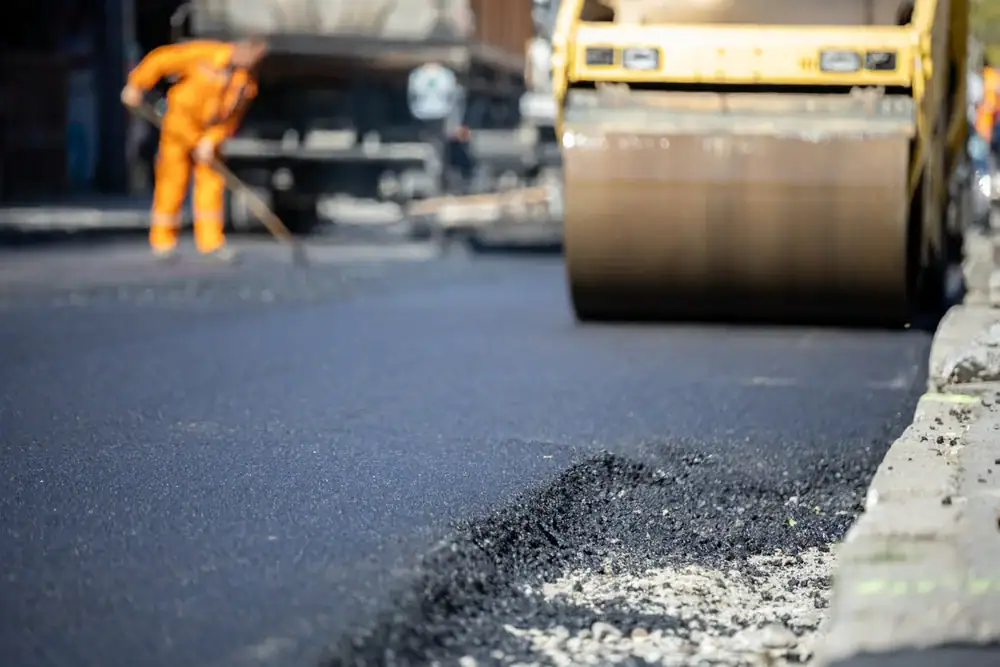
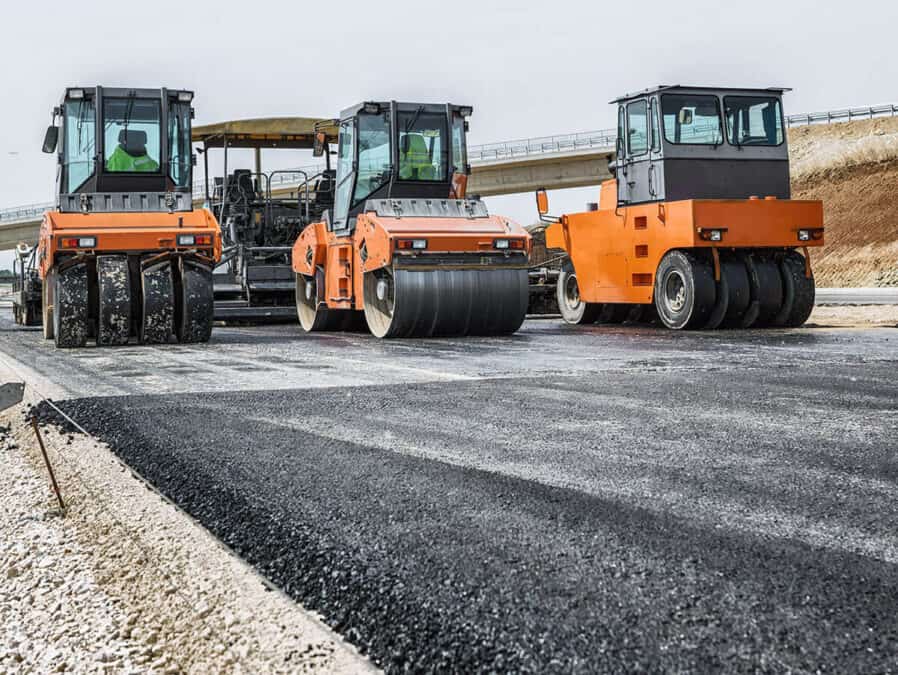
The compaction process requires multiple passes with different types of equipment. Initial breakdown rolling, intermediate compaction, and final finish rolling each serve specific purposes in creating a smooth, dense surface that will resist cracking and water intrusion. Proper compaction also ensures the surface will hold up under the stress of turning vehicles and heavy loads.
Want live answers?
Connect with a Tristar Paving expert for fast, friendly support.
Even the best-installed parking lot requires ongoing maintenance to reach its full lifespan potential. Understanding what maintenance involves helps you budget appropriately and avoid costly emergency repairs.
Sealcoating represents your first line of defense against weather, UV damage, and chemical spills. Applied every 2-4 years depending on traffic levels, sealcoating restores the surface appearance while providing a protective barrier against water intrusion and oxidation.
Crack sealing addresses minor issues before they become major problems. Small cracks that develop from normal settling or temperature changes can be sealed quickly and inexpensively, preventing water from reaching the base layers where it can cause significant damage.

The most cost-effective approach to parking lot care focuses on prevention rather than reaction. Regular inspections help identify small problems while they’re still manageable, and a planned maintenance schedule keeps your lot looking professional year-round.
Seasonal maintenance timing matters in Wilson County’s climate. Spring inspections after freeze-thaw cycles can catch cracks before they worsen during summer heat. Fall preparation helps your lot weather winter conditions more effectively. Even simple tasks like keeping drains clear and removing debris can prevent more serious issues.
Professional maintenance programs take the guesswork out of timing and help you budget for ongoing care. Rather than facing unexpected major repairs, you can plan maintenance activities during slower business periods and spread costs over time. This approach typically extends pavement life significantly while maintaining a professional appearance.
Many businesses find that consistent maintenance actually improves their property value and customer perception. A well-maintained parking lot signals attention to detail and professional management, while a neglected lot suggests the opposite regardless of what happens inside your business.
Understanding common parking lot problems helps you recognize when professional attention is needed. Catching issues early almost always costs less than waiting until they become emergencies.
Drainage problems show up as standing water, ice formation, or erosion around the lot edges. These issues can undermine the base layer and cause expensive structural damage if not addressed promptly. Solutions might involve adjusting grades, installing additional drainage, or repairing damaged areas.
Traffic pattern wear appears as rutting in driving lanes or areas where vehicles turn frequently. This type of damage indicates either inadequate initial thickness or heavier traffic than originally planned. Targeted repairs or overlay work can address these issues without full replacement.
Chemical damage from oil spills, gasoline, or deicing materials shows up as soft spots or discoloration. Quick cleanup limits damage, but affected areas may need patching or sealing to prevent further deterioration. Some businesses find that regular cleaning and prompt spill response prevent most chemical damage issues.
Your contractor choice determines whether your parking lot project succeeds or creates ongoing problems. The lowest bid rarely represents the best value when you factor in long-term performance and potential issues.
Experience with commercial projects and local conditions matters significantly. Wilson County’s soil types, drainage patterns, and weather conditions require specific knowledge that comes from years of local work. Contractors who understand these factors can anticipate problems and plan accordingly.
For businesses in Wilson County looking for parking lot paving that combines professional expertise with genuine understanding of local conditions, we bring over 50 years of experience to every project. Our veteran-owned approach focuses on getting the job done right the first time, protecting your investment for years to come.
Article details:
Share:
Continue learning: