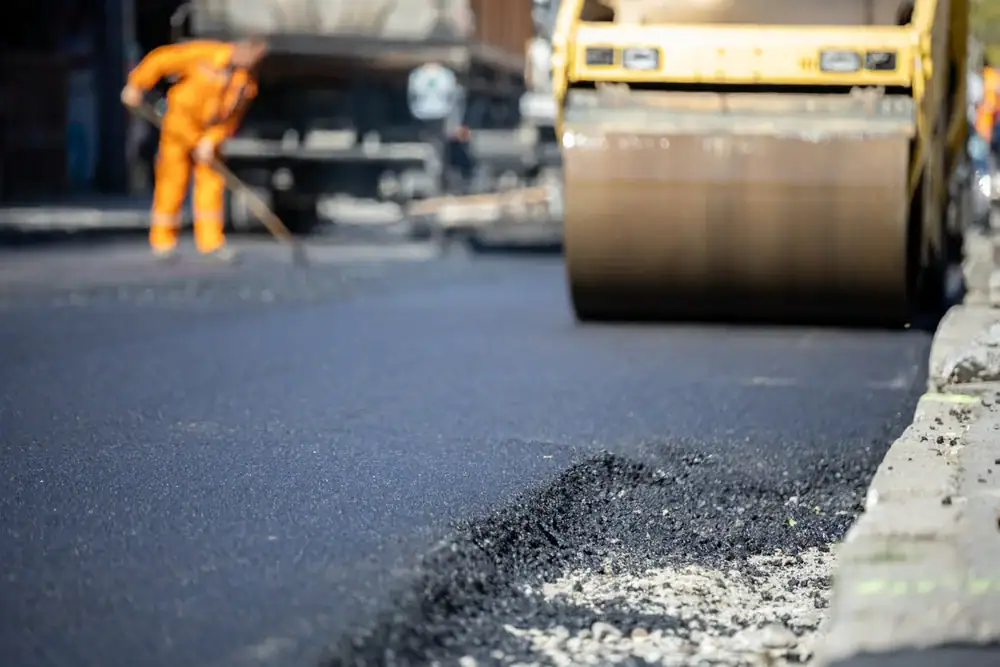
Quality commercial paving does more than fix cracks—it protects your investment, increases property value, and creates the kind of first impression that keeps customers and tenants coming back.
Share:

The connection between commercial paving and property value isn’t subtle. Studies show that well-maintained parking lots with clean striping can command 5-10% higher valuations than properties with neglected pavement. For a commercial property valued at $2 million, that’s a $100,000 to $200,000 difference—just from addressing the asphalt.
In Nashville’s rapidly appreciating market, where commercial real estate values continue climbing, that gap matters even more. Property managers and investors look at curb appeal, maintenance history, and long-term capital needs when evaluating acquisitions. A property with fresh asphalt, clear markings, and proper drainage signals lower risk and higher returns.
The ROI isn’t theoretical. Premium asphalt paving services can save property owners over $30,000 in maintenance and repair costs over five years compared to properties with subpar pavement. That’s money that stays in your pocket instead of going toward emergency repairs, liability claims, or tenant concessions because your lot looks like a liability.

When appraisers evaluate commercial property in Wilson County or Davidson County, they’re not just checking boxes. They’re assessing risk. A parking lot full of potholes, faded lines, and standing water tells them one thing: deferred maintenance. And deferred maintenance translates to lower valuations and higher projected capital expenditures for potential buyers.
Appraisers specifically look at pavement condition, drainage functionality, ADA compliance, and striping visibility. These aren’t cosmetic details—they’re indicators of how well the property has been managed and what kind of investment a new owner will need to make immediately. Properties that require significant paving work right after purchase lose negotiating power fast.
In Middle Tennessee, where heavy rainfall and freeze-thaw cycles accelerate pavement deterioration, appraisers pay even closer attention to asphalt infrastructure. They know that a lot showing early signs of failure will need expensive intervention within 1-2 years. That projected cost gets baked into the valuation, lowering what buyers are willing to pay.
Professional commercial paving eliminates that discount. When your parking lot is smooth, properly graded for drainage, and clearly marked, appraisers see a property that’s been maintained—not one that’s been neglected. That perception directly impacts the final number on the appraisal report.
It’s also worth noting that commercial lenders care about this too. Properties with obvious deferred maintenance, including failing parking lots, can face stricter loan terms or even denial of financing. Buyers need lenders to close deals, and lenders want to see properties that won’t immediately require major capital outlays. Quality paving keeps your property bankable.
Here’s something most property owners underestimate: people make judgments about your business or property within seven seconds of arrival. Seven seconds. And what’s the first thing they see? Your parking lot.
A study in North Carolina found that 70% of first-time sales are based on curb appeal alone. That’s not about the building, the signage, or the interior—it’s about what people see when they pull in. Cracked asphalt, faded lines, and potholes send a message: this place doesn’t care. And if you don’t care about the parking lot, why would a tenant or customer trust you to care about anything else?
For commercial property, this has real financial consequences. Prospective tenants compare options. If your building sits next to a competitor’s property with a pristine parking lot and clear traffic flow, guess which one wins the lease? Tenants know their customers will judge them based on where they’re located. A rundown parking lot doesn’t just reflect on you—it reflects on their business too.
Business curb appeal isn’t a soft metric. It’s a revenue driver. Retail centers with well-maintained parking see higher foot traffic. Office complexes with professional-looking lots attract higher-quality tenants willing to pay premium rents. Industrial facilities with smooth, durable paving reduce vehicle damage and insurance claims, which matters to logistics companies evaluating where to lease space.
And here’s the part most people miss: curb appeal compounds over time. A property that looks well-maintained attracts tenants who also maintain their spaces. A property that looks neglected attracts tenants who are okay with neglect. That cycle either builds value or erodes it, and it starts with the pavement.
This is especially true in Nashville’s competitive commercial real estate market, where vacancy rates fluctuate and tenant expectations are rising. Properties that invest in their exteriors—starting with commercial paving—fill faster, retain tenants longer, and command higher rents. Properties that don’t? They sit vacant longer, negotiate from weakness, and lose value every year they defer the work.
Want live answers?
Connect with a Tristar Paving expert for fast, friendly support.
Let’s talk about the math. Properly installed asphalt can last 15 to 20 years—sometimes longer with the right maintenance. But here’s the catch: most parking lots don’t make it that long because property owners skip the maintenance that protects the investment.
Asphalt maintenance isn’t a cost—it’s insurance. Sealcoating every 2-4 years, crack sealing when damage appears, and timely patching can extend your pavement’s lifespan by up to 100%. That means you’re not repaving every decade. You’re getting 20-30 years out of the same surface, which dramatically improves your property ROI.
In Nashville and Wilson County, where weather accelerates pavement breakdown, proactive maintenance is even more critical. Freeze-thaw cycles widen cracks. Heavy rain infiltrates weak spots and damages the base. UV exposure dries out the asphalt binder, making it brittle. All of this happens faster here than in more temperate climates, which is why waiting to address problems costs more in Middle Tennessee than almost anywhere else.
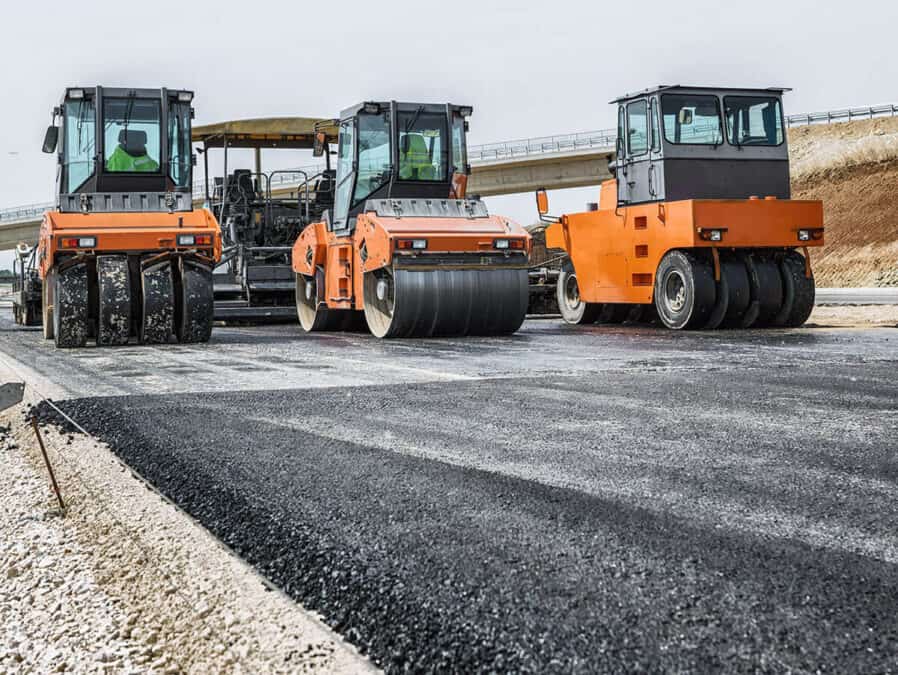
Preventative maintenance works because it addresses small problems before they become expensive ones. A crack that costs $50 to seal today becomes a pothole that costs $500 to patch next year—and a $5,000 section replacement the year after that. The progression is predictable, and so is the cost escalation.
Sealcoating is one of the most cost-effective maintenance strategies available. It applies a protective layer that shields asphalt from water intrusion, oxidation, and chemical damage from vehicle fluids. It also restores that dark, professional finish that makes parking lots look new again. For commercial properties in Davidson County trying to maintain curb appeal without full repaving, sealcoating delivers visible results at a fraction of the cost.
Crack sealing is equally important, especially in areas with high traffic or poor drainage. Cracks allow water to penetrate the pavement structure, and in Tennessee’s climate, that water freezes and expands during winter, widening the crack significantly. Left untreated, those cracks become potholes, which create liability risks, damage vehicles, and require emergency repairs that disrupt business operations.
Property managers who budget for annual or biennial maintenance avoid the cycle of crisis spending. Instead of scrambling to patch potholes or shut down sections of the lot for emergency repairs, they follow a planned maintenance schedule that keeps the pavement functional, safe, and professional-looking year-round. That consistency protects property value and eliminates the surprise capital expenditures that hurt cash flow.
There’s also a compounding effect. Properties with well-maintained paving infrastructure attract tenants who value quality and are willing to pay for it. Those tenants tend to stay longer, reducing turnover costs and stabilizing income. Meanwhile, properties with deferred maintenance attract tenants looking for the cheapest option—and those tenants leave the moment they find something better.
The financial impact extends beyond rent rolls too. Insurance premiums, liability claims, and legal exposure all decrease when parking lots are safe and well-maintained. One slip-and-fall lawsuit or vehicle damage claim can cost more than years of proactive maintenance. Smart property owners understand that asphalt maintenance isn’t optional—it’s risk management.
Middle Tennessee’s climate is uniquely hard on asphalt. Hot summers soften the binder, making it susceptible to rutting and deformation under heavy loads. Cold winters bring freeze-thaw cycles that expand trapped moisture and crack the pavement. And the region’s heavy rainfall—especially during spring and fall—accelerates water damage when drainage isn’t properly designed.
This isn’t a problem you can ignore your way out of. In Nashville, Wilson County, and Davidson County, asphalt deteriorates faster than in drier or more temperate climates. What might take five years to fail in Arizona takes two years here. That’s why commercial paving in Middle Tennessee requires thicker asphalt sections, better base preparation, and more frequent maintenance than you’d see in other parts of the country.
We understand local conditions and design systems that account for these stresses. That means proper grading for drainage, reinforced base layers to handle soil movement, and asphalt mixes formulated to withstand temperature swings. It also means planning for maintenance intervals that match the local climate, not national averages that don’t apply here.
Property owners who try to cut corners—using thinner asphalt, skipping base prep, or hiring the cheapest bidder—pay for it within a few years. The pavement fails prematurely, requiring expensive repairs or full replacement far sooner than expected. And because the underlying issues weren’t addressed, the new pavement fails just as quickly, creating a cycle of wasted money and frustration.
Investing in quality paving infrastructure upfront costs more initially, but it pays back through extended lifespan, reduced maintenance, and higher property values. In a market like Nashville, where commercial real estate values are climbing and competition for tenants is fierce, that difference matters. Properties with durable, well-maintained paving infrastructure hold value better, attract better tenants, and sell for higher prices when the time comes.
The bottom line: Middle Tennessee’s weather isn’t getting easier on asphalt. Property owners who recognize that reality and invest accordingly protect their investments. Those who don’t? They’re the ones scrambling every few years to patch failing pavement while watching their property values stagnate.
Commercial paving isn’t just about fixing what’s broken. It’s about protecting what you’ve built, increasing what your property is worth, and creating the kind of environment that tenants and customers actually want to be in.
The properties that hold value in Nashville’s competitive market are the ones where owners invest proactively—not reactively. They understand that a well-maintained parking lot isn’t a luxury. It’s a competitive advantage that shows up in higher rents, lower vacancy rates, and stronger appraisals when it’s time to sell or refinance.
If your property is showing signs of pavement wear—cracks, fading, drainage issues, or just an overall tired appearance—now is the time to address it. Waiting doesn’t save money. It costs more. And in a market where first impressions determine whether tenants and customers choose you or your competitor, you can’t afford to let your parking lot tell the wrong story.
We’ve been helping commercial property owners in Wilson County, Davidson County, and Nashville protect their investments for over 50 years. From full parking lot installations to ongoing asphalt maintenance, we understand what it takes to deliver paving infrastructure that lasts, looks professional, and adds real value to your property.
Article details:
Share:
Continue learning: