Not sure which driveway material is right for your home? Learn why asphalt continues to outperform concrete and other options for Tennessee homeowners.
Share:
The first question most homeowners ask is simple: what’s this going to cost? The answer matters because you’re not just paying once—you’re committing to maintenance, repairs, and eventually replacement.
Asphalt typically runs between $3 and $7 per square foot installed in the Nashville area. For a standard 600-square-foot driveway, you’re looking at $3,600 to $5,400. Concrete costs more upfront—usually $6 to $15 per square foot, putting that same driveway at $3,600 to $9,000 or higher with decorative finishes.
That’s not the whole story, though. The real cost difference shows up over time, in how each material handles Tennessee’s weather and what you’ll spend keeping it functional.

Lifespan matters because it determines your actual cost per year. Asphalt driveways last 15 to 30 years when properly maintained. That range is wide because installation quality and maintenance make a massive difference. A well-installed asphalt driveway with regular sealcoating can push past 30 years. A poorly installed one might start failing at 10.
Concrete driveways can last 30 to 50 years, sometimes longer. On paper, that sounds like the clear winner. But here’s the catch: when concrete fails, it fails hard. Cracks are expensive to repair, and matching the color and finish of existing concrete is nearly impossible. You often end up replacing sections or the entire driveway.
Asphalt fails more gracefully. Small cracks can be filled easily. Worn surfaces can be resurfaced with an overlay at a fraction of replacement cost. The flexibility of asphalt means it moves with temperature changes instead of cracking under pressure.
For Wilson County and Davidson County homeowners, this flexibility is critical. Tennessee sees hot summers that can reach the 90s and cold winters that dip below freezing. That freeze-thaw cycle is brutal on rigid materials like concrete. Water seeps into tiny cracks, freezes, expands, and turns small problems into big ones. Asphalt’s flexibility lets it handle these temperature swings without the same level of damage.
The maintenance requirements are different too. Asphalt needs sealcoating every three to five years to protect against UV rays, water penetration, and oxidation. That costs around $0.15 to $0.25 per square foot—call it $90 to $150 for a 600-square-foot driveway. It’s not free, but it’s manageable and extends your driveway’s life significantly.
Concrete requires less frequent maintenance, but when it needs repair, you’re calling in specialists. Crack repair, joint sealing, and resurfacing are more complex and costly. A single crack repair can run several hundred dollars depending on severity. And if your concrete driveway was stained or stamped for aesthetics, repairs become even more complicated and expensive.
So yes, concrete lasts longer on paper. But asphalt’s easier maintenance, simpler repairs, and better performance in freeze-thaw conditions often make it the smarter long-term investment for Tennessee homeowners. You’re not just buying years—you’re buying manageable upkeep and affordable fixes when problems arise.
Climate isn’t just a minor consideration—it’s the deciding factor for how your driveway performs over its lifetime. Tennessee’s weather is unpredictable. You’ll see 95-degree summer days followed by winter mornings in the teens. Rain is frequent, humidity is high, and that freeze-thaw cycle we mentioned? It happens repeatedly throughout winter.
Asphalt was designed for this. The material is flexible, which means it expands and contracts with temperature changes without cracking. When water seeps into the surface and freezes, asphalt can accommodate that expansion. Concrete can’t. It’s rigid, and when water freezes inside it, the expansion creates internal pressure that leads to cracking and spalling (when the surface starts flaking off).
Here’s another advantage most people don’t think about: asphalt’s dark color is functional, not just aesthetic. That black surface absorbs sunlight and heat, which means snow and ice melt faster on asphalt than on light-colored concrete. For Nashville area homeowners who deal with occasional winter weather, this means less shoveling, less salt, and safer conditions faster.
The heat absorption does have a downside in summer—asphalt can get hot to the touch on extreme days. But for most homeowners, this is a minor inconvenience compared to the year-round benefits of better freeze-thaw performance and faster snow melt.
Concrete performs better in consistently hot, dry climates where freeze-thaw isn’t an issue. Its light color reflects heat instead of absorbing it, keeping the surface cooler. But in Tennessee, where you’re dealing with temperature extremes and moisture, concrete’s rigidity becomes a liability. You’ll see more cracking, more repair needs, and more frustration.
The installation timing matters too. Asphalt can be installed quickly and is ready to drive on within 24 to 48 hours. Full curing takes about 30 days, but you can use it immediately with reasonable care. Concrete requires a full seven days before you can drive on it, and rushing that timeline compromises the entire installation. For busy families who can’t afford to have their driveway out of commission for a week, asphalt’s faster turnaround is a practical advantage.
Water drainage is another consideration. Both materials need proper grading and drainage systems, but asphalt is more forgiving. Porous asphalt options are available that allow water to drain through the surface, reducing runoff and pooling. Concrete requires more precise drainage planning because standing water accelerates deterioration.
Bottom line: if you live in Wilson County, Davidson County, or anywhere in the Nashville area, asphalt’s flexibility and climate performance make it the more reliable choice. Concrete might work in Arizona or Southern California, but Tennessee’s weather favors materials that can roll with the punches.
Want live answers?
Connect with a Tristar Paving expert for fast, friendly support.
The material cost is just the starting point. Your final bill depends on factors that have nothing to do with whether you choose asphalt or concrete. Understanding these variables helps you budget accurately and avoid surprise costs.
Site preparation is often the biggest hidden expense. If your existing driveway needs removal, that’s extra. Excavation and grading to ensure proper drainage add more. Poor soil conditions might require additional base material or stabilization. A simple overlay on existing asphalt is far cheaper than a complete tear-out and replacement.
The size and shape of your driveway obviously affect cost—more square footage means more material and labor. But complexity matters too. A straight, rectangular driveway is simpler and cheaper than one with curves, slopes, or multiple sections. If your property has challenging access for equipment, labor costs increase.

Here’s something most homeowners don’t realize until it’s too late: installation quality matters more than the material choice. A poorly installed asphalt driveway will fail faster than a well-installed concrete one, and vice versa. The cheapest quote often becomes the most expensive mistake.
Proper installation starts below the surface. The base is everything. A quality driveway needs 6 to 8 inches of compacted gravel base to provide stable support and proper drainage. Skimping on base preparation is the number one cause of premature driveway failure. You’ll see settling, cracking, and uneven surfaces within a few years if the base isn’t done right.
For asphalt driveways, the thickness of the asphalt layer matters. Residential driveways should have at least 2 to 3 inches of compacted asphalt. Some contractors cut corners by laying it thinner to save on material costs. You’ll pay for that shortcut in repairs and early replacement.
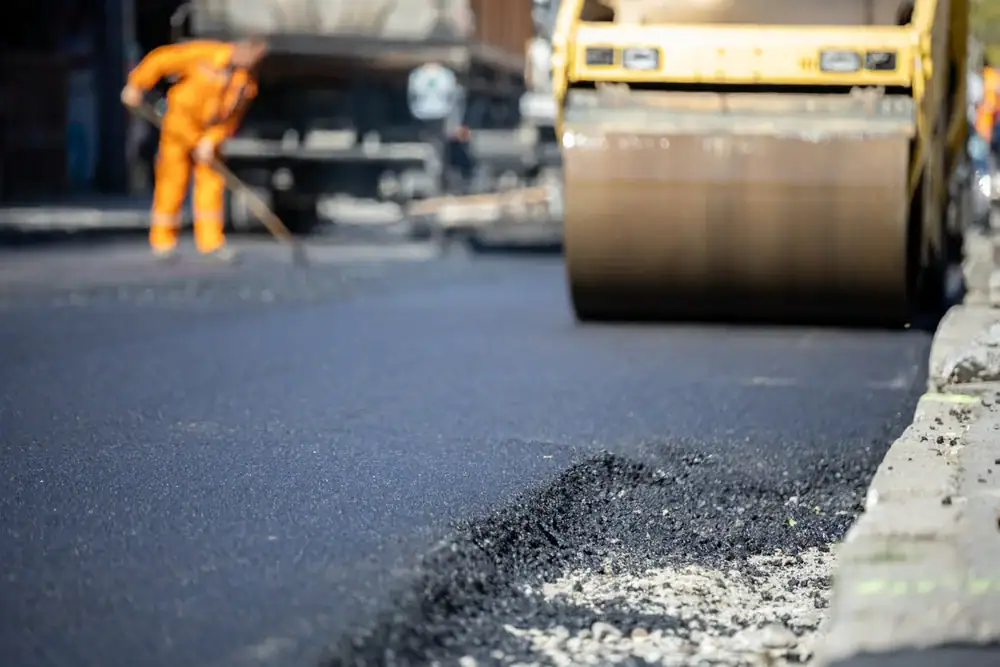
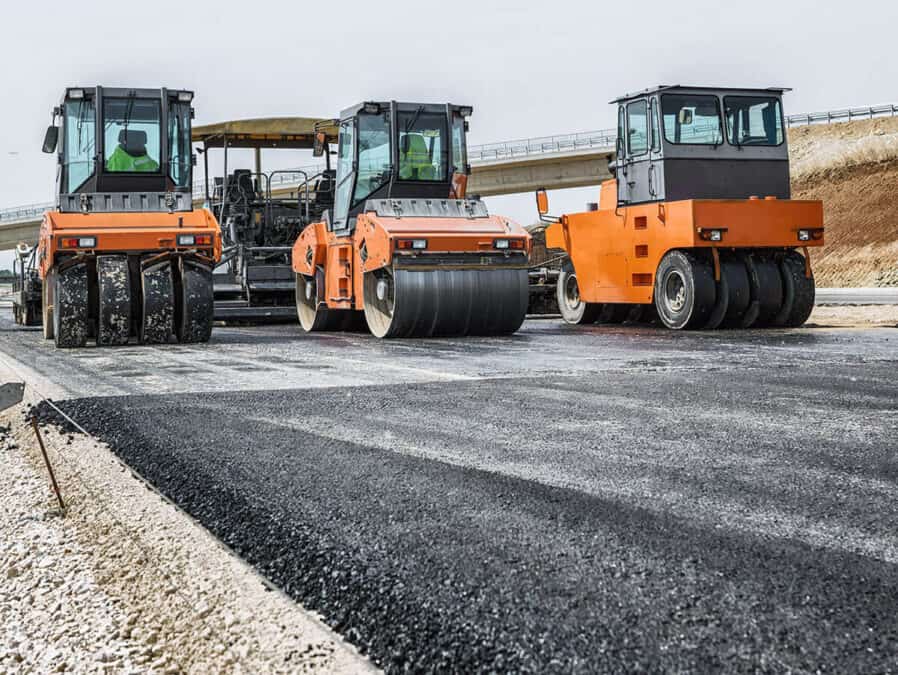
Proper compaction is critical. Asphalt needs to be compacted while it’s still hot to achieve proper density and strength. Rushed jobs or contractors without the right equipment won’t achieve adequate compaction, leaving you with a softer surface that deteriorates faster. You’ll see rutting, cracking, and premature wear.
Drainage design is non-negotiable. Water is the enemy of any driveway. Proper grading ensures water flows away from the surface instead of pooling or seeping underneath. Poor drainage leads to base erosion, frost heaving, and accelerated surface deterioration. A quality contractor evaluates your property’s drainage needs and builds the driveway to handle water properly.
Edge support matters too. Asphalt driveways need stable edges to prevent crumbling and deterioration along the perimeter. This might mean installing edge restraints, proper grading, or connecting to existing surfaces correctly. Neglecting edges leads to crumbling that works its way inward over time.
The timing of installation affects quality. Asphalt should be installed when temperatures are above 50 degrees Fahrenheit and rising. Cold weather installation prevents proper compaction and bonding. Reputable contractors won’t install asphalt in poor conditions, even if it means delaying your project. Contractors who push ahead anyway are prioritizing their schedule over your driveway’s longevity.
This is why choosing an experienced, reputable contractor matters more than chasing the lowest bid. With over 50 years of combined experience, we’ve seen every scenario and know how to handle Tennessee’s specific challenges. We understand local soil conditions, climate factors, and proper installation techniques. That experience translates directly into a driveway that performs well for decades instead of needing repairs within a few years.
Ask potential contractors about their process. How thick will the asphalt be? What base preparation is included? How do they handle drainage? What’s their compaction process? A quality contractor will answer these questions clearly and specifically. Vague answers or reluctance to discuss details are red flags.
You’ve probably heard that a new driveway boosts property value, but is that actually true? The short answer: yes, but the amount varies based on your property, neighborhood, and the driveway’s condition before replacement.
Real estate professionals consistently cite curb appeal as one of the most important factors in attracting buyers and influencing sale prices. Your driveway is literally the first thing people see when they arrive. A cracked, stained, or deteriorating driveway signals neglect and makes buyers wonder what else has been ignored. A smooth, well-maintained driveway suggests a property that’s been cared for.
The value increase is real. Studies and real estate data suggest a new asphalt driveway can add $5,000 to $10,000 in home value, with some sources citing a return on investment of 5% to 10% of the home’s value. For a $300,000 home, that’s $15,000 to $30,000 in added value—far more than the cost of the driveway itself.
But here’s the nuance: you’re not going to recoup 200% of your driveway cost in every situation. If you’re replacing a gravel driveway with asphalt in a neighborhood where everyone has paved driveways, you’re bringing your property up to neighborhood standards. That’s valuable. If you’re replacing a cracked asphalt driveway with fresh asphalt, you’re maintaining value and improving marketability, but the impact is less dramatic.
The biggest value comes from improving curb appeal and removing objections. Buyers shopping in your price range have options. A home with a pristine driveway will sell faster and command a better price than an identical home with a deteriorating driveway. In competitive markets, that driveway might be the difference between multiple offers and sitting on the market for months.
There’s also the practical value. A new driveway means buyers won’t need to budget for that expense in their first few years of ownership. That’s one less negotiating point and one less reason for them to lowball your asking price. When buyers see a new driveway, they see one major expense they don’t have to worry about.
For homeowners not planning to sell immediately, the value is still there. You’re improving your daily experience—no more dodging potholes or dealing with crumbling edges. You’re preventing more expensive problems like water damage to your foundation from poor driveway drainage. And you’re maintaining your property’s value instead of letting it deteriorate.
The type of driveway matters for resale. In most Nashville area neighborhoods, asphalt or concrete are the expected standards. Gravel might work for rural properties, but it won’t appeal to most buyers in suburban settings. Pavers can add a high-end look but come with a price tag that might not make sense unless you’re in a luxury market.
Match your driveway to your neighborhood. If you’re in a middle-income area where most homes have standard asphalt driveways, that’s what buyers will expect. Going with expensive pavers won’t necessarily increase your value proportionally—you might be over-improving for the market. Conversely, if you’re in an upscale neighborhood where decorative driveways are common, a basic asphalt driveway might hold you back.
The bottom line: a new driveway is one of the few home improvements that genuinely pays for itself in increased value while also improving your quality of life. It’s not just about the money—it’s about pride of ownership, curb appeal, and making your home the one buyers want.
You’ve got the information now. Asphalt costs less upfront, handles Tennessee’s climate better, is easier to maintain and repair, and offers a solid return on investment. Concrete lasts longer on paper but comes with higher costs and more complicated repairs. Pavers look great but rarely make financial sense unless you’re in a luxury market.
For most Wilson County, Davidson County, and Nashville area homeowners, asphalt is the smart choice. It balances cost, performance, and longevity in a way that makes sense for real people with real budgets. You’re not sacrificing quality—you’re choosing the material that’s actually designed for your climate and needs.
The next step is finding a contractor who’ll do it right. Look for experience, ask about their process, and don’t make decisions based solely on price. A quality installation from a reputable company will serve you well for decades. A cheap job from a fly-by-night operator will cost you far more in the long run.
Article details:
Share:
Continue learning: