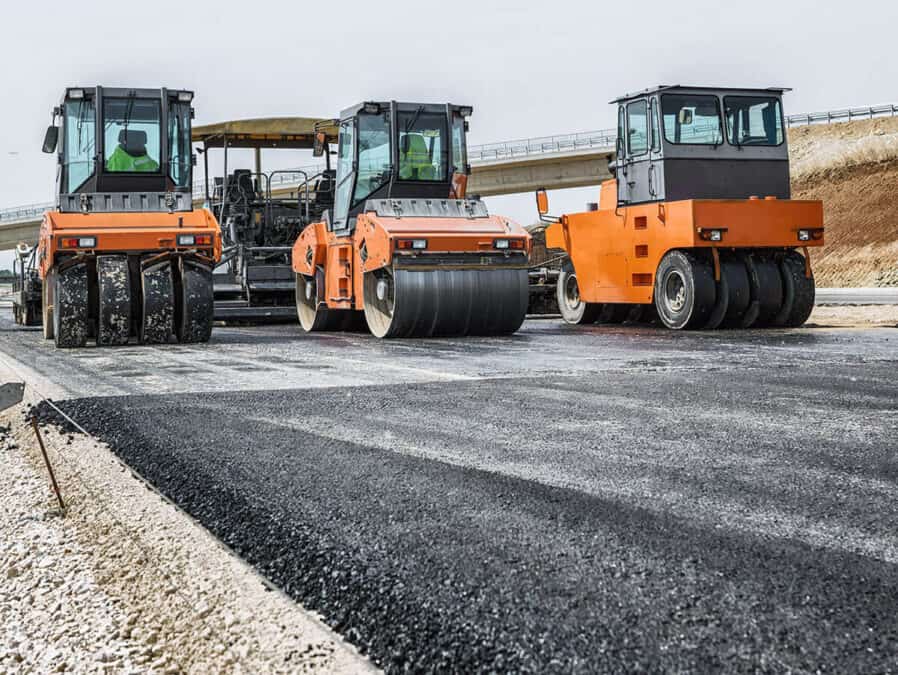
Everything Wilson County homeowners need to know about driveway paving, from material selection to contractor choice.
Share:
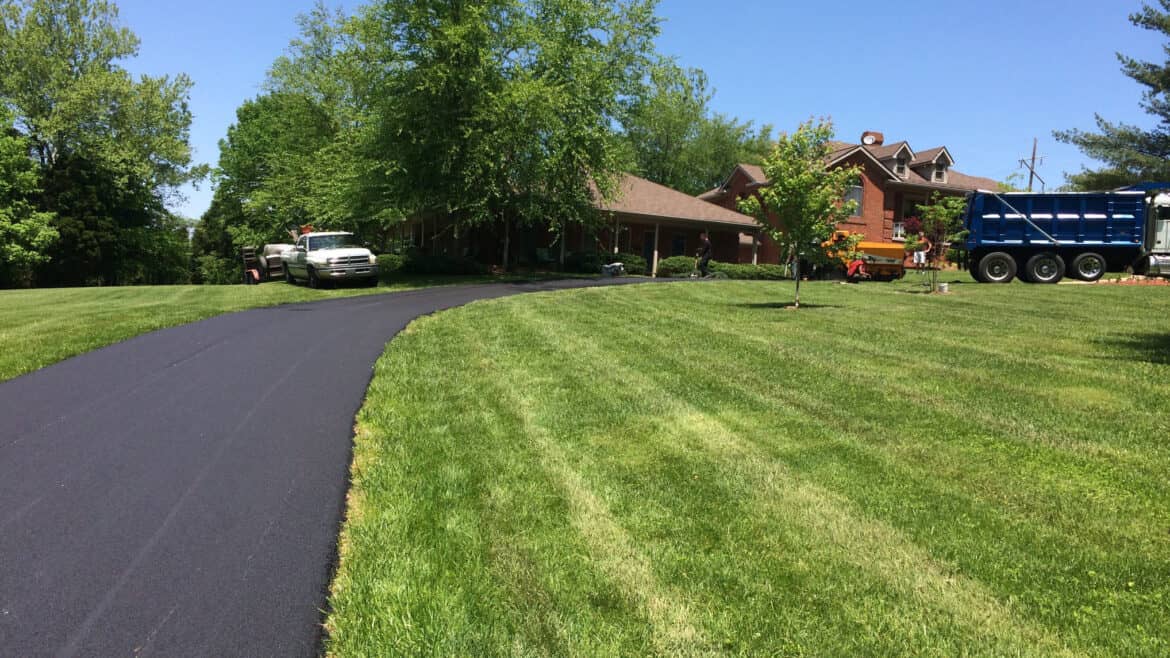
Wilson County’s climate creates unique challenges that directly impact your driveway choice. Our hot, humid summers can reach into the 90s, while winter brings freeze-thaw cycles that exploit any weakness in your pavement. Add in Middle Tennessee’s heavy rainfall and clay-rich soils that expand and contract with moisture changes, and you need materials that can handle these conditions.
The two main options—asphalt and concrete—each have distinct advantages in our climate. Asphalt’s flexibility makes it better suited for temperature fluctuations, while concrete offers longer-term durability but requires more careful installation. Your choice depends on your budget, aesthetic preferences, and how long you plan to stay in your home.

Asphalt performs exceptionally well in Wilson County’s climate for several practical reasons. The material’s flexibility allows it to expand and contract with temperature changes without cracking, which is crucial during our unpredictable spring and fall weather when temperatures can swing 40 degrees in a single day.
During Tennessee’s hot summers, asphalt’s dark color actually works in your favor. While it absorbs heat, this same property helps snow and ice melt faster during winter weather events. The material remains pliable enough to handle the ground movement common with our clay soils, unlike rigid materials that crack under stress.
Installation timing matters significantly with asphalt. The ideal window runs from late spring through early fall when temperatures consistently stay above 50°F. This allows proper compaction and curing, ensuring your driveway bonds correctly to the base material. Professional contractors understand these timing requirements and plan accordingly.
Maintenance requirements are straightforward but important. Sealcoating every 2-3 years protects against UV damage and water intrusion, while prompt crack filling prevents small issues from becoming major problems during freeze-thaw cycles. With proper care, asphalt driveways in Wilson County typically last 20-30 years.
The cost advantage is significant too. Asphalt installation costs roughly 30-40% less than concrete initially, and repairs are simpler and more affordable when needed. For many homeowners, this combination of performance, durability, and cost-effectiveness makes asphalt the practical choice for our local conditions.
Concrete driveways offer distinct advantages that make them worth considering, especially for homeowners planning to stay long-term. The material’s light color reflects heat rather than absorbing it, keeping surface temperatures more comfortable during Tennessee’s sweltering summers. This makes concrete particularly appealing if you have children who play in the driveway or pets sensitive to hot surfaces.
Durability is concrete’s strongest selling point. Properly installed concrete driveways can last 30-40 years with minimal maintenance, significantly longer than asphalt. The material resists oil stains better and maintains its appearance with simple cleaning. For homes in Wilson County’s higher-end neighborhoods, concrete’s clean, finished appearance often complements architectural styles better than asphalt.
However, concrete requires more careful consideration of local conditions. Middle Tennessee’s clay soils and moisture fluctuations can cause concrete to crack if the base isn’t properly prepared. Professional installation becomes even more critical, as concrete repairs are more complex and expensive than asphalt fixes.
The upfront investment is substantial—typically 40-60% higher than asphalt—but the longer lifespan can justify the cost over time. Decorative options like stamped patterns or colored concrete can further enhance curb appeal, though these additions increase costs significantly.
Climate considerations are important with concrete. While the material handles heat well, it’s more susceptible to damage from freeze-thaw cycles if water penetrates the surface. Proper sealing and drainage become crucial for long-term performance in Wilson County’s variable weather patterns.
Want live answers?
Connect with a Tristar Paving expert for fast, friendly support.
Wilson County presents specific challenges that affect driveway construction and longevity. Our clay-rich soils, common throughout Middle Tennessee, expand significantly when wet and contract during dry periods. This constant movement can crack rigid surfaces or cause settling in poorly prepared bases.
Local drainage patterns also play a crucial role. Wilson County receives approximately 47 inches of rainfall annually, with intense spring and summer storms that can overwhelm inadequate drainage systems. Poor drainage doesn’t just create puddles—it can undermine your driveway’s foundation and direct water toward your home’s foundation, creating expensive problems.
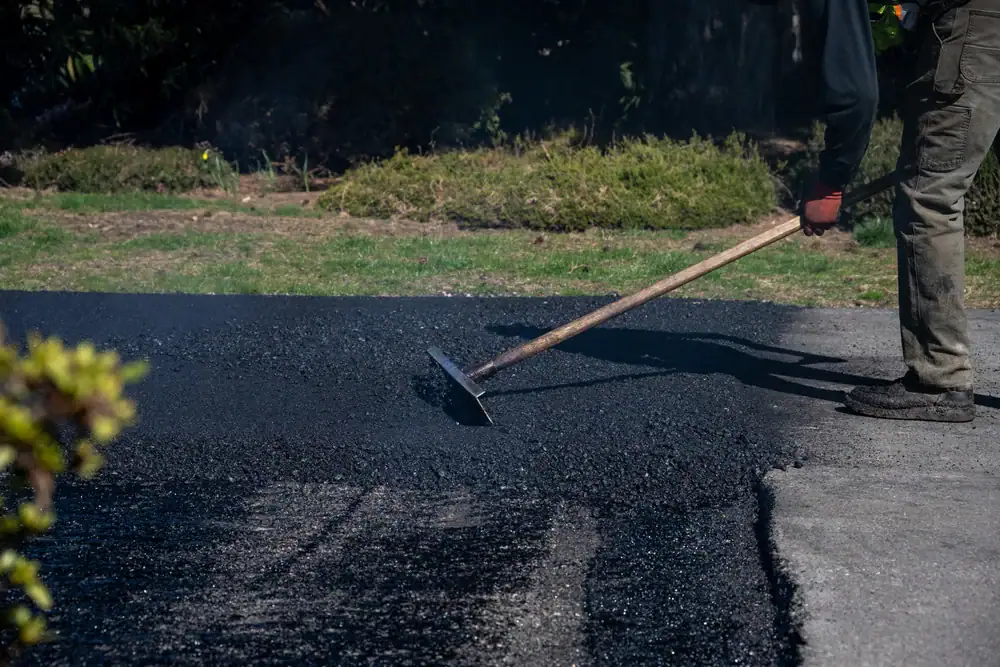
Wilson County’s predominant clay soils require specific preparation techniques that many contractors overlook or underestimate. Clay’s high plasticity means it can shift dramatically with moisture changes, potentially causing your driveway to crack, settle, or develop low spots that collect water.
Professional base preparation starts with proper excavation depth—typically 8-12 inches depending on soil conditions and expected traffic loads. The existing clay must be properly compacted and graded to prevent future settling. Many experienced contractors recommend installing a geotextile fabric barrier to prevent soil mixing with the aggregate base material.
The aggregate base layer, usually crushed stone or gravel, must be carefully selected for local conditions. The material needs adequate drainage properties while providing stable support. Proper compaction of this base layer is critical—inadequate compaction leads to premature failure regardless of the surface material quality.
Drainage considerations become paramount with clay soils. Without proper slope and drainage design, water can collect under your driveway, creating hydrostatic pressure that pushes up against the surface. This pressure can cause cracking, heaving, or complete failure of the pavement structure.
Professional contractors understand these local soil challenges and adjust their preparation methods accordingly. We often recommend additional drainage measures like French drains or modified base materials to ensure long-term performance in Wilson County’s challenging soil conditions.
Wilson County requires permits for most driveway installations, particularly when connecting to county roads or modifying drainage patterns. The permitting process ensures your driveway meets safety standards and doesn’t negatively impact county infrastructure or neighboring properties.
Culvert requirements are often the most complex aspect of driveway permits. If your driveway crosses a drainage ditch or affects water flow, you’ll likely need to install a culvert pipe. Wilson County specifies minimum culvert lengths of 24 feet and requires proper sizing based on drainage calculations. The county’s culvert foreman will assess your specific situation and provide sizing requirements.
Right-of-way regulations also affect driveway placement and design. Your driveway entrance must meet setback requirements and sight distance standards for safety. These regulations vary depending on the road classification and traffic patterns, making professional guidance valuable during the planning phase.
Utility protection requirements are strictly enforced. Before any excavation begins, you must contact Tennessee’s utility location service (811) to mark underground utilities. Damaging utilities during construction can result in significant fines and liability issues, not to mention service disruptions.
Working with experienced local contractors simplifies the permitting process significantly. We understand Wilson County’s specific requirements and can handle permit applications, utility coordination, and inspection scheduling. This expertise prevents costly delays and ensures your project complies with all local regulations from the start.
Your driveway represents a significant investment in your Wilson County property—one that affects your daily life, property value, and long-term maintenance costs. The key to success lies in understanding our local climate challenges, soil conditions, and regulatory requirements while choosing materials and contractors suited to these specific conditions.
Whether you choose asphalt for its flexibility and cost-effectiveness or concrete for its longevity and appearance, proper installation tailored to Wilson County’s unique conditions makes the difference between a driveway that serves you well for decades and one that becomes a constant source of frustration and expense.
Take time to research contractors thoroughly, understand the permitting process, and plan for proper maintenance from day one. When you’re ready to move forward with your driveway paving project, consider working with Tristar Paving LLC —our 50+ years of experience and understanding of Wilson County conditions can help ensure your investment delivers the performance and appearance you expect.
Article details:
Share:
Continue learning: