Confused about whether your driveway needs sealcoating or resurfacing? This guide breaks down the differences, costs, and timing so you can make the right call.
Share:

Your driveway is fading. Maybe there are a few cracks starting to show. You know you need to do something, but every contractor seems to have a different answer. One says sealcoating. Another pushes resurfacing. And you’re left wondering which one actually makes sense for your situation and your budget. The truth is, both sealcoating and resurfacing have their place, but choosing the wrong one can mean wasted money or a short-lived fix. Working with an experienced paving company can help you determine which option is right for your driveway’s condition. This guide breaks down what each option does, when it’s the right call, and how to make a decision that actually protects your investment. Let’s start with what sealcoating really is and when it makes sense.
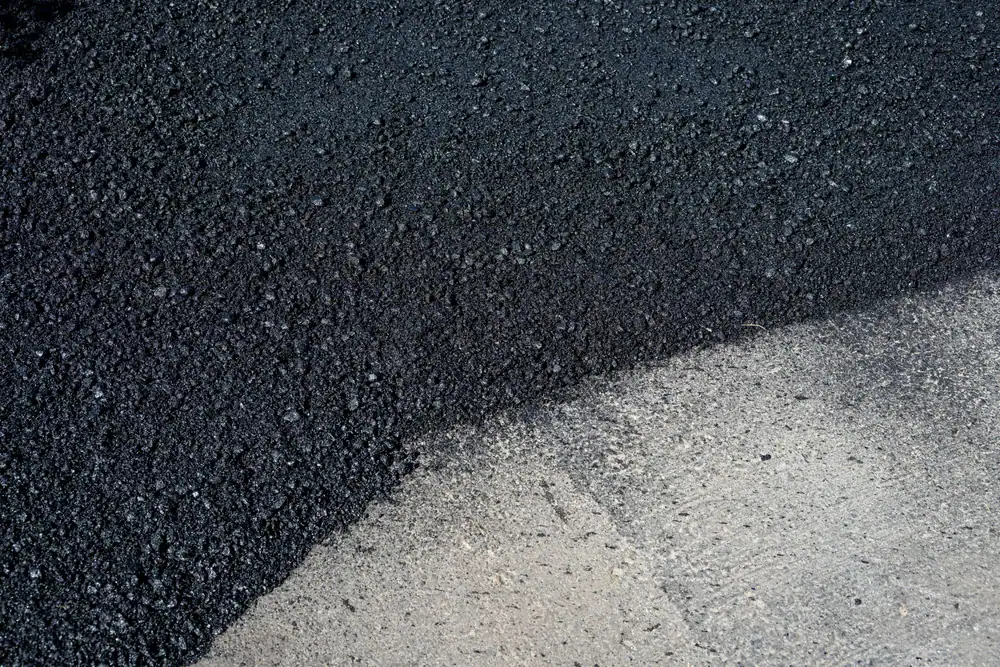
Asphalt sealcoating is a thin, protective layer applied over your existing pavement. Think of it like sunscreen for your driveway. It doesn’t fix damage that’s already there, but it shields the surface from the things that cause damage in the first place—UV rays, water, oil spills, and oxidation.
Sealcoating is a preventive measure. It works best when your asphalt is still in decent shape. If your driveway is fading, showing minor surface wear, or just starting to look tired, sealcoating can bring back that rich black finish and add years to its life. But if you’ve got cracks wider than a quarter-inch or potholes forming, sealcoating alone won’t solve the problem.
The main job of asphalt sealcoating is protection. When asphalt sits exposed to the elements, it starts to break down. The sun’s UV rays cause oxidation, which makes the surface brittle. Water seeps into tiny cracks and weakens the base layers underneath. Oil and gas from vehicles soften the asphalt, creating weak spots that turn into bigger problems.
Sealcoating creates a barrier against all of that. It fills in those hairline cracks before they grow. It keeps water from penetrating the surface. And it slows down oxidation so your pavement stays flexible instead of turning brittle and cracked.
In Nashville, TN, where we deal with heavy spring rains that can dump nearly six inches monthly, humid summers pushing into the high 80s, and freeze-thaw cycles in winter, that protection matters. Water is one of the biggest threats to asphalt longevity. Once it gets below the surface, it can erode the base, cause heaving, and lead to expensive repairs. Sealcoating stops that process before it starts.
You should plan on sealcoating every two to three years if you want to keep your asphalt in good condition. The first application usually happens six months to a year after new asphalt is installed, once the surface has fully cured. After that, regular applications keep the protection layer fresh and effective.
Cost-wise, sealcoating is one of the most affordable maintenance options available. Most paving contractors charge between 15 and 35 cents per square foot, which means a standard 400-square-foot driveway might run you $80 to $140. Compare that to resurfacing at $400 to $1,200 or full replacement at $2,000 to $4,000, and it’s easy to see why sealcoating is a smart move when your pavement is still in decent shape.
The key is timing. Sealcoating works when you’re being proactive. If you wait until the damage is severe, you’ve missed the window where sealcoating would have been enough.
Sealcoating has limits. It’s not a repair solution. If your driveway has structural issues, deep cracks, or sections that are crumbling, sealcoating will just cover up the problem temporarily. You’ll end up with a nice-looking surface for a few months, and then the same issues will come right back through.
Here’s what sealcoating can’t do. It won’t fill potholes. It won’t repair cracks that are already letting water through to the base. It won’t fix drainage problems or uneven sections. And it definitely won’t restore a driveway that’s past its useful life.
If you’re seeing alligator cracking—that web-like pattern of interconnected cracks—that’s a sign the base layer is failing. Sealcoating won’t help. If there are large sections where the asphalt is breaking apart or sinking, that’s a structural issue that needs more than a protective coating.
In Wilson County, TN and Davidson County, TN, where clay-heavy soils can shift with moisture changes, base problems are common. If your driveway was installed without proper drainage or a solid base, you might see these issues sooner than expected. Nashville’s unpredictable weather patterns—from the humid summers that soften asphalt to winter temperature swings that cause freeze-thaw damage—only accelerate the deterioration.
The bottom line is this: sealcoating is preventive maintenance, not a repair. It protects what’s already there. If what’s there is damaged or failing, you need a different approach. That’s where driveway resurfacing comes in.
Want live answers?
Connect with a Tristar Paving expert for fast, friendly support.
Driveway resurfacing, also called an asphalt overlay or pavement overlay, involves adding a new layer of asphalt—usually 1.5 to 2 inches thick—over your existing pavement. It’s more involved than sealcoating, but it’s still less expensive and disruptive than tearing everything out and starting over.
Resurfacing makes sense when your driveway’s foundation is still solid, but the surface layer has taken a beating. Think cracks, minor potholes, fading, or surface deterioration. If the base is intact and less than 30% of the surface is damaged, resurfacing can give you a fresh, smooth surface and extend the life of your driveway by another 8 to 15 years.
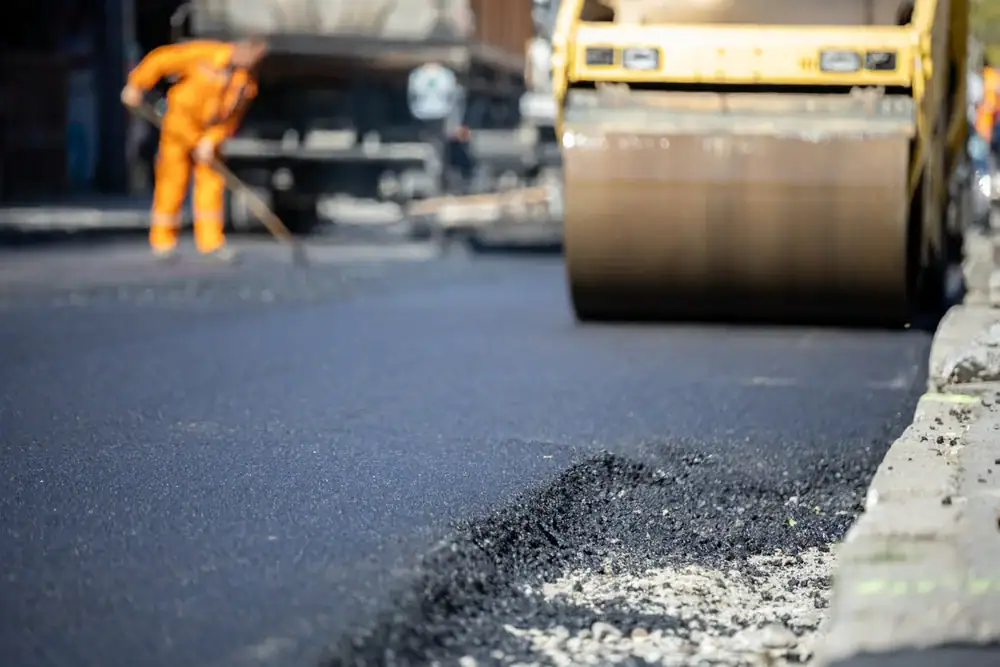
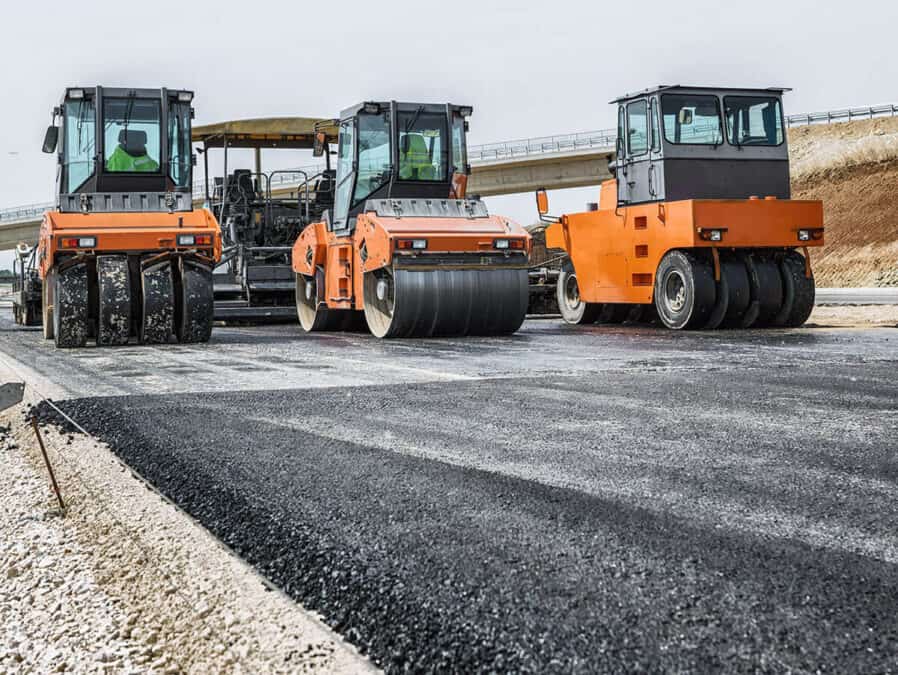
Resurfacing works by addressing surface-level damage while keeping the existing base in place. Before the new layer goes down, asphalt contractors repair any cracks or potholes in the old surface. They might also mill off the top layer if it’s too uneven or if elevation needs to stay consistent with curbs and drainage. Then they lay down fresh hot-mix asphalt, compact it with heavy rollers, and you’re left with a surface that looks and performs like new.
The result is a driveway that can handle Nashville’s weather for years to come. You get a smooth surface, better water runoff, and a fresh protective layer that stands up to temperature fluctuations and heavy rainfall.
One of the biggest advantages of resurfacing is cost. You’re looking at around one to three dollars per square foot, depending on the condition of the existing pavement and any prep work that’s needed. For a standard 400-square-foot driveway, that’s roughly $400 to $1,200. That’s significantly less than full replacement, which can run $2,000 to $4,000 or more for the same area.
Resurfacing also saves time. Most residential driveways can be resurfaced in a day or two. You’ll need to stay off the new surface for 24 to 48 hours while it cures, but after that, you’re back to normal. Compare that to a full replacement, which can take a week or more and involves tearing out the old pavement, regrading, rebuilding the base, and starting from scratch.
For property owners in Wilson County, TN, Davidson County, TN, and Nashville, TN, resurfacing is often the sweet spot between doing too little and spending too much. It addresses real damage, improves function and appearance, and buys you another decade or more of reliable use. But it only works if the foundation is sound.
That’s the critical factor. If your base is failing—if you’re seeing widespread cracking, settling, or drainage issues—resurfacing won’t solve the problem. You’ll just be putting new asphalt over a weak foundation, and the same issues will come back within a year or two. That’s why a proper assessment from an experienced paving company matters.
Not every driveway is a good candidate for resurfacing. The decision comes down to the condition of the base and the extent of the surface damage. If the foundation is solid and the damage is mostly cosmetic or surface-level, resurfacing makes sense. If the base is compromised, you’re better off replacing.
Here’s what to look for. Walk your driveway and check for large sections of alligator cracking. That’s a sign the base is failing. Look for areas where the pavement has sunk or where water pools after it rains. Poor drainage usually means there’s a problem below the surface. Check for deep potholes or sections where the asphalt is completely broken apart.
If you’re seeing any of those issues across more than 30% of the surface, resurfacing probably won’t hold up. You need to address the base before you add a new layer on top.
On the other hand, if your driveway has shallow cracks, minor surface wear, fading, or a few small potholes, resurfacing can work well. The existing base is still doing its job. You just need to refresh the top layer and protect it going forward.
Age is another factor. If your driveway is less than 15 to 20 years old and has been reasonably well maintained, resurfacing is usually a solid option. If it’s older than that, or if it’s never been sealed or maintained, you might be looking at replacement instead. With proper maintenance like regular sealcoating and crack repair, asphalt driveways can last 20 to 30 years.
In Nashville, TN and the surrounding counties, soil conditions play a role too. The clay-heavy soils in Davidson County, TN can shift with moisture changes, which puts stress on pavement. Tennessee’s climate doesn’t help—high temperatures accelerate binder aging and rutting, while heavy precipitation and freeze-thaw cycles weaken the surface. If your driveway was built without proper drainage or a strong base, you might see problems earlier than expected.
We’ll assess the base before recommending resurfacing, and we’ll be honest if replacement makes more sense. We look at the structural integrity, drainage patterns, and extent of damage to give you a realistic picture of what your pavement needs.
The bottom line is this: resurfacing is a great option when the bones are good but the surface needs work. It’s cost-effective, relatively quick, and it extends the life of your pavement without starting from scratch. But it’s not a fix for structural problems. If the foundation is failing, you need to address that first.
Sealcoating and resurfacing both have their place in asphalt maintenance, but they’re not interchangeable. Sealcoating is preventive. It protects a surface that’s still in good shape and keeps small problems from turning into big ones. Resurfacing is corrective. It addresses existing damage and gives you a fresh surface when the base is still solid.
The key is knowing which one your driveway actually needs. If you’re dealing with minor wear, fading, or hairline cracks, sealcoating is the right call. If you’ve got surface damage, shallow cracks, or aging asphalt that’s still structurally sound, resurfacing makes sense. And if the base is failing or the damage is widespread, it’s time to talk about replacement.
At Tristar Paving, we’ve spent over 50 years helping property owners in Wilson County, TN, Davidson County, TN, and Nashville, TN make these decisions. As a veteran-owned paving company serving both residential and commercial clients, we focus on honest advice based on what your pavement actually requires. If you’re not sure which direction to go, reach out to us and let’s take a look together.
Article details:
Share:
Continue learning: