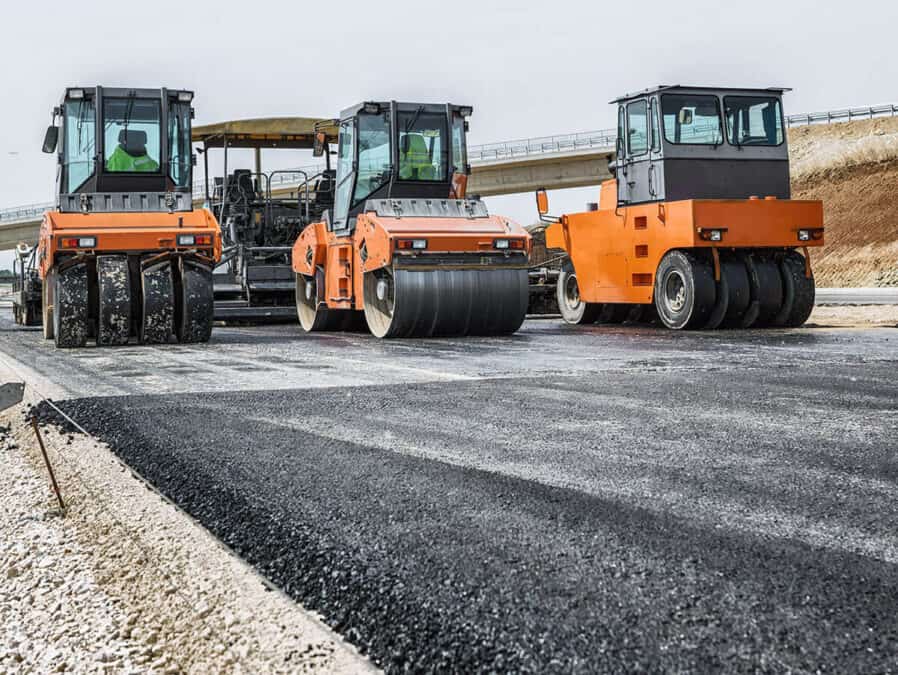
Professional parking lot paving solutions for Watertown businesses, designed for Middle Tennessee conditions and built to last.
Share:

Smart Watertown business owners understand that their parking lot does more than provide customer access – it communicates professionalism and attention to detail. When potential customers pull up to cracked, pothole-riddled asphalt, they form immediate judgments about your business standards.
Professional parking lot paving addresses these concerns while solving practical problems. Properly installed asphalt designed for Wilson County’s clay soil and drainage requirements performs significantly better than quick-fix solutions. You’re not just getting a surface – you’re investing in infrastructure that supports your business operations for decades.
The difference becomes clear when you compare professionally paved lots to DIY or bargain contractor work. Quality installation considers factors like base preparation, proper compaction, and drainage systems that prevent the premature failures common with rushed jobs.
Middle Tennessee’s climate puts unique demands on asphalt surfaces that many contractors don’t fully understand. Our region experiences intense summer heat that can cause rutting and softening, followed by freeze-thaw cycles that expand existing cracks into major problems.
Wilson County’s clay soil presents additional challenges that require specific preparation techniques. Clay expands and contracts with moisture changes, creating movement that can crack improperly installed asphalt. We understand local conditions and prepare bases differently, using proper grading and drainage to manage these soil characteristics.
Rain patterns in our area also demand careful attention to drainage design. Heavy spring and summer storms can overwhelm poorly planned drainage systems, leading to standing water that penetrates asphalt and weakens the base. Water infiltration during winter months then freezes and expands, creating the potholes and cracks that plague many local parking lots.
Temperature swings between seasons stress asphalt materials in ways that require quality installation and appropriate maintenance schedules. Sealcoating every 2-4 years protects against UV damage and water intrusion, but only when applied to properly installed surfaces. The initial installation quality determines whether maintenance extends your lot’s life or simply delays inevitable replacement.
Understanding these local factors helps explain why some parking lots last decades while others need major repairs within just a few years. The difference lies in choosing contractors who design installations for Middle Tennessee’s specific environmental challenges.
Professional parking lot installation goes far beyond simply laying asphalt over existing surfaces. The process begins with thorough site evaluation to understand drainage patterns, soil conditions, and traffic requirements specific to your business needs.
Proper base preparation forms the foundation of long-lasting results. This involves excavating to appropriate depths, installing and compacting gravel bases, and ensuring proper slopes for water management. With our experience in Wilson County conditions, we understand how our clay soil behaves and adjust our preparation techniques accordingly.
ADA compliance represents another critical aspect that we handle systematically. Accessible parking spaces, proper slopes, and compliant pathways aren’t optional – they’re legal requirements that protect your business from liability issues. Our professional installation ensures these standards are met from the beginning rather than requiring costly modifications later.
Traffic flow design optimizes your parking lot’s functionality while enhancing safety. Strategic placement of driving lanes, parking spaces, and pedestrian areas reduces congestion and minimizes accident risks. Clear sight lines and logical traffic patterns make your property more welcoming and easier to navigate.
Quality control throughout the installation process ensures consistent results. Our crews use proper equipment, maintain appropriate temperatures for asphalt application, and follow proven compaction procedures. These details might seem minor, but they determine whether your parking lot performs as expected for its intended lifespan.
The investment in professional installation pays dividends through reduced maintenance costs, enhanced safety, and improved business image. When customers can park easily and walk safely to your entrance, you’ve removed barriers that might otherwise send them to competitors.
Want live answers?
Connect with a Tristar Paving expert for fast, friendly support.
Understanding the construction process helps you plan for minimal business disruption while ensuring quality results. Professional parking lot construction follows systematic steps that can’t be rushed without compromising long-term performance.
The timeline depends on your lot’s size, current condition, and weather cooperation. Most commercial projects require 3-7 business days from start to finish, though larger or more complex installations may take longer. We work efficiently while maintaining quality standards that ensure lasting results.
Communication throughout the process keeps you informed and helps coordinate business operations. We provide realistic timelines, weather contingency plans, and clear expectations about when different areas will be accessible to customers and employees.
Proper site preparation determines your parking lot’s long-term performance more than any other factor. This phase involves careful excavation to remove unsuitable materials, proper grading to establish drainage patterns, and installation of stable base materials.
Wilson County’s clay soil requires specific preparation techniques that inexperienced contractors often overlook. Clay’s expansion and contraction characteristics demand adequate drainage and properly designed base systems. We understand these requirements and adjust our methods accordingly.
Base material selection and installation follow engineering principles rather than cost-cutting shortcuts. The base must support expected traffic loads while providing stable foundation for asphalt layers. Proper compaction ensures the base performs as designed rather than settling unevenly over time.
Drainage system installation happens during base preparation, not as an afterthought. Catch basins, drainage pipes, and proper slopes must be integrated into the base design. Middle Tennessee’s rainfall patterns demand robust drainage that prevents water accumulation and the resulting pavement failures.
Quality control during preparation involves testing compaction levels, verifying grades, and ensuring proper drainage function before asphalt installation begins. These steps might seem excessive, but they prevent the premature failures that plague improperly prepared parking lots.
The preparation phase typically represents 40-60% of total project time, reflecting its importance to long-term performance. Contractors who rush this phase to save time inevitably create problems that become expensive repairs within a few years.
Asphalt installation requires precise timing, proper equipment, and experienced crews who understand material behavior. Hot mix asphalt must be applied at correct temperatures and compacted according to specifications that ensure long-term durability.
Material selection affects performance characteristics like flexibility, durability, and resistance to rutting. Commercial parking lots need asphalt mixes designed for expected traffic loads and local climate conditions. Middle Tennessee’s temperature ranges and precipitation patterns require specific mix designs that perform reliably year-round.
Installation timing depends on weather conditions that affect asphalt workability and curing. We monitor temperatures, humidity, and precipitation forecasts to schedule work when conditions optimize results. Rushing installation during marginal weather conditions compromises quality and shortens pavement life.
Compaction procedures follow engineering standards rather than visual estimates. Proper compaction creates the density necessary for long-term performance while avoiding over-compaction that can cause cracking. Our experienced crews use appropriate equipment and techniques for different asphalt thicknesses and applications.
Quality testing during installation verifies that materials meet specifications and installation procedures achieve designed results. Temperature monitoring, density testing, and visual inspection identify potential issues before they become permanent problems.
Final surface preparation includes installing striping, signage, and accessibility features that complete your parking lot’s functionality. We coordinate these finishing elements to ensure compliance with local regulations and ADA requirements while enhancing your property’s professional appearance.
Your new parking lot represents a significant investment that requires strategic maintenance to achieve its full potential lifespan. Understanding maintenance requirements and timing helps you protect this investment while avoiding unnecessary expenses.
Professional installation creates the foundation for successful maintenance, but ongoing care determines whether your parking lot lasts 15-20 years or requires major repairs much sooner. The maintenance approach should match Wilson County’s specific environmental challenges and your business’s traffic patterns.
Working with experienced local contractors who understand Middle Tennessee conditions ensures your maintenance dollars deliver maximum value. We combine decades of regional experience with proven maintenance strategies that keep Wilson County parking lots performing reliably for years to come.
Article details:
Share:
Continue learning: