Tar and chip paving offers a cost-effective, low-maintenance alternative to asphalt for long driveways. Learn the pros, cons, and what makes it ideal for rural properties.
Share:
You’ve got a long driveway. Maybe it’s gravel right now and you’re tired of the dust, the ruts, and the constant maintenance. Or maybe you priced out traditional asphalt and the number made you wince. Either way, you’ve probably heard about tar and chip paving as a middle-ground solution. But is it actually low-maintenance? Does it hold up? And is it the right call for your property? Let’s cut through the marketing speak and look at what tar and chip really offers for long driveways in rural and suburban areas. You’ll walk away knowing whether this is a smart investment for your situation or if you should be looking elsewhere.
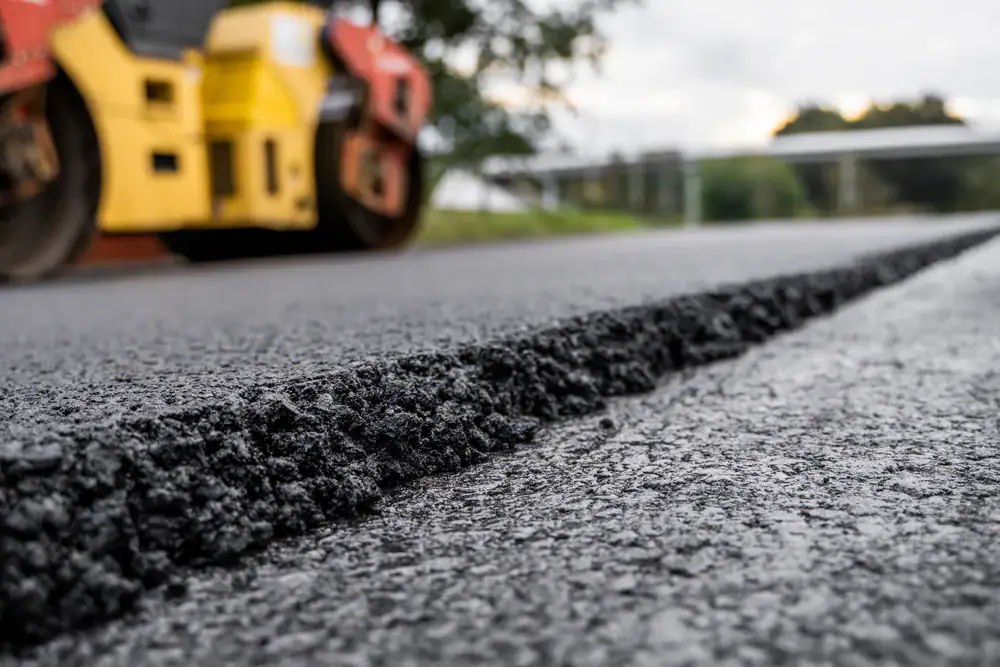
Tar and chip paving, also called chip seal, combines hot liquid asphalt with crushed stone to create a textured, durable surface. It’s not asphalt and it’s not gravel. It’s something in between that’s been used on rural roads and driveways for over a century.
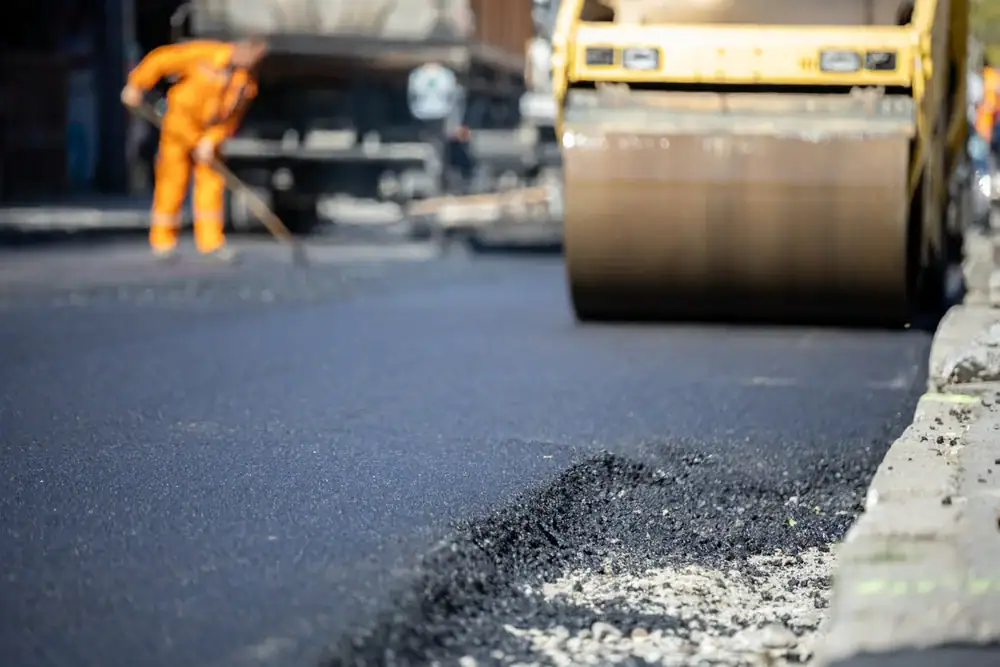
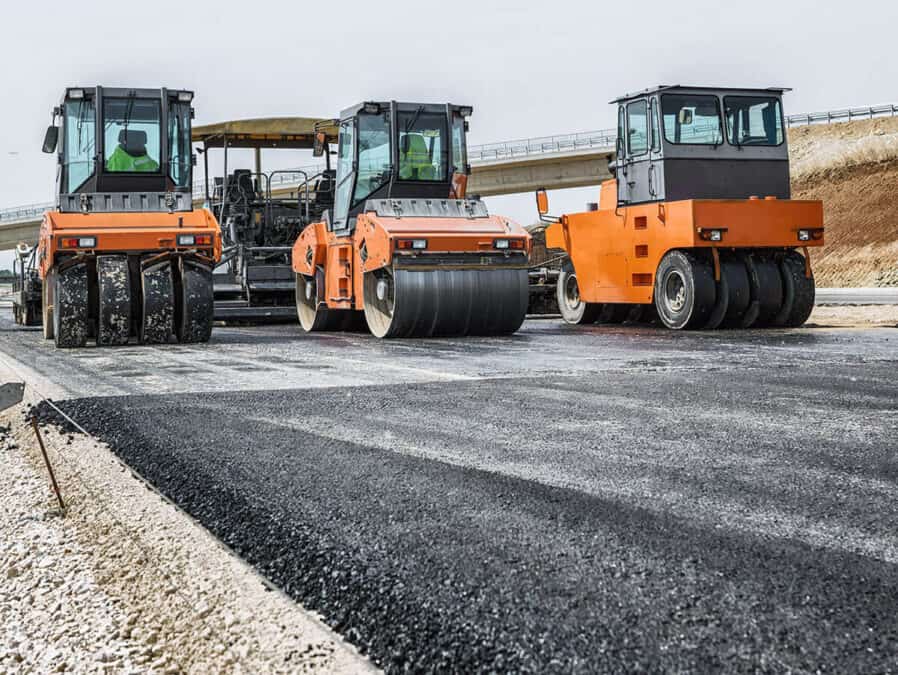
The process starts with preparing your base. If you have existing gravel in decent shape, that can often serve as the foundation. If you’re starting from scratch, we lay down a compacted gravel base. Once that’s ready, we spray a layer of hot liquid asphalt across the surface. While it’s still hot, we spread crushed stone chips over the tar and roll everything with a heavy compactor. The stones embed into the asphalt, locking together to form a textured surface that’s significantly more stable than loose gravel.
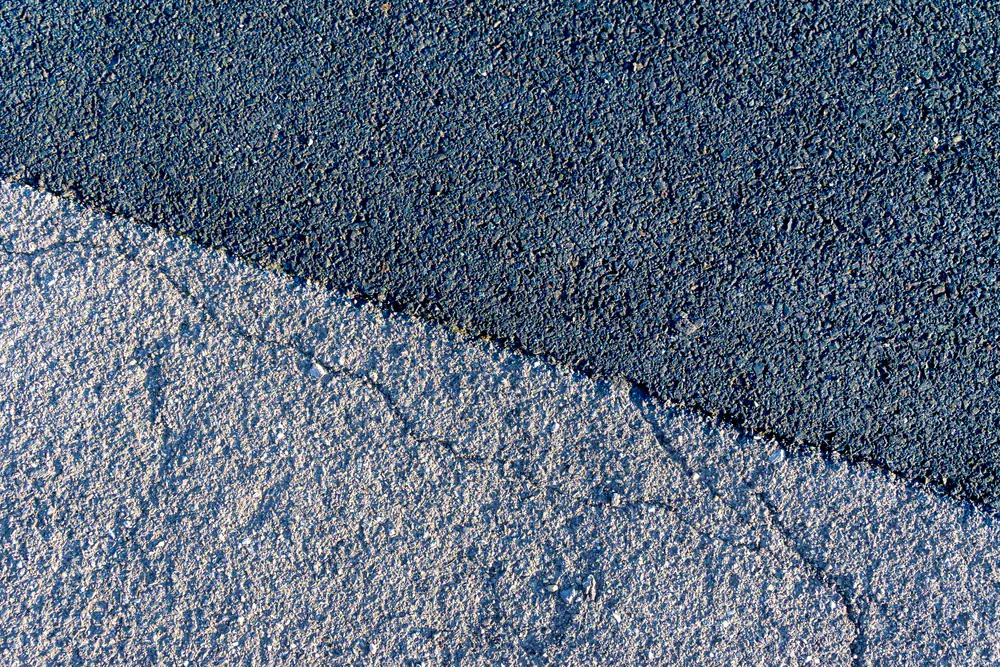
The finished product looks rustic. Think of country roads with that slightly rough, natural stone appearance. You can choose different stone colors to match your property, and the texture provides excellent traction in wet weather. It’s not smooth like traditional asphalt, but that texture is part of what makes it functional.
Let’s talk numbers first because that’s usually what gets people interested in tar and chip. Traditional asphalt runs $7 to $15 per square foot in most areas. Tar and chip typically costs $2 to $5 per square foot. For a 500-foot driveway that’s 12 feet wide, you’re looking at roughly $12,000 to $30,000 for asphalt versus $4,000 to $12,000 for tar and chip. That gap gets your attention.
But cost isn’t the only factor. Asphalt gives you a smooth, dark surface that lasts 15 to 30 years with proper maintenance. The catch? You need to seal coat it every 2 to 3 years, which adds ongoing expense and hassle. Tar and chip lasts 7 to 15 years depending on traffic and maintenance, but it doesn’t require regular seal coating. You’re trading some lifespan for significantly lower upfront cost and less maintenance.
Gravel is cheaper upfront at $1 to $3 per square foot, but anyone who’s lived with a gravel driveway knows the real cost. You’re constantly adding more gravel, filling ruts, dealing with dust, pulling weeds, and watching stones migrate onto your lawn. Gravel also doesn’t give you the firm, stable surface that tar and chip provides. With tar and chip, you eliminate the dust and the loose stones while keeping costs reasonable.
The texture of tar and chip gives you better traction than smooth asphalt, which matters during Tennessee’s rainy seasons or when ice forms. The downside? It’s not as smooth for things like basketball or rollerblading if you have kids who use the driveway for activities. And snow removal requires more care because aggressive plowing can dislodge stones.
Asphalt handles heavy traffic better and provides that smooth finish some people prefer. Tar and chip works best for residential driveways and farm lanes with light to moderate use. If you’re running heavy equipment across your driveway daily, traditional asphalt might be the better long-term choice despite the higher cost.
Here’s where tar and chip earns its low-maintenance reputation, but with some important context. You won’t need to seal coat it like asphalt. That alone saves you the hassle of scheduling contractors every few years and the cost of $0.15 to $0.25 per square foot for seal coating. For a large driveway, that’s real money over time.
What maintenance does tar and chip actually need? In the first few weeks after installation, you’ll notice some loose stones. That’s normal. Sweep them aside or let traffic naturally compact everything. After that initial period, maintenance is minimal. You’ll want to keep the surface clear of debris and maybe hose it down occasionally. If you live in an area with heavy tree coverage, fallen leaves and organic material can accumulate, but a quick sweep handles that.
The textured surface means cracks don’t show as obviously as they do on smooth asphalt. Small imperfections tend to blend into the natural look of the stone. When damage does occur, repairs are straightforward. You can add more tar and stone to problem areas without needing to resurface the entire driveway.
Snow removal deserves special mention because it’s one area where tar and chip requires more care than asphalt. Use a shovel or snowblower instead of aggressive plowing. Metal plow blades can catch the stones and tear up the surface. If you live in an area with heavy snowfall and rely on a plow truck, that’s worth considering before you commit to tar and chip.
Drainage is critical for any driveway, but especially with tar and chip. The porous nature of the surface helps with water flow, but you still need proper grading and drainage design. Standing water will eventually cause problems regardless of what type of paving you choose. Working with contractors who understand Middle Tennessee’s clay soil and drainage challenges will set you up for success.
Over time, you might need to add a second layer or “top coat” of tar and chip to refresh the surface. This typically happens around the 7 to 10 year mark and costs significantly less than a full replacement. Think of it as extending the life of your investment rather than starting over.
Want live answers?
Connect with a Tristar Paving expert for fast, friendly support.
Tar and chip isn’t the right answer for every driveway, so let’s be clear about when it works and when it doesn’t. Long rural driveways are the sweet spot. If you’ve got 200, 300, or 500 feet of driveway to cover, the cost savings compared to asphalt become substantial. That’s where tar and chip really shines.
Properties with existing gravel driveways are ideal candidates. If your gravel base is relatively stable, tar and chip can be applied right over it after proper preparation. You’re essentially upgrading what you already have without the expense of complete excavation and removal. If you’re constantly fighting with your gravel driveway, adding gravel every year, and still dealing with ruts and dust, tar and chip solves those problems permanently.
Moderate traffic situations work best. Your family vehicles, occasional delivery trucks, service vehicles—all fine. If you’re running a business with heavy trucks making multiple trips daily, or if you have construction equipment crossing the driveway regularly, traditional asphalt handles that abuse better. Tar and chip can handle weight, but constant heavy traffic will wear it down faster than it would asphalt.
Tar and chip typically lasts 7 to 10 years with normal use. With light traffic and proper maintenance, some installations push toward 15 years. That’s shorter than asphalt’s 15 to 30 year lifespan, but remember you’re paying 30 to 50 percent less upfront and avoiding the ongoing seal coating costs that asphalt requires.
Several factors affect how long your tar and chip driveway lasts. Installation quality matters more than almost anything else. Proper base preparation, applying the right amount of tar, using appropriate stone size, and compacting everything correctly sets you up for maximum lifespan. Cut corners during installation and you’ll have problems within a few years.
Traffic volume and weight make a difference. Light residential use with a couple of cars coming and going daily? You’ll get the full lifespan or more. Heavy vehicles, frequent traffic, or areas where vehicles turn sharply will wear faster. The good news is tar and chip holds up better than gravel in these situations, even if it doesn’t match asphalt’s durability.
Climate plays a role too. Tennessee’s freeze-thaw cycles can be tough on any paving material. Tar and chip handles these temperature swings reasonably well because the textured surface allows for some expansion and contraction. It’s less prone to the dramatic cracking you sometimes see with concrete in cold climates. Hot Tennessee summers actually help tar and chip because the material has some self-healing properties when temperatures rise.
The base underneath your tar and chip matters as much as the surface. Middle Tennessee’s clay soil doesn’t drain particularly well, which can lead to base erosion if water isn’t managed properly. Experienced contractors will address drainage during the planning phase. Proper grading, adequate base material, and attention to water flow protect your investment.
When tar and chip does wear out, you have options. You can apply a new layer over the existing surface if the base is still solid. This costs less than starting from scratch and can give you another 7 to 10 years. Eventually you might need to remove everything and start fresh, but that’s true of any paving material.
Installation typically takes 1 to 3 days depending on the size of your driveway and site conditions. Day one usually involves site preparation—grading, addressing drainage issues, and getting the base ready. If you’re converting from gravel and the base is in good shape, this goes faster. Starting from scratch with excavation and new base material takes longer.
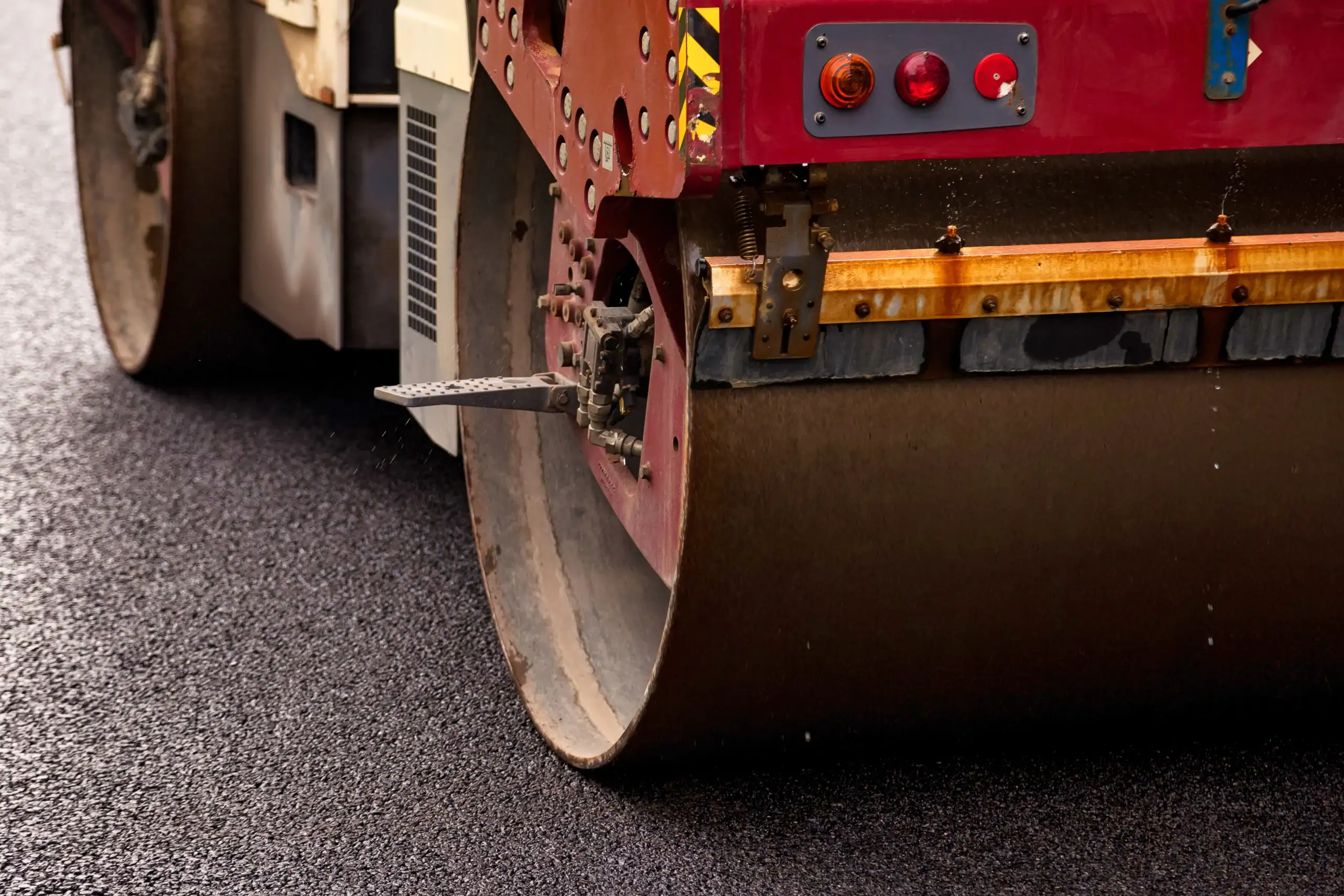
The actual tar and chip application happens quickly once the base is ready. We spray hot liquid asphalt across the surface, then immediately spread crushed stone over it. Timing matters here because the tar needs to be hot enough for the stones to embed properly. We’ll compact everything with a heavy roller to press the stones into the asphalt and create that locked-in surface.
You’ll need to stay off the driveway for 24 to 48 hours after installation. The surface needs time to set and cool. After that initial period, you can drive on it, though we often recommend taking it easy for the first week. Avoid sharp turns and aggressive acceleration until everything has fully cured.
Expect some loose stones for the first few weeks. This is normal and not a sign of poor installation. Traffic will naturally compact the surface and work those loose stones into place. Sweep them to the side or let them settle on their own. By the one-month mark, your driveway should be fully settled and performing as expected.
Weather affects installation timing. We can’t apply tar and chip in rain or when temperatures are too cold. The asphalt needs to stay hot and workable, and moisture interferes with adhesion. Plan for some flexibility in your schedule, especially if you’re installing during spring when Tennessee weather can be unpredictable.
The smell of hot asphalt is noticeable during installation and for a day or two afterward. It fades quickly, but it’s worth mentioning if you’re sensitive to odors. The process also involves heavy equipment, so expect some noise and activity during the installation period.
Stone selection gives you some customization options. Different stone colors create different looks. Gray is standard and blends with most properties. Some people choose brown, tan, or even mixed colors to match their home or landscape. The stone size affects texture too. Smaller stones create a finer surface, while larger aggregate gives you more pronounced texture and potentially better drainage.
Tar and chip paving delivers on its low-maintenance promise for the right situations. Long rural driveways with moderate traffic, properties looking to upgrade from gravel, and homeowners who want a permanent surface without asphalt’s price tag—these are the scenarios where tar and chip makes sense. You get a durable, textured surface that handles Tennessee weather, provides excellent traction, and requires minimal upkeep for 7 to 15 years.
It’s not perfect for every situation. Heavy commercial use, properties that need perfectly smooth surfaces, or locations with aggressive snow plowing requirements might be better served by traditional asphalt despite the higher cost. But for many rural and suburban properties in Wilson County, Davidson County, and throughout the Nashville area, tar and chip offers the right balance of cost, durability, and maintenance.
The key to success is proper installation by contractors who understand the process and local conditions. We bring over 50 years of experience to tar and chip installations throughout Middle Tennessee. If you’re ready to explore whether tar and chip is the right solution for your long driveway, reach out to discuss your specific situation and get a realistic assessment of what to expect.
Article details:
Share:
Continue learning: