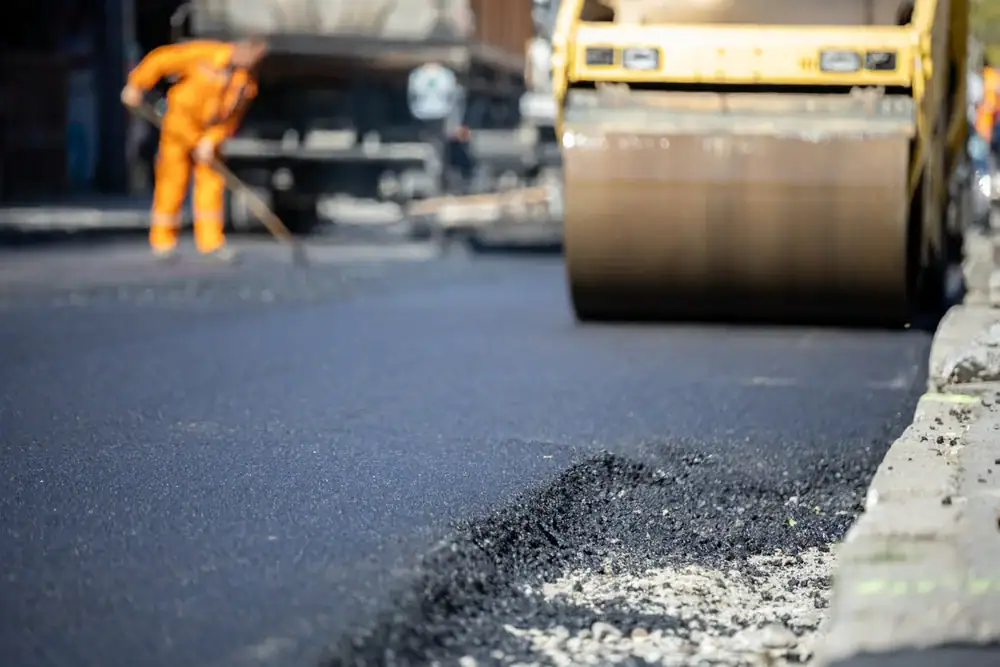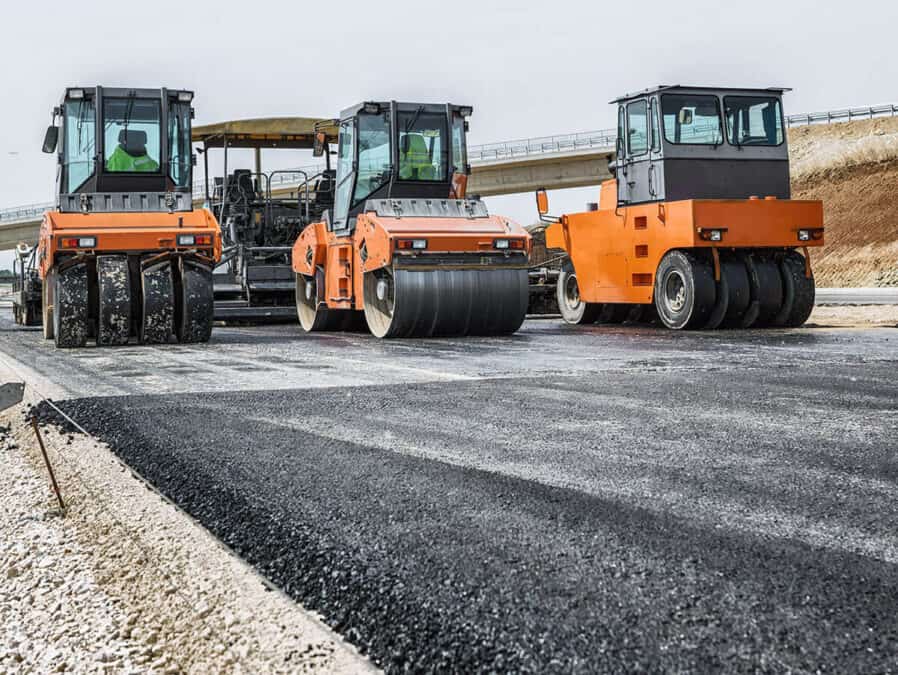
Your parking lot isn't just pavement—it's a liability waiting to happen or an asset protecting your bottom line. Here's how the right commercial paving approach changes everything.
Share:

That pothole in your parking lot isn’t just an eyesore. It’s a lawsuit waiting to happen and a maintenance bill that grows every day you ignore it. If you’re responsible for commercial property in Nashville, Wilson County, or Davidson County, you already know that pavement problems don’t fix themselves—they just get more expensive. Working with professionals who specialize in parking lot paving can help restore damaged surfaces and prevent small issues from turning into costly repairs.
The good news? The right commercial paving strategy doesn’t just patch problems. It prevents them, protects your business from liability, and saves you serious money over time. Let’s talk about how quality paving work shifts your property from a maintenance headache to a financial asset.
Every crack you see today becomes a pothole tomorrow. And every pothole becomes a liability claim or an expensive repair next month.
The numbers tell the story clearly. Trip-and-fall lawsuits from pothole-related injuries average $20,000-30,000 in settlements, and that’s before you factor in legal fees or the time your team spends dealing with claims. Meanwhile, a pothole that costs $150 to repair today could require $1,500 in extensive base repair if you wait just a few weeks. Water seeps in, freeze-thaw cycles do their damage, and suddenly you’re looking at structural issues instead of surface fixes.
Business owners often think they’re saving money by delaying repairs. The opposite is true. Rehabilitation work typically costs 10 times as much as preventative maintenance, and full reconstruction costs even more. For perspective, treating eight miles of existing pavement with preventative maintenance costs the same as replacing just one mile. Your parking lot is either appreciating through smart maintenance or depreciating through neglect—there’s no middle ground here.

Here’s what keeps property managers up at night: you’re liable for what happens on your property, and damaged pavement creates serious legal exposure.
Business owners and property managers are often held liable for parking lot potholes if they fail to maintain safe conditions. Courts expect regular inspections and timely repairs under premises liability law. That means if someone trips on a crack you knew about—or should have known about—you’re on the hook for their injuries.
The legal standard isn’t perfection. It’s reasonable care. But “reasonable” includes actually fixing known hazards within a reasonable timeframe. Document those inspections. Address visible problems promptly. Because the question in court isn’t whether your pavement was perfect—it’s whether you knew about the problem and failed to act.
This liability extends beyond just pedestrians. Vehicles damaged by potholes can also result in claims. According to AAA, roughly 44 million U.S. drivers faced pothole-related repair bills in 2022, averaging $406 per incident. When those potholes are in your parking lot, some of those drivers become your problem.
The liability risk gets worse in Nashville’s climate. Heavy rain creates standing water that hides potholes and creates slip hazards. Humidity accelerates pavement deterioration. You’re not just fighting normal wear and tear—you’re fighting Tennessee weather that actively works against your pavement. That makes proactive commercial paving even more critical for protecting your business from liability claims.
Property insurance might cover some incidents, but policies often exclude damage from deferred maintenance. If an insurer determines you neglected obvious repairs, you could be personally liable. Improperly maintained premises may void coverage entirely, leaving individual owners holding the bag for the full claim amount.
ADA compliance isn’t optional, and the penalties for getting it wrong go beyond fines. You’re looking at potential lawsuits, forced closures until you fix problems, and damage to your business reputation.
The Nashville Office of Disability Affairs actively monitors compliance and inspects properties to ensure businesses meet ADA requirements. They review everything from the number of accessible parking spaces to proper slope gradients and access aisle markings. Enforcement includes issuing fines and other reprimands, and non-compliance can lead to civil action or lawsuits from individuals or organizations.
The math on accessible parking spaces is straightforward but strict. For lots with 1-25 total spaces, you need at least one ADA-compliant space. For 26-50 spaces, you need at least two. The requirement increases proportionally with larger lots. At least one out of every six accessible spaces must be van-accessible, and if you only have one accessible space, it must be van-accessible.
But numbers are just the start. Those spaces must meet specific design requirements. Standard accessible spaces require a minimum width of 96 inches, while van-accessible spaces need at least 132 inches. The slope can’t exceed 1:48 in any direction. Access routes must be clear, well-marked, and properly maintained. Crumbling edges, potholes, or faded markings in accessible spaces create compliance violations and safety hazards.
Here’s what many property owners miss: ADA compliance is an ongoing obligation, not a one-time checkbox. Pavement deteriorates. Markings fade. What passed inspection two years ago might not pass today. Regular commercial paving maintenance keeps you compliant and keeps your business protected from enforcement actions.
Davidson County and Wilson County properties face the same federal ADA standards, but local enforcement can vary. Some municipalities conduct routine inspections. Others respond to complaints. Either way, the financial and legal consequences of non-compliance far exceed the cost of proper paving and maintenance. You’re not just avoiding fines—you’re ensuring every customer can safely access your business, which is both the legal requirement and good business practice.
Want live answers?
Connect with a Tristar Paving expert for fast, friendly support.
Most business owners approach parking lot maintenance backwards. They wait for problems to become emergencies, then pay premium prices for urgent fixes.
Preventive maintenance typically costs three times less than reactive repairs. That’s not an estimate—that’s the industry standard. A sealcoating application that costs $1,200 every few years prevents repairs that would cost $3,600 or more. Crack sealing that costs a few hundred dollars today prevents pothole repairs costing thousands next year.
The financial logic is simple: catch problems early when they’re cheap to fix, or pay exponentially more when they become structural issues. Regular preventive maintenance can increase the lifespan of asphalt pavements by up to 10 years, which means you’re delaying a $80,000+ parking lot replacement by spending $2,000-3,000 annually on maintenance. That’s a return on investment exceeding 300% over the pavement’s lifecycle.
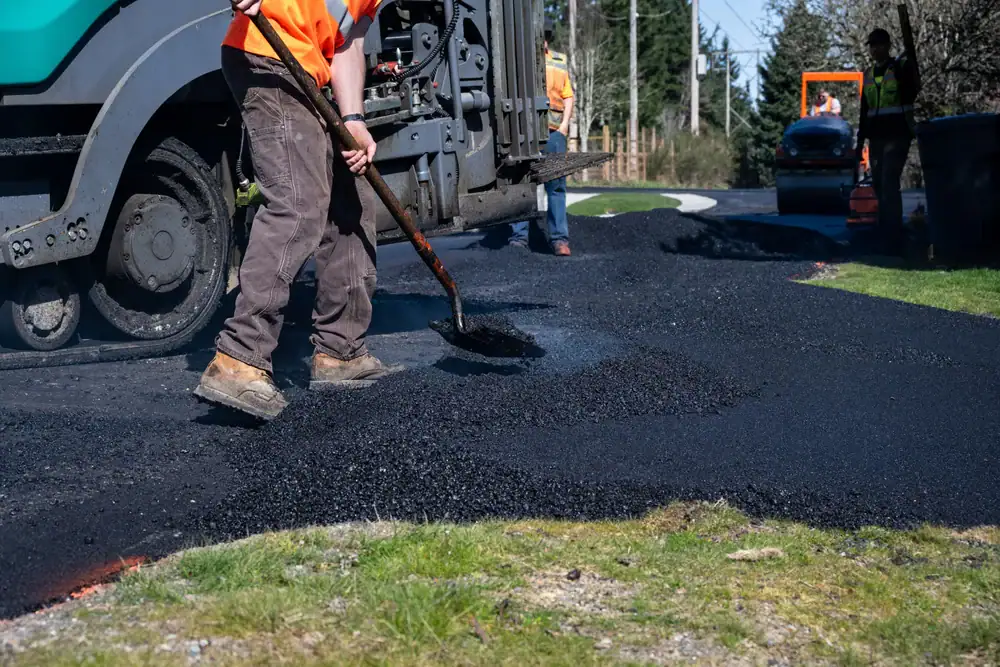
Preventative maintenance isn’t a single service—it’s a strategy that combines multiple approaches to protect your pavement investment.
Sealcoating sits at the top of most maintenance plans. This protective layer shields asphalt from UV rays, water penetration, and chemical damage from oil and gas spills. Applied every 2-3 years, sealcoating costs around $0.25 per square foot but extends pavement life significantly. It keeps the asphalt binder flexible and prevents oxidation that causes brittleness and cracking.
Crack sealing comes next. Small cracks are inevitable, but they don’t have to become big problems. Sealing cracks as soon as they appear prevents water intrusion. In Nashville’s climate, where rain is frequent and humidity is high, water is your pavement’s worst enemy. Once water gets beneath the surface, freeze-thaw cycles create expansion that turns hairline cracks into major structural damage.
Pothole patching addresses problems before they spread. A small pothole might seem minor, but it creates a weak point that expands rapidly under traffic. Professional patching using hot-mix asphalt and proper compaction techniques lasts years, unlike temporary cold-patch solutions that require constant attention. Quality repairs also preserve your parking lot striping investment, reducing the need for frequent remarking.
Drainage management often gets overlooked but it’s critical. Standing water accelerates pavement deterioration and creates safety hazards. Proper grading ensures water flows away from the pavement surface. In areas with poor drainage, water pools, seeps into the asphalt base, and causes premature failure. Addressing drainage issues during routine maintenance prevents expensive structural repairs later.
Line striping and marking maintenance keep your lot functional and compliant. Faded lines create confusion for drivers and pedestrians. They can also create ADA compliance issues if accessible space markings become unclear. Regular restriping maintains parking lot safety, improves traffic flow, and demonstrates your commitment to property maintenance.
The key is scheduling these services strategically. An effective preventative maintenance program involves crack filling, drainage management, patching, and sealcoating in order of importance. Each service builds on the others to create a comprehensive protection strategy that keeps your pavement in the “good” condition range where repairs stay affordable.
Middle Tennessee weather isn’t kind to asphalt. Understanding how local climate affects your pavement helps you time maintenance for maximum effectiveness and cost savings.
Nashville’s humidity and heavy summer storms wear down pavement markings faster on exposed surfaces. Lots in open commercial areas often fade quicker than covered parking structures. That means planning seasonal touch-ups to keep traffic paths clear through wet months and high-heat stretches. Most contractors recommend repainting before peak visibility issues hit, usually early spring or early fall.
The freeze-thaw cycle creates the biggest maintenance challenge. Water penetrates small cracks and expands when temperatures drop. Then it thaws, contracts, and the cycle repeats. Each cycle makes cracks wider and deeper. This is why addressing small cracks before winter is so critical—you’re preventing them from becoming major structural problems by spring.
Heat affects asphalt differently. Summer temperatures in Tennessee can make asphalt more pliable, which means heavy vehicles can create rutting in high-traffic areas. Parking the same vehicles in the same spots repeatedly creates stress points that lead to permanent deformation. Varying parking patterns when possible and ensuring proper asphalt thickness during installation helps prevent this issue.
Rain creates immediate and long-term problems. In the short term, standing water hides potholes and creates slip hazards. Long-term, water intrusion is the primary cause of pavement failure. Nashville gets significant rainfall throughout the year, which makes proper drainage and crack sealing absolutely essential. Properties that neglect drainage management end up with pavement that fails years before it should.
Seasonal maintenance planning saves money and extends pavement life. Fall is ideal for sealcoating because temperatures are moderate and the pavement has time to cure before winter. Spring is the right time for crack sealing and pothole repair after winter damage becomes visible. Summer works well for line striping when paint dries quickly and weather is predictable.
Understanding these weather patterns helps you budget more effectively. Instead of reactive emergency repairs during the worst possible conditions, you’re scheduling preventative work when it’s most cost-effective and when contractors have better availability. That planning saves money on the service itself and prevents the expensive damage that comes from waiting too long.
Your parking lot is either costing you money or making you money. There’s no neutral position when it comes to commercial paving.
The businesses that treat pavement as an asset—maintaining it proactively, addressing problems early, and investing in quality work—see lower liability exposure, reduced maintenance costs, and properties that retain value. The ones that treat it as an afterthought pay premium prices for emergency repairs, face lawsuit risks, and watch their property values decline.
The choice is straightforward. Preventative maintenance costs three times less than reactive repairs. Proper commercial paving can double your pavement’s lifespan and double your ROI. ADA compliance protects you from fines and lawsuits. Quality repairs done right the first time eliminate the cycle of repeated fixes.
If your commercial property in Nashville, Wilson County, or Davidson County needs paving work, the question isn’t whether to invest in proper maintenance—it’s who you trust to do it right. We bring over 50 years of experience and veteran-owned reliability to every project, delivering the durable, cost-effective solutions that protect your business and your bottom line.
Article details:
Share:
Continue learning: