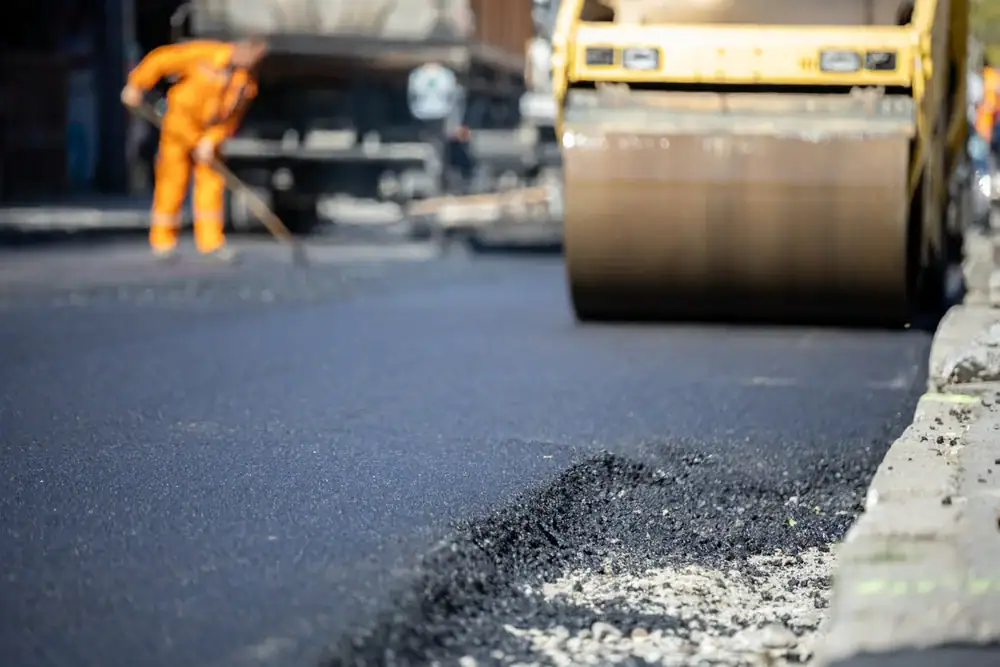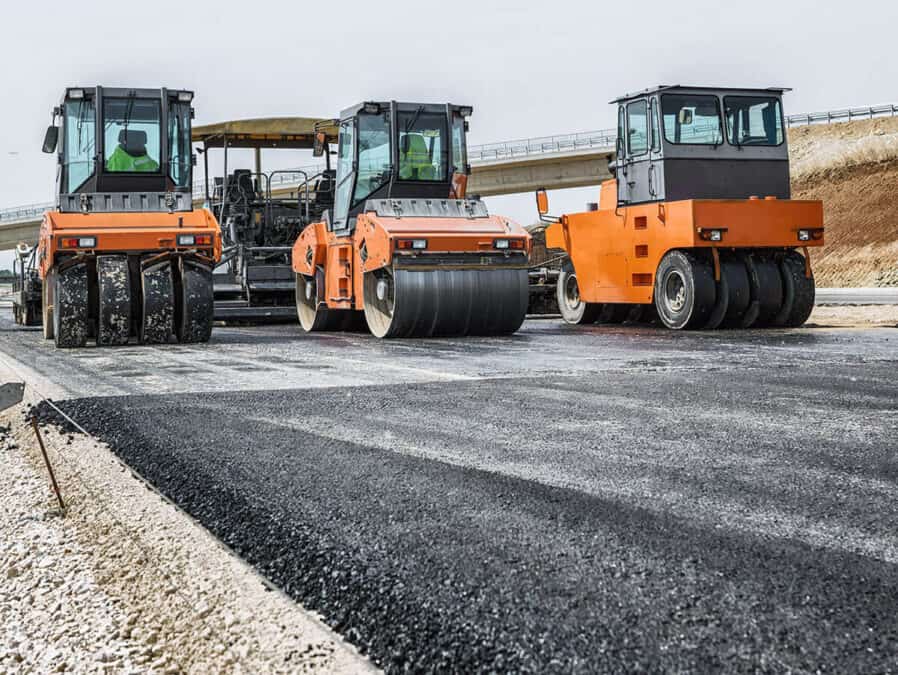
Professional parking lot paving solutions for Wilson County businesses, designed to handle Tennessee's challenging weather conditions.
Share:

Parking lot construction isn’t just about laying asphalt over dirt. The process requires careful planning that considers Wilson County’s soil composition, drainage patterns, and traffic loads your business will handle.
Professional parking lot paving starts with proper site preparation. We assess existing drainage, test soil stability, and plan for adequate water runoff—critical factors given the heavy rainfall common in Middle Tennessee. Without this foundation work, even premium asphalt will fail prematurely.
The construction sequence matters too. Excavation, base installation, grading for proper slope, and asphalt application must follow proven techniques. Shortcuts during any phase lead to expensive problems later, from standing water to premature cracking that compromises your professional image.
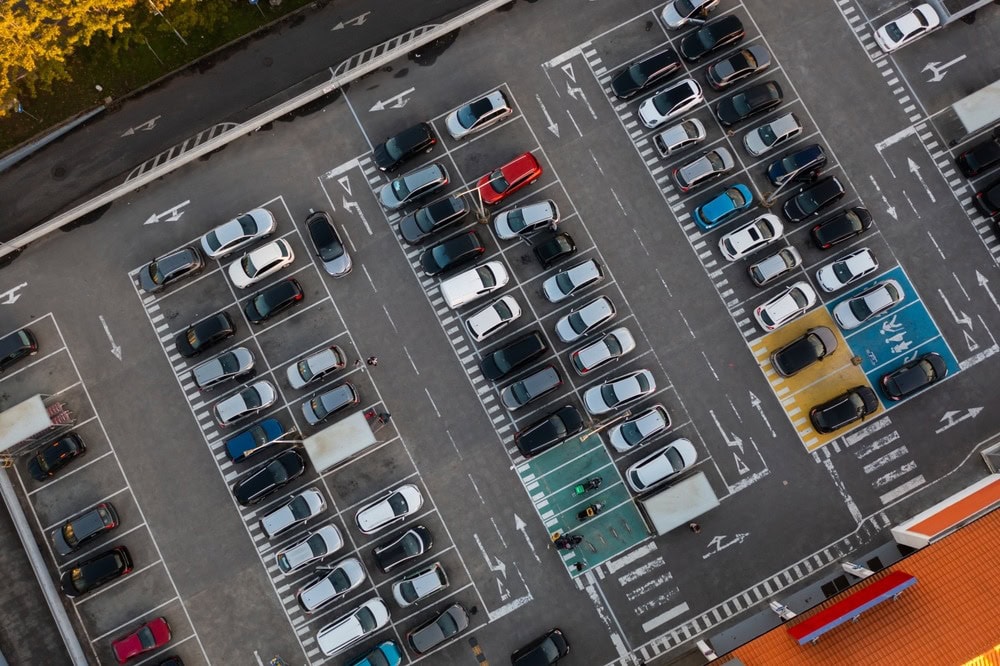
Most parking lot failures trace back to inadequate base preparation, not poor asphalt quality. In Wilson County, TN, where soil composition varies significantly across the region, understanding your site’s specific conditions determines long-term success.
A properly constructed base starts with excavation to remove unsuitable materials and organic matter that could shift over time. Next comes the installation of compacted aggregate base material—typically crushed stone—that provides stable support for the asphalt surface. The thickness of this base depends on expected traffic loads and soil conditions specific to your location.
Drainage integration happens during base construction, not as an afterthought. We install proper slopes directing water away from buildings and toward designated drainage areas. This prevents water from pooling on the surface or, worse, infiltrating the base layers where it can cause significant structural damage during Tennessee’s freeze-thaw cycles.
Quality contractors test compaction levels throughout base installation using specialized equipment. This ensures the foundation will support your business operations for decades, not just the first few years. Proper base preparation costs more upfront but prevents the expensive repairs that come from cutting corners during construction.
Tennessee’s climate presents unique challenges for asphalt parking lots. Temperature swings from winter lows to summer highs, combined with heavy rainfall and occasional ice, require installation techniques that account for these stresses.
Professional asphalt installation begins with selecting the right mix design for your specific application. Commercial parking lots need different asphalt specifications than residential driveways, with considerations for traffic volume, turning movements, and load-bearing requirements. The asphalt must be hot when applied—typically between 275-300°F—and compacted properly while still workable.
Timing matters significantly in Tennessee. Asphalt installation works best during moderate temperatures when the material can be properly compacted before cooling too quickly. We plan installations around weather forecasts, avoiding periods of high humidity or temperature extremes that compromise quality.
Joint construction and edge details require special attention in climates with significant temperature variations. Properly constructed joints prevent water infiltration while allowing for thermal expansion and contraction. Edge restraints keep the asphalt from shifting under load, particularly important for parking areas that handle delivery trucks or heavy equipment.
The final surface texture affects both safety and longevity. Proper compaction creates a smooth, dense surface that sheds water effectively while providing adequate traction for vehicles and pedestrians. This balance becomes critical during Tennessee’s wet seasons when standing water creates both safety hazards and accelerated pavement deterioration.
Want live answers?
Connect with a Tristar Paving expert for fast, friendly support.
Your parking lot represents a significant investment that requires proactive maintenance to deliver expected returns. In Wilson County, TN, where UV radiation, temperature swings, and vehicle fluids constantly attack asphalt surfaces, regular maintenance directly impacts your bottom line.
Smart maintenance prevents minor issues from becoming major expenses. A small crack sealed promptly costs pennies compared to the structural repairs needed when water penetrates the base layers. Professional maintenance programs identify problems early and address them when repairs are most cost-effective.
The key is understanding which maintenance tasks provide the best return on investment and when to schedule them for maximum effectiveness without disrupting your business operations.

Sealcoating protects your asphalt investment by creating a barrier against the elements that cause premature deterioration. In Wilson County, TN, where intense UV radiation and temperature extremes accelerate asphalt aging, sealcoating typically extends pavement life by 3-5 years when applied correctly.
The sealcoating process involves cleaning the surface thoroughly, filling cracks, and applying a protective coating that shields the asphalt binder from oxidation and water intrusion. Professional application requires specific weather conditions—dry surfaces, temperatures above 50°F, and no rain in the forecast for at least 24 hours after application.
Timing your sealcoating schedule depends on traffic volume and environmental exposure. Most commercial parking lots in Middle Tennessee benefit from sealcoating every 2-4 years, though high-traffic areas may need more frequent attention. The investment typically costs a fraction of resurfacing while delivering significant protection against costly repairs.
Quality matters significantly with sealcoating materials and application techniques. Coal tar emulsion and asphalt emulsion sealers each offer different benefits, with professional contractors selecting the appropriate material based on your specific conditions. Proper surface preparation, including crack filling and cleaning, determines how well the sealer bonds and how long it protects your investment.
Don’t wait until your parking lot shows obvious signs of wear. Sealcoating works best as preventive maintenance, applied while the underlying asphalt remains in good condition. Once significant deterioration occurs, sealcoating alone cannot restore structural integrity, and more expensive repairs become necessary.
Cracks in asphalt parking lots act as entry points for water, which causes the most serious and expensive damage over time. In Tennessee, where freeze-thaw cycles can widen small cracks dramatically in a single winter, prompt crack sealing protects both your pavement and your budget.
Professional crack sealing involves cleaning debris from cracks, preparing the surfaces for proper adhesion, and installing hot-applied sealant that remains flexible through temperature changes. The process requires specialized equipment and materials designed specifically for asphalt repair, not generic caulking products that fail quickly under traffic loads.
Different crack types require different repair approaches. Hairline cracks from normal aging respond well to crack sealing, while wider structural cracks may indicate base problems that need more comprehensive repair. Professional evaluation determines the appropriate repair method and helps you avoid spending money on temporary fixes that don’t address underlying issues.
Timing crack repairs strategically saves money and extends pavement life significantly. Small cracks sealed promptly prevent water infiltration that can undermine the entire pavement structure. Once water reaches the base layers, simple crack sealing becomes inadequate, and expensive reconstruction may be necessary to restore proper function.
The economic impact of deferred crack sealing becomes clear when you consider repair costs. A crack sealed for under $5 per linear foot can prevent base damage that costs hundreds of dollars per square yard to repair properly. For businesses managing maintenance budgets, this represents one of the highest-return investments available for parking lot preservation.
Regular crack sealing also improves your property’s appearance by maintaining clean, professional-looking surfaces that reflect well on your business. Customers notice details like pavement condition, and proactive maintenance demonstrates the same attention to quality they can expect from your products or services.
Your parking lot investment deserves the same careful consideration you give other critical business decisions. Quality construction using proper techniques and materials, combined with proactive maintenance, delivers decades of reliable service while protecting your professional image.
The key is working with contractors who understand Wilson County’s specific challenges and have the experience to handle projects correctly from start to finish. Don’t let your parking lot become a liability that drives customers away or creates safety concerns that expose your business to unnecessary risks.
When you’re ready to discuss your parking lot paving needs, we bring over 50 years of experience to help you make the right decisions for your business and budget.
Article details:
Share:
Continue learning: