Lebanon homeowners choose tar and chip paving for durable, budget-friendly driveways that handle Tennessee weather while adding rustic charm to any property.
Share:
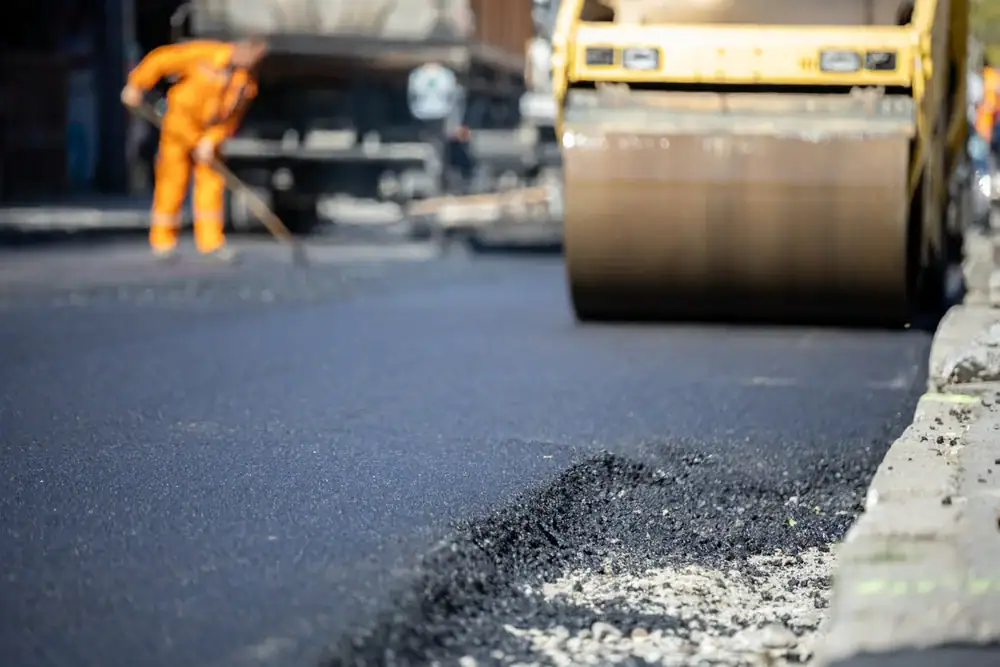
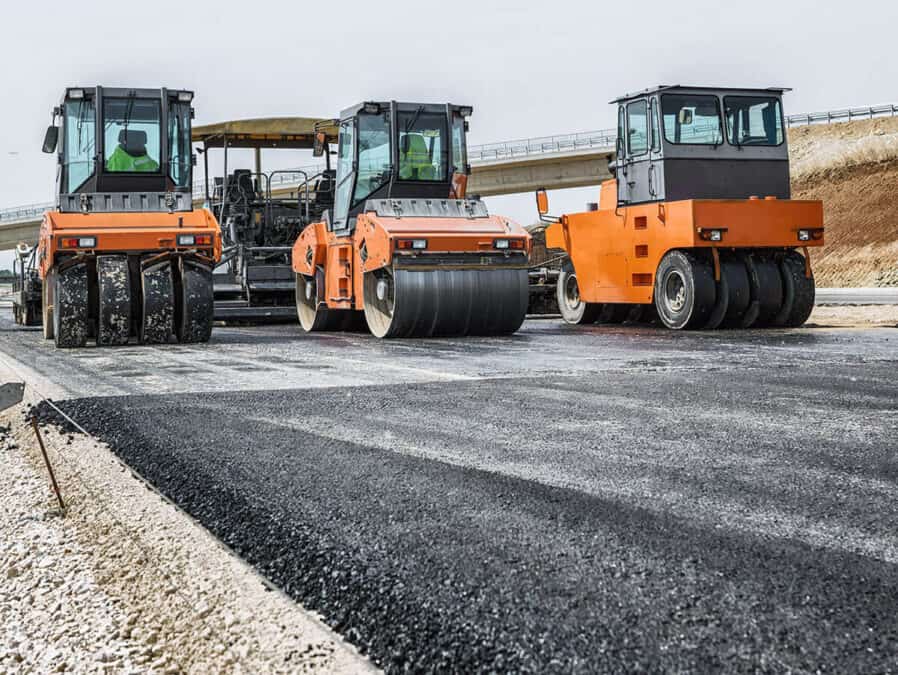
Tar and chip paving, also known as chip seal, creates a textured surface by combining hot liquid asphalt with carefully selected stone aggregate. The process starts with preparing a stable base, then spraying hot asphalt emulsion over the surface, followed immediately by spreading crushed stone chips that get compacted with heavy rollers.
This isn’t some new experimental technique—it’s been successfully paving roads and driveways across rural Tennessee for decades. The method creates a naturally rough texture that provides excellent traction while the embedded stones form a protective barrier against weather and wear.
What makes this different from regular asphalt is the construction approach itself. Instead of mixing everything together before application, tar and chip builds the surface in layers, allowing for better stone distribution and that characteristic textured finish that performs so well in our climate.
A proper tar and chip installation requires precision timing and the right equipment—this isn’t a DIY weekend project. The process begins with site preparation, ensuring proper grading and drainage to prevent future water issues that plague so many driveways in our area.
The base preparation is critical. Whether working over existing asphalt in good condition or starting fresh, the foundation must be stable and properly graded. Any significant cracks, potholes, or structural issues need addressing before the new surface goes down.
Next comes the hot asphalt application. The liquid binder gets sprayed evenly across the prepared surface at precisely the right temperature. Timing matters here—the stone chips must be applied while the asphalt is still hot enough to create a strong bond but not so hot that the stones sink too deep.
The stone application follows immediately. Crushed aggregate gets spread uniformly across the hot asphalt, then compacted with heavy rollers to embed the chips properly. The type and size of stone affects both appearance and performance, which is why experienced contractors match the aggregate to your specific needs and local conditions.
Finally, loose stones get swept away after the surface cools and cures. This typically takes a few days, during which you’ll want to avoid heavy traffic on the new surface. The result is a durable, textured driveway that’s ready to handle whatever Tennessee weather throws at it.
Tennessee’s climate puts driveways through the wringer. Hot summers, freezing winters, heavy rains, and those dramatic temperature swings that can happen within 24 hours all take their toll on paving surfaces. The textured nature of tar and chip gives it several advantages in these conditions.
The rough surface provides superior traction during wet conditions—a significant advantage during our rainy seasons. While smooth asphalt becomes slippery when wet, the embedded stone chips in tar and chip maintain grip for both vehicles and pedestrians. This reduces slip-and-fall risks and gives you better control when backing out of your driveway during storms.
Freeze-thaw cycles cause major problems for many paving materials. Water seeps into small cracks, freezes, expands, and creates bigger cracks in an endless cycle of deterioration. The textured surface of tar and chip naturally sheds water more effectively, and the flexible asphalt base accommodates expansion and contraction better than rigid materials.
The stone chips also act as a protective barrier against UV damage and surface wear. Instead of the asphalt binder taking the full brunt of sun exposure and traffic, the embedded stones absorb much of that punishment. This helps explain why tar and chip surfaces often outlast their expected lifespan when properly maintained.
Heat absorption works differently too. While dark asphalt can become uncomfortably hot and even soft during summer heat waves, the varied surface of tar and chip reflects more light and doesn’t retain heat the same way. This means less thermal stress on the material and a more comfortable surface to walk on during hot days.
Want live answers?
Connect with a Tristar Paving expert for fast, friendly support.
The numbers tell a compelling story when you compare tar and chip paving costs with other driveway options. Most Lebanon homeowners pay between $2 to $5 per square foot for tar and chip installation, while traditional asphalt typically runs 30-40% higher for the same area.
For a standard two-car driveway, you’re looking at potential savings of $1,500 to $3,000 compared to conventional asphalt paving. Those savings become even more significant when you factor in the reduced maintenance requirements over the surface’s lifespan.
The initial cost advantage is just part of the equation. Traditional asphalt requires sealcoating every 3-5 years to maintain optimal condition and appearance. Each sealcoating session costs money and means you can’t use your driveway for several days while it cures. Tar and chip surfaces don’t need this regular resealing, saving you both money and inconvenience over time.
When you evaluate any driveway investment, the long-term costs matter as much as the upfront price. Tar and chip paving typically lasts 7-10 years with basic maintenance, and can extend to 15 years or more with proper care. Compare that to the ongoing maintenance demands of other surfaces.
The maintenance routine for tar and chip is refreshingly simple. Regular sweeping to remove debris and loose stones, prompt repair of any cracks with cold-patch asphalt filler, and avoiding sharp turns or heavy equipment that might dislodge stones. That’s essentially it.
No expensive sealcoating every few years. No special cleaners or treatments. The rough texture actually helps hide minor stains and imperfections that would be immediately visible on smooth surfaces. Oil spots, tire marks, and other common driveway stains blend into the varied texture rather than standing out like sore thumbs.
When repairs are needed, they’re typically straightforward and cost-effective. Small damaged areas can be patched without redoing entire sections. Even major refreshing can often be accomplished by applying a new tar and chip layer over the existing surface, provided the base remains sound.
The stone chips themselves can be refreshed if they become loose or worn in high-traffic areas. This spot maintenance costs a fraction of full surface replacement and can extend your driveway’s life significantly. Many homeowners find they can maintain their tar and chip driveway for decades with these simple interventions.
Traditional asphalt might seem competitively priced until you add up all the associated costs. Beyond the higher installation price, you’re committing to regular maintenance that adds up quickly over the years. Sealcoating alone can cost $0.15 to $0.25 per square foot every 3-5 years.
Crack sealing, another regular requirement for traditional asphalt, runs additional costs. Those hairline cracks that appear after a few years need professional attention to prevent water infiltration and more serious damage. Left untreated, small cracks become big problems requiring expensive repairs or complete replacement.
Concrete driveways carry their own hidden expenses. While durable, concrete can crack from ground movement or freeze-thaw cycles, and repairs often require matching color and texture—something that’s nearly impossible to do seamlessly. When concrete fails, replacement costs significantly exceed other options.
The permitting process can add unexpected costs too. Some driveway installations require permits, inspections, and compliance with local drainage requirements. These administrative costs apply regardless of which paving method you choose, but they’re worth factoring into your total project budget.
Equipment rental or contractor mobilization fees represent another cost consideration. Some paving methods require specialized equipment that increases project costs, especially for smaller residential jobs. Tar and chip installation uses standard paving equipment, helping keep mobilization costs reasonable.
The quality of your tar and chip driveway depends heavily on proper installation, making contractor selection crucial. Look for companies with specific experience in tar and chip paving—this isn’t the time to hire someone learning on your project.
Experience with local conditions matters. Tennessee’s climate and soil conditions create specific challenges that experienced local contractors understand. We know how to prepare bases for our clay soils, account for drainage patterns, and select stone aggregates that perform well in our weather.
A quality contractor will evaluate your existing driveway condition, explain the installation process clearly, and provide realistic timelines. We are familiar with local permitting requirements and able to handle any necessary approvals. Most importantly, we stand behind our work with appropriate warranties and insurance coverage.
When you’re ready to move forward with your driveway project, Tristar Paving brings over 50 years of experience to Lebanon area properties. Our veteran-owned company understands both the technical requirements and the importance of reliable, professional service that respects your time and property.
Article details:
Share:
Continue learning: