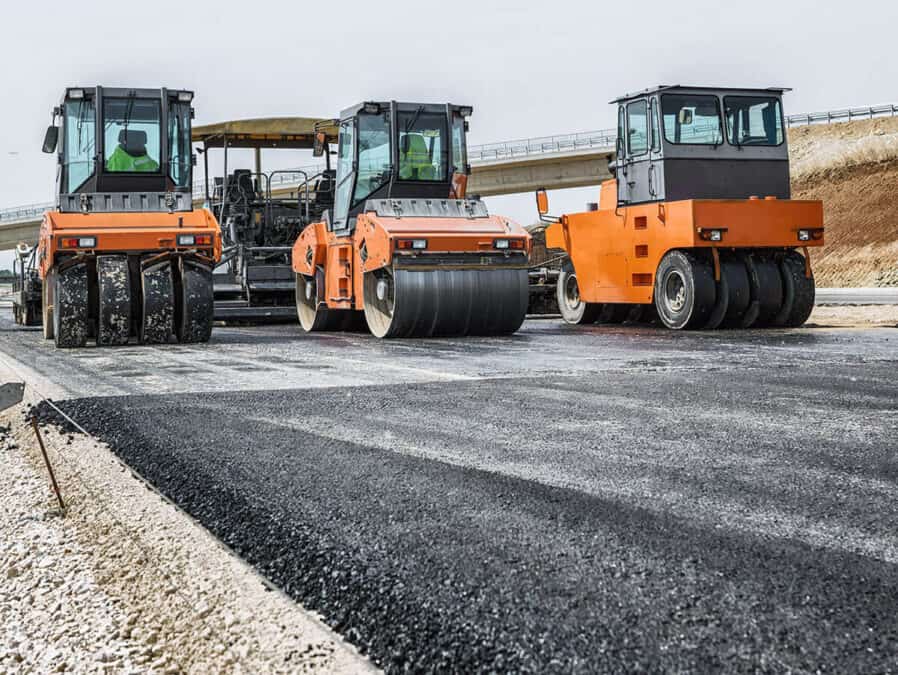
Choosing between tar and chip or smooth asphalt isn't just about price. Your property type, traffic patterns, and long-term plans all matter when deciding which surface delivers real value.
Share:
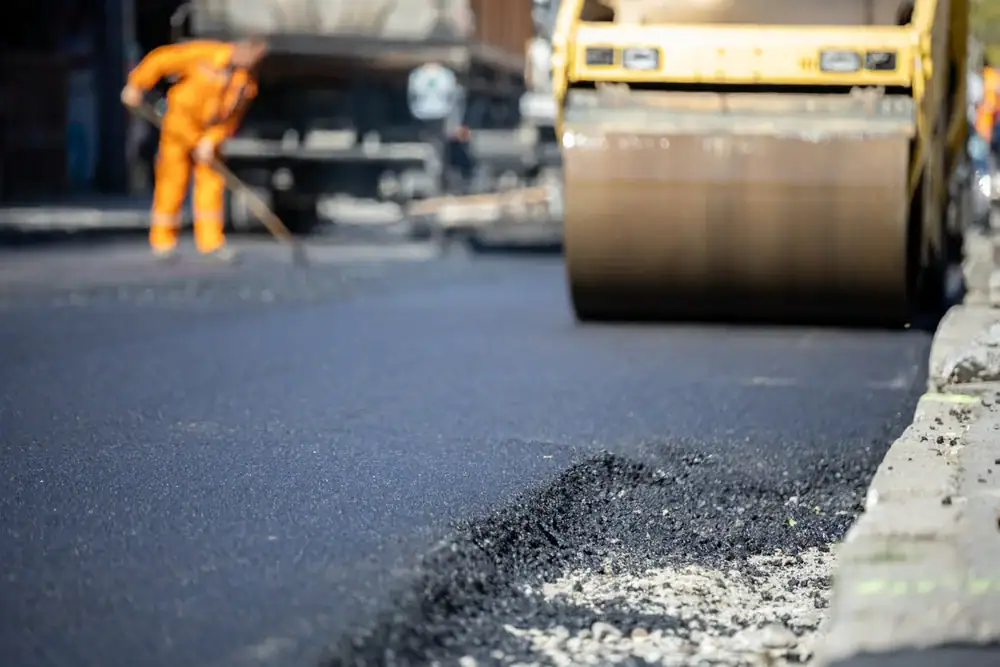
You’re standing in your driveway, looking at cracks, potholes, or maybe just gravel that’s seen better days. You know it’s time for something better, but the options feel overwhelming. Tar and chip? Smooth asphalt? One contractor says one thing, another says something completely different, and you’re left wondering which choice won’t leave you with buyer’s remorse three years down the road.
Here’s what actually matters: your budget, how you use your driveway, and what kind of maintenance you’re willing to handle. Both tar and chip paving and traditional asphalt work in Nashville, TN and surrounding areas—but they work differently, cost differently, and suit different properties. Let’s break down what you’re actually choosing between.
Tar and chip paving—sometimes called chip seal or macadam—combines hot liquid asphalt with a layer of crushed stone chips that get pressed into the surface. The result is a textured, slightly rough driveway that looks more like a natural stone surface than smooth black pavement. It’s been used for over a century on rural roads and driveways, and it’s gained popularity with homeowners who want something that doesn’t look like every other driveway on the block.
Traditional asphalt paving, on the other hand, mixes aggregate materials with asphalt cement, heats the whole thing up, and lays it down in smooth layers. You’ve driven on it thousands of times—it’s what you see in most parking lots and residential driveways across Davidson County, TN. It creates that uniform, dark surface that’s easy to recognize.
The key difference isn’t just appearance. These two methods use different installation processes, require different maintenance, last different amounts of time, and cost different amounts of money. Understanding what you’re actually getting with each option is the only way to make a choice you won’t regret.
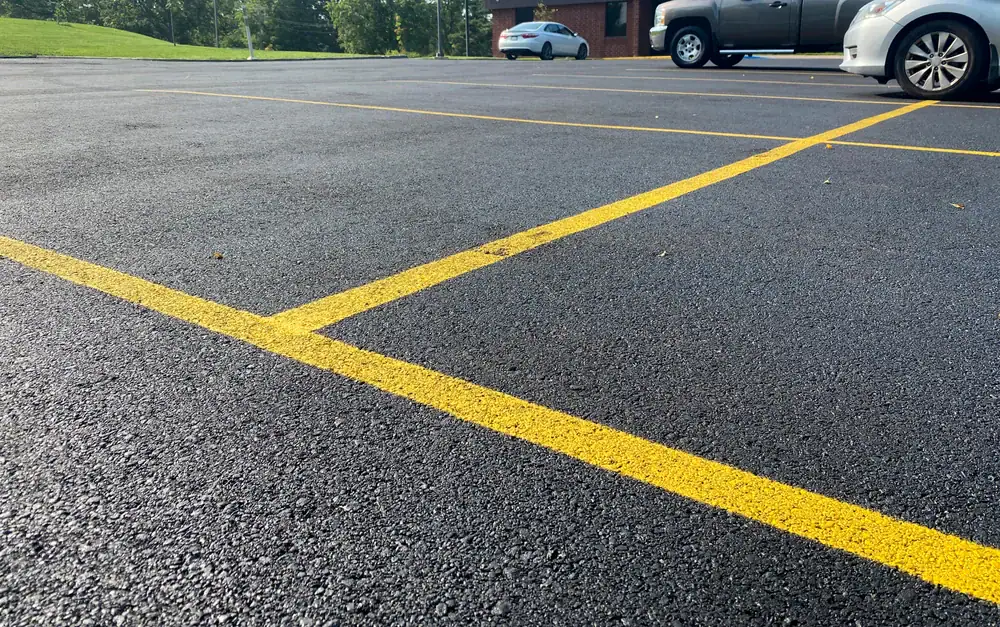
The tar and chip process starts with preparing your base—either grading and compacting gravel or working with an existing asphalt surface that’s still structurally sound. Once the base is ready, hot liquid asphalt gets sprayed evenly across the surface. This isn’t the thick, mixed asphalt you see in traditional paving; it’s literally liquid asphalt acting as a binder.
Immediately after the liquid asphalt goes down, crushed stone chips are spread across the entire surface. These chips can be different colors depending on the stone you choose—gray, tan, brown, even reddish tones are possible. A heavy roller then compacts everything together, pressing the stones into the hot asphalt so they bond and create that textured finish.
The whole process moves relatively quickly compared to traditional asphalt. You’re not waiting for multiple thick layers to cure. In most cases, your driveway is ready for light traffic within 24 hours, though you’ll want to avoid heavy vehicles or sharp turns for a few days while everything fully sets.
One thing that catches people off guard: you’ll see some loose stones on the surface for the first few weeks. That’s normal. Traffic naturally works those loose chips off, and what remains is the bonded surface. Some homeowners sweep up the excess; others just let regular use take care of it. Either way, it settles into a stable, textured surface that provides excellent traction.
The installation can happen over existing asphalt if the base is solid and free of major cracks or structural issues. That’s a cost-saver compared to tearing everything out and starting from scratch. However, if your current surface is badly damaged or the base has shifted, you’ll need proper prep work regardless of which paving method you choose.
Traditional asphalt paving involves more steps and typically requires specialized equipment. The process starts with excavation and grading to create a stable base. We then add a compacted gravel base layer, which provides the structural support your driveway needs to handle vehicle weight without settling or cracking.
Next comes the binder layer—a mix of larger aggregate stones and asphalt that adds strength and flexibility. This layer gets poured hot and spread evenly, then compacted with heavy rollers. Finally, the surface layer goes down. This top layer uses finer aggregate mixed with asphalt to create that smooth, uniform finish you associate with asphalt driveways.
The entire process takes longer than tar and chip, and you’ll need to stay off the surface for several days while it cures. Full curing can take months, though you can typically drive on it carefully after 2-3 days. During the first year, you’ll want to avoid parking heavy vehicles in the same spot repeatedly and be careful with sharp turns until everything fully hardens.
The result is a smooth, dark surface that’s easy to shovel in winter, simple to sweep, and provides a clean, uniform appearance. It handles heavy traffic better than tar and chip, which is why you see it on busy roads, commercial parking lots, and driveways that accommodate multiple vehicles daily.
Asphalt does require regular maintenance to reach its full lifespan potential. Sealcoating every 3-5 years protects the surface from water infiltration, UV damage, and oxidation. You’ll also need to fill cracks as they appear and address any potholes before they spread. Skip the maintenance, and your 20-year driveway might only last 10.
The smooth surface is easier to maintain in some ways—sweeping, washing, and snow removal are all straightforward. But that same smooth surface can get slippery when wet or icy, especially on sloped driveways. The dark color also absorbs heat, which can be uncomfortable in summer and may soften slightly in extreme heat.
Want live answers?
Connect with a Tristar Paving expert for fast, friendly support.
Let’s talk numbers, because cost is probably one of your biggest deciding factors. Tar and chip paving typically costs between $2 and $5 per square foot for materials and installation, though some projects in the Nashville, TN area might run $5 to $10 per square foot depending on site conditions and stone selection. Traditional asphalt usually falls between $7 and $13 per square foot installed.
For a standard two-car driveway (around 600 square feet), you’re looking at roughly $1,200 to $3,000 for tar and chip versus $4,200 to $7,800 for asphalt. That’s a significant difference upfront—anywhere from 30% to 50% less for tar and chip.
But upfront cost isn’t the whole story. You need to factor in lifespan and maintenance expenses to understand the real cost over time.
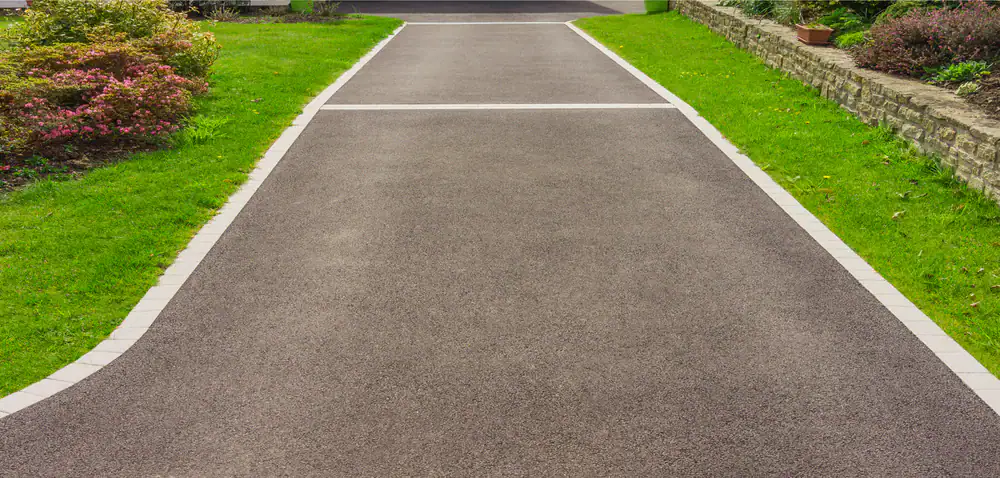
Tar and chip driveways typically last 7 to 10 years before they need resurfacing. With proper care—keeping the surface clean, addressing any loose stones, and making sure water drains properly—some homeowners stretch that to 15 years. The surface doesn’t require regular sealcoating like asphalt does, which saves you both time and money over the years.
Maintenance is minimal. You might need to sweep loose stones occasionally, especially in the first few weeks after installation. If a small area gets damaged, you can often patch it with additional tar and stone without redoing the entire surface. There’s no sealcoating schedule to remember or budget for, and the textured surface hides minor imperfections better than smooth asphalt.
When it’s time to resurface, the process is relatively straightforward and less expensive than replacing traditional asphalt. You’re essentially repeating the original installation process over the existing base, assuming the foundation is still solid.
The real cost advantage shows up when you add everything together. Say you spend $2,000 on a tar and chip driveway that lasts 10 years with minimal maintenance. Over 20 years, you might spend $4,000 to $5,000 total including one resurfacing. Compare that to asphalt at $6,000 upfront, plus sealcoating every 3-5 years at $300 to $500 per application, and potential crack repairs. The numbers start to look different.
That said, tar and chip works best for certain applications. If you’re paving a long driveway in Wilson County, TN where the distance from the road to your house adds significant square footage, the cost savings become even more pronounced. But if you have high traffic volume or need that smooth surface for specific reasons, spending more on asphalt might make sense for your situation.
Traditional asphalt costs more upfront, but it also lasts longer when properly maintained—typically 15 to 20 years, sometimes pushing 30 years with excellent care. The catch is that “proper maintenance” isn’t optional if you want to reach those numbers. Sealcoating every 3 to 5 years runs $300 to $500 for an average driveway, and that’s a recurring expense you need to budget for.
Crack filling costs another $100 to $300 depending on how many cracks develop and how quickly you address them. Wait too long, and small cracks become big cracks, which become potholes, which become expensive repairs. Catching issues early saves money, but it requires paying attention and acting on problems before they spread.
If you stay on top of maintenance, asphalt delivers excellent value over its lifespan. A $6,000 driveway that lasts 20 years with $3,000 in maintenance costs over that period works out to $450 per year. That’s reasonable for a smooth, durable surface that handles heavy use without issues.
The bigger question is whether you’ll actually do the maintenance. Many homeowners install asphalt with the best intentions, then skip sealcoating because it’s easy to put off or they forget about it. Five years later, the surface is oxidizing, water is seeping into cracks, and the driveway that should have lasted 20 years is falling apart at year 12.
Asphalt also handles heavy traffic and weight better than tar and chip. If you regularly park work trucks, RVs, or multiple vehicles, or if your driveway sees constant use, asphalt’s structural strength justifies the higher cost. It’s built for that kind of abuse in ways that tar and chip simply isn’t.
Climate matters too. Both surfaces work fine in Nashville, TN and surrounding areas, but asphalt’s smooth surface can become uncomfortably hot in summer. The dark color absorbs heat, which might make walking barefoot or letting pets out on the driveway unpleasant during peak summer months. Tar and chip’s lighter stone surface stays cooler, which is a small but real comfort factor.
The right choice depends on how you actually use your driveway, what your budget looks like, and what kind of appearance you want. Tar and chip paving delivers significant cost savings, requires minimal maintenance, and creates that rustic, textured look that works beautifully with country properties and rural settings. It’s ideal for residential driveways with light to moderate traffic, long driveways where cost per square foot adds up quickly, and properties where that natural stone appearance fits the aesthetic.
Traditional asphalt makes more sense when you need a smooth surface for heavy traffic, want a longer lifespan from your initial investment, or prefer that uniform, clean appearance. It’s the better choice for commercial properties, driveways with constant vehicle traffic, and situations where the smooth surface matters for accessibility or preference.
Neither option is inherently better—they’re different tools for different situations. The key is matching the paving method to your actual needs rather than just picking based on price or what your neighbor installed. If you’re still weighing your options and want straightforward guidance based on your specific property in Wilson County, TN or Davidson County, TN, we have over 50 years of experience helping property owners make these decisions. Reach out and get a clear assessment of what makes sense for your situation.
Article details:
Share:
Continue learning: