

Hear from Our Customers
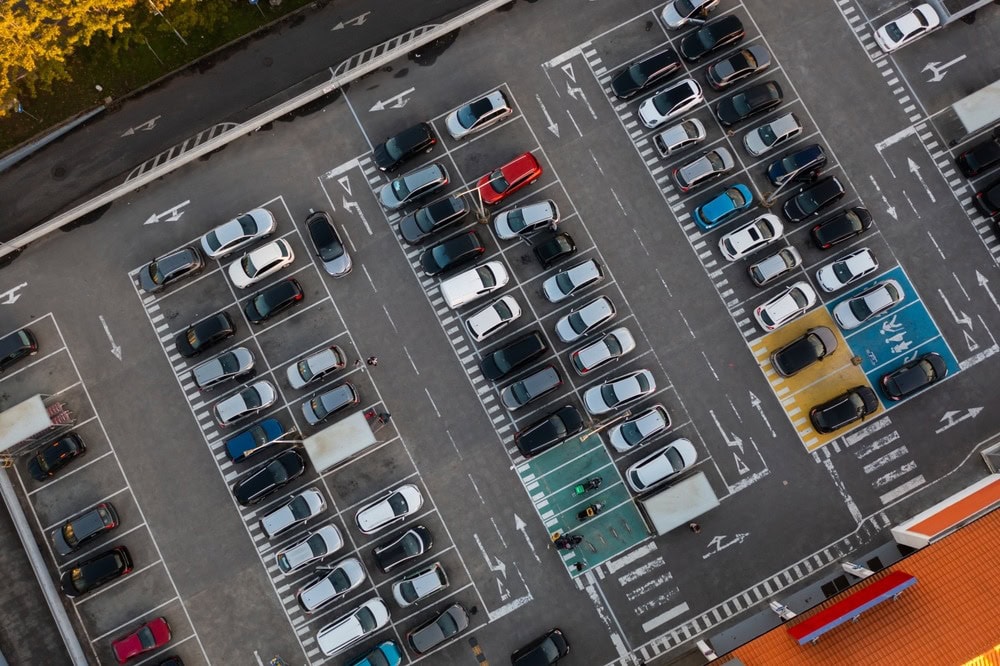
A well-constructed parking lot isn’t just smooth pavement. It’s a system that moves water away from your building, holds up under Tennessee’s freeze-thaw cycles, and gives customers a safe place to park without worrying about potholes or standing water.
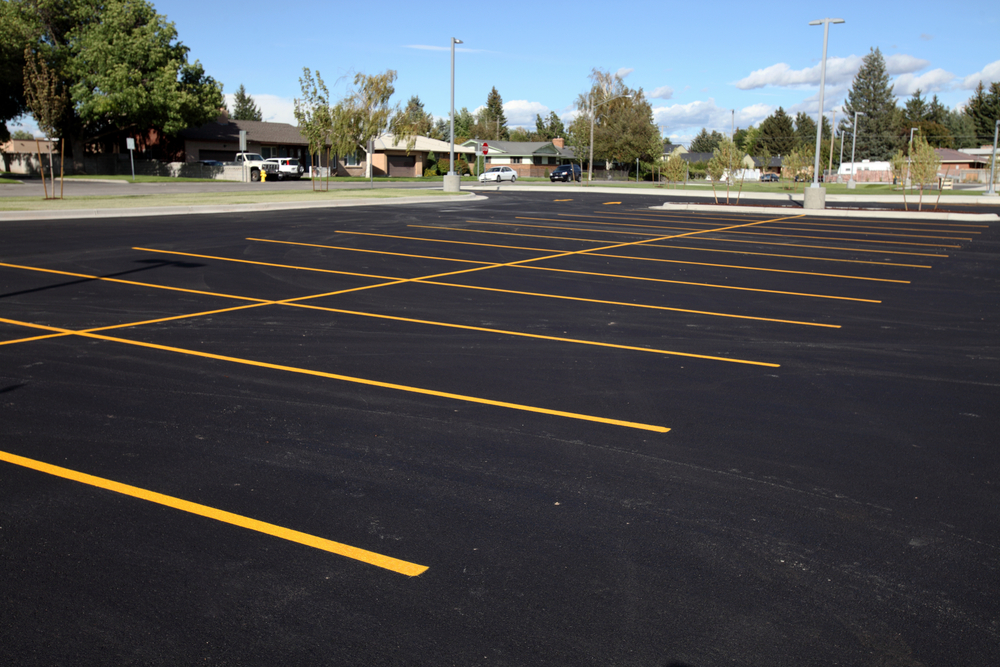
When drainage works the way it should, you’re not dealing with ice patches in winter or lakes after a heavy rain. The base is compacted right, so you’re not watching cracks spiderweb across the surface six months after installation. Striping is clear, accessible spaces meet ADA requirements, and your property looks like you take care of it.
Proper construction keeps maintenance costs manageable and extends the life of your investment. Most commercial asphalt parking lots last 15 to 20 years with regular care. But that timeline starts with how the lot is built—not just paved.
Tristar Paving LLC is a veteran-owned asphalt paving company that’s been working in Wilson County and the surrounding Nashville area for over 50 years. That’s five decades of parking lots, driveways, and commercial projects across Middle Tennessee.
College Grove sits between Franklin and Murfreesboro—rural character, growing businesses, properties that need real infrastructure. We’ve seen this area develop and know what works here. Tennessee weather isn’t kind to pavement. Freeze-thaw cycles, summer heat, heavy rain—it all takes a toll.
We handle both residential and commercial projects, from small business parking areas to larger industrial lots. Our focus stays on durable materials, proper base preparation, and doing the job right so you’re not calling for parking lot repair a year later.

First, the site gets evaluated. That means looking at drainage patterns, soil conditions, how water currently moves across the property, and what the lot needs to handle—employee parking, delivery trucks, customer traffic. This step determines the base depth, slope requirements, and whether you need additional drainage solutions.
Next comes site preparation. Existing pavement or debris gets removed. The ground is graded to create proper slope—typically 2% to 5%—so water flows away from buildings and toward drainage points. This isn’t optional. Standing water destroys pavement faster than traffic does.
Then the base goes in. A solid gravel foundation, usually 8 to 12 inches deep, gets compacted in layers. This base carries the load. Skip this step or rush it, and your asphalt will crack and sink no matter how thick the top layer is. After the base is set, the asphalt binder layer goes down, followed by the surface course. Hot-mix asphalt arrives from the plant and gets laid in passes, then compacted with heavy rollers while it’s still hot.
Final steps include installing curbing if needed, allowing the asphalt to cure, and then striping the lot with parking space lines, accessible spaces, and any required markings. Most commercial parking lots in College Grove take about 3 to 7 days to complete, depending on size and site conditions.
Ready to get started?
Parking lot paving in College Grove includes the full scope—site assessment, proper grading, base installation, asphalt paving, and striping. You’re not just getting a black surface. You’re getting a parking lot designed for local conditions.
Tennessee sees temperature swings from freezing winters to 90-degree summers. Asphalt handles that flexibility better than concrete in most cases. It expands and contracts without cracking as easily, and the dark surface helps melt ice faster in winter. For commercial properties, that means fewer slip hazards and less liability risk.
Proper drainage is built into the design. College Grove gets its share of rain, and water is the number one enemy of pavement. A slope between 2% and 5% keeps water moving off the surface. Grading directs runoff away from your building foundation and toward storm drains or designated drainage areas. This prevents the pooling that leads to cracks, potholes, and premature deterioration.
Our paving services also include ADA-compliant accessible parking spaces with proper dimensions, access aisles, and signage. Local codes require this, and it’s not something you want to retrofit later. Striping uses high-quality paint that holds up under traffic and weather, keeping lines visible and your lot organized.

Parking lot paving typically runs between $2 and $4.50 per square foot for asphalt, which includes materials and labor. For a 10,000-square-foot lot, you’re looking at roughly $20,000 to $45,000. Larger projects can range from $75,000 to $150,000 depending on size and complexity.
Several factors affect the final price. Site preparation costs vary based on whether you’re paving over existing pavement or starting from bare ground. Poor drainage or unstable soil requires additional base work. Asphalt thickness matters too—commercial lots handling delivery trucks need a thicker pavement section than lots with just car traffic. Extras like curbing, striping, and ADA-compliant spaces add to the total.
Tennessee’s location keeps material costs relatively stable, but oil prices affect asphalt since it’s petroleum-based. The best way to get an accurate number is to have the site evaluated. That gives you a quote based on actual conditions, not averages.
A properly constructed asphalt parking lot in Tennessee typically lasts 15 to 20 years with regular maintenance. That lifespan depends heavily on three things: how well it was built initially, how much traffic it sees, and whether you keep up with maintenance.
The base is critical. If the gravel foundation wasn’t compacted correctly or if drainage wasn’t designed properly, you’ll see problems within the first few years—cracking, settling, potholes. Those issues don’t fix themselves. They get worse and shorten the pavement’s life. Tennessee’s freeze-thaw cycles accelerate deterioration if water gets into cracks.
Maintenance extends that 15-to-20-year timeline. Sealcoating every 2 to 4 years protects the surface from UV damage, water penetration, and chemical spills. Crack filling prevents small issues from becoming big ones. Resurfacing after 10 to 15 years can add another decade of life without needing full replacement. Neglected lots fail faster—sometimes in under 10 years.
Water destroys pavement faster than traffic does. When a parking lot doesn’t drain properly, water pools on the surface. Some of it evaporates, but the rest eventually finds its way through cracks and into the base layers below. Once water saturates the soil and base materials underneath, they lose strength and stability.
That weakened foundation can’t support the pavement above it anymore. You start seeing depressions, more cracks, and eventually potholes. In winter, water trapped in cracks freezes and expands, widening those cracks even further. It’s a cycle that accelerates damage and leads to expensive repairs or premature replacement.
Proper drainage design includes grading the lot with a 2% to 5% slope so water flows toward designated drainage points—storm drains, culverts, or edges where it can run off safely. The lot also needs to be built so water doesn’t collect at the pavement edge where it can seep into the base. Good drainage isn’t just about avoiding puddles. It’s about protecting the structural integrity of your entire parking lot and extending its lifespan by years.
Asphalt costs less upfront and works better in Tennessee’s climate. It runs $2 to $4.50 per square foot installed, while concrete costs $4 to $7 per square foot. Asphalt is flexible, so it handles temperature swings and ground movement without cracking as easily as concrete does. That flexibility matters when you’re dealing with freeze-thaw cycles.
Asphalt also cures faster. You can usually drive on it within 24 to 48 hours. Concrete needs several days to cure fully. The dark surface of asphalt absorbs heat, which helps melt snow and ice faster in winter—a practical advantage for businesses that need parking access year-round. Repairs are simpler too. Patching asphalt blends in better than patching concrete.
Concrete does last longer—30 to 40 years compared to asphalt’s 15 to 20 years. It stays cooler in summer because the lighter color reflects heat instead of absorbing it. But that longer lifespan comes with a higher initial cost and less flexibility. For most commercial parking lots in College Grove, asphalt offers the better balance of cost, durability, and performance in local conditions.
Most commercial parking lots take 3 to 7 days to complete, depending on size and site conditions. That timeline includes site prep, base installation, paving, and striping. Smaller lots might be done in 2 to 3 days. Larger or more complex projects can stretch to a week or more.
Weather affects the schedule. Rain delays paving because asphalt needs dry conditions to adhere properly. Extreme cold also causes problems since asphalt has to stay hot during installation and compaction. Spring through early fall offers the best conditions in Tennessee. Site conditions matter too. If the existing pavement needs removal or if drainage work is extensive, that adds time to the front end of the project.
The actual paving happens relatively quickly once prep work is done. But you can’t rush the base installation—that has to be compacted correctly, or you’ll pay for it later with a failing parking lot. After paving, the asphalt needs time to cool and cure before striping can be applied. Most contractors schedule work to minimize disruption to your business, sometimes working nights or weekends if needed.
Yes, sealcoating protects your investment and extends the life of your parking lot. It’s not optional if you want to get the full 15 to 20 years out of your pavement. Sealcoating should be done every 2 to 4 years, depending on traffic levels and weather exposure.
Sealcoating creates a protective barrier against UV rays, water, oil, and chemicals. Without it, the asphalt binder oxidizes and becomes brittle. That leads to cracking and surface deterioration. Water penetration accelerates once the surface starts breaking down. Sealcoating fills small surface voids and gives you that fresh black appearance, but more importantly, it prevents moisture from working its way into the pavement structure.
The cost is reasonable—typically $0.15 to $0.30 per square foot. That’s a small expense compared to resurfacing or replacing a deteriorated parking lot. Most parking lots should be sealcoated about 90 days after initial installation, then on a regular schedule after that. High-traffic areas or lots exposed to heavy sun might need it every 2 years. Lower-traffic lots can go 3 to 4 years between applications.
Other Services we provide in College Grove