

Hear from Our Customers
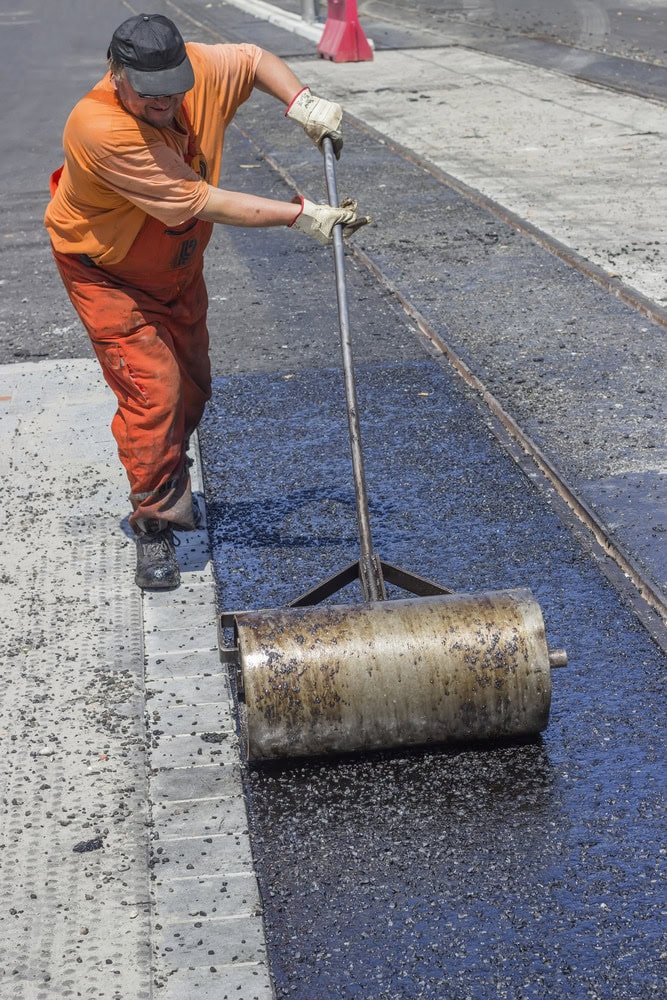
Tennessee doesn’t go easy on asphalt. You get scorching summers that bake the surface, freezing winters that crack weak installations, and everything in between. If your paving wasn’t done right from the start, you’ll see it fast—cracks spreading, edges crumbling, water pooling where it shouldn’t.
When the work is done correctly, you don’t think about your driveway or parking lot. It drains properly, stays smooth, and holds up year after year without constant repairs eating into your budget. That’s the difference between asphalt paving that’s just laid down and asphalt paving that’s engineered to last.
You get a surface that protects your property value, keeps your business looking professional, and saves you money over time. No callbacks. No surprise failures two years in. Just solid, reliable pavement that does its job.
We’ve been serving Wilson County and the Nashville area for over five decades. As a veteran-owned company, our work ethic is built on discipline, accountability, and doing what we say we’re going to do. No shortcuts. No excuses.
College Grove is a tight-knit community where word travels fast. Homeowners here care about their properties—whether it’s a historic home on rolling countryside or a newer build near Arrington Vineyards. Businesses need parking lots that can handle daily traffic without falling apart. We understand what’s at stake when you’re choosing who to trust with a major investment like asphalt paving.
We handle everything from residential asphalt driveways to commercial paving projects, plus tar and chip installations for rural properties. We’ve seen it all, fixed it all, and know how to build it right from the ground up.

First, we assess the site. That means looking at drainage, grading, soil conditions, and what kind of base you’re working with. If there’s an old driveway that needs to go, we handle that during prep. The goal is a stable foundation—because if the base isn’t right, nothing on top of it will last.
Next comes grading and compaction. This step determines how water moves across and away from the asphalt. Poor drainage is one of the fastest ways to destroy a new driveway, so this isn’t something we skip or rush. Proper slope and a solid compacted base are non-negotiable.
Then the asphalt goes down. We lay high-quality material at the right thickness for your specific use—whether that’s a residential driveway or a commercial parking lot that sees heavy traffic. It’s compacted smooth, edges are finished clean, and the surface is left to cure properly. Most residential projects wrap up in one to two days. You’ll need to stay off it for about 24 to 48 hours, and full curing takes a few weeks, but after that, you’re good to go.

Ready to get started?
You’re getting asphalt paving from a contractor who’s been doing this for 50 years, not someone who just picked up a roller last summer. That experience shows up in the details—proper thickness for your specific application, correct compaction, attention to drainage, and materials that hold up under Tennessee’s temperature swings.
For homeowners in College Grove, that means a driveway that improves your curb appeal and adds value to your property. Asphalt is flexible enough to handle freeze-thaw cycles better than concrete, and it’s cost-effective without sacrificing durability. When it’s installed correctly and maintained with periodic sealcoating every few years, you’re looking at 20 to 30 years of reliable use.
For businesses, it means a parking lot that makes a solid first impression and stands up to daily wear. Cracks and potholes don’t just look bad—they’re liability risks. A well-paved lot with proper striping keeps traffic flowing, reduces maintenance headaches, and signals to customers that you run a professional operation. College Grove’s rural character and proximity to Nashville means you get a mix of local traffic and visitors, and your parking lot needs to handle both without falling apart.

With proper installation and regular maintenance, asphalt paving in College Grove can last 20 to 30 years. The lifespan depends on a few factors: the quality of the base preparation, the thickness of the asphalt layer, how well it drains, and whether you keep up with sealcoating every two to three years.
Tennessee weather is tough on pavement. You get hot summers that can soften asphalt and cold winters that cause contraction. If the base wasn’t compacted correctly or drainage wasn’t addressed, you’ll see premature cracking and deterioration. But when it’s done right from the start, asphalt holds up remarkably well.
Sealcoating is your best defense against UV damage, water infiltration, and everyday wear. It’s a relatively inexpensive maintenance step that adds years to your pavement’s life. Think of it like changing the oil in your car—skip it, and you’ll pay a lot more down the road.
Asphalt is more flexible than concrete, which makes it better suited for Tennessee’s temperature swings. When it gets cold, asphalt contracts and expands without cracking as easily as concrete does. That flexibility is a big advantage in climates where you see freezing winters and hot summers.
Asphalt also costs less upfront and is faster to install. Most residential paving projects are done in one to two days. If you ever need repairs, patching asphalt is straightforward and blends in well. Concrete repairs, on the other hand, are more noticeable and expensive.
The trade-off is maintenance. Asphalt needs sealcoating every few years to protect it from UV rays and water damage. Concrete doesn’t require sealcoating, but when it cracks—and it will eventually—the repair is more involved. For most homeowners in College Grove, asphalt offers better value, especially when you factor in longevity and ease of maintenance.
You should wait at least 24 to 48 hours before driving on new asphalt. That gives it enough time to cool and harden to the point where it can handle vehicle weight without leaving impressions or damage.
Full curing takes longer—about 20 to 30 days. During that time, the asphalt continues to harden and reach its maximum strength. You can use it after the first couple of days, but avoid parking in the same spot repeatedly or making sharp turns on it during the first few weeks.
Heavy vehicles or equipment should stay off the asphalt even longer. If you’re planning a move or expecting a delivery truck, let us know ahead of time. We can advise on timing or suggest ways to protect the surface during the curing period.
Asphalt paving in the Nashville area, including College Grove, typically runs between $4 and $6 per square foot for a standard installation with 3 to 4 inches of asphalt. For a typical two-car driveway, you’re looking at somewhere between $3,500 and $6,200, depending on size and site conditions.
Several factors affect the final cost. If you need the old driveway removed, that adds to the price. Grading and drainage work increase costs but are essential for a long-lasting result. The thickness of the asphalt layer matters too—heavier use requires a thicker application. Difficult access, steep slopes, or soil issues can also drive up the price.
The best way to get an accurate number is to have us come out and assess your specific situation. We’ll measure the area, evaluate the existing conditions, and give you a detailed estimate. Be wary of quotes that seem too good to be true—cheap paving usually means shortcuts that cost you more in repairs later.
Yes, sealcoating is one of the most important things you can do to extend the life of your asphalt driveway. It protects the surface from UV rays, water infiltration, oil spills, and everyday wear. Without it, asphalt oxidizes and becomes brittle, leading to cracks and deterioration.
You should wait about six months after installation before applying the first sealcoat. After that, plan to reseal every two to three years, depending on traffic and weather exposure. The cost is typically between $3 and $7 per square foot, which is a small investment compared to the cost of repaving.
Sealcoating also improves the appearance of your driveway, giving it that fresh, dark finish that makes your property look well-maintained. It’s a simple step that pays off in both longevity and curb appeal. Skip it, and you’ll likely need major repairs or replacement years sooner than necessary.
Absolutely. Asphalt is actually one of the best materials for Tennessee’s climate because of its flexibility. Unlike rigid materials like concrete, asphalt can expand and contract with temperature changes without cracking as easily. That’s critical in an area where you see hot, humid summers and winters with freezing temperatures.
The dark color of asphalt also works in your favor during winter. It absorbs heat from the sun, which helps melt snow and ice faster than lighter-colored surfaces. That means less time dealing with slippery conditions and fewer freeze-thaw cycles that can damage the pavement.
The key is proper installation. If the base isn’t prepared correctly or drainage isn’t addressed, even the best asphalt will fail prematurely. But when it’s done right, asphalt holds up extremely well to everything College Grove’s weather throws at it. Regular maintenance like sealcoating adds another layer of protection against the elements.
Other Services we provide in College Grove