
Hear from Our Customers
Your driveway takes a beating. Between Tennessee’s freeze-thaw cycles, summer heat, and everything your vehicles put it through, you need a surface that holds up without constant babysitting.
Tar and chip paving gives you exactly that. The textured stone surface grips in wet weather and snow. It flexes with temperature changes instead of cracking like traditional asphalt. And here’s the part that matters most: you’re not resealing it every few years or worrying about whether it’ll survive another winter.
It costs 25 to 40 percent less than standard asphalt, which means you can pave that long driveway without emptying your savings. The rustic, natural look fits right in with Walnut Grove properties. And when it’s done, you’ve got a surface that lasts 7 to 10 years—potentially longer with basic upkeep—without the maintenance headaches that come with other options.
We’ve been serving Wilson County and the surrounding areas for over 50 years. We’re veteran-owned, locally based, and we’ve seen just about every driveway challenge Tennessee can throw at a property owner.
We specialize in tar and chip installations because we know how well they work for rural properties like the ones throughout Walnut Grove. This isn’t a side service we offer—it’s what we do. We understand the soil, the weather patterns, the drainage issues that come up in Sumner County, and how to build a driveway that handles all of it.
When you work with us, you’re working with people who live in this area and have built our reputation here. We show up when we say we will, we do the work right, and we stand behind it.

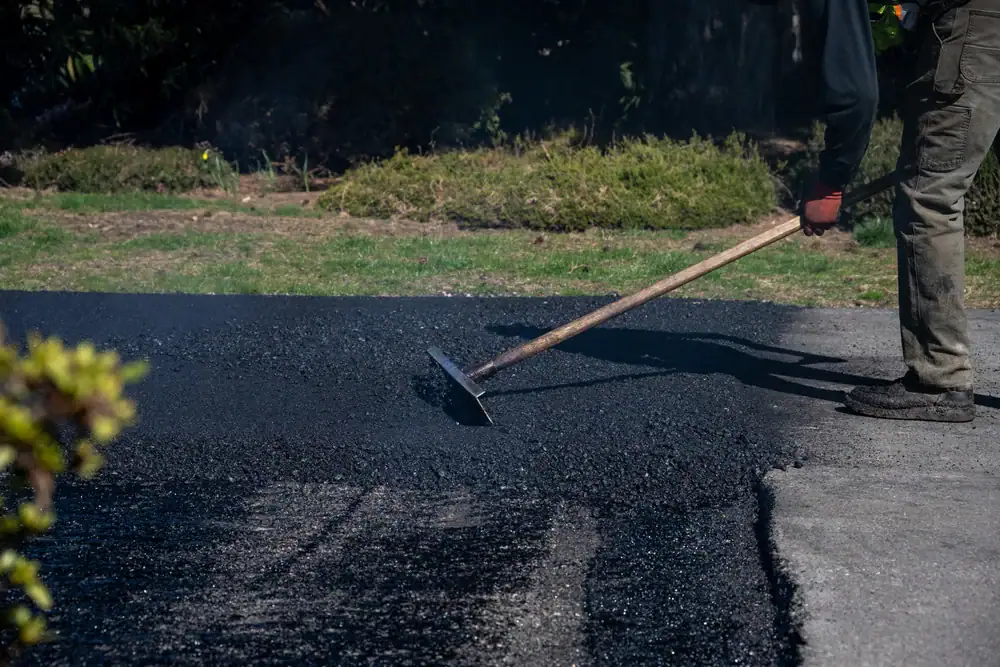
First, we prepare the site. That means grading and leveling to prevent drainage problems down the road. If you’ve got an existing driveway in decent shape, we can work with that. If we’re starting fresh, we lay down a solid gravel base and compact it properly—this step determines how long your driveway lasts.
Next comes the hot liquid asphalt. We apply it evenly across the surface using specialized equipment. Timing matters here because the asphalt needs to stay hot for the next step.
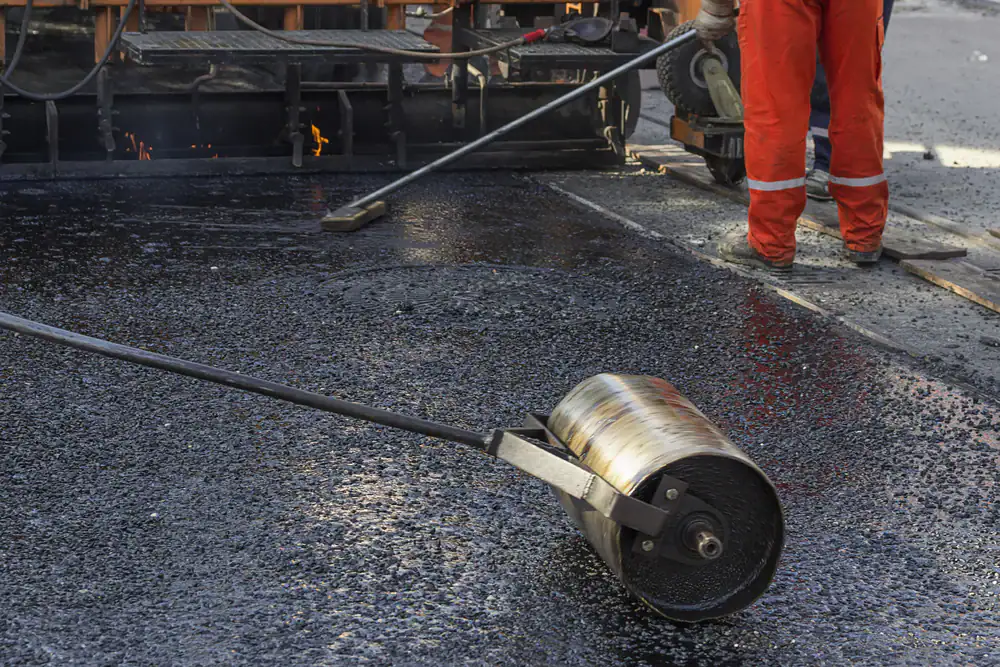
While it’s still hot, we spread crushed stone chips over the entire surface. The type and size of stone affects both the look and the performance, so we help you choose what works best for your property and traffic needs. Then we compact everything with heavy rollers, pressing those stones firmly into the asphalt to create a strong bond.
For most driveways, we do this process twice—a double seal—to make sure you’re getting maximum durability. After compaction, we sweep away any loose stones, and then it cures for 24 to 48 hours before you can drive on it.

Ready to get started?
Walnut Grove properties tend to have longer driveways than you’d find closer to the city. That’s one reason tar and chip makes so much sense here—when you’re paving 200 feet instead of 50, cost per square foot matters.
The other reason is the setting. Properties out here have that rural Tennessee character, and tar and chip fits that aesthetic. It doesn’t look like a suburban subdivision. It looks like it belongs on your land.
You’re also dealing with weather that swings from hot summers to cold winters, sometimes in the same week. Tar and chip handles those temperature changes better than traditional asphalt because the stone surface naturally expands and contracts without cracking. The textured finish gives you traction when it rains or when you’re dealing with ice—something that matters when your driveway has any kind of slope to it.
Maintenance is straightforward. Sweep off debris and loose stones occasionally. Fill any cracks that do appear with cold-patch asphalt filler. Avoid sharp turns and unnecessarily heavy loads. That’s about it. No sealcoating every two years. No constant repairs. Just a driveway that does its job without demanding much from you.

Tar and chip paving typically costs between $2 and $5 per square foot, which is 25 to 40 percent less than traditional asphalt. For a standard driveway in Walnut Grove, you’re looking at roughly $700 to $2,900 for an average-sized installation, though longer rural driveways will cost more based on square footage.
The reason it’s less expensive comes down to materials and process. You’re using liquid asphalt and stone chips rather than hot mix asphalt, and the installation is faster. But cheaper doesn’t mean lower quality—you’re still getting a durable surface that lasts 7 to 10 years with proper care, and potentially up to 15 years if conditions are right and you maintain it well.
The real savings show up over time because you’re not paying for sealcoating every few years like you would with traditional asphalt. When you factor in lower maintenance costs, tar and chip becomes even more cost-effective for rural properties with longer driveways.
A properly installed tar and chip driveway lasts 7 to 10 years on average, with some lasting 15 years or more depending on traffic, maintenance, and installation quality. Tennessee’s climate actually works in favor of tar and chip because the surface handles freeze-thaw cycles better than traditional asphalt.
The textured stone surface expands and contracts naturally with temperature changes, which means you’re less likely to see the kind of cracking that destroys smooth asphalt driveways. The rough texture also sheds water better, reducing the moisture penetration that causes damage during freezing temperatures.
What affects lifespan most is the quality of the base preparation and how much traffic the driveway sees. A well-prepared gravel base that’s properly compacted will support the surface for years. Light to moderate vehicle traffic extends the life compared to heavy equipment or commercial use. And basic maintenance—sweeping debris, filling small cracks promptly—keeps small issues from becoming big problems.
Yes, if your existing driveway is in relatively good condition. We can apply tar and chip over asphalt or even a solid gravel base, which can save you money on removal and disposal costs. The key is that the existing surface needs to be stable and not severely damaged.
We’ll evaluate your current driveway before making a recommendation. If there are major cracks, potholes, or drainage issues, we’ll need to address those first—either through repairs or by starting fresh with proper grading. Trying to cover up serious problems just means those problems will show through the new surface eventually.
For driveways that are structurally sound but just worn or faded, tar and chip makes an excellent resurfacing option. It gives you a completely new look and performance without the cost of tearing everything out. We prep the surface, make any necessary repairs, and then follow the standard installation process. The result is a refreshed driveway that should give you another 7 to 10 years of service.
Tar and chip driveways are low maintenance compared to traditional asphalt, but they’re not maintenance-free. The main advantage is that you don’t need to sealcoat every two to three years like you would with standard asphalt, which saves both time and money over the life of the driveway.
Regular maintenance is simple. Sweep away debris and any loose stones that work their way to the surface—this is especially important in the first few weeks after installation. If you notice small cracks or holes developing, fill them promptly with cold-patch asphalt filler to prevent water from getting underneath and causing bigger problems.
Avoid making sharp turns on the surface, especially when it’s hot, as this can dislodge stones. If you’re using a snowplow in winter, keep the blade slightly above the surface rather than scraping directly against it—a shovel or snowblower works better for clearing snow without damaging the stone layer. Heavy vehicles and equipment can also dislodge stones, so try to minimize that kind of traffic when possible. With these basic practices, your driveway will hold up well for years without intensive maintenance.
Tar and chip is ideal for long rural driveways, which is exactly why it’s so popular in areas like Walnut Grove. When you’re paving 200, 300, or even 500 feet, the cost difference between tar and chip and traditional asphalt becomes substantial—you’re saving thousands of dollars while still getting a durable, functional surface.
Rural driveways also benefit from the natural, textured look of tar and chip. It complements the setting better than a smooth black asphalt surface, and it provides excellent traction on slopes or in wet conditions. The stone surface grips vehicle tires, which matters when your driveway has any grade to it or when you’re dealing with rain, mud, or ice.
Another advantage for long driveways is that tar and chip handles the kind of moderate traffic typical of residential use without problems. You’re not running a parking lot—you’re driving in and out a few times a day. That level of use is perfect for tar and chip. And because maintenance is minimal, you’re not constantly maintaining a long stretch of driveway. It does its job without demanding much attention, which is exactly what you want for a rural property.
You can typically drive on a new tar and chip driveway after 24 to 48 hours of curing time, depending on weather conditions. Temperature and humidity affect how quickly the asphalt sets, so we’ll give you specific guidance based on conditions when we complete your installation.
During that initial curing period, it’s important to keep all traffic off the surface—vehicles, foot traffic, everything. The asphalt needs time to cool and bond properly with the stone chips. Driving on it too soon can dislodge stones and damage the surface before it’s had a chance to set up correctly.
After the curing period, you’ll want to drive carefully for the first few days and avoid sharp turns or sudden stops, which can displace stones while everything is still settling in. Some loose stones are normal in the first week or two—we sweep away the excess, but a few may continue to work loose initially. This is expected and doesn’t indicate a problem. Within a couple of weeks, the surface will be fully settled and ready for normal use without any special precautions.
Other Services we provide in Walnut Grove