

Hear from Our Customers
Your driveway stops being a problem. No more puddles after rain because the grading actually works. No more worrying whether it’ll crack apart in two years because the base was rushed. No more cringing every time someone pulls up to your house.
You get a smooth, clean surface that handles daily wear without falling apart. The kind that makes your property look finished instead of neglected. The kind that adds value when it’s time to sell—not a liability you have to explain away.
And you’re not dealing with repairs every other season. A properly installed asphalt driveway in Walnut Grove can go 15 to 30 years when it’s built on a solid foundation and maintained correctly. That’s the difference between doing it right and doing it cheap.
TriStar Paving is a veteran-owned company based in Wilson County with over 50 years of combined experience in asphalt paving. We’ve handled everything from residential driveways to commercial parking lots across the Nashville area, and we’ve seen what works and what doesn’t.
Being local to Wilson County means we understand how Tennessee weather affects asphalt, what kind of base preparation works in this soil, and how to grade for drainage that actually functions. We’re not a crew passing through town looking for quick jobs. We’re the ones who have to stand behind our work because we live here too.
First, the site gets assessed. That means looking at drainage, slope, soil conditions, and whether your existing driveway needs to be removed or if it can be built over. This isn’t a five-minute glance—it’s figuring out what needs to happen so the finished product doesn’t fail.
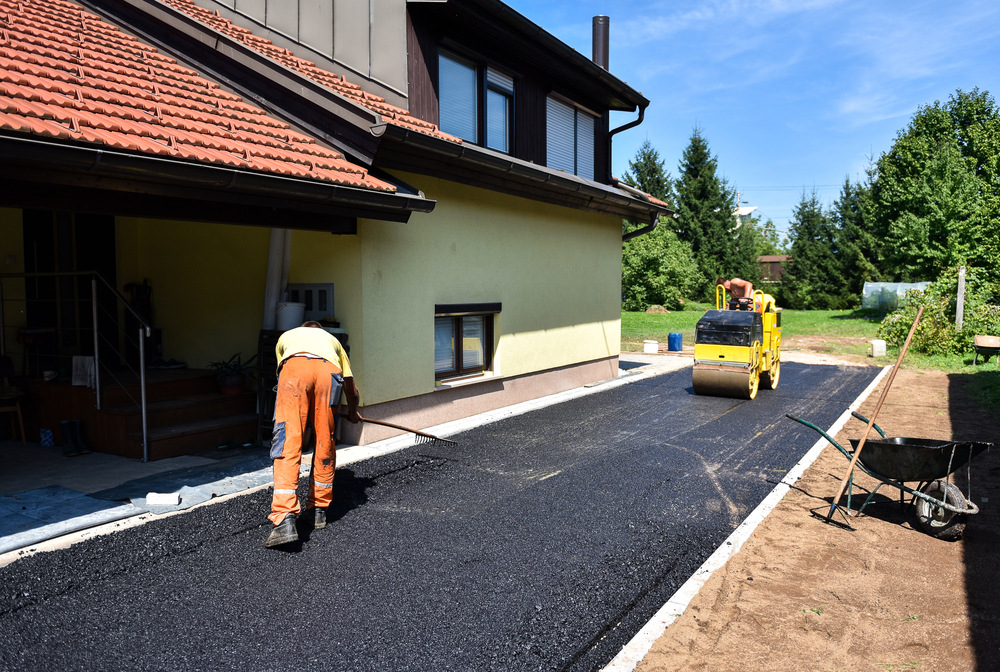
Next comes site preparation and grading. The ground has to be level and properly sloped so water runs off instead of pooling. If your old driveway is coming out, it gets demolished and hauled away. Then a solid base layer goes down—usually gravel or crushed stone—and gets compacted. This base is what keeps your driveway from sinking or cracking under weight.
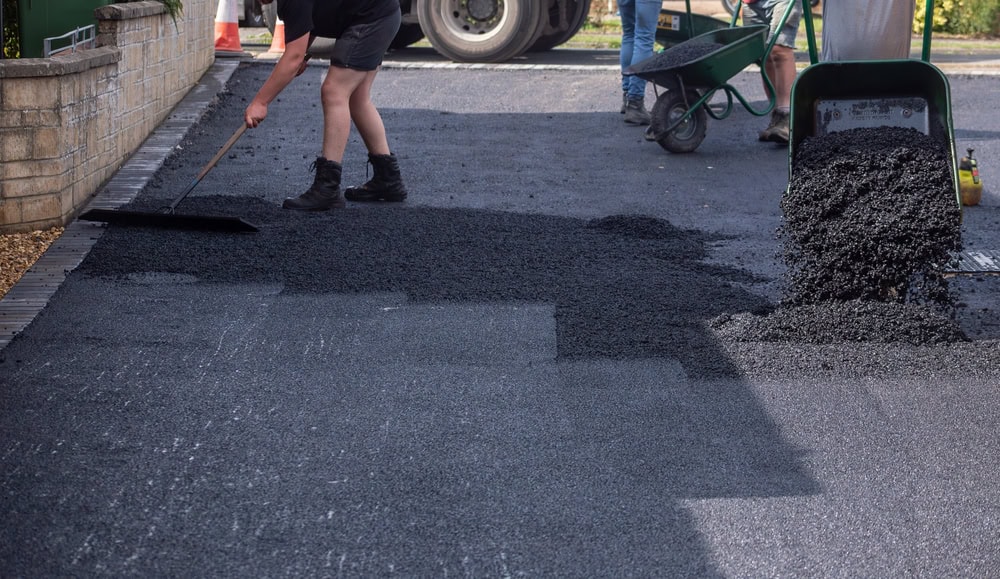
Then the asphalt gets laid. Hot mix asphalt is spread evenly across the prepared base, typically 3 to 4 inches thick for residential driveways. It’s compacted with heavy rollers while it’s still hot to create a dense, durable surface. Once it’s down, you’ll need to stay off it for at least 24 to 48 hours while it cools and begins to cure. Full curing takes a few weeks, but you can use it lightly after that initial waiting period.
Ready to get started?
Every driveway paving project in Walnut Grove starts with proper site evaluation and preparation. That includes grading to ensure water drains away from your home and garage, not toward it. It includes removing old materials if needed and building a compacted base that won’t shift or settle over time.
The asphalt itself is hot mix asphalt applied at the right thickness for residential use—typically 3 to 4 inches. Thinner than that and you’re asking for premature cracking. Thicker might be overkill unless you’re parking heavy equipment. The edges get finished cleanly where they meet your lawn, garage, or street.
In Walnut Grove and the wider Wilson County area, drainage is a common issue that gets overlooked by inexperienced contractors. Tennessee gets its share of rain, and if your driveway doesn’t shed water properly, you’ll end up with erosion, cracks, and premature failure. That’s why grading and slope are built into the process from the start, not treated as an afterthought.
You also get transparency about timeline and curing. Most residential driveways can be completed in a day, but the asphalt needs time to cool and harden before you can drive on it. Expect to keep vehicles off for 24 to 48 hours minimum, with full curing happening over the next few weeks.
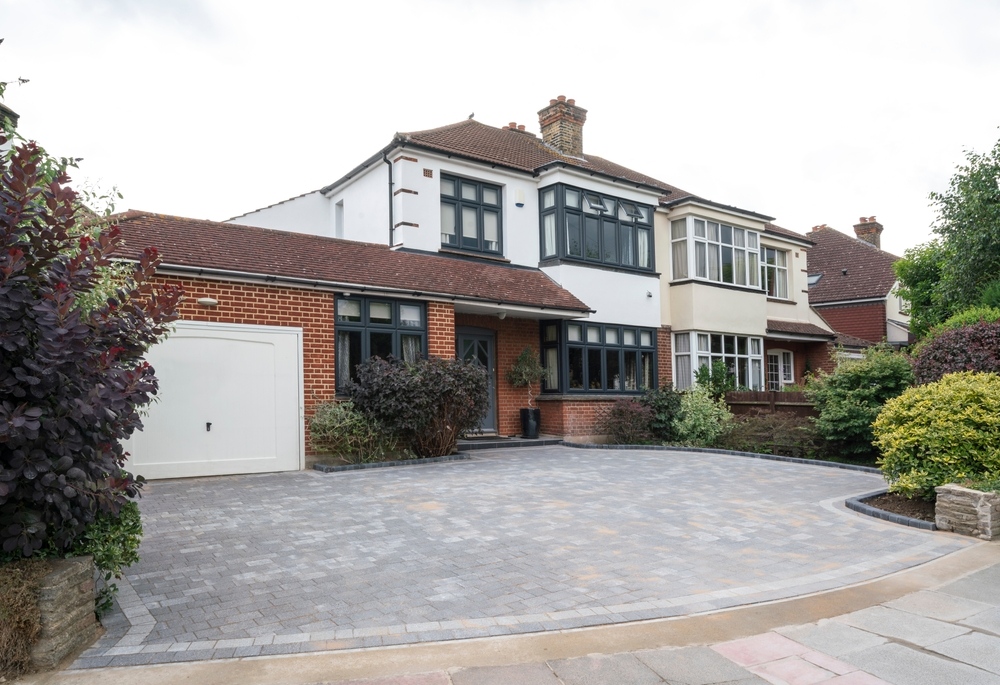
A properly installed asphalt driveway in Walnut Grove can last anywhere from 15 to 30 years. The lifespan depends on a few key factors: the quality of the base preparation, the thickness of the asphalt, how well it was compacted during installation, and how it’s maintained over time.
Tennessee’s climate is generally favorable for asphalt, but you still need proper drainage to prevent water from undermining the base. Regular maintenance like sealcoating every few years helps protect the surface from oxidation and extends the life significantly. If you skip maintenance and let small cracks go unrepaired, water gets in, freeze-thaw cycles do their damage, and you’re looking at major repairs or replacement much sooner.
The difference between a driveway that lasts 15 years and one that lasts 30 often comes down to installation quality. Shortcuts on base prep or using thin asphalt to save money will cost you more in the long run.
Driveway paving costs in the Nashville and Wilson County area typically run between $3 and $7 per square foot for residential asphalt installations. For a standard two-car driveway around 12 feet by 40 feet, you’re looking at roughly $1,800 to $3,100, depending on the specifics of your project.
Several factors affect the final price. If your existing driveway needs to be removed, that adds demolition and disposal costs. If your site needs significant grading work or drainage improvements, that increases labor and materials. Thicker asphalt costs more but lasts longer. Complicated layouts or difficult access can also bump up the price.
The cheapest quote isn’t always the best value. A contractor who cuts corners on base preparation or uses thinner asphalt might save you money upfront, but you’ll pay for it with repairs and earlier replacement. You’re better off paying a fair price for work that’s done right than saving a few hundred dollars on a driveway that fails in five years.
The best time for driveway paving in Walnut Grove is late spring through early fall, typically from May through October. Asphalt needs warm temperatures to cure properly—ideally above 50 degrees consistently. Cold or wet weather affects how well the asphalt compacts and bonds, which can compromise durability.
Summer is peak season, which means we’re busiest and schedules can fill up. If you’re planning a project, it’s smart to book early in the season or be flexible with timing. We sometimes have better availability during slower periods, but you still need the weather to cooperate.
Rain delays are common because asphalt can’t be laid on wet surfaces. A light drizzle might not stop the work, but heavy rain or saturated ground will push your project back. We’ll be upfront about weather-related delays rather than rushing a job in poor conditions.
It depends on how much damage you’re dealing with. If you’ve got a few small cracks or minor surface wear, repairs or resurfacing might be enough. Resurfacing means applying a new layer of asphalt over the existing driveway, which costs significantly less than full replacement—usually around $2 to $4 per square foot.
But if your driveway has widespread cracking, potholes, significant settling, or drainage problems, replacement is usually the smarter move. Resurfacing over a failing base just kicks the problem down the road. You’ll end up with the same issues showing through the new surface within a couple years.
We’ll tell you honestly whether repair makes sense or if you’re throwing money away. If the base is compromised or the driveway is severely deteriorated, replacement gives you a fresh start with proper grading and a solid foundation. It costs more upfront but saves you from repeated repairs that never really fix the underlying problem.
You should wait at least 24 to 48 hours before driving on a newly paved asphalt driveway. That gives the asphalt time to cool and begin hardening. Driving on it too soon can leave ruts or impressions that become permanent.
Even after that initial waiting period, the asphalt is still curing. Full curing takes about 20 to 30 days. During that time, you can use the driveway normally, but be careful with heavy loads or sharp turns that might scuff the surface. Avoid parking in the exact same spot every day, and don’t let heavy vehicles or equipment sit on it for extended periods.
We’ll give you specific guidance based on weather conditions and the thickness of your installation. Hotter weather means faster curing. Cooler temperatures slow the process down. Following the recommended waiting period protects your investment and ensures the driveway performs the way it should for decades.
Asphalt and concrete both work for driveways, but they have different characteristics. Asphalt is generally more affordable upfront, costing $3 to $7 per square foot compared to concrete’s higher price point. Asphalt is also more flexible, which helps it handle freeze-thaw cycles without cracking as easily. It’s faster to install and can be used within a couple days.
Concrete is more rigid and can last longer in ideal conditions, but it’s more prone to cracking from ground movement or temperature changes. It also takes longer to cure—you’re typically waiting a week before you can drive on it. Repairs to concrete are more visible and harder to blend in, whereas asphalt repairs can be patched and sealed more seamlessly.
For Tennessee’s climate and typical residential use, asphalt is usually the practical choice. It handles temperature fluctuations well, costs less to install and maintain, and gives you a durable surface that’s easy to repair when needed. Concrete might make sense if you’re prioritizing a specific aesthetic or have unique requirements, but for most homeowners in Walnut Grove, asphalt delivers better value.
Other Services we provide in Walnut Grove