
Hear from Our Customers
Your driveway stops being a headache. No more loose gravel flying everywhere when you drive up. No more muddy ruts after every storm.
You get a solid surface that grips your tires, even when it’s wet. The textured finish looks natural but performs like pavement. And unlike regular asphalt, you won’t be sealing it every few years.
Most property owners in Rome are surprised how much better their place looks with a proper tar and chip driveway. It’s the difference between fighting with gravel and actually having a real entrance to your home.
We’ve been installing tar and chip driveways across Wilson County and the greater Nashville area since the 1970s. We’re veteran-owned, which means we understand the value of doing things right the first time.
Rome property owners deal with specific challenges – the clay soil, the freeze-thaw cycles, the drainage issues that come with Tennessee terrain. We’ve seen it all and know how to build a base that won’t fail you.
When other contractors are learning on your driveway, we’re applying decades of experience. That’s why our clients come back when they need work done on other properties.

First, we prepare your base properly. This isn’t about dumping materials on top of what’s there – we grade and compact until you have a foundation that won’t shift or settle.
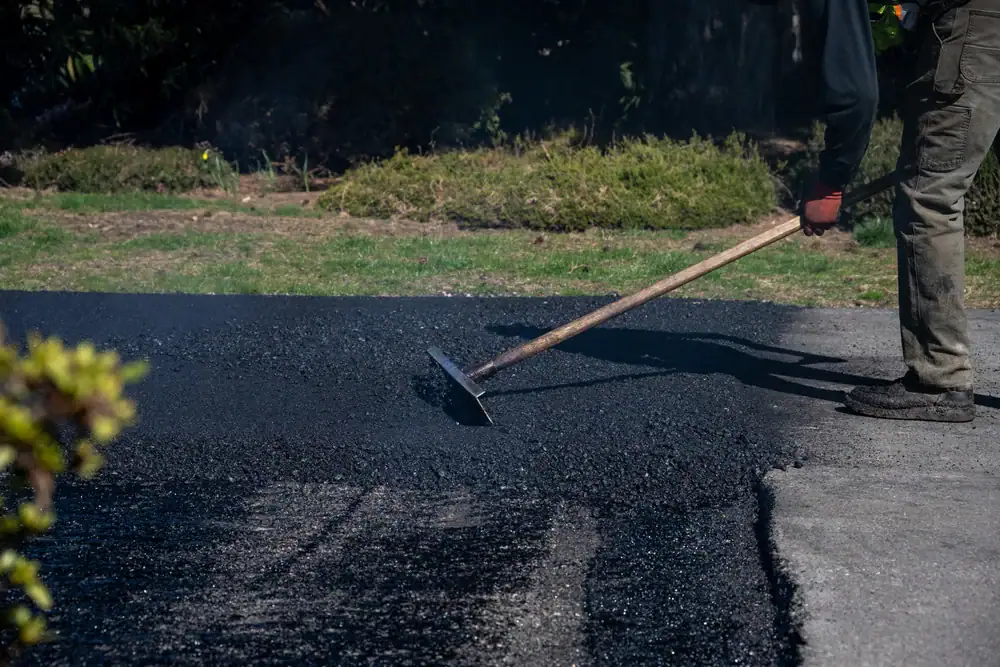
Next comes the hot liquid asphalt application. We spray it at exactly the right temperature and thickness. Too little and your stones won’t bond. Too much and you’ll have a mess.
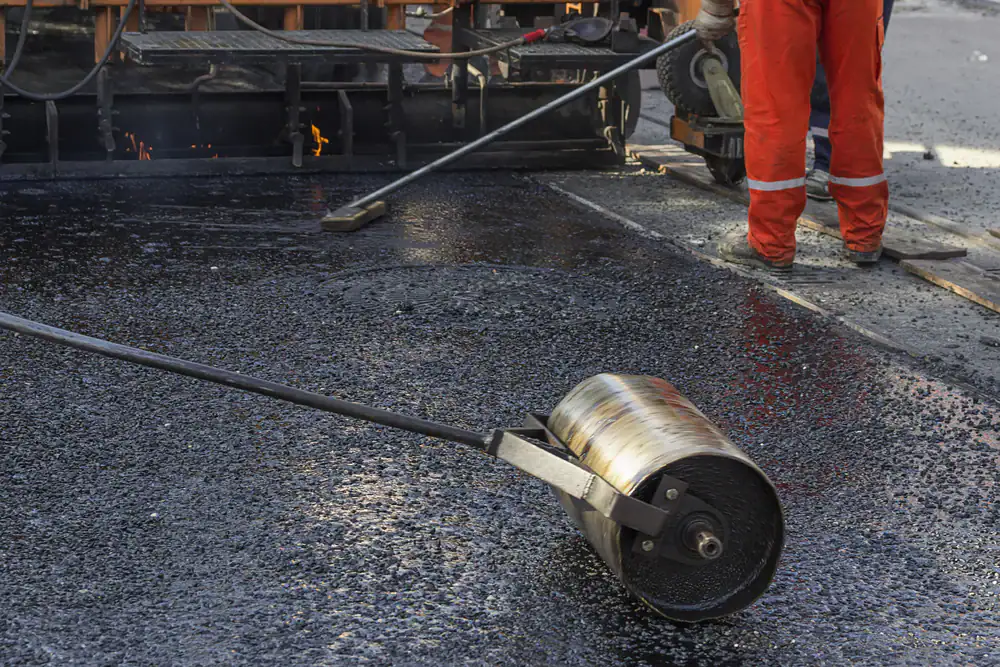
Then we spread the aggregate chips and roll everything with heavy equipment. This isn’t a quick roll-over – we make multiple passes to ensure every stone is locked into the asphalt base. The result is a surface you can drive on immediately, with the durability to handle years of Tennessee weather.

Ready to get started?
Rome sits in terrain that’s tough on driveways. The clay soil expands and contracts. Water runs off the hills and needs somewhere to go. Regular gravel washes out, and full asphalt costs more than most people want to spend.
Tar and chip gives you the best of both worlds. You get a bound surface that won’t wash away, but at a fraction of asphalt’s cost. The aggregate we use is sized specifically for this area’s conditions – not too large to come loose, not too small to provide traction.
Local property owners also appreciate that tar and chip handles our freeze-thaw cycles better than you’d expect. The flexible asphalt base moves with temperature changes instead of cracking like concrete. And when you do need maintenance years down the road, it’s straightforward to add another layer.

A properly installed tar and chip driveway typically lasts 7-10 years before needing resurfacing, though with good maintenance you can extend that to 15 years. The lifespan depends heavily on the base preparation and installation quality.
In Tennessee’s climate, the key is having a contractor who understands how to handle our clay soil and freeze-thaw cycles. Poor installation will fail in 2-3 years, while professional work with proper base preparation gives you the full lifespan you’re paying for.
Traffic volume also matters. A residential driveway with normal car traffic will last longer than a surface that sees heavy trucks or equipment regularly.
Tar and chip typically costs 25-40% less than traditional asphalt paving. For a typical residential driveway in Rome, you’re looking at significant savings – often thousands of dollars depending on the size.
The exact cost depends on your driveway’s length, width, current condition, and access for our equipment. We provide detailed estimates that break down material and labor costs so you know exactly what you’re paying for.
Keep in mind that while the upfront cost is lower, tar and chip may need resurfacing sooner than asphalt. However, even factoring in future maintenance, most property owners still come out ahead financially over a 15-20 year period.
Yes, but only if your existing base is properly prepared. We don’t just spray tar over loose gravel – that’s a recipe for failure. We evaluate your current base, grade it properly, and compact it to create a stable foundation.
If your gravel driveway has good drainage and the right depth of material, we can often work with what’s there. However, if there are soft spots, poor drainage, or insufficient base material, we’ll need to add or replace material first.
The key is honest assessment upfront. We’d rather tell you what needs to be done correctly than give you a low bid that results in a failing driveway in two years.
You can drive on your new tar and chip driveway immediately after installation. Unlike asphalt that needs curing time, tar and chip is ready for traffic as soon as we finish rolling.
However, we recommend avoiding sharp turns or heavy braking for the first few days while everything fully sets. The surface will continue to compact and settle slightly under normal traffic, which actually improves its durability.
During the first week, you might notice a few loose stones – this is normal. We typically return after a few days to sweep any excess aggregate that hasn’t bonded properly.
Tar and chip can work on steep driveways, but it requires proper installation techniques and realistic expectations. The key is adequate base preparation and using the right aggregate size for traction.
For steep grades, we often recommend slightly larger aggregate chips to provide better grip, especially important during wet conditions. The installation process also needs to account for how materials will behave on the slope during application.
However, extremely steep driveways with sharp turns may be better suited for traditional asphalt. We’ll evaluate your specific situation and give you honest advice about whether tar and chip is the right choice for your property’s grade and usage patterns.
Tar and chip driveways are relatively low-maintenance compared to other paving options. You don’t need regular sealcoating like asphalt, and minor surface irregularities are less noticeable than on smooth pavement.
Basic maintenance involves sweeping debris and loose stones occasionally, and filling any potholes that develop with cold-patch material. If you live in an area with heavy snow, avoid aggressive plowing that can scrape up the surface – a snow blower or leaving a thin layer works better.
After 7-10 years, you’ll likely want to add a new layer of tar and chip to refresh the surface. This maintenance resurfacing costs much less than full replacement and extends the life significantly.
Other Services we provide in Rome