

Hear from Our Customers
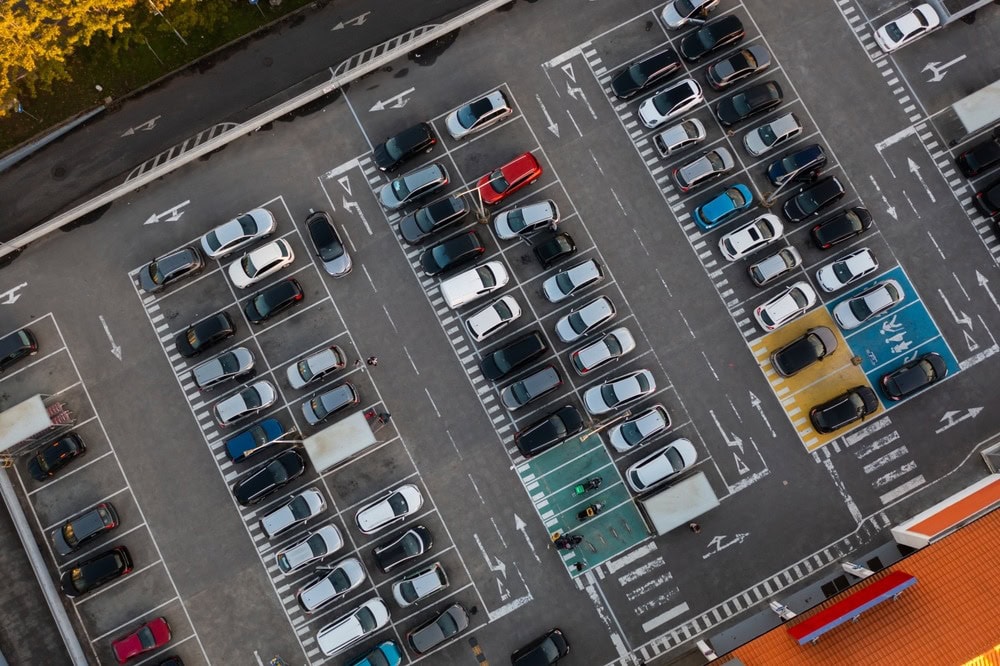
You’re not just getting fresh asphalt. You’re getting a parking lot that doesn’t buckle under delivery trucks, doesn’t pool water after every storm, and doesn’t embarrass you in front of customers.
The difference shows up in year ten when your lot still looks solid while others are patching potholes every spring. It shows up when you’re not dealing with liability claims because someone tripped in a crater. And it shows up in your property value when that parking lot actually adds to your building instead of dragging it down.
This happens because the foundation was done right—not rushed, not skipped, not half-measured. Proper grading means water goes where it’s supposed to. A compacted sub-base means the asphalt above it has something stable to sit on. And quality materials mean you’re not repairing cracks before the striping even fades.
We’re a veteran-owned company based in Wilson County, serving Rome and the greater Nashville area with over 50 years of combined experience in commercial and residential paving. We’ve seen what happens when contractors cut corners, and we’ve built our reputation on doing the opposite.
Every parking lot starts with understanding what that specific property needs—not a one-size-fits-all approach, but an honest assessment of soil conditions, drainage requirements, and expected traffic load. Rome’s businesses need parking solutions that handle Tennessee weather, from summer heat to winter freeze-thaw cycles, and we know how to build for those conditions.
We handle everything from initial site evaluation through final striping, so you’re working with one team that’s accountable for the entire project. No finger-pointing between subcontractors when something needs attention.

First comes the site evaluation—checking soil type, existing drainage, and what’s currently there. If there’s old asphalt, it gets removed down to the subgrade. You can’t build something solid on top of a failing foundation, so this step doesn’t get skipped.
Next is grading and base installation. The ground gets shaped for proper water runoff—typically a 2% slope minimum so water doesn’t sit. Then crushed stone or gravel goes down as the sub-base layer, gets compacted properly, and gets checked for stability. This layer is what keeps your parking lot from shifting and cracking prematurely.
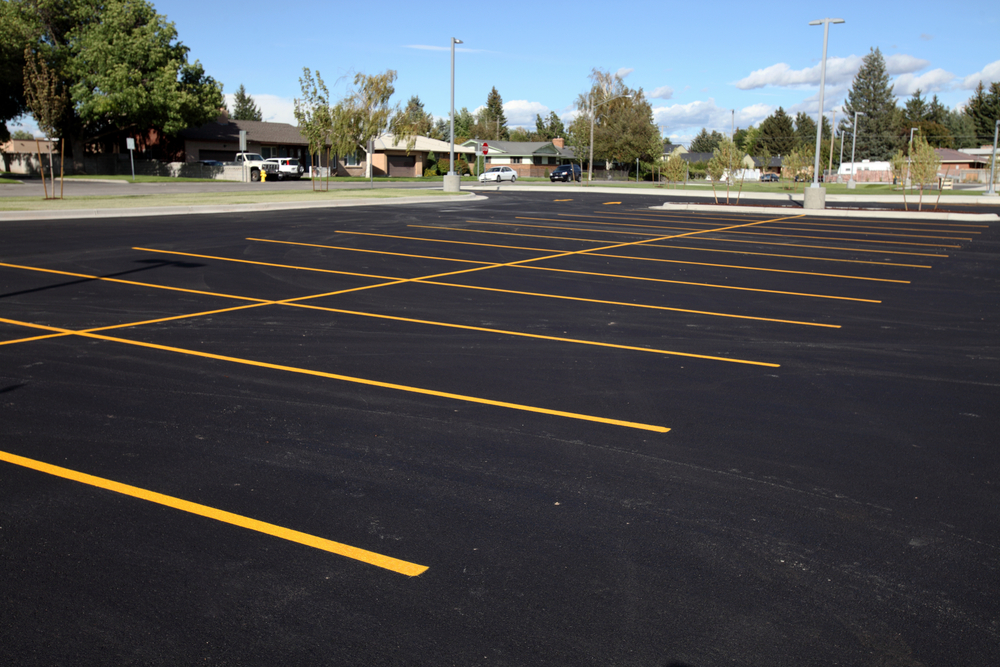
Once the base is solid, hot-mix asphalt gets delivered and installed. The paving machine lays it in passes, our crew monitors for consistent thickness and proper slope, then heavy rollers compact everything while it’s still hot. After curing, the lot gets striped with traffic markings, parking space lines, and ADA-compliant accessibility features.
The whole process typically takes several days to a few weeks depending on size and complexity, but it’s done in a sequence that doesn’t get rushed. Each step has to be right before the next one starts.
Ready to get started?
A complete parking lot paving project in Rome includes site preparation with proper excavation and removal of failing materials. You get a properly engineered sub-base that’s been compacted to the right density—not just eyeballed. The asphalt itself is commercial-grade hot mix designed for the traffic your property sees.
Drainage is built into the design, not added as an afterthought. That means grading that directs water away from your building and prevents pooling that destroys pavement. For Rome businesses, this matters because Tennessee gets its share of rain, and water is asphalt’s biggest enemy.
Striping and marking come standard—parking space lines, directional arrows, loading zones, fire lanes, and ADA-compliant handicap spaces with proper signage. The lot also gets inspected to ensure it meets local codes and accessibility requirements. Some properties need additional features like speed bumps, wheel stops, or reinforced areas for heavy truck traffic, and those get incorporated into the plan from the start.
What you won’t get is a crew that shows up, dumps some asphalt, and disappears. We manage the project from start to finish with attention to the details that determine whether your lot lasts five years or thirty.

A properly constructed asphalt parking lot in Rome should last 20 to 30 years with appropriate maintenance. That lifespan depends heavily on three things: how well it was built initially, how much traffic it handles, and whether you stay on top of basic upkeep.
The first five to seven years typically require minimal maintenance—just routine cleaning and monitoring for any issues. Around year seven to fifteen, you’ll want to address minor repairs, seal cracks as they appear, and apply sealcoating every few years to protect against weather and oxidation. If you skip maintenance during these middle years, you’re shortening the overall lifespan significantly.
Tennessee’s climate does affect longevity. Freeze-thaw cycles can cause cracking if water gets into small gaps and expands when frozen. Summer heat can accelerate oxidation. But a well-built lot with proper drainage and regular crack sealing handles these conditions without major problems. The key is catching small issues before they become big ones—a crack filled today prevents a pothole next year.
Repairs make sense when damage is localized and the underlying structure is still sound. That includes crack filling, pothole patching, and surface treatments like sealcoating. If less than 25% of your parking lot needs attention and the base layers are stable, repairs are usually the smarter financial move.
Replacement becomes necessary when the damage is widespread or structural. If you’re looking at 25-35% or more of the surface needing removal, or if the sub-base has failed and the pavement is sinking or shifting, patching won’t fix the real problem. You’re just putting new asphalt over a failing foundation, and those repairs won’t last.
Signs you need replacement include extensive alligator cracking (interconnected cracks that look like reptile skin), large areas of standing water that indicate base failure, or pavement that’s reached 20-25 years old and showing its age throughout. At that point, the cost of ongoing repairs starts approaching the cost of replacement, and you’re better off starting fresh with a parking lot that’ll give you another 20-30 years. A site evaluation can tell you exactly where your lot stands and what makes sense financially.
A typical commercial parking lot project in Rome takes anywhere from one week to a month depending on size and complexity. A small lot for a local business might be completed in 5-7 days, while a large shopping center or industrial facility could take several weeks.
The timeline breaks down into distinct phases. Site prep and demolition of old pavement usually take 1-3 days. Grading and base installation take another 2-5 days because the base material needs to be installed in layers and properly compacted—this step can’t be rushed. Asphalt installation itself is relatively quick, often completed in 1-2 days for most commercial lots, but then it needs time to cure before striping can be applied.
Weather affects the schedule significantly. Asphalt needs dry conditions and temperatures above 50 degrees to install properly, so rain delays projects and winter work isn’t ideal. We also need to work around your business operations to minimize disruption—sometimes that means working in phases or during off-hours. Spring and fall are typically the best seasons for parking lot work in Tennessee because temperatures are moderate and weather is more predictable.
The sub-base is literally the foundation your parking lot sits on, and if it fails, everything above it fails too. You can pour the best asphalt in the world, but if it’s sitting on unstable ground, it’s going to crack, shift, and develop potholes within a few years.
A proper sub-base does several critical things. It distributes the weight of vehicles across a larger area so the ground beneath doesn’t compact unevenly. It provides drainage so water doesn’t sit under your pavement and weaken the soil. And it creates a stable, level platform that prevents the asphalt from flexing and cracking under traffic.
The sub-base typically consists of crushed stone or gravel installed in layers and compacted with heavy equipment. Each layer gets tested for proper density and stability before the next goes down. Corners get cut here more than anywhere else in parking lot construction because it’s underground work that nobody sees—until the parking lot starts failing. That’s why choosing a contractor who doesn’t skip this step matters. A weak sub-base is like building a house on sand. It might look fine initially, but it won’t stay that way.
Routine maintenance starts with regular cleaning—sweeping away debris and removing any oil or chemical spills promptly since those break down asphalt. You should also inspect your lot at least twice a year, looking for cracks, drainage issues, or areas where the surface is deteriorating.
Crack sealing should happen as soon as you notice cracks forming, typically starting around year five to seven. Small cracks are easy and inexpensive to fill, but if you ignore them, water gets in, freezes, expands, and turns that small crack into a major problem. Sealcoating should be applied every 2-4 years depending on traffic and weather exposure. It protects against UV damage, water penetration, and chemical spills while keeping the lot looking fresh.
For Rome specifically, pay attention after winter. Freeze-thaw cycles are hard on asphalt, so spring is a good time for a thorough inspection and any needed repairs. Also watch for standing water after heavy rain—if water isn’t draining properly, that’s a sign of a bigger issue that needs attention before it causes structural damage. The investment in regular maintenance is small compared to premature replacement, and it can literally double your parking lot’s lifespan from 15 years to 30.
Commercial parking lot paving costs vary widely based on size, current condition, site accessibility, and specific requirements. A small lot might run $15,000-$30,000, while larger commercial properties can easily reach $100,000 or more. The cost per square foot typically ranges from $3-$7 for new asphalt installation, but that’s just the surface layer.
Total project costs include demolition and removal of old pavement if applicable, site grading and preparation, sub-base installation, asphalt paving, and finishing work like striping and curbing. Additional factors that affect price include drainage systems, ADA-compliant features, thickness of asphalt needed for expected traffic, and whether the project requires special engineering for heavy vehicles or difficult soil conditions.
The cheapest bid isn’t always the best value. A contractor who cuts corners on base preparation or uses thinner asphalt might come in lower initially, but you’ll pay for it in repairs and premature replacement. The better question is cost per year of usable life. A properly built lot that lasts 25 years costs less annually than a cheap job that fails in ten. Getting multiple quotes from experienced contractors and asking specific questions about their process—especially regarding base preparation and material specifications—helps you compare apples to apples rather than just looking at bottom-line numbers.
Other Services we provide in Rome