
Hear from Our Customers
Your driveway takes a beating. Tennessee weather swings from summer heat to winter freeze, and every car that rolls across adds more stress. You need something that holds up without draining your budget or demanding constant maintenance.
Tar and chip paving gives you that middle ground. The textured stone surface grips better in rain than smooth asphalt. It doesn’t show every crack that forms. And when it does need attention in 7-10 years, you’re adding a layer on top, not tearing everything out and starting over.
You get a surface that looks more natural than black asphalt—something that fits if your property has that country feel or you just don’t want the suburban cookie-cutter look. The stones come in different colors, so you can pick what works. It costs less upfront than traditional asphalt paving, usually 30-40% less. That’s real money back in your pocket for other projects.
We operate out of Wilson County with over 50 years of combined experience across residential and commercial paving projects. We’re veteran-owned, which means our work ethic runs deep and our standards don’t slide.
La Vergne sits in one of Tennessee’s fastest-growing areas. New neighborhoods pop up, older properties get refreshed, and everyone needs a driveway that handles the traffic and weather. We’ve been doing this work throughout the Nashville area long enough to know what holds up and what fails in Middle Tennessee conditions.
We handle tar and chip installations alongside traditional asphalt paving, so we understand how the options compare. We’re not trying to upsell you into something you don’t need. We’re here to match the right surface to your property, your budget, and how you actually use your driveway.

Tar and chip paving isn’t complicated, but it does require experience to get right. The process moves quickly compared to other paving methods, and you can usually drive on it within a day.
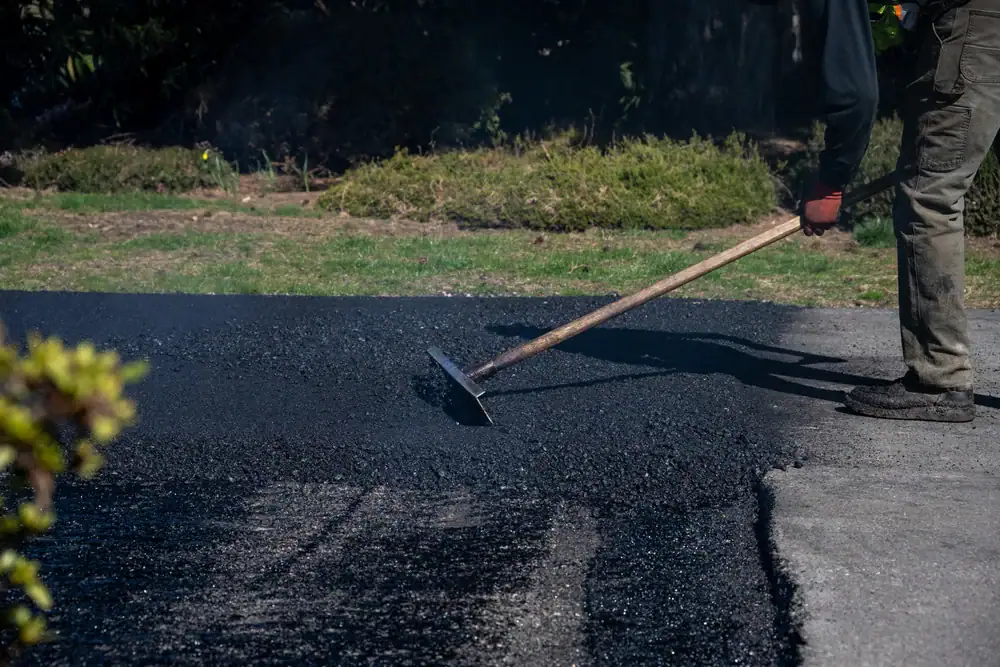
First, the base gets prepared. If you’re replacing an old driveway, damaged sections get removed and the ground gets graded properly. Drainage matters here—La Vergne gets its share of rain, and water needs somewhere to go besides pooling on your driveway. A solid base prevents settling and keeps your surface level.
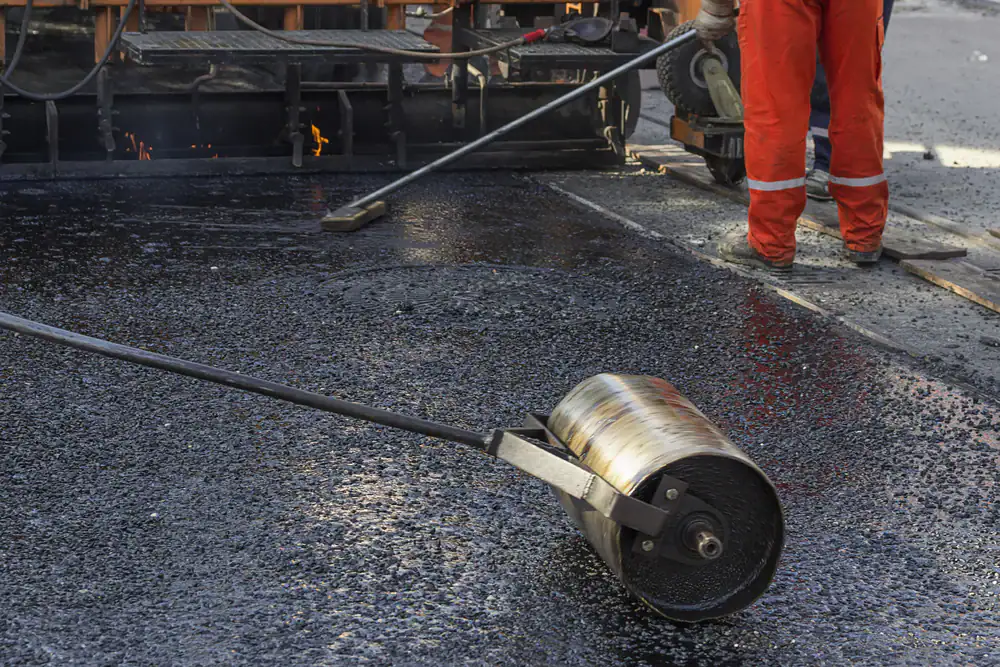
Next comes the hot liquid asphalt. This gets spread evenly across the prepared base while it’s still hot. Timing matters because the stone chips need to embed while the asphalt is tacky. The stone layer goes down immediately—your choice of size and color gets spread across the surface. Then a heavy roller presses everything together, locking the stones into the asphalt.
Loose stones get swept away after everything sets. What’s left is a textured, durable surface that’s ready to use. The whole installation typically wraps up in 1-2 days depending on your driveway size. No weeks of waiting or multiple phases—just straightforward work that gets your driveway functional fast.

Ready to get started?
La Vergne’s location in Rutherford County means your driveway faces specific challenges. Summer temperatures push into the 90s, making traditional asphalt soft and prone to tire marks. Winter brings freezing temps that cause expansion and contraction. Spring and fall deliver rain that tests your drainage.
Tar and chip handles these conditions better than you might expect. The stone surface reflects more heat than black asphalt, so it stays cooler in summer. The textured finish provides traction when wet—important for those rainy Tennessee mornings when you’re backing out for work. And because the surface is already textured and multi-toned, minor imperfections don’t show the way they do on smooth asphalt.
The maintenance schedule is straightforward. You don’t seal coat tar and chip like you do with asphalt. You don’t patch every little crack. You drive on it, and in 7-10 years when the surface shows wear, you add a new layer on top. That’s it. No complicated upkeep, no annual treatments, no worrying about whether you’re protecting your investment correctly.
For La Vergne properties with longer driveways, rural settings, or that country aesthetic, tar and chip makes sense. It costs less than asphalt, looks more natural, and holds up to local weather patterns without demanding your constant attention. We’ve installed these surfaces throughout the Nashville area long enough to know what works in Middle Tennessee conditions.

A properly installed tar and chip driveway typically lasts 7-10 years before needing a new layer. That timeframe holds up well in Tennessee’s climate if the base was prepared correctly and drainage was addressed during installation.
The lifespan depends on a few factors. Traffic volume matters—a driveway with two cars coming and going daily will wear differently than one serving a household with multiple vehicles or heavy trucks. The quality of the base preparation makes a huge difference. If the ground wasn’t graded properly or drainage issues weren’t fixed, you’ll see problems sooner.
Tennessee weather does impact the surface over time. Freeze-thaw cycles, heavy rain, and summer heat all take their toll. But tar and chip holds up better than you might expect because the stone layer protects the asphalt underneath. When you do need maintenance, you’re adding a new layer on top rather than replacing everything. That keeps costs manageable and extends the total life of your driveway well beyond that initial 7-10 year mark.
Tar and chip typically costs 30-40% less than traditional asphalt paving. The exact numbers depend on your driveway size, current condition, and any prep work needed, but the savings are real.
The lower cost comes from the simpler installation process and materials. Traditional asphalt requires more steps, heavier equipment, and longer installation time. Tar and chip moves faster—hot asphalt, stone layer, rolling, done. You’re not paying for multiple layers of asphalt or the extended labor that comes with conventional paving.
But cheaper doesn’t mean inferior. You’re getting a durable surface that serves the same purpose—a solid place to park and drive. The trade-off is aesthetic and texture. Tar and chip looks more rustic and feels rougher under your tires. If that fits your property and you’d rather keep more money in your pocket, the cost difference makes tar and chip worth considering. We can give you exact numbers based on your specific driveway after looking at the site and understanding what you need.
Yes, tar and chip driveways handle heavy vehicles and Tennessee weather conditions when installed correctly. The key is proper base preparation and using the right stone size for your expected traffic.
The base does most of the heavy lifting. A well-compacted gravel base distributes weight and prevents settling. The tar and chip surface on top provides the finished driving area. For driveways that will see trucks, RVs, or commercial vehicles regularly, the base needs to be thicker and the stone chips should be sized appropriately. Larger stones hold up better under heavier loads.
Tennessee weather throws everything at your driveway—heat, cold, rain, occasional ice. Tar and chip performs well because the stone surface is already textured and multi-colored, so weathering doesn’t show as obviously as it does on smooth asphalt. The surface also drains better than solid asphalt because water can move between the stones slightly. Freeze-thaw cycles still happen, but the impact is less visible. As long as your drainage was addressed during installation and water isn’t pooling on the surface, a tar and chip driveway holds up to local conditions year after year.
No, tar and chip driveways don’t require seal coating. That’s one of the main maintenance advantages compared to traditional asphalt paving.
Asphalt driveways need seal coating every 2-3 years to protect the surface from UV damage, water penetration, and general wear. That’s an ongoing cost and time commitment. You’re scheduling the work, staying off the driveway while it cures, and paying for materials and labor repeatedly.
Tar and chip skips all that. The stone layer on top protects the asphalt underneath from UV rays and weather exposure. You don’t seal it. You don’t coat it. You just use it. When the surface eventually shows wear after 7-10 years, you add a new layer of tar and chip on top of the existing surface. That refresh extends the life without the recurring maintenance schedule that asphalt demands. For property owners who want a functional driveway without constant upkeep, that’s a significant benefit.
Stone options for tar and chip driveways include different sizes and colors to match your property’s look. Common choices in the La Vergne area are limestone, granite, and river rock in shades ranging from light gray to tan to darker earth tones.
Stone size matters for both appearance and function. Smaller chips create a finer texture that’s easier to walk on and looks more uniform. Larger stones provide a more rustic appearance and typically hold up better under heavier traffic. We recommend the size based on how you’ll use the driveway and what vehicles will be driving on it regularly.
Color affects more than just aesthetics. Lighter stones reflect heat better, keeping the surface cooler in Tennessee summers. Darker stones absorb more heat but might match your property’s existing materials better. The stone you choose will also determine how visible dirt and weathering are over time. We can show you samples and explain which options make the most sense for your specific property and how the driveway will be used. The goal is matching the right material to your needs, not just picking what looks good in a photo.
You can typically drive on a new tar and chip driveway within 24 hours of installation. Some contractors allow light traffic even sooner, but a full day gives everything time to set properly.
The quick turnaround happens because tar and chip doesn’t require the extended curing time that traditional asphalt needs. Once the hot asphalt is applied, the stones are embedded, and everything is rolled, the surface is essentially ready. Loose stones get swept away, and the driveway is functional.
That said, the first few days matter. Avoid sharp turns or heavy braking that could dislodge stones while everything fully sets. Don’t park in the same spot repeatedly for the first week—move your vehicle around to distribute weight evenly. These are minor precautions, not major restrictions. The fast installation and quick usability make tar and chip convenient for homeowners who can’t afford to have their driveway out of commission for extended periods. We’ll give you specific guidance based on weather conditions and your installation, but the general rule is you’re back to normal use much faster than with other paving methods.
Other Services we provide in La Vergne