

Hear from Our Customers
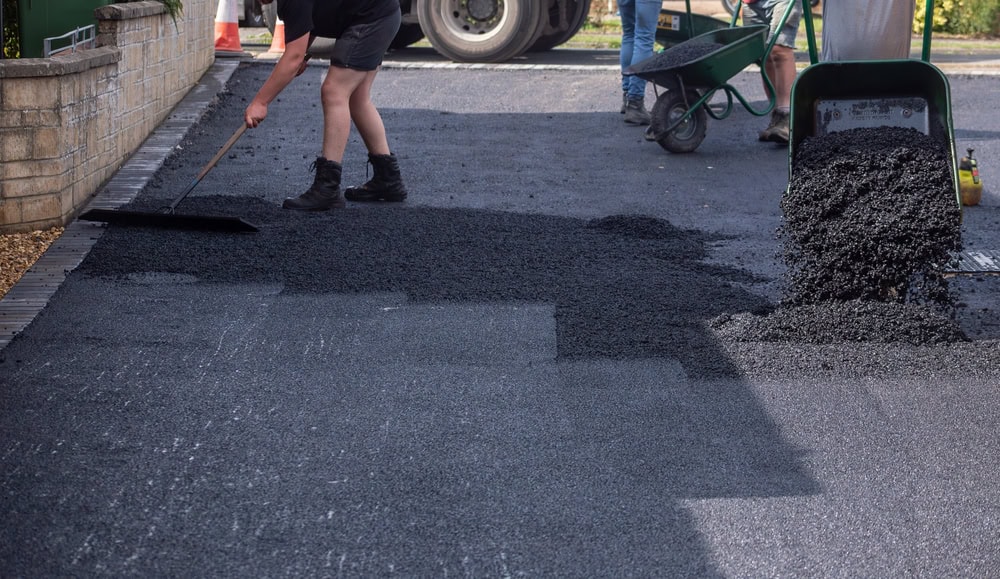
You pull up to a smooth, jet-black surface that makes your home look sharp. No more potholes after a rainstorm. No more gravel scattered across your lawn or dust clouds every time someone drives in.
Your driveway drains properly. Water runs off instead of pooling in low spots that turn into ice patches come winter or breed mosquitoes in summer. The base is compacted right, so you’re not dealing with sinking sections three years down the road.
When neighbors ask who did your driveway, you actually want to tell them. That’s what happens when the job’s done correctly from the start—proper grading, the right thickness for your soil and traffic, and materials that hold up to La Vergne’s hot summers and occasional freezes. You’re not calling someone back to patch it next year. You’re just using it.
We’ve been handling driveway paving and asphalt work in the Nashville area for over 50 years. TriStar Paving LLC is veteran-owned and based right here in Wilson County, serving homeowners and businesses throughout La Vergne, Rutherford County, and Middle Tennessee.
That half-century of experience means we understand how Tennessee’s clay soil behaves, what happens when you skip proper base prep, and why drainage matters more here than in drier climates. It means knowing that La Vergne’s summer heat will test any shortcut you take during installation.
We focus on residential and commercial projects—driveways, parking lots, asphalt paving, tar and chip installations. Every job gets the same approach: do it right, make it last, and deliver what was promised. No upselling services you don’t need. No disappearing after the check clears.
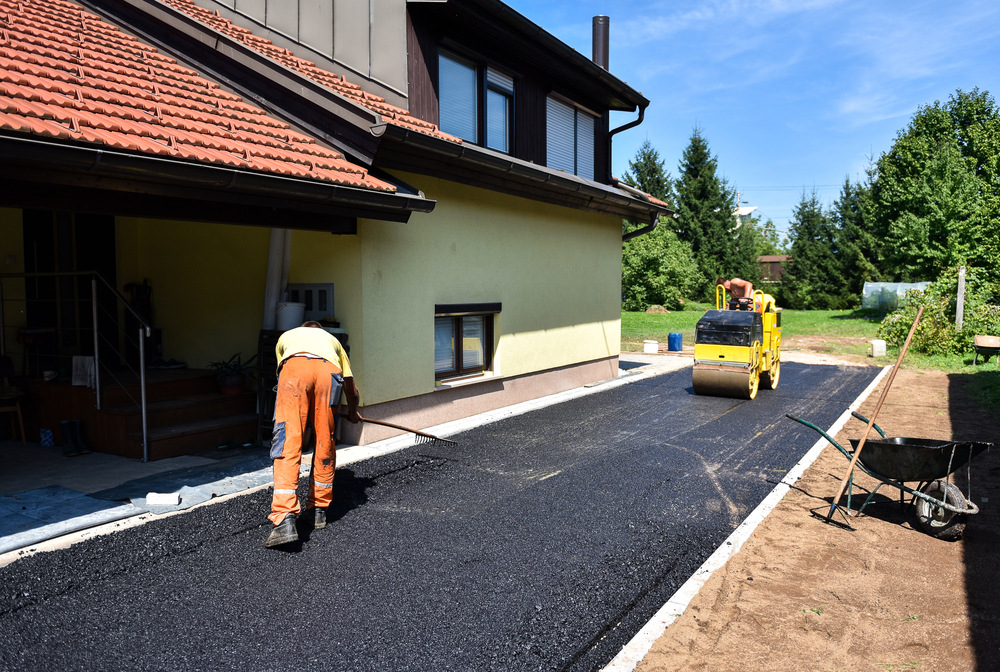
First, the existing surface comes out if you’re replacing an old driveway. That means removing deteriorated asphalt or concrete, not just paving over problems that’ll resurface later. The site gets graded to establish proper slope for drainage—critical in La Vergne where spring storms can dump inches of rain overnight.
Next comes base preparation. A compacted gravel base goes down, typically 6 to 8 inches depending on your soil conditions and what’ll be driving on it. This layer gets compacted with heavy equipment because a weak base means a failed driveway, period. Edges are formed to contain the asphalt and create clean lines.
Then the asphalt goes down—hot mix asphalt that’s delivered fresh and spread while it’s still workable. For residential driveways, that’s usually 3 to 4 inches thick, sometimes more if you’re parking heavier vehicles. The asphalt gets compacted with a roller to eliminate air pockets and create a dense, durable surface. Edges are finished, transitions to existing concrete or pavement are blended smooth, and then it needs time to cure before you can drive on it.
You’ll want to stay off it for at least 24 to 72 hours. After that, you can use it normally, though it continues to harden over the following months. Six months to a year later, sealcoating protects the surface from UV damage, water infiltration, and oil stains—extending the life of your investment significantly.
Ready to get started?
You’re getting a driveway designed for La Vergne’s specific conditions. That means accounting for the clay-heavy soil common in Rutherford County, which expands and contracts with moisture. It means grading that handles Middle Tennessee’s rainfall patterns—because a driveway that doesn’t drain properly will fail faster than one that does, regardless of how good the asphalt is.
The asphalt itself is hot mix, applied at the right temperature and thickness for residential use. Three inches minimum over a properly compacted base handles regular car and light truck traffic. If you’re parking RVs, work trucks, or heavier vehicles regularly, that thickness increases. The edges are contained and compacted so they don’t crumble within the first year.
In La Vergne specifically, you’re dealing with summers that regularly hit the 90s and occasional winter nights that dip below freezing. Asphalt handles that temperature swing better than concrete because it flexes rather than cracks. But only if it’s installed correctly—rushed jobs with inadequate base prep or thin asphalt will crack regardless of material choice.
You also get someone who shows up when they say they will, does the work as quoted, and doesn’t leave you with a mess to clean up. The job includes hauling away old materials if you’re replacing an existing driveway, proper compaction of all layers, and a finished surface that’s smooth and even. What you don’t get: excuses about why it failed two years later because corners were cut during installation.
An asphalt driveway in La Vergne typically lasts 15 to 30 years, depending on how it was installed and how well you maintain it. The wide range comes down to quality—driveways installed with proper base preparation, adequate thickness, and correct compaction hit the higher end of that range. Ones where corners were cut fail faster.
Tennessee’s climate actually works in asphalt’s favor compared to concrete. The flexibility of asphalt lets it expand during hot summers and contract during cold snaps without cracking the way rigid concrete does. But that only helps if the base underneath is solid and properly compacted.
Maintenance matters too. Sealcoating every few years protects the surface from UV damage and water infiltration. Filling small cracks before they become big ones prevents water from getting underneath and weakening the base. Neglect those things, and even a well-installed driveway won’t hit its full potential lifespan.
Driveway paving in the La Vergne and Nashville area typically runs $4 to $6 per square foot for a standard residential installation with 3 to 4 inches of asphalt over a compacted base. A typical two-car driveway of around 600 square feet would cost roughly $2,400 to $3,600, though that varies based on site conditions and project specifics.
If you’re starting from scratch or need extensive grading work, costs go up. Removing an old driveway, dealing with poor drainage, or working with difficult access all add to the price. Thicker asphalt for heavier vehicles costs more. Complex shapes or steep slopes require more labor and materials than a simple rectangular driveway on flat ground.
The cheapest quote isn’t always the best value. Contractors who lowball often cut corners—thinner asphalt, inadequate base prep, poor compaction. You’ll pay for those shortcuts later in repairs and early replacement. A properly installed driveway costs more upfront but lasts significantly longer and requires less maintenance over its life.
For standard residential use in La Vergne—regular cars, SUVs, and light trucks—your asphalt should be at least 3 inches thick over a compacted gravel base of 6 to 8 inches. That combination handles Tennessee’s weather and normal traffic without issues. If you’re regularly parking heavier vehicles like RVs, work trucks, or trailers, you want 4 inches or more of asphalt.
The base matters as much as the asphalt thickness. A weak or improperly compacted base will fail regardless of how thick the asphalt is. In La Vergne’s clay-heavy soil, proper compaction prevents the base from shifting when the clay expands with moisture or contracts when it dries out. That movement is what causes driveways to crack and develop low spots where water pools.
Tennessee’s freeze-thaw cycles aren’t as severe as northern states, but they happen. Asphalt’s flexibility handles those temperature changes better than concrete, but only if there’s enough material to work with. Skimping on thickness to save a few hundred dollars means you’ll be repairing or replacing the driveway years earlier than necessary.
Asphalt makes more sense for most La Vergne homeowners. It costs roughly half what concrete does upfront, installs faster, and handles Tennessee’s temperature swings better because it flexes rather than cracks. Concrete is rigid—when the ground shifts or temperatures fluctuate, it cracks. Asphalt moves with those changes.
Maintenance is easier with asphalt too. Small cracks and damage can be patched and sealed relatively inexpensively. When the surface eventually wears, you can resurface it with a new layer of asphalt for a fraction of replacement cost. Concrete repairs are more visible, more expensive, and often require full replacement when damage becomes extensive.
Concrete does last longer in perfect conditions—maybe 30 to 40 years versus asphalt’s 15 to 30. But “perfect conditions” don’t exist in real-world Tennessee. Between the clay soil, humidity, summer heat, and occasional freezes, asphalt’s flexibility gives it the edge for longevity and lower lifetime costs. Unless you specifically want the look of decorative concrete and are willing to pay significantly more for it, asphalt is the practical choice.
Wait six months to a year after installation before applying the first sealcoat. New asphalt needs time to cure and harden properly—sealcoating too early traps oils in the asphalt that need to evaporate. After that initial waiting period, sealcoating should happen every two to three years to protect the surface and extend its lifespan.
Sealcoating creates a protective barrier against UV rays, water, oil, and chemicals. In La Vergne’s climate, UV damage from intense summer sun and water infiltration from heavy rains are your driveway’s biggest enemies. The sealant slows both types of damage significantly. It also fills small surface cracks before they become bigger problems and gives the driveway that fresh, dark appearance.
Watch for signs your driveway needs sealcoating: the surface looks gray or faded instead of black, small cracks are appearing, or water soaks in rather than beading on top. Those indicate the previous sealcoat has worn away and the asphalt is exposed. Waiting too long between applications means you’re letting damage happen that could have been prevented for a few hundred dollars.
You should stay off a new asphalt driveway for at least 24 to 72 hours after installation, depending on weather conditions. Hot weather means the asphalt stays softer longer, so you might need to wait the full three days. Cooler temperatures allow the asphalt to firm up faster. We’ll give you a specific timeline based on the conditions during your install.
After that initial curing period, you can drive on it normally, but the asphalt continues to harden over the following weeks and months. Avoid parking in the same spot repeatedly during the first couple weeks, especially in hot weather—the weight of a stationary vehicle can create depressions in asphalt that hasn’t fully cured. Don’t turn your steering wheel while the vehicle is stopped, as that can scuff the surface.
Heavy vehicles should stay off the driveway for at least a week, longer if possible. The asphalt is technically drivable after a few days, but it’s still relatively soft. Regular cars and light trucks are fine, but heavy work trucks, RVs, or trailers should wait until the asphalt has had more time to harden. Taking these precautions during the first few weeks protects your investment and ensures the driveway performs as it should for decades.
Other Services we provide in La Vergne