
Hear from Our Customers
Your driveway shouldn’t be a constant project. Gravel washes out, creates ruts, and ends up in your yard every time it rains or you plow snow. You’re tired of regrading it. You’re tired of buying more stone. And traditional asphalt? For a long driveway, the cost is hard to justify.
Tar and chip paving gives you a middle ground that actually works. It’s a textured surface that looks natural, holds up to weather, and costs 25-40% less than traditional asphalt. The stones are locked into hot liquid asphalt, so they’re not going anywhere. You get traction in wet weather. You get a clean look. And you get a surface that lasts 7-15 years without the constant maintenance gravel demands.
This isn’t about cutting corners. It’s about choosing the right solution for rural properties where a half-mile driveway doesn’t need to be paved like a highway. Tar and chip paving has been used for over a century on roads and driveways across Tennessee because it works.
We’ve been serving Gassaway and the surrounding Middle Tennessee area for over 50 years. Tristar Paving LLC is veteran-owned, which means our work ethic is straightforward: show up, do what we said we’d do, and make sure it holds up.
Tar and chip paving isn’t something you can fake. It requires the right equipment, the right materials, and crews who understand how base preparation affects everything that comes after. We specialize in this type of work for residential and commercial clients throughout Wilson County and beyond. Whether it’s a long country driveway or a private road that needs resurfacing, we know how to handle the terrain, the weather, and the specific challenges that come with paving in rural Tennessee.
Gassaway sits in an area where properties tend to have longer driveways and practical expectations. People here aren’t looking for the fanciest option—they’re looking for something that works and doesn’t require a second mortgage. That’s exactly what tar and chip paving delivers when it’s done right.

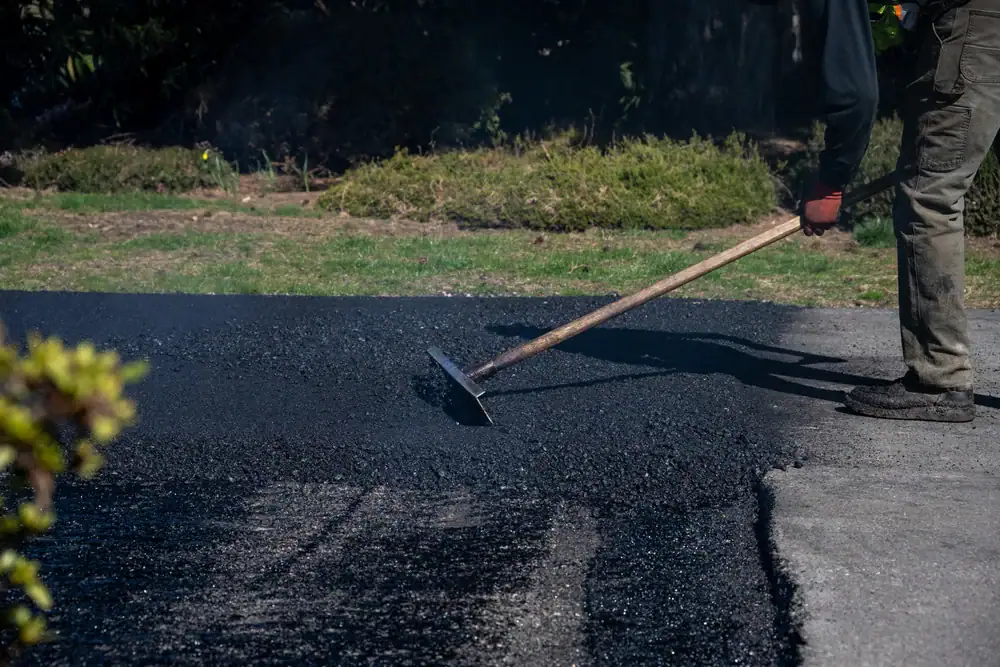
The process starts with surface preparation. The existing base—whether it’s gravel or old asphalt—gets graded and compacted to create a stable foundation. Proper drainage is set up here. If the base isn’t right, nothing else matters. This step determines how long your driveway will last.
Next, hot liquid asphalt is applied over the prepared surface. This has to be done at the right temperature and thickness. The asphalt acts as the binder that holds everything together. Then comes the stone. Crushed stone chips are spread evenly across the hot asphalt while it’s still tacky. The size and type of stone can be customized based on what you want the finished surface to look like.
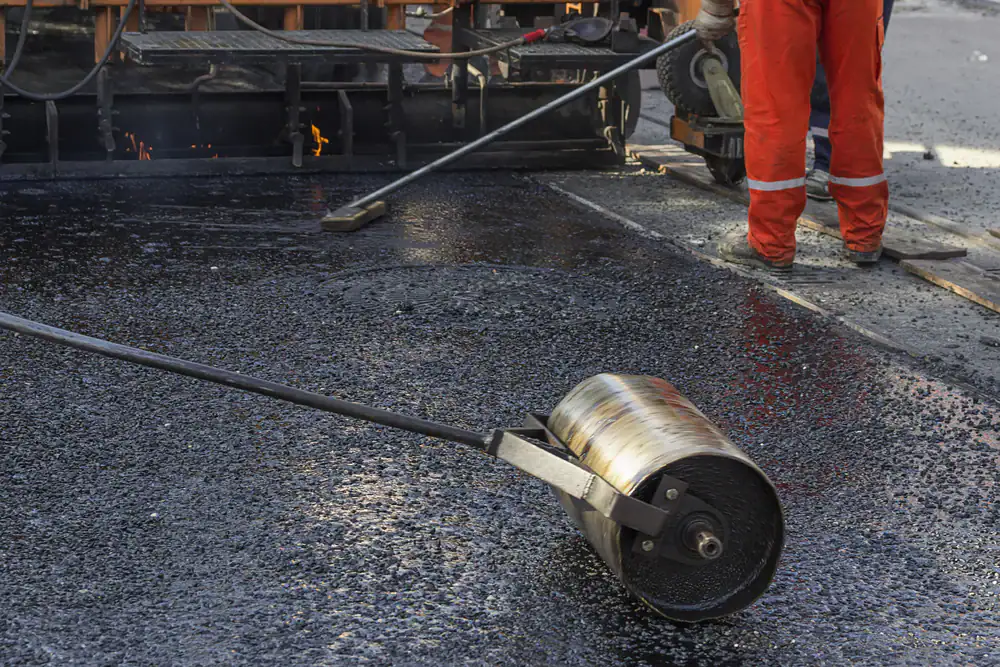
Finally, heavy rollers compact the stone into the asphalt. This embeds the chips and creates a solid bond. Some projects get a second layer for added durability, especially on driveways that see regular use. Once it’s compacted and cured, you’ve got a textured surface that provides traction, sheds water, and holds up to Tennessee’s freeze-thaw cycles.
The whole process typically takes one to two days depending on the size of the project. You’re not waiting weeks. You’re not dealing with endless prep. It’s efficient, and when it’s done by experienced crews, it’s effective.

Ready to get started?
Tar and chip paving works particularly well in Gassaway because of the types of properties here. Long driveways are common. Rural roads and farm lanes need surfaces that can handle equipment without costing a fortune. This method fits that need.
The cost typically runs $2 to $5 per square foot, compared to $6 to $12 for traditional asphalt. For a 1,000-foot driveway, that difference adds up fast. You’re looking at thousands of dollars in savings while still getting a durable, functional surface. The textured finish provides better traction than smooth asphalt, which matters when you’re dealing with rain, ice, or steep grades.
Maintenance is minimal. Unlike asphalt, tar and chip doesn’t require sealcoating every few years. The rough texture naturally hides minor wear. If stones do loosen over time, they can be topped off without redoing the entire surface. Snow removal requires a light touch—leave a thin layer of snow rather than scraping down to bare surface—but that’s manageable.
In terms of appearance, tar and chip has a natural, rustic look that blends well with country properties. You can choose different stone colors to match your home or landscape. It doesn’t have the slick, black look of fresh asphalt. It looks more like a well-maintained gravel driveway, but one that’s actually locked in place. For properties in Cannon County and the surrounding area, that aesthetic fits right in with the rural character of the region.

A properly installed tar and chip driveway typically lasts 7 to 10 years, and with excellent base preparation and regular light maintenance, you can push that to 15 years. The lifespan depends heavily on three factors: the quality of the base, the installation process, and how much traffic the driveway sees.
The base is the most critical part. If the gravel or existing surface isn’t properly compacted and graded for drainage, the driveway will fail prematurely no matter how good the tar and chip application is. Tennessee’s freeze-thaw cycles put stress on any paved surface, so water needs to drain away rather than sitting on or under the driveway. A solid base prevents cracking, settling, and premature breakdown.
Traffic also plays a role. Tar and chip handles moderate residential use well—daily cars, occasional trucks, normal family traffic. It’s not designed for constant heavy loads or high-speed traffic, but for a rural driveway in Gassaway, it’s more than adequate. When the surface does start to show wear after several years, you can often apply a fresh layer of tar and chip over the existing surface rather than starting from scratch, which keeps long-term costs manageable.
Yes, significantly. Tar and chip paving typically costs $2 to $5 per square foot, while traditional asphalt runs $6 to $12 per square foot. For a long rural driveway—say 1,000 feet by 10 feet wide—you’re looking at 10,000 square feet of surface. At $4 per square foot for tar and chip, that’s $40,000. The same driveway in asphalt at $9 per square foot would run $90,000. The savings are substantial.
The lower cost comes from the materials and the installation method. Tar and chip uses less petroleum-based asphalt and relies on crushed stone for the surface layer, which is cheaper than the hot-mix asphalt used in traditional paving. The installation process is also faster and requires less specialized equipment for the final surface, though you still need experienced crews who know what they’re doing.
That said, the cost comparison isn’t just about upfront expense. Tar and chip lasts 7-15 years versus 20-30 years for asphalt. So over a 30-year period, you might need to redo tar and chip twice, while asphalt might only need one major resurfacing. But even accounting for that, the total cost of tar and chip over time is usually still lower, especially when you factor in that tar and chip doesn’t require regular sealcoating like asphalt does. For long driveways where asphalt costs feel prohibitive, tar and chip makes the project financially realistic.
Yes, as long as the gravel base is in decent shape. That’s actually one of the advantages of tar and chip—it can be applied over a well-maintained gravel driveway without having to tear everything out and start from scratch. The key is making sure the existing base is stable, properly graded for drainage, and adequately compacted.
Before installation, the surface needs to be evaluated. If there are deep ruts, soft spots, or drainage problems, those need to be addressed first. The gravel may need to be regraded and compacted. Any potholes or low areas should be filled and leveled. The goal is to create a smooth, solid foundation that won’t shift or settle after the tar and chip is applied.
If your gravel driveway has been maintained over the years and has a good stone base underneath, it’s often a perfect candidate for tar and chip. The hot liquid asphalt penetrates into the top layer of gravel, and then the stone chips are added on top and compacted. This essentially locks your existing gravel in place and creates a new, durable surface. It’s a cost-effective way to upgrade from loose gravel to a bound surface without the expense of a full tear-out and rebuild. Just make sure you’re working with a contractor who takes the time to prep the base properly—that’s where a lot of tar and chip projects succeed or fail.
The main differences come down to the installation method, cost, appearance, and lifespan. Regular asphalt uses a hot-mix blend of asphalt cement and aggregates that’s laid down in thick layers, compacted, and creates a smooth, uniform black surface. Tar and chip uses a layer of liquid asphalt sprayed onto the base, followed by loose stone chips that are rolled into the asphalt to create a textured, rough surface.
Asphalt is smoother, quieter, and lasts longer—typically 20 to 30 years with proper maintenance. It requires sealcoating every 3-5 years to protect against UV damage, water penetration, and oxidation. Tar and chip is rougher, provides better traction, and lasts 7-15 years. It doesn’t require sealcoating, which saves on long-term maintenance costs.
Cost-wise, tar and chip is 25-40% cheaper upfront. It’s ideal for rural driveways, farm lanes, and private roads where the rustic appearance fits the setting and the lower cost makes sense for longer distances. Asphalt is better for high-traffic areas, commercial parking lots, and situations where a smooth, polished appearance is important. For a homeowner in Gassaway with a long driveway, tar and chip often makes more financial sense. For a business parking lot in town, asphalt is usually the better choice. Both are legitimate paving methods—it’s about matching the solution to the situation.
Maintenance is minimal compared to other paving options, but there are a few things that help extend the life of the surface. The biggest thing is being careful with snow removal. If you plow or shovel, leave a thin layer of snow on the surface rather than scraping all the way down to the stones. Aggressive plowing can dislodge chips, especially in the first year or two before everything is fully settled. A snowblower works better than a metal plow blade.
Keep an eye on drainage. Make sure water flows off the driveway rather than pooling in low spots. Standing water accelerates wear and can lead to soft spots in the base. If you notice areas where water collects, address the grading before it becomes a bigger problem. Sweep off leaves, dirt, and debris occasionally to keep the surface clean and allow it to shed water properly.
If loose stones appear over time, that’s normal. Light traffic areas or edges may see some stone loss. You can add a fresh layer of tar and stone to those spots without redoing the whole driveway. Small cracks or minor damage can be patched with cold-patch asphalt filler, though tar and chip is generally more forgiving of minor imperfections than smooth asphalt. Avoid sharp turns with heavy vehicles when possible, and don’t let heavy equipment sit in one spot for extended periods, as that can push stones out of place. Overall, tar and chip is low-maintenance by design—just use common sense and it’ll hold up well for years.
Experience matters with tar and chip because the installation process has to be done right the first time. We’ve been doing this type of paving for over 50 years, and we specialize in tar and chip for residential and commercial properties throughout Middle Tennessee. This isn’t a side service—it’s a core part of what we do.
Being veteran-owned means our work ethic is straightforward and reliable. You get clear communication, honest pricing, and crews who show up when we say we will. We’re based in Wilson County and serve Gassaway and the surrounding area, so we understand the local terrain, weather conditions, and the types of properties common in rural Tennessee. We know how to prep bases for freeze-thaw cycles. We know how to grade for drainage on sloped driveways. We know which stone types work best for different applications.
Tar and chip requires specialized equipment—the right sprayers for liquid asphalt, the right spreaders for stone, and heavy rollers for compaction. We have that equipment and the trained crews to use it properly. We also understand that the base preparation is where most tar and chip projects succeed or fail, so we don’t cut corners on that step. You’re working with a local company that’s been doing this type of work for decades, serves both homeowners and businesses, and has a reputation built on results rather than marketing. That’s what you want when you’re investing in a driveway that needs to last.
Other Services we provide in Gassaway