

Hear from Our Customers
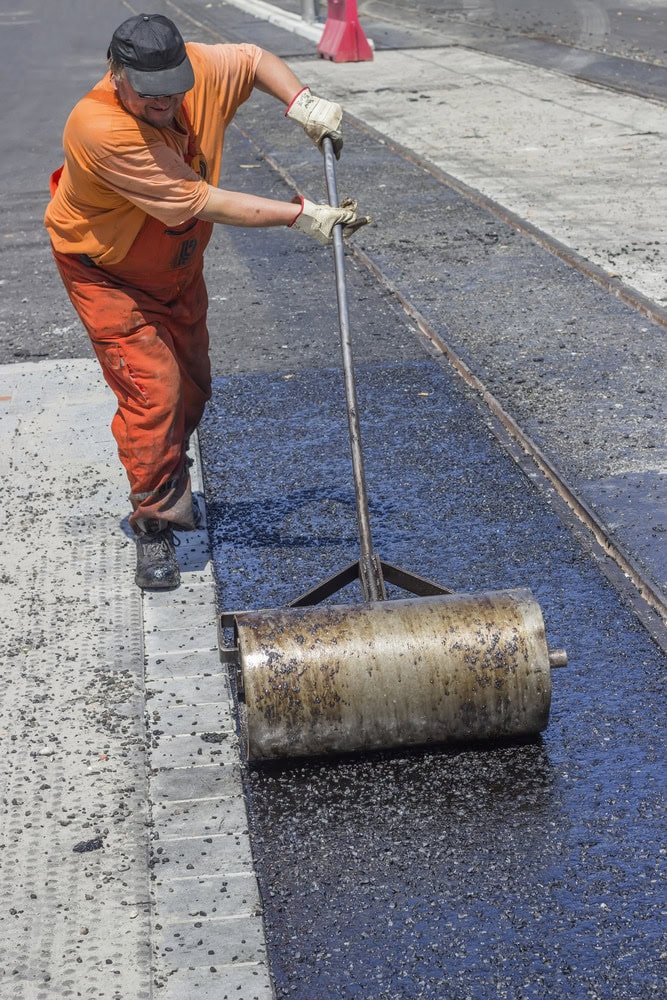
You get asphalt driveways and parking lots that don’t buckle when the temperature drops. Surfaces that drain properly so water runs off instead of pooling in low spots. You get pavement that looks clean, feels smooth, and holds up year after year without turning into a maintenance nightmare.
When we do the work right, you’re not calling someone back in six months to fix cracks. You’re not dealing with uneven surfaces that trip customers or damage vehicles. You’re getting decades of use from asphalt paving built to handle Tennessee weather—the summer heat that softens weak installations and the winter freeze that splits anything laid without a proper base.
The difference isn’t just in how it looks on day one. It’s in how it performs five, ten, twenty years down the road. That comes from proper grading, a solid sub-base, and knowing exactly how asphalt behaves in this climate. It’s the kind of paving services that don’t need excuses later.
We’ve been serving Gassaway and the surrounding Wilson County area for over five decades. That’s 50+ years of asphalt driveways, parking lots, and commercial paving installations across residential and commercial properties throughout the Nashville region.
Tristar Paving is veteran-owned, which means our approach to work is straightforward—show up, do what we said we’d do, and make sure it’s done right. No runaround. No cutting corners to save fifteen minutes. Whether it’s a homeowner who needs residential paving or a business owner who can’t afford to shut down operations for a week, we understand what’s at stake.
Gassaway property owners deal with the same challenges everyone in Tennessee faces—temperature swings that crack weak pavement, drainage issues that turn small problems into expensive ones, and the need for an asphalt contractor who actually knows what they’re doing. We’ve seen it all, fixed it all, and built a reputation on getting it right the first time.

First, we assess the site. That means looking at what’s there now, checking for drainage issues, and figuring out what needs to happen before any asphalt gets laid. If there’s old pavement, we remove it. If the ground isn’t level or the slope doesn’t direct water away from the surface, we fix that during grading.
Next comes the sub-base—the foundation that actually supports everything. This layer handles the freeze-thaw cycles Tennessee throws at it and prevents the asphalt from buckling or sinking. We compact it properly, test to make sure it’s solid, and prep it so the asphalt installation has something stable to sit on.
Then the asphalt goes down. It’s heated, laid, graded smooth, and compacted with heavy equipment to eliminate air pockets and create a dense, durable surface. If the new pavement connects to an existing driveway or road, we install butt joints to create a seamless transition without gaps or uneven edges.
After installation, the surface needs time to cure. You can walk on it within a day or two, but full curing takes about a month. Once it’s fully set, periodic sealing every few years protects your asphalt driveways from weathering and extends the lifespan to 20 or 30 years.

Ready to get started?
Professional asphalt paving in Gassaway means more than just pouring hot mix and calling it done. It starts with proper site preparation—grading the ground so water flows away from the pavement, not toward it. Water is the enemy of asphalt. It seeps into cracks, freezes, expands, and turns minor damage into major repairs.
The sub-base is where most shortcuts show up, and it’s also where most failures start. A weak or improperly compacted sub-base leads to settling, cracking, and premature deterioration. We use the right materials and equipment to build a foundation that can handle Tennessee’s climate and the weight of vehicles without breaking down.
For residential paving, that might mean new asphalt driveways that improve curb appeal and functionality. For commercial paving, it’s about creating parking lots that make a good first impression, handle daily traffic, and don’t become liability issues. Gassaway businesses need surfaces that look professional and stay safe—no potholes that damage cars, no uneven spots that cause trips and falls.
We also offer tar and chip paving, a cost-effective option that works well for rural driveways and roads. It provides a textured surface with better traction and a rustic look that fits properties outside the main commercial areas. Whatever the project, our paving services deliver durable results that don’t require constant maintenance or early replacement.

Most residential driveway projects are completed in one to two days, depending on size and complexity. That includes removing old pavement if needed, prepping the base, and laying the new asphalt. Larger commercial paving projects like parking lots take longer based on square footage and site conditions.
The actual asphalt installation is often the fastest part—sometimes just a few hours for smaller jobs. What takes time is the prep work: grading, building the sub-base, and making sure drainage is correct. Rushing this part leads to problems later, so it’s worth doing right even if it adds a day to the schedule.
After installation, you’ll need to stay off the surface for 24 to 48 hours to let it set. Full curing takes about 30 days. During that time, you can use the driveway or parking lot, but you’ll want to avoid heavy loads or sharp turns that could leave marks in the asphalt while it’s still hardening.
Asphalt cracks for a few main reasons: poor sub-base preparation, water infiltration, and temperature fluctuations. Tennessee’s climate is tough on pavement because the freeze-thaw cycle causes asphalt to expand and contract. If the sub-base isn’t solid or if water gets underneath the surface, those temperature swings create cracks that spread quickly.
Preventing cracks starts with proper asphalt paving installation. The sub-base needs to be thick enough, compacted correctly, and built with materials that can handle moisture and temperature changes. Grading has to direct water away from the pavement so it doesn’t pool or seep into the base layers. Once the asphalt is down, sealing it every two to three years adds a protective layer that resists water, UV damage, and surface wear.
Small cracks should be repaired as soon as they appear. Ignoring them lets water in, which weakens the base and turns a simple fix into a costly resurfacing job. Timely maintenance is always cheaper than waiting until the damage spreads.
An overlay means adding a new layer of asphalt over the existing surface. It’s faster and less expensive than full replacement, but it only works if the current pavement and sub-base are still in good shape. If the old asphalt has widespread cracking, potholes, or drainage problems, an overlay won’t fix the underlying issues—it’ll just cover them up temporarily.
Full replacement involves removing the old asphalt, addressing any sub-base problems, and installing new pavement from the ground up. It costs more and takes longer, but it solves structural issues and gives you a surface that’ll last decades. If water has been pooling, if the base has settled unevenly, or if the pavement is beyond repair, replacement is the right call.
We’ll assess the condition of your current surface and recommend the option that makes sense for your situation and budget. Sometimes an overlay is perfectly fine. Other times, trying to save money with a patch job just delays the inevitable and costs more in the long run.
Both materials can work, but asphalt has some advantages in Tennessee’s climate. It’s more flexible than concrete, which means it handles the expansion and contraction from temperature swings without cracking as easily. Concrete is rigid, so if it’s not installed perfectly or if the ground shifts, it’s more likely to develop cracks that are expensive to repair.
Asphalt’s dark color also helps it absorb heat, which means snow and ice melt faster in winter. That’s a practical benefit for asphalt driveways and parking lots that need to stay usable year-round. On the flip side, concrete stays cooler in summer because it reflects more sunlight, but that’s usually less of a priority than durability and maintenance costs.
Asphalt is also easier and cheaper to repair. If a section gets damaged, you can patch or resurface it without replacing the entire driveway. Concrete repairs are more visible and often require replacing whole slabs. For most residential and commercial applications in Gassaway, asphalt offers better value and performance over the long term.
Cost depends on the size of the project, the condition of the existing surface, and what needs to be done before the asphalt goes down. A standard residential driveway might range from a few thousand dollars for a straightforward installation to more if there’s significant prep work, grading issues, or sub-base repairs.
Commercial paving projects like parking lots are priced by square footage, and costs increase if the site needs drainage improvements, heavy-duty base layers, or specialized features like striping and curbing. Tar and chip paving is generally less expensive than traditional asphalt, making it a good option for long rural driveways or roads where budget is a bigger concern.
The best way to get an accurate estimate is to have the site assessed. We provide free estimates that account for your specific situation—no guessing, no surprises. Cheaper isn’t always better if it means cutting corners on the sub-base or using lower-quality materials. You’re better off paying for paving services that last than redoing a cheap job in five years.
Asphalt doesn’t require much maintenance, but a little attention goes a long way toward extending its lifespan. The most important step is sealing the surface every two to three years. Sealant protects against water infiltration, UV damage, and chemicals like oil or gasoline that can break down the binder in asphalt.
You’ll also want to address cracks as soon as they show up. Small cracks are easy and inexpensive to fill. Ignoring them lets water seep in, which leads to bigger cracks, potholes, and damage to the sub-base. Fixing problems early is always cheaper than waiting until they spread.
Keep the surface clean by sweeping away debris and avoiding standing water. If you notice drainage issues—water pooling in certain spots—get them fixed before they cause long-term damage. With basic upkeep and periodic sealing, well-installed asphalt driveways or parking lots can last 20 to 30 years without major repairs.
Other Services we provide in Gassaway