
Hear from Our Customers
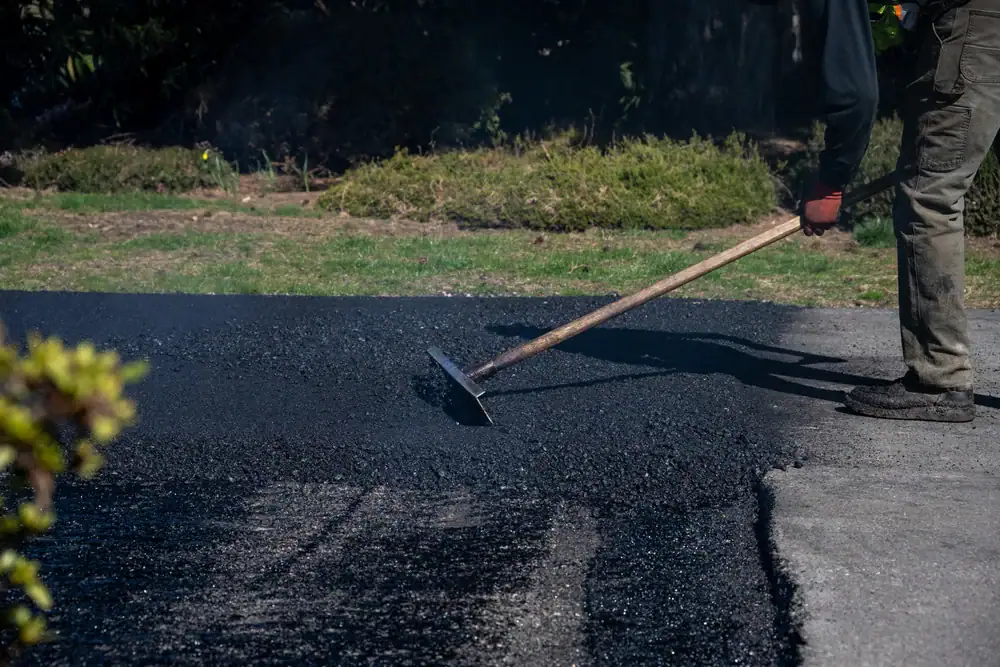
You know what your gravel driveway does after a heavy rain. Ruts form. Stones scatter. Mud tracks into the house. You’re out there raking it back into place every few weeks.
Tar and chip paving fixes that. It’s a bonded surface—hot liquid asphalt with crushed stone pressed into it. The stones stay where they belong. Water drains properly instead of pooling or washing everything away. You get traction in wet weather without the mess of loose gravel.
And it costs about half what you’d pay for traditional asphalt. Most driveways in Dixon Springs run between $2 and $5 per square foot, depending on size and site conditions. You’re looking at a surface that lasts 7 to 10 years before it needs a fresh layer. Compare that to constant gravel maintenance or a $10,000 asphalt job, and the math makes sense.
We’re based in Wilson County, about 30 minutes from Dixon Springs. We’ve been handling residential and commercial paving projects across middle Tennessee for over 50 years. That’s not a typo—five decades of driveways, parking lots, and tar and chip installations.
We’re veteran-owned, which means we show up when we say we will and we finish what we start. No disappearing mid-project. No surprise upcharges. You get a clear estimate, a realistic timeline, and work that holds up.
Dixon Springs sits in Smith County, where properties tend to be rural, spread out, and built on terrain that doesn’t always cooperate. We understand the soil here. We know how to grade for drainage so you’re not dealing with standing water every time it rains. And we know tar and chip paving works especially well in areas like this—it handles the climate, fits the landscape, and doesn’t cost what smooth asphalt does.

First, we prep the site. That means clearing debris, grading the area so water flows away from your house, and laying down a compacted gravel base. If you already have an old gravel driveway, we can often work with that as long as the base is stable. If it’s rutted or uneven, we fix it first.
Next, we apply hot liquid asphalt. This isn’t the premixed stuff you see on highways—it’s heated on-site and sprayed evenly over your prepared base. It acts as the binder that holds everything together.
While the asphalt is still hot, we spread a layer of crushed stone chips across the surface. The stone you pick determines the color and texture. Most people in Dixon Springs go with natural earth tones—grays, tans, browns—but you’ve got options.
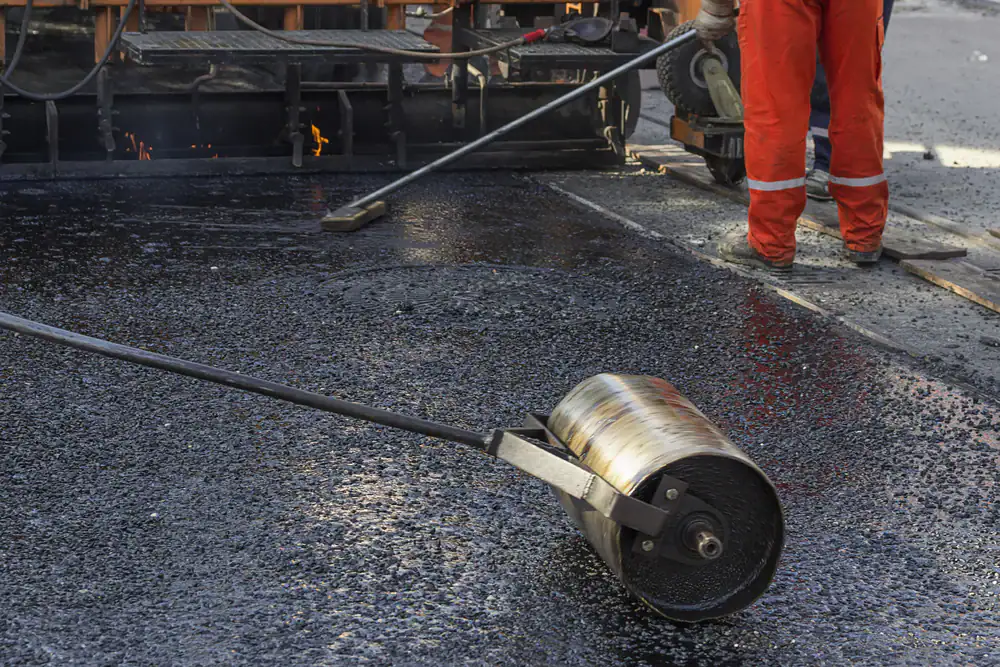
Then we compact it. A heavy roller presses those stones into the asphalt, locking them in place. We make multiple passes to ensure a solid bond. Any loose chips get swept away once the surface cures.
The whole process usually takes one to two days, depending on the size of your driveway. You’ll need to stay off it for 24 to 48 hours while it sets. After that, it’s ready for traffic.

Ready to get started?
Tar and chip paving gives you a textured, non-slip surface that handles Tennessee weather better than you’d expect. The crushed stone on top provides traction when it’s wet or icy—something smooth asphalt doesn’t offer. And because the stones are lighter in color than black asphalt, your driveway stays cooler in the summer.
Maintenance is minimal. You don’t need to sealcoat it every few years like you would with asphalt. Occasional sweeping to clear debris is about it. If a section gets damaged down the road, we can patch it without redoing the whole driveway.
In Dixon Springs, drainage matters. Properties here can have slopes, ditches, and soil that shifts with heavy rain. We account for that during grading. Your driveway will be sloped away from structures to prevent water from pooling or running toward your foundation. If there’s a drainage ditch along the road, we’ll install the right size culvert so water flows through instead of backing up.
Tennessee regulations require permits for most driveway work, especially if you’re connecting to a public or state-maintained road. We handle that. We know what Smith County and TDOT require, and we make sure your driveway meets the specs for width, grade, and drainage before we start.

Most tar and chip driveways in Dixon Springs run between $2 and $5 per square foot. The average is around $3 per square foot. For a standard two-car driveway, you’re typically looking at $1,500 to $3,000, depending on the size and site conditions.
That’s about 30% to 50% less than traditional asphalt, which usually costs $3 to $5 per square foot in this area. The reason tar and chip is cheaper is the installation process—it’s faster and uses less material than hot-mix asphalt paving.
Your final cost depends on a few things: the size of your driveway, how much site prep is needed, whether we’re working with an existing base or starting from scratch, and what type of stone you choose. If your property has drainage issues or needs significant grading, that can add to the cost. We give you a clear estimate upfront so there are no surprises.
A tar and chip driveway typically lasts 7 to 10 years before it needs resurfacing. That’s shorter than asphalt, which can last 15 to 20 years, but it’s also a lot cheaper upfront and requires less maintenance over time.
The lifespan depends on how much traffic your driveway gets and how well the base was prepared. A properly graded, compacted base makes a huge difference. If the base shifts or water pools underneath, you’ll see problems sooner.
When the surface does start to wear—usually you’ll notice the stone layer thinning out—we can add another layer of tar and chip over the existing surface. That’s a lot cheaper than tearing out and replacing the whole driveway. Most homeowners in Dixon Springs find that the lower upfront cost and easy resurfacing make tar and chip a better long-term value than paying for full asphalt.
Tar and chip uses the same basic materials as asphalt—liquid asphalt and aggregate—but the construction method is different. With traditional asphalt, the materials are premixed at a plant, then laid down hot and compacted into a smooth surface. With tar and chip, we spray hot liquid asphalt onto your base, then spread crushed stone on top and compact it. The stones stay exposed, creating a textured surface.
The texture is the biggest difference you’ll notice. Tar and chip has a rough, natural look, almost like a gravel driveway but more stable. It provides better traction in wet or icy conditions because of that texture. Regular asphalt is smooth and uniform, which some people prefer for appearance, but it can get slippery when wet.
Cost is another factor. Tar and chip is cheaper to install because the process is simpler and faster. But it doesn’t last as long—7 to 10 years versus 15 to 20 for asphalt. Maintenance is easier with tar and chip, though. You don’t need to sealcoat it every few years like you do with asphalt. For rural properties in Dixon Springs, tar and chip often makes more sense because it fits the setting and the budget.
Yes, in most cases. If your existing gravel driveway has a stable, well-compacted base, we can work with that. We’ll grade it to fix any low spots or drainage issues, add more gravel if needed to build up the base, compact everything thoroughly, and then apply the tar and chip surface on top.
This saves you money because we’re not starting from scratch. You’re using the base that’s already there instead of excavating and hauling in all new material. The key is that the base has to be solid. If it’s rutted, uneven, or shifts when you drive on it, we’ll need to rebuild it first. A weak base will cause problems no matter what surface you put on top.
We’ll evaluate your existing driveway before we give you a quote. If the base is in decent shape, you’re looking at a quicker, cheaper installation. If it needs work, we’ll tell you upfront what has to be done and why. Either way, you’ll know exactly what you’re paying for before we start.
Most likely, yes. Tennessee requires permits for new driveways or major modifications, especially if your driveway connects to a public road or state highway. In Smith County, where Dixon Springs is located, you’ll need to check with the county engineering office or, if you’re connecting to a state route, the Tennessee Department of Transportation.
Permits ensure your driveway meets requirements for width, grade, drainage, and sight distance. If there’s a drainage ditch along the road, you’ll need approval for the culvert size. The permit process also makes sure your driveway doesn’t create safety hazards or interfere with stormwater flow.
We handle the permit process as part of our service. We know what Smith County and TDOT require, and we make sure your driveway is built to spec. Permit fees in Tennessee typically run $50 to $200 for residential driveways, depending on the scope of work. It’s a small cost compared to the hassle of having to tear out and redo a driveway that wasn’t built to code.
You’ll need to wait 24 to 48 hours before driving on it. That gives the asphalt time to cool and the bond between the asphalt and stone chips time to set. If you drive on it too soon, you risk displacing the stones or creating ruts in the surface.
The curing time depends on the weather. Hot, dry conditions help the surface set faster. If it’s cooler or humid, it might take closer to 48 hours. We’ll let you know the exact timeframe based on the conditions when we install your driveway.
During the first few weeks, you might notice a few loose stones on the surface. That’s normal. We sweep away the excess after installation, but some stones may work loose as the surface settles. After a couple of weeks of traffic, everything compacts and stabilizes. If you see a significant amount of loose stone, give us a call and we’ll take a look.
Other Services we provide in Dixon Springs