
Hear from Our Customers
Your driveway stops being a concern. The textured surface grips better in wet weather. Water doesn’t pool or seep into cracks because the tar seals everything as it goes down.
You’re not resealing every year like you would with standard asphalt. The stone layer protects the surface underneath from UV damage and temperature swings. That means fewer repairs and less money spent fixing problems down the road.
And the look? It’s not trying to be something it’s not. The natural stone texture fits right in with Brentwood properties—rustic enough to feel intentional, clean enough to boost your curb appeal. You get 7 to 10 years of solid performance, sometimes longer if you stay on top of basic maintenance. That’s not a gamble. That’s a smart play.
TriStar Paving LLC is a veteran-owned paving company based in Wilson County, serving Brentwood and the greater Nashville area. We bring over 50 years of combined experience working on residential driveways, parking lots, and commercial projects. We know what holds up in Middle Tennessee’s climate and what doesn’t.
Brentwood homeowners care about quality. They want driveways that last and contractors who show up when they say they will. We treat your property like it matters because it does. No shortcuts. No disappearing after the job. Just reliable work from people who’ve been doing this long enough to know the difference between a quick fix and a lasting result.

First, the existing surface gets cleaned and prepped. Any cracks or damage? We address them before anything new goes down. You can’t build on a weak foundation and expect it to hold.
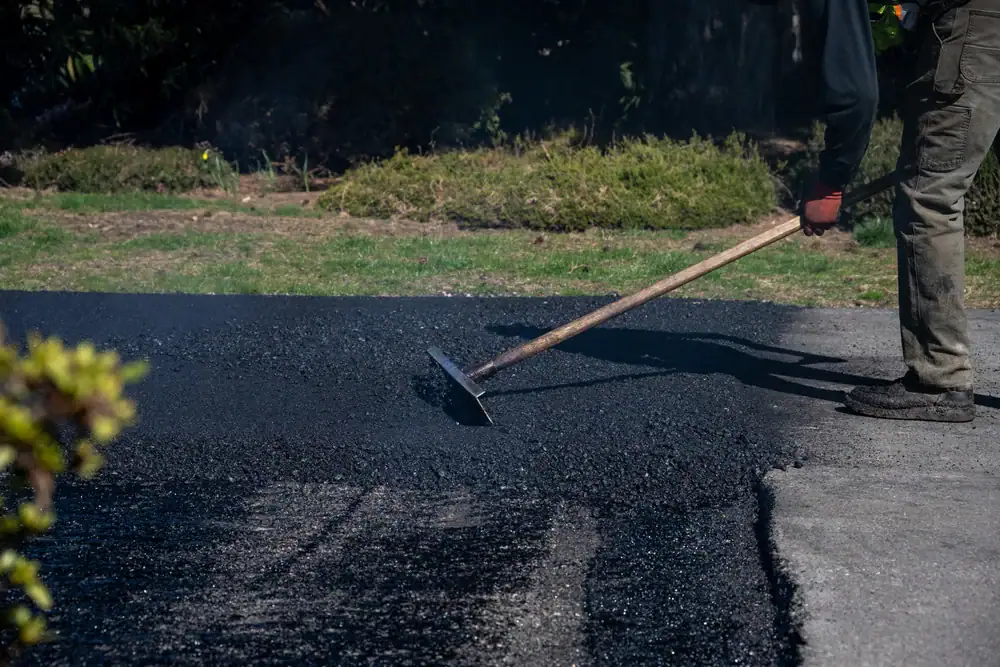
Next comes the hot liquid asphalt. We spray it evenly across the surface, creating a sticky base that bonds to what’s underneath. While it’s still hot, a layer of crushed stone gets spread on top. The stone is carefully selected for size and durability—this isn’t random gravel.
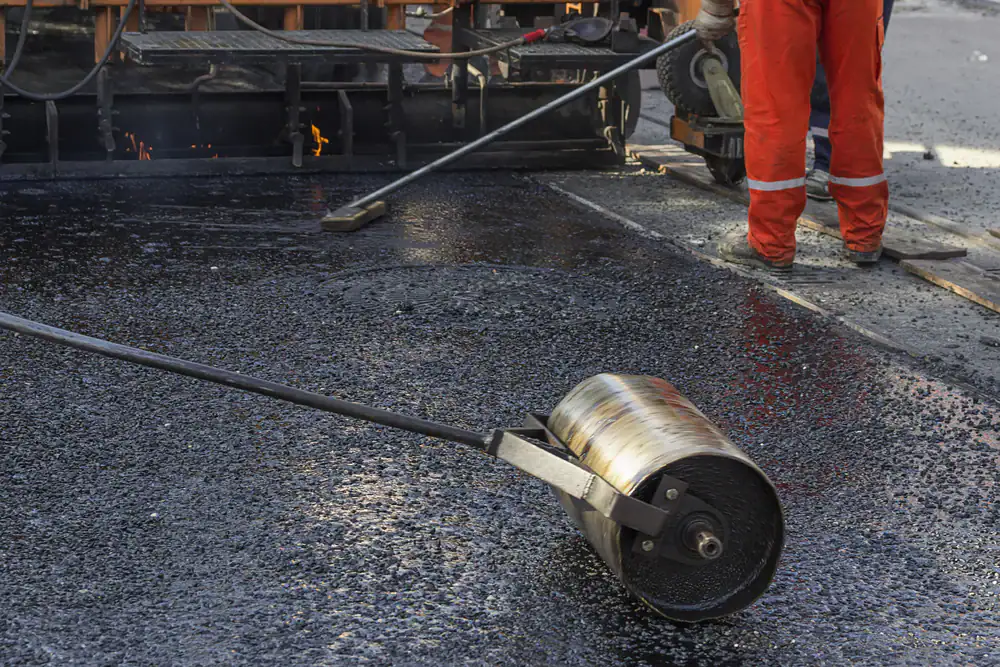
Then rollers compact everything together. The weight presses the stone into the asphalt, locking it in place. This step matters. Proper compaction is what keeps stones from coming loose later.
Finally, the surface cures. It needs time to set and harden. During this period, the materials bond together into one solid layer. The timeline depends on weather, but in Brentwood’s warm, dry climate, curing happens efficiently. Once it’s done, you’ve got a driveway ready to handle daily use.

Ready to get started?
Brentwood sits in Williamson County, where properties range from established neighborhoods to newer developments on varied terrain. Tar and chip paving adapts well to these conditions because the application process fills in small surface irregularities as it goes. You’re not just covering problems—you’re sealing them.
The textured surface works particularly well in Tennessee. When rain hits, you get better traction than smooth asphalt. That matters when you’re backing out on a wet morning or when guests are pulling in during a storm. The stone layer also handles temperature swings without cracking as easily as some other materials.
Maintenance is straightforward. You’ll want to sweep loose stones occasionally, especially in the first few weeks after installation. If a crack shows up, get it filled quickly. Every few years, a fresh seal coat keeps everything protected. That’s it. No annual sealing. No constant patching. Just basic upkeep that takes minutes, not hours.
And cost? Tar and chip typically runs 30 to 50 percent less than traditional asphalt. For Brentwood homeowners looking to maintain property value without overspending, that difference adds up. You’re getting a driveway that performs for 7 to 10 years—sometimes longer—at a price that makes sense.

You’re looking at 7 to 10 years for a tar and chip driveway under normal residential use. That’s the realistic baseline. With proper maintenance—regular sweeping, prompt crack repairs, and resealing every 2 to 4 years—some driveways push past 10 years and reach 15.
The lifespan depends on a few things. Traffic volume matters. A driveway with two cars coming and going daily will hold up differently than one with heavy trucks or constant activity. Weather plays a role too. Tennessee’s warm, dry climate actually works in your favor here. Tar and chip cures well in these conditions and handles temperature fluctuations better than you might expect.
Maintenance is the real variable. If you ignore cracks, skip resealing, and let water sit on the surface, you’ll shorten that lifespan. But if you treat it like an investment—sweep monthly, fill cracks as they appear, and reseal every few years—you’ll get every year out of it, and then some.
Tar and chip uses hot liquid asphalt as a base with crushed stone compacted on top. Regular asphalt is a smooth, uniform mix of asphalt and aggregate that’s laid down hot and rolled flat. The end result looks and feels completely different.
Tar and chip has texture. You can see and feel the individual stones on the surface. That texture gives you better traction, especially in wet conditions. Regular asphalt is smooth, which some people prefer for aesthetics, but it can get slippery when it rains.
Cost is another big difference. Tar and chip typically costs 30 to 50 percent less than traditional asphalt. You’re getting comparable durability at a lower price point. The tradeoff? Tar and chip lasts 7 to 10 years on average, while asphalt can go 15 to 20 years. But when you factor in the upfront savings and lower maintenance costs, tar and chip often makes more financial sense for residential driveways.
Maintenance differs too. Asphalt needs sealcoating every few years to protect against UV damage and water penetration. Tar and chip doesn’t require annual sealing—just periodic resealing every 5 to 7 years and basic upkeep.
You’ll see some loose stones in the first few weeks after installation. That’s normal. Not every stone bonds perfectly during compaction, so a few will work their way free as you drive over the surface. Sweeping them up takes care of it.
After that initial period, loose stones shouldn’t be an ongoing issue if the driveway was installed correctly. Proper compaction is key. When the stones are pressed firmly into the hot asphalt and given time to cure, they stay put. If you’re still seeing lots of loose stones months after installation, that’s a sign something wasn’t done right.
Traffic patterns matter too. Sharp turns, aggressive braking, and heavy vehicles can dislodge stones over time. If you’re gentle with the surface—normal driving, no burnouts, no dragging heavy equipment—the stones stay where they belong. And if a few do come loose over the years, it’s not a crisis. Just sweep them aside or add a thin layer of stone during routine maintenance.
The bottom line: loose stones are a minor, temporary inconvenience at first, not a long-term problem.
Tar and chip paving typically costs 30 to 50 percent less than traditional asphalt. Industry estimates put it around $5 to $7 per square foot, though your actual price depends on the size of your driveway, site conditions, and any prep work needed.
Asphalt runs higher—usually $7 to $13 per square foot or more. Concrete costs even more, often $8 to $18 per square foot. So if you’re paving a standard two-car driveway, you could save several thousand dollars by choosing tar and chip over asphalt or concrete.
But cost isn’t just about the upfront number. You also have to think about maintenance and lifespan. Tar and chip lasts 7 to 10 years with basic care. Asphalt lasts 15 to 20 years, but it needs regular sealcoating and repairs. Concrete can go 30 years, but the initial investment is steep. When you factor in the lower upfront cost and minimal maintenance requirements, tar and chip often delivers better value for residential driveways—especially if you’re planning to stay in your home for the next decade but don’t want to overspend.
Yes. Tennessee’s climate is actually well-suited for tar and chip paving. The warm, dry conditions help the asphalt cure properly, which is critical for long-term durability. When the materials bond correctly during installation, the surface holds up well against temperature swings, rain, and humidity.
The textured stone surface handles wet weather better than smooth asphalt. Water drains off instead of pooling, and you get better traction when it’s raining. That’s a real advantage during Tennessee’s spring and summer storms.
Temperature fluctuations can cause cracking in any paved surface, but tar and chip is fairly resilient. The asphalt layer underneath expands and contracts with the temperature, and the stone layer on top provides protection from UV damage. As long as you keep up with basic maintenance—filling cracks when they appear, resealing every few years—the surface stays intact.
Winter weather is less of a concern in Brentwood than in northern states, but if you do get snow and ice, just be careful with snow plows. The plow blade can dislodge stones if it scrapes too hard against the surface. A little caution goes a long way.
Maintenance is straightforward. Sweep the surface regularly to remove loose stones and debris—once a month is a good baseline, more often if you have heavy traffic. Keeping the surface clean prevents buildup and makes it easier to spot any issues early.
If you see cracks, fill them right away. Small cracks turn into big problems if water gets in and starts eroding the base. A quality crack filler takes minutes to apply and saves you from expensive repairs later.
Every 2 to 4 years, depending on traffic and weather exposure, plan to reseal the surface. Resealing adds a fresh protective layer that keeps water out and extends the life of your driveway. Some driveways can go 5 to 7 years between reseals, but that depends on how much use they get.
Check your drainage too. Make sure water flows off the driveway instead of pooling. Standing water weakens the surface over time and accelerates wear. If you notice puddles forming, address the grading or add drainage solutions.
That’s it. No annual sealcoating like asphalt. No constant patching. Just basic care that keeps your driveway in good shape for the long haul.
Other Services we provide in Brentwood