

Hear from Our Customers
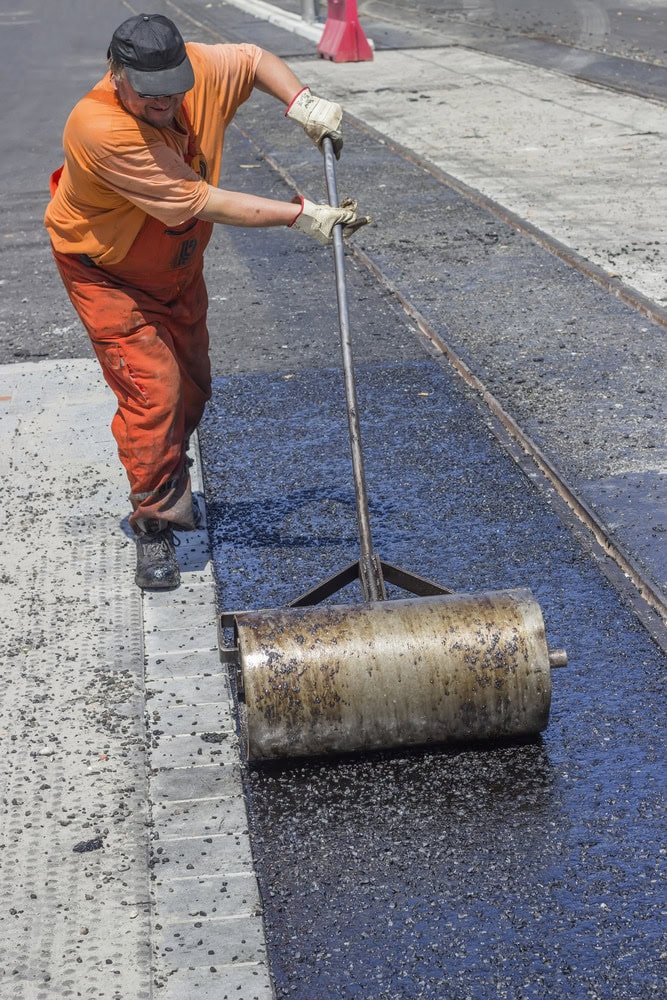
You’re not just getting a black surface. You’re getting a driveway that doesn’t crack apart after two winters or a parking lot that doesn’t need patching every spring.
Proper asphalt work means water drains where it should. It means your base is compacted right so you’re not dealing with sinkholes in three years. It means using materials that flex with Tennessee’s temperature swings instead of fighting them.
When the job’s done right from the start, you’re looking at 20 to 30 years of use with basic maintenance. That’s what separates a quality asphalt company from whoever shows up with the lowest bid. You save money by not having to redo the work.
Tristar Paving LLC has been handling residential and commercial paving in the Nashville area for over 50 years. That’s not a marketing line—it’s half a century of driveways, parking lots, and roads that are still holding up.
We’re a veteran-owned company based in Wilson County. We know Brentwood’s neighborhoods, from the upscale properties in Governor’s Club to the commercial corridors along Franklin Road. We understand what the climate here does to asphalt and how to build for it.
You’re working with people who’ve seen every type of paving problem Tennessee can throw at you. We know what works and what doesn’t because we’ve been doing this since before most paving companies existed.

First, we come out to look at your property. Not to give you a sales pitch, but to see what you’re working with—drainage, grade, soil conditions. That determines what prep work is needed and what the realistic cost will be.
Next is site prep. This is where corners get cut by cheap contractors, and it’s why their work fails early. The existing surface gets removed if needed, the base gets graded properly for drainage, and everything is compacted to the right density. Skip this part or rush it, and nothing else matters.
Then comes the asphalt. It’s laid at the right thickness for your use case—residential driveways need less than commercial lots that handle delivery trucks. The material is compacted while it’s still hot, creating a smooth, dense surface. You’ll need to stay off it for a day or two while it cures.
After that, you’ve got a finished surface. Seal it every few years, fix small cracks when they show up, and you’re set for decades.

Ready to get started?
We handle both residential driveways and commercial parking lots across Brentwood and the surrounding Nashville area. For homes, that means new driveway installation, resurfacing over existing asphalt that’s still structurally sound, or complete replacement when the base has failed.
For businesses, the scope is larger but the principles are the same. Parking lots need thicker asphalt to handle heavier loads and more traffic. Proper grading becomes even more critical because water pooling in a commercial lot isn’t just an eyesore—it’s a liability issue.
We also offer tar and chip installations, which work well for longer rural driveways where you want durability and traction without the cost of full asphalt. It’s a different look and application method, but it holds up well in the right situations.
Brentwood’s affluent neighborhoods and corporate properties demand quality work. When your driveway is the first thing visitors see or your parking lot is part of your business’s first impression, you can’t afford shortcuts. The fluctuating temperatures here—hot summers, freezing winters—mean asphalt needs to be flexible enough to expand and contract without cracking apart.

With proper installation and regular maintenance, you’re looking at 20 to 30 years. That’s not a guarantee—it depends on how well the base was prepared, the quality of materials used, and whether you keep up with basic maintenance like sealcoating every few years.
Tennessee’s climate plays a role too. The freeze-thaw cycles in winter and the heat in summer put stress on asphalt. Quality installation accounts for this by using materials that flex with temperature changes rather than cracking under the stress.
If someone tells you their asphalt will last 40 years with zero maintenance, they’re either lying or confused. But 20 to 30 years is realistic when the work is done right, which is significantly longer than you’ll get from cheaper alternatives or rushed installation.
An overlay means adding a new layer of asphalt over your existing driveway. It’s cheaper and faster than full replacement, but it only works if your current base is still solid. If you’ve got widespread cracking, potholes, or drainage problems, an overlay just covers up issues that will come back to haunt you.
Complete replacement means tearing out everything, fixing the base and drainage, and starting fresh. It costs more upfront, but you’re getting another 20 to 30 years instead of just buying yourself another 8 to 10 years with an overlay.
The honest answer about which you need depends on what’s actually wrong with your current driveway. We’ll tell you the truth even if it means less money for us on that particular job, because we’d rather you get the right fix than have you calling us back in two years when the overlay fails.
For residential driveways, you’re typically looking at $6 to $9 per square foot including materials and labor. A standard two-car driveway runs somewhere between $3,000 and $6,000 depending on size and site conditions. Commercial parking lots cost more due to thicker asphalt requirements and larger scale.
Those numbers assume normal conditions. If your property needs extensive grading work, drainage correction, or removal of old concrete, the cost goes up. Difficult access or poor soil conditions also add to the price.
The cheapest bid isn’t always the best value. A contractor who’s cutting the price is cutting something—usually the base prep or material quality. That saves you money now but costs you more later when you’re repaving again in 10 years instead of 25. Get multiple quotes, but pay attention to what’s actually included in each one.
Yes, every two to four years. Sealcoating protects against UV damage, water penetration, and chemical spills like oil or gas. It’s not optional if you want your driveway to last its full lifespan.
Think of it like painting a wood deck. The wood doesn’t rot immediately without paint, but it deteriorates much faster. Asphalt works the same way—the sealcoat is a protective barrier that slows down the aging process.
The cost is minimal compared to early replacement. You’re spending a few hundred dollars every few years to protect a several-thousand-dollar investment. Skip it, and you’ll start seeing cracks and surface deterioration within 5 to 10 years instead of 20 to 30.
Flexibility. Asphalt expands and contracts with temperature changes without cracking the way rigid concrete does. Tennessee gets hot summers and freezing winters—that constant expansion and contraction is hard on concrete but asphalt handles it better.
Asphalt is also easier and cheaper to repair. If you do get a crack or pothole, patching asphalt is straightforward and the repair blends in. Concrete repairs are more visible and more expensive.
The dark color of asphalt actually helps in winter too. It absorbs heat and melts snow and ice faster than concrete, which means less slipping and less need for salt or chemicals that can damage the surface. For Tennessee’s climate, asphalt is the practical choice.
At least 24 to 48 hours, though 72 hours is better if you can manage it. The asphalt needs time to cure and harden fully. Drive on it too soon and you’ll create indentations or surface damage.
The exact timing depends on weather conditions. Hot weather speeds up curing, while cooler temperatures slow it down. We’ll give you specific guidance based on the forecast and the type of asphalt mix used.
Heavy vehicles need more cure time than passenger cars. If you’re parking a loaded truck or RV on new asphalt, wait at least three days. It’s frustrating to avoid using your driveway for a few days, but it’s a lot more frustrating to damage fresh asphalt and need repairs before you’ve even finished paying for the installation.
Other Services we provide in Brentwood