
Hear from Our Customers
Your current driveway situation isn’t working. Gravel keeps washing away during heavy rains, and you’re tired of stones ending up in your yard every time someone drives through. Maybe you’re dealing with a dirt drive that turns into a muddy mess, or an old asphalt surface that’s cracking and failing.
Tar and chip paving solves these headaches. You get a stable surface that locks stone in place with hot liquid asphalt, creating excellent traction even when wet. The textured finish handles Tennessee’s freeze-thaw cycles without the constant maintenance headaches of traditional asphalt.
Your driveway becomes an asset instead of a problem. No more tracking mud into the house, no more loose stones damaging car paint, and no more wondering if delivery trucks can make it to your door during bad weather.
We’ve been handling paving projects across Wilson County since the 1970s. As a veteran-owned company, we understand the value of doing work right the first time and standing behind it.
We serve both residential and commercial clients throughout the Nashville area, but our roots run deep in communities like Baxter. We’ve seen how Tennessee weather affects different paving materials over decades, and we know which solutions actually hold up in this climate.
Unlike fly-by-night contractors who show up after storms, we’ve built our reputation on local relationships and quality work that lasts. When you call us, you’re working with people who will still be here in five years if you need service.

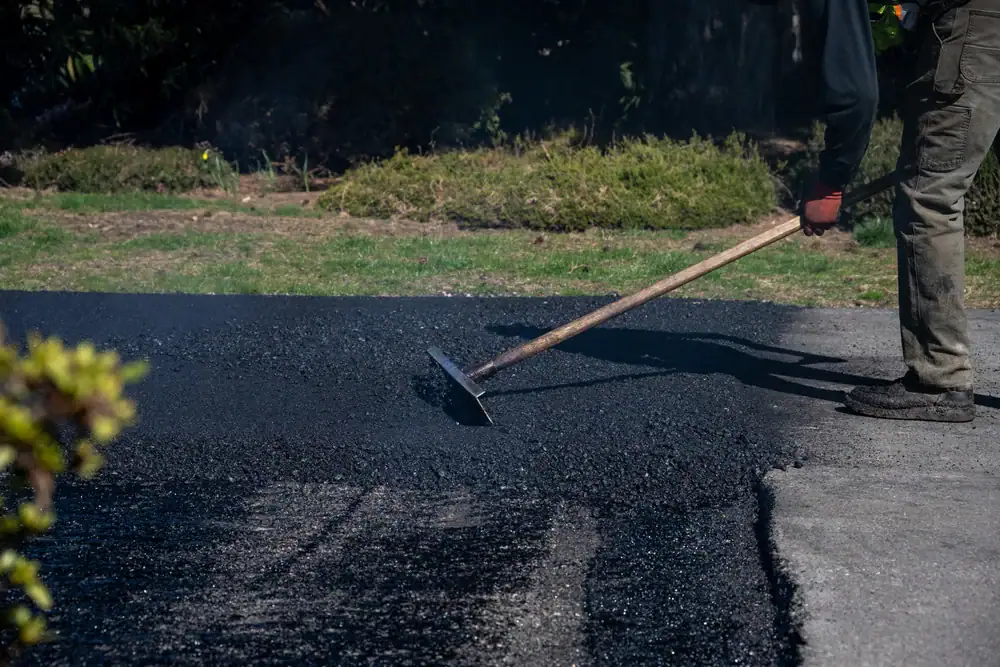
The process starts with proper base preparation. Your existing surface gets cleaned and evaluated, with any necessary repairs completed before paving begins. A stable foundation is critical for long-term performance.
Next comes the hot liquid asphalt application. This isn’t cold-applied material that takes forever to cure. Hot asphalt bonds immediately with the prepared surface, creating a strong foundation layer that can handle vehicle weight and weather stress.
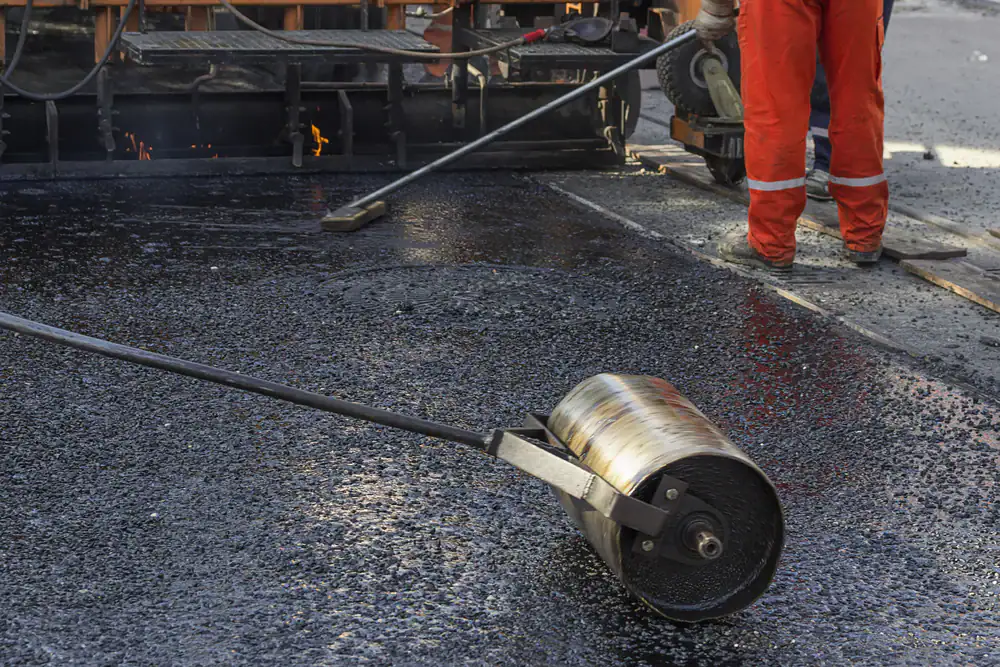
Stone chips get spread over the hot asphalt while it’s still tacky, then compacted with heavy rollers. This embeds the stones into the asphalt, creating that textured surface that provides excellent traction. You can drive on it immediately after completion—no waiting days for curing like with other paving methods.

Ready to get started?
Tar and chip paving works particularly well in areas like Baxter because it handles temperature fluctuations better than smooth asphalt. The textured surface allows for slight movement without cracking, and the embedded stones provide traction during wet conditions common in Middle Tennessee.
The cost typically runs 30-40% less than traditional asphalt, making it budget-friendly for longer rural driveways common in Wilson County. You’re looking at roughly $2-5 per square foot depending on site conditions and stone selection, with no ongoing sealcoating requirements.
Stone color options let you customize the appearance to match your property. Gray stones work well with most landscapes, while tan or brown options complement rural settings. The natural look blends better with wooded or agricultural surroundings than stark black asphalt.

Properly installed tar and chip paving typically lasts 7-10 years in Tennessee, with some installations reaching 15 years with good maintenance. The lifespan depends heavily on the quality of the base preparation and installation technique.
Tennessee’s freeze-thaw cycles actually work in favor of tar and chip because the flexible surface can handle slight movement without cracking like rigid materials. Heavy traffic helps compact the surface over time, making it more durable rather than wearing it out.
The key is starting with a solid foundation and proper stone gradation. Cheap installations that skip base prep or use poor-quality materials will fail much sooner, while quality work from experienced contractors delivers the full expected lifespan.
Snow removal requires some care with tar and chip surfaces, but it’s definitely manageable. The key is keeping your plow blade slightly elevated—about a quarter inch above the surface—to avoid catching and pulling up stones.
Many homeowners find that a snowblower works better than plowing for tar and chip driveways. The blower clears snow without contacting the surface, eliminating any risk of damage. For hand shoveling, plastic shovels work better than metal ones.
The textured surface actually provides better traction for walking during icy conditions compared to smooth asphalt. While you need to be more careful with mechanical snow removal, the improved safety during winter weather often makes the trade-off worthwhile.
The main differences come down to cost, appearance, and maintenance requirements. Tar and chip costs 30-40% less upfront and doesn’t require regular sealcoating like asphalt does every 3-5 years.
Regular asphalt provides a smoother surface that’s easier to sweep and plow, but it’s more expensive initially and needs ongoing maintenance to prevent cracking and weathering. Tar and chip gives you a textured, rustic appearance with better traction but requires careful snow removal.
Lifespan varies—quality asphalt can last 15-20 years with proper maintenance, while tar and chip typically runs 7-10 years. However, when you factor in the lower initial cost and no sealcoating requirements, the long-term economics often favor tar and chip for many applications.
Some stone loss is normal during the first few weeks as loose surface stones get swept away by traffic and weather. This is actually part of the settling process, and it doesn’t indicate a problem with the installation.
Properly installed tar and chip should have minimal stone loss after the initial settling period. The hot asphalt creates a strong bond with the embedded stones, and traffic helps compact everything together. Problems occur when contractors use cold-applied materials or skip proper compaction.
Heavy vehicles, sharp turns, and aggressive snow removal can dislodge stones over time. However, occasional stone replacement is much less expensive than the regular maintenance requirements of other paving materials. Quality installation minimizes ongoing stone loss issues.
Yes, tar and chip can be applied over existing asphalt if the current surface is structurally sound. This makes it a cost-effective way to refresh an aging driveway without complete removal and replacement.
The existing asphalt needs to be in relatively good condition—minor cracks are fine, but major structural problems, extensive cracking, or a failing base won’t support the new surface. Professional evaluation determines whether your existing surface is suitable.
Surface preparation involves cleaning and minor crack sealing before applying the tar and chip. This overlay approach costs less than full replacement while extending the life of your driveway. However, underlying problems will eventually show through, so honest assessment of the existing conditions is important.
Tar and chip paving in the Baxter area typically costs $2-5 per square foot, depending on site conditions, access, and stone selection. A typical residential driveway runs $1,500-4,000 for most properties, significantly less than comparable asphalt installation.
Factors affecting price include driveway length, width, existing surface condition, and site accessibility. Longer driveways often get better per-square-foot pricing due to equipment setup efficiencies. Difficult access or extensive prep work increases costs.
The total investment usually runs 30-40% less than traditional asphalt when you compare equivalent square footage. Factor in no sealcoating requirements over the surface lifetime, and the long-term savings become even more significant for budget-conscious property owners.
Other Services we provide in Baxter