

Hear from Our Customers
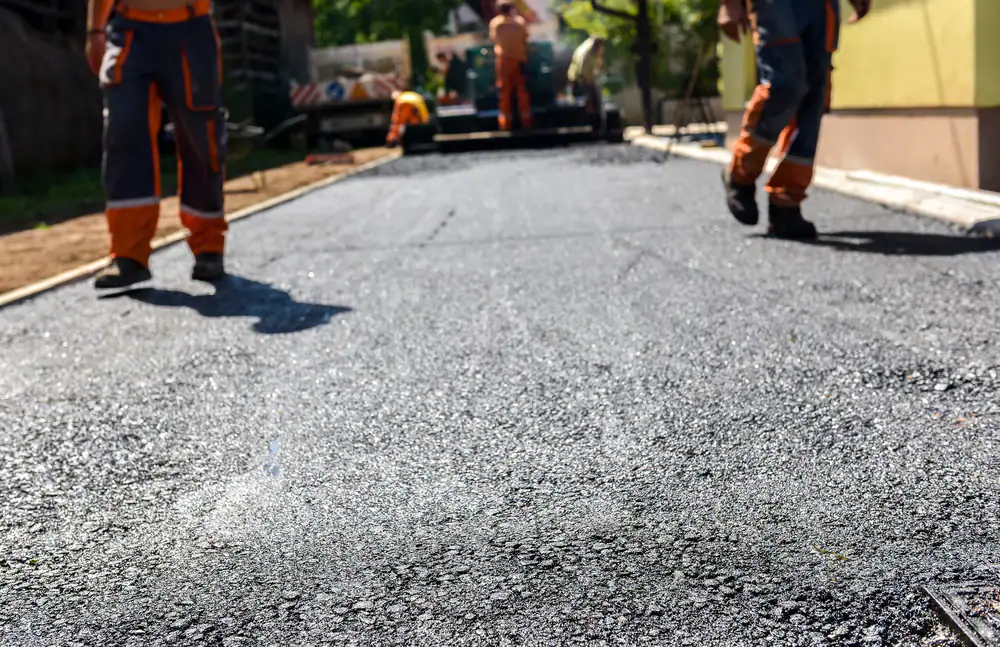
Your driveway should do its job without you thinking about it. No pooling water after a storm. No spiderweb cracks spreading across the surface six months in. No regret about who you hired.
When asphalt is installed correctly—proper base prep, the right thickness for your use, attention to drainage—it stays smooth and solid for 15 to 30 years. That’s what you’re paying for. Not just black surface, but years of reliable performance that doesn’t cost you repairs or replacement down the road.
You get your property back faster than you think. Most driveways need about 48 hours to cure before you can drive on them. Then it’s done, and you move on with your life.
Tristar Paving LLC is a veteran-owned asphalt paving company based in Wilson County, serving Baxter and the Nashville area. We bring over 50 years of combined experience to residential and commercial projects—driveways, parking lots, tar and chip installations, and full-scale paving work.
Being local means understanding Tennessee weather, soil conditions, and what actually holds up here. It also means we stand behind our work because reputation matters when you’re serving your own community.
Whether it’s a homeowner wanting a driveway that improves curb appeal or a business needing a parking lot that handles daily traffic, we focus on installations built to last.
The job starts with the base. If the ground isn’t prepped right—graded for drainage, compacted properly—nothing above it matters. This step determines whether your asphalt lasts three years or thirty.
Next comes the asphalt itself. Residential driveways typically need 2 to 3 inches of thickness. Commercial parking lots or areas with heavier traffic need 4 inches or more. We lay hot-mix asphalt, compact it with a roller, and make sure the surface drains away from structures.
After installation, the asphalt needs time to cure. You’ll wait about 48 hours before driving on it. Six months later, it’s ready for sealcoating—a protective layer that guards against weather damage and extends the life of your pavement. Resealing every three to five years keeps everything in good shape.

Ready to get started?
We handle residential driveway paving, commercial parking lot construction, asphalt resurfacing, and tar and chip installations. Each service is tailored to what your property actually needs—not upsold, not oversimplified.
For Baxter homeowners, driveway paving typically runs between $4 and $13 per square foot depending on the scope. That includes demolition if needed, proper base preparation, quality hot-mix asphalt, and professional installation. If you’re paving over an existing surface in good condition, an overlay costs less.
Tennessee’s climate—hot summers, freeze-thaw cycles in winter—puts stress on asphalt. Proper installation accounts for this. We ensure adequate drainage to prevent water from pooling and seeping under the surface, which causes cracks and heaving. We grade the site correctly and use the right asphalt thickness for your specific use case.
Tar and chip is another option for driveways, especially in rural or residential settings. It’s a durable, cost-effective alternative to traditional asphalt with a textured look. The process involves laying liquid asphalt and embedding stone chips into the surface.
Asphalt driveway paving in Tennessee typically costs between $4 and $13 per square foot, depending on the project. A standard two-car driveway runs around 600 square feet, putting most jobs in the $2,400 to $7,800 range.
Several factors affect the price. If your existing driveway needs to be torn out and hauled away, that adds to the cost. If the ground needs significant grading or drainage work, that’s extra. Thicker asphalt—4 inches instead of 2—costs more upfront but lasts longer, especially if you have heavier vehicles or commercial use.
An asphalt overlay, where new asphalt is laid over an existing driveway in decent condition, costs less than full replacement. But it only works if the base underneath is still solid. We can assess your situation and give you an accurate estimate based on what your property actually needs.
A properly installed asphalt driveway lasts 15 to 30 years in Tennessee, depending on installation quality, thickness, and maintenance. The key word is “properly installed.” If the base isn’t prepared correctly or the asphalt is too thin, you might only get a few years before problems start.
Tennessee weather is tough on asphalt. Hot summers soften the surface, and winter freeze-thaw cycles cause expansion and contraction. Water is the biggest enemy—if it gets under the asphalt, it erodes the base and creates cracks and potholes.
Regular maintenance extends the life significantly. Sealcoating every three to five years protects against UV damage, water penetration, and surface wear. Filling cracks as they appear prevents them from spreading. With proper care, you can push your driveway well past the 20-year mark.
Asphalt paving uses hot-mix asphalt—a blend of aggregate and liquid asphalt—that’s laid down, compacted with a roller, and creates a smooth, black surface. It’s the standard choice for most driveways and all parking lots. It handles heavy traffic well and provides a clean, uniform look.
Tar and chip, also called chip seal, involves spraying liquid asphalt onto the prepared base and then spreading stone chips over the top. The chips are pressed into the asphalt and left exposed, creating a textured, gravel-like appearance. It costs less than traditional asphalt and works well for residential driveways, especially in rural settings.
The main differences: Tar and chip has more texture and isn’t as smooth to walk or drive on. It’s also harder to plow in winter because the exposed stone can get scraped. But it’s durable, requires less maintenance, and offers a rustic look some homeowners prefer. Your choice depends on your budget, aesthetic preference, and how you use your driveway.
You’ll need to wait about 48 hours before driving on a new asphalt driveway. The asphalt needs time to cure and harden enough to support vehicle weight without damage. Rushing this step can leave permanent tire marks, ruts, or surface deformation.
During the first few days, the asphalt is still soft, especially in warm weather. Even after 48 hours, it’s smart to avoid parking in the same spot repeatedly or turning your steering wheel while stationary—both can leave marks. After a week or so, the surface is firm enough for normal use.
Full curing takes longer, though. Asphalt continues to harden over the first six months to a year. That’s why we recommend waiting six months before applying the first sealcoat. This gives the asphalt time to fully cure and ensures the sealer bonds properly to the surface.
It depends on the condition of your existing driveway. If the base is solid and the surface damage is mostly cosmetic—minor cracks, some wear—you can usually pave over it with an asphalt overlay. This costs less because there’s no demolition or hauling involved.
But if your driveway has major cracks, sinking sections, or drainage problems, an overlay won’t fix the underlying issues. You’ll just end up with the same problems showing through the new asphalt within a year or two. In those cases, full removal and replacement is the better investment.
We can assess your driveway and tell you which approach makes sense. We’ll look at the base condition, drainage, and how the existing surface is failing. Sometimes a small repair to the base plus an overlay works. Other times, starting fresh is the only way to get a driveway that actually lasts.
Start with experience and local presence. A contractor who’s been working in Tennessee for years understands regional soil conditions, climate challenges, and proper installation techniques for this area. Local companies also have reputations to protect, which matters when problems come up.
Ask about their process. A good contractor will explain base preparation, asphalt thickness recommendations for your specific use, and how they handle drainage. If someone gives you a quote without asking questions about your property or discussing these details, that’s a red flag.
Get everything in writing—scope of work, materials, timeline, and total cost. Make sure they’re licensed and insured. Check references or look at recent projects if possible. And don’t automatically go with the lowest bid. Quality installation costs more upfront but saves you money over the life of your driveway. Cheap work fails early, and then you’re paying twice.
Other Services we provide in Baxter