
Hear from Our Customers
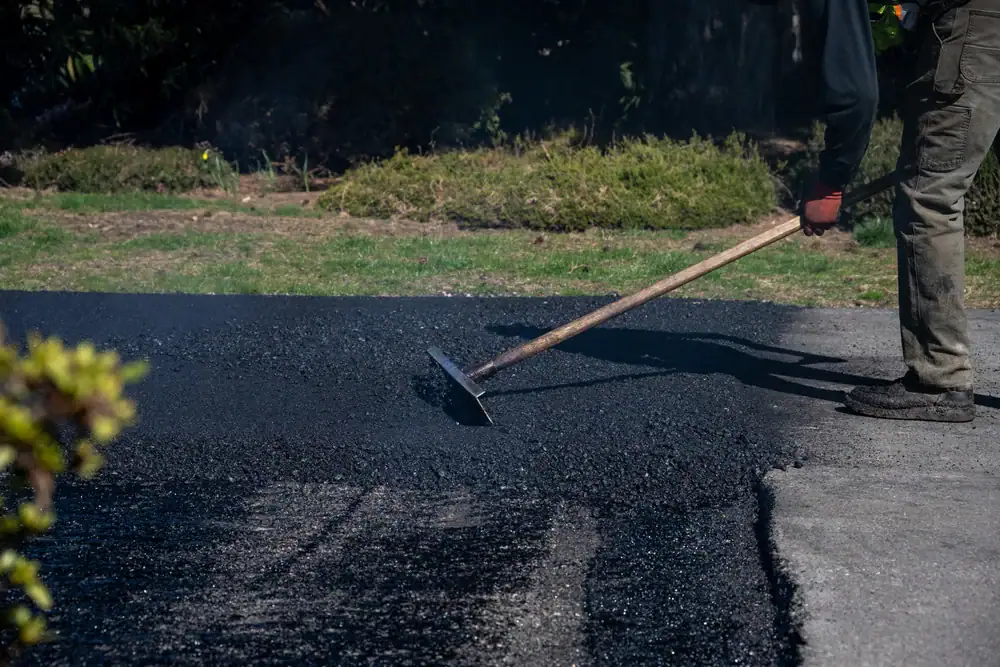
Your driveway stops being the thing you avoid looking at. It becomes a surface you can actually use without worrying about potholes opening up next month or gravel scattering across your lawn every time someone pulls in.
Tar and chip paving gives you traction when it rains. The stone surface doesn’t get slick like smooth asphalt can. You’re not sliding around in wet conditions or second-guessing whether your tires will grip.
And the cost difference matters. You’re spending $1 to $5 per square foot instead of $3 to $6 for traditional asphalt. For a typical driveway, that’s real money back in your pocket—money that doesn’t disappear just because you needed a functional surface to park on.
We’ve been handling tar and chip installations across Angeltown and Wilson County since before most paving companies even existed. Over 50 years means we’ve seen every soil condition, every weather pattern, every driveway challenge this area throws at contractors.
We’re veteran-owned, locally based, and we don’t disappear after the job’s done. When you call about a driveway in Angeltown, you’re talking to people who know exactly what rural properties around here need—longer driveways, proper drainage for Tennessee rain, surfaces that can handle farm equipment or work trucks when needed.
We’re licensed, insured, and we show up when we say we will. Most of our work comes from neighbors telling neighbors, which tends to happen when you do the job right the first time.

We start by prepping your site. That means clearing debris, grading the area so water drains away from your property, and laying down a compacted gravel base. This base layer is what keeps your driveway stable long-term. Skip this step or rush it, and you’ll have problems within a year.
Next comes the hot liquid asphalt. We heat it to the right temperature and spray it evenly across your prepared base using truck-mounted equipment. Timing matters here—the asphalt needs to stay hot enough for the stone chips to bond properly.
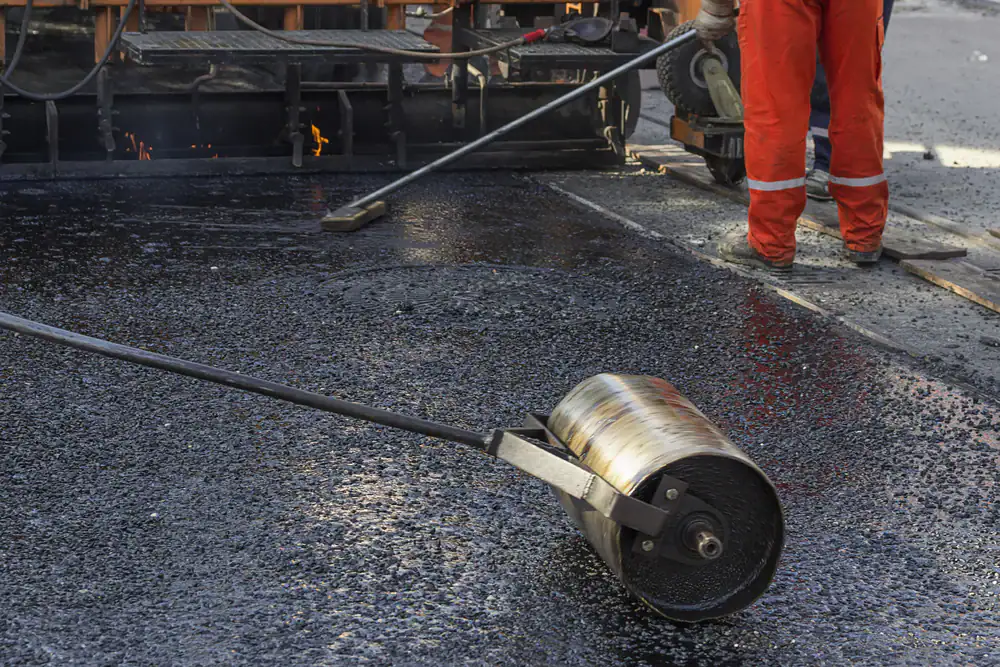
While that asphalt is still hot and sticky, we spread a layer of stone chips across the entire surface. These aren’t random rocks. They’re angular aggregate stones that lock together when compacted. We use a chip spreader to distribute them evenly, then bring in heavy rollers to press everything into place.
The roller makes multiple passes, embedding those stones deep into the asphalt. This creates the bond that holds your driveway together. After compaction, we sweep away any loose stones that didn’t adhere. Then your driveway needs 24 to 48 hours to cure before you can drive on it. That’s it—no complicated process, no weeks of waiting.

Ready to get started?
Angeltown sits in a rural part of Sumner County where properties tend to have longer driveways and different needs than suburban subdivisions. Tar and chip paving fits that environment. It’s built for exactly this kind of setting—rural roads, farm access, residential driveways that see regular use but don’t need the expense of commercial-grade asphalt.
The textured surface gives you traction year-round. When Tennessee gets hit with rain or occasional ice, that rough stone surface grips better than smooth pavement. You’re not dealing with a slick driveway every time the weather turns.
You also get options with appearance. The stone chips come in different colors—gray, tan, reddish tones, even bluestone if you want something distinctive. You can match your property’s look or just pick something that doesn’t scream “cheap gravel driveway.” It’s a natural appearance that works with rural settings without looking unfinished.
Maintenance stays simple. You don’t need to seal it every few years like asphalt. The stone layer naturally sheds water instead of absorbing it, which means less cracking from freeze-thaw cycles. When it eventually needs attention after 7 to 10 years, you can add another layer right over the existing surface—no need to rip everything out and start over.

You’re looking at 7 to 10 years before you need to resurface. That lifespan depends on how much traffic your driveway sees and how well the base was prepared during installation.
Tennessee weather does affect longevity. The temperature swings from hot summers to freezing winters put stress on any paved surface. Tar and chip handles that better than you’d expect because the stone layer is more flexible than solid asphalt.
When those 7 to 10 years are up, you don’t start from scratch. We can add another layer of hot asphalt and fresh stone chips right over your existing surface, assuming the base underneath is still solid. That’s cheaper and faster than a full replacement, and it gives you another decade of use.
Tar and chip runs $1 to $5 per square foot. Traditional asphalt paving costs $3 to $6 per square foot. For a standard two-car driveway around 600 square feet, that’s roughly $1,800 to $3,000 for tar and chip versus $1,800 to $3,600 for asphalt.
But the real cost difference shows up over time. Asphalt needs seal coating every 2 to 3 years at a few hundred dollars per application. Tar and chip doesn’t require that maintenance. You’re saving money upfront and avoiding those recurring seal coating bills.
The tradeoff is lifespan. Asphalt can last 20 to 30 years with proper maintenance. Tar and chip gives you 7 to 10 years. If you plan to stay in your property long-term and want to minimize ongoing costs, tar and chip makes sense. If you’re looking for the longest possible lifespan and don’t mind regular maintenance, asphalt might be worth the extra investment.
Yes, in most cases. If you have an existing gravel driveway, we can compact that gravel to create a stable base, then apply the hot asphalt and stone chips right over it. This saves you the cost of excavation and hauling away old material.
For existing asphalt driveways, tar and chip works as a resurfacing option if your current surface is structurally sound. We’re talking minor cracks and surface wear, not major potholes or a failing base. If the foundation underneath is solid, adding a tar and chip layer protects your existing asphalt from moisture and extends its life.
The key is condition. We’ll assess your current driveway before committing to overlay installation. If the base has shifted or there’s significant structural damage, we need to address that first. Putting new material over a failing foundation just means you’ll have the same problems in six months.
It’s actually ideal for longer driveways. Tar and chip was originally developed for rural roads, so it’s built for exactly this application. When you’re paving 200 feet or more, the cost savings compared to asphalt become significant.
Longer driveways in Angeltown often deal with drainage challenges. Water needs somewhere to go, and tar and chip handles that well. The stone surface allows water to shed naturally instead of pooling. During installation, we grade your driveway to direct water away from your property, preventing erosion and standing water issues.
The textured surface also matters for rural driveways that might see farm equipment, delivery trucks, or heavier vehicles. That rough stone layer provides traction for larger vehicles without breaking down the way loose gravel does. You get a surface that can handle real use without constant maintenance.
Some loose stones are normal right after installation. Even with heavy rolling and compaction, a few chips don’t fully embed into the asphalt. We sweep those away before we leave, but you might notice a few more working loose over the first week or two.
After that initial settling period, stone scatter drops off significantly. The chips that are properly embedded stay in place. You’re not constantly dealing with gravel in your lawn or rocks flying up when you drive.
The edges of your driveway are where you’ll see the most scatter over time. That’s just physics—there’s less compaction at the edges, and vehicle tires tend to push material outward. A quick sweep every few months keeps things tidy. If scatter becomes excessive, that usually indicates the asphalt wasn’t hot enough during installation or the rolling wasn’t thorough, which is why working with experienced contractors matters.
Maintenance is straightforward. Sweep it occasionally to clear debris and any loose stones. That’s about it for regular upkeep. You don’t need to seal coat it like asphalt, and you don’t need to constantly rake it like gravel.
For snow removal, use a shovel or snowblower instead of a metal plow blade. Plows can catch on the stone surface and tear up your driveway. If you need to plow, set the blade slightly higher than you would for asphalt to avoid damaging the surface.
Watch for any areas where stones have worn away significantly or where the asphalt binder is showing through. Those spots can be patched before they become bigger problems. After 7 to 10 years, when the surface shows overall wear, you can have another layer applied. That resurfacing process is quicker and cheaper than replacing the entire driveway, and it gives you another decade of use.
Other Services we provide in Angeltown