

Hear from Our Customers
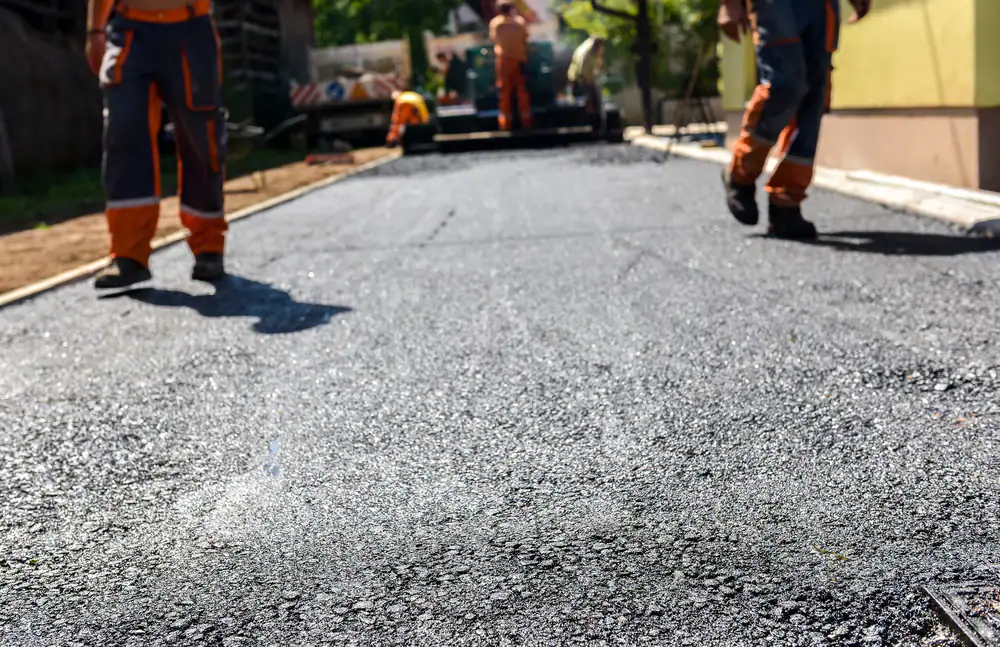
A properly installed driveway or parking lot doesn’t crack in six months. It doesn’t pool water after the first rain. And it doesn’t need repairs before you’ve even made the final payment.
When asphalt paving is done right, you get a smooth, durable surface that holds up to Tennessee weather, heavy traffic, and the test of time. Your property looks better. Vehicles move safely. And you’re not calling someone back to fix what should’ve been done correctly from the start.
That’s what happens when site prep isn’t rushed, when the base is compacted properly, and when hot asphalt gets installed by people who know what they’re doing. You get years of performance instead of months of frustration.
TriStar Paving LLC is a veteran-owned asphalt paving company based in Wilson County, serving Southside and the Nashville area. We bring over 50 years of combined experience to residential and commercial projects across the region.
We handle driveway paving, parking lot construction, asphalt installations, and tar and chip work. Our focus is on doing the job right—proper grading, solid base work, quality materials, and installation that actually lasts.
Being local means accountability. You’re not dealing with a crew that disappears after the job. You’re working with people who live and operate in the same community, and who understand what Tennessee weather does to pavement if it’s not installed correctly.
First, the site gets assessed. That means looking at drainage, grading, soil conditions, and what prep work is actually needed before any asphalt goes down. Skipping this step is where most problems start.
Next comes excavation and base preparation. The existing surface gets removed if needed, the area is graded for proper water runoff, and a compacted aggregate base goes in. This is the foundation—if it’s done wrong, nothing above it matters.
Then the asphalt gets installed while it’s hot. Timing matters here. Asphalt needs to be laid and compacted at the right temperature to bond properly and create a dense, durable surface. That’s why experienced crews and proper equipment make a difference.
After installation, the surface needs time to cure before heavy use. For new asphalt, seal coating is recommended within six months to a year. That protective layer locks out water, UV damage, and chemicals that cause premature aging. It’s a small step that adds years to your pavement.

Ready to get started?
We handle both residential driveway paving and commercial parking lot construction across Southside and Wilson County. For homeowners, that means new driveway installations, asphalt repairs, and tar and chip paving for those looking for a cost-effective alternative with a different aesthetic.
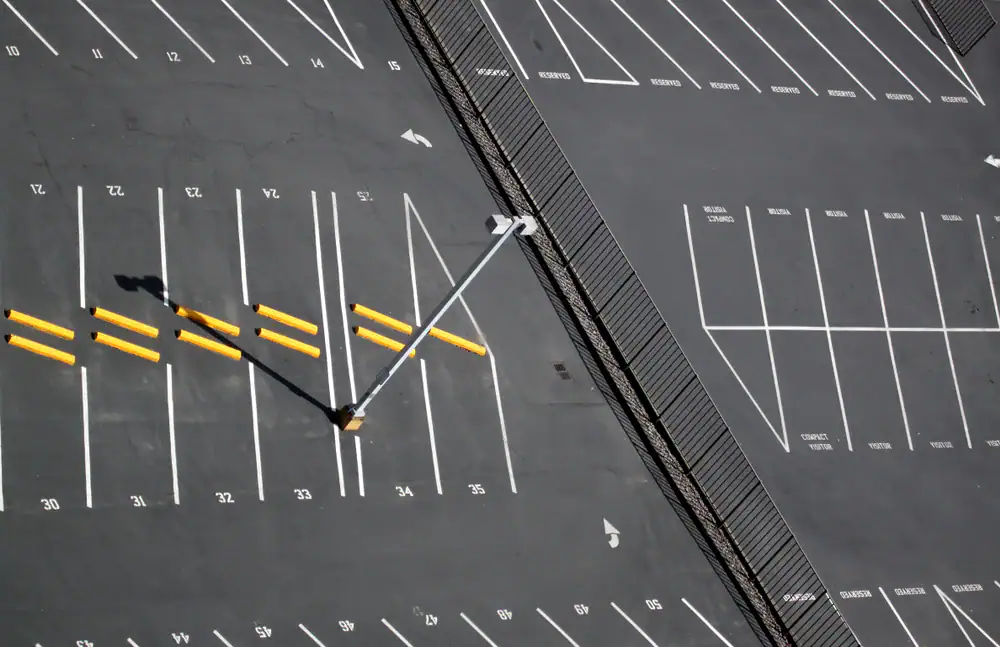
For commercial clients, our focus is on parking lots that meet ADA requirements, handle daily traffic, and project the right image for your business. That includes proper striping, drainage solutions, and work scheduled to minimize disruption to your operations.
Tennessee’s climate—hot summers, freeze-thaw cycles in winter, heavy rain—puts real stress on pavement. Proper installation accounts for that. The base needs to handle moisture without shifting. The asphalt needs to be thick enough and properly compacted. And drainage has to be designed so water moves away from the surface instead of pooling and seeping underneath.
Whether it’s a residential driveway in Southside or a commercial parking lot for a Nashville-area business, our approach is the same: assess the site properly, prepare the base correctly, install quality materials, and deliver work that holds up.
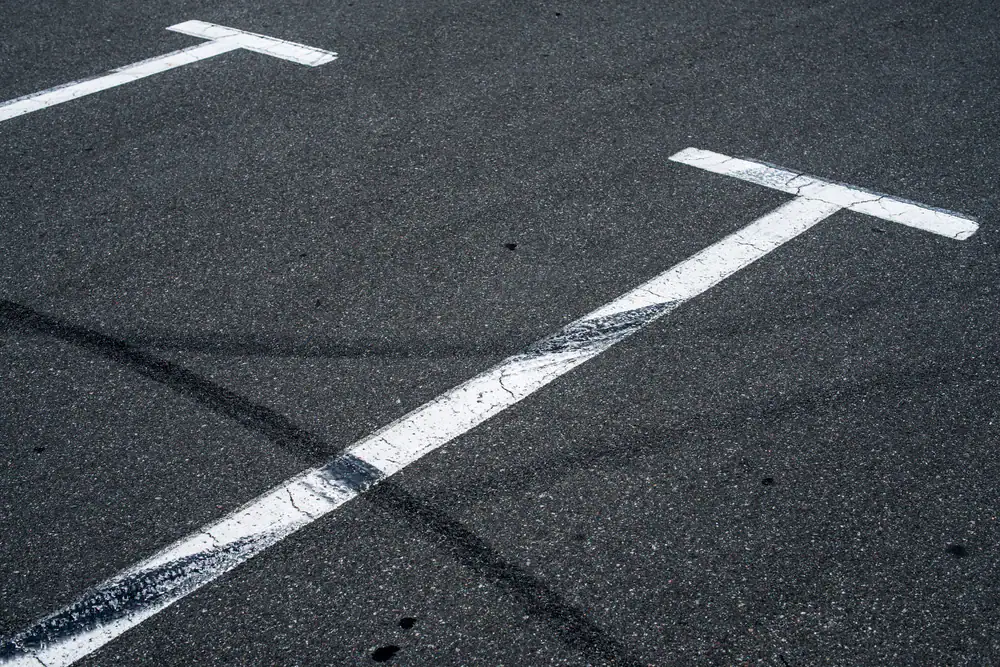
A properly installed asphalt driveway or parking lot in Tennessee should last 15 to 20 years with regular maintenance. Climate plays a role here—Tennessee’s freeze-thaw cycles, summer heat, and moisture can accelerate wear if the pavement wasn’t installed correctly.
The lifespan depends heavily on three things: site preparation, installation quality, and ongoing maintenance. If the base wasn’t compacted properly or drainage wasn’t addressed, you’ll see cracking and settling within a few years. If the asphalt was installed at the wrong temperature or thickness, it won’t hold up to traffic and weather.
Seal coating every 2 to 3 years adds significant life to your pavement by protecting against water infiltration, UV damage, and oxidation. Addressing small cracks early prevents them from turning into bigger problems. Basically, good installation plus basic upkeep gets you decades of use. Shortcuts get you a few years and a redo.
Asphalt paving uses hot asphalt mix that’s laid down and compacted into a smooth, dense surface. It’s durable, handles heavy traffic well, and gives you that traditional blacktop look. It’s the standard choice for driveways and parking lots.
Tar and chip—also called chip seal—involves applying a layer of hot liquid asphalt and then embedding stone chips into it. The result is a textured, gravel-like surface that’s less expensive than traditional asphalt. It works well for residential driveways, farm roads, and lower-traffic areas.
The trade-off: tar and chip costs less upfront but won’t hold up to heavy commercial traffic the way asphalt does. It also requires more maintenance over time. For homeowners on a budget or those who prefer the look, it’s a solid option. For commercial parking lots or high-use driveways, asphalt is the better long-term investment.
Driveway paving costs in Southside depend on size, site conditions, and the type of paving you choose. Asphalt typically runs between $3 and $7 per square foot installed, though that can vary based on prep work needed, accessibility, and current material costs.
A standard two-car driveway (around 600 square feet) might run $2,000 to $4,500 for asphalt, while tar and chip installations generally come in lower. If significant excavation, grading, or drainage work is needed, costs go up—but skipping that work to save money upfront usually means paying more later in repairs.
The best approach: get a detailed quote that breaks down prep work, materials, and labor. Be cautious of prices that seem too good to be true—they usually mean thin asphalt, poor base prep, or corners cut somewhere that’ll cost you down the road. You’re better off paying a fair price for work that lasts.
Sometimes, yes—but it depends on the condition of the existing pavement. If the current surface is structurally sound with only minor cracking or surface wear, an overlay (also called resurfacing or capping) can be a cost-effective option. This involves applying a new layer of asphalt over the old surface.
However, if the existing pavement has significant cracking, settling, drainage issues, or base failure, an overlay just covers up problems temporarily. You’ll end up with the same issues showing through the new asphalt within a year or two.
That’s why a proper assessment matters. We’ll tell you honestly whether resurfacing makes sense or whether you need a full removal and reinstall. Resurfacing saves money when the foundation is solid. But if the base is compromised, ripping it out and starting fresh is the only way to get lasting results.
Most residential driveway projects take 2 to 4 days from start to finish, depending on size and site conditions. Day one typically involves excavation and base prep. Day two is asphalt installation. After that, the surface needs 24 to 48 hours to cure before you can drive on it.
Commercial parking lots take longer—anywhere from a few days to a couple weeks depending on size, striping requirements, and whether work needs to be phased to keep part of the lot accessible. Weather can also impact timelines, since asphalt can’t be installed in rain or freezing temperatures.
The key is planning. We’ll give you a realistic timeline upfront and communicate if anything changes. For commercial projects, scheduling work during off-hours or in phases can minimize disruption to your business. For residential jobs, you’ll want to plan around the curing period so you’re not stuck without driveway access.
No—actually, you shouldn’t seal coat brand new asphalt immediately. Fresh asphalt needs time to cure and release oils before seal coating is applied. Most experts recommend waiting 6 months to a year after installation before the first seal coat.
Seal coating too early can trap oils in the asphalt and prevent proper curing, which weakens the surface. Once the asphalt has cured, seal coating becomes an important maintenance step. It protects against water penetration, UV damage, and chemicals like oil and gas that break down asphalt over time.
After that first seal coat, reapplying every 2 to 3 years keeps your pavement in good shape and extends its lifespan significantly. It’s a relatively inexpensive maintenance step that prevents costly repairs down the line. Think of it like changing the oil in your car—small investment, big payoff.
Other Services we provide in Southside