

Hear from Our Customers
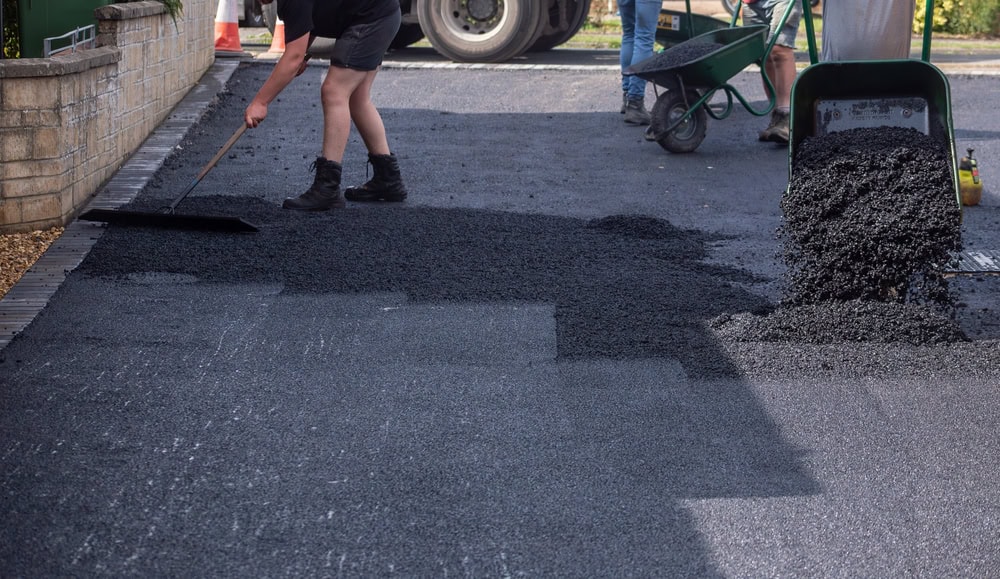
Your driveway stops being a problem. No more puddles after rain, no more cracks spreading across the surface, no more wondering if you made the right call.
You get smooth asphalt that drains properly, holds up to daily traffic, and improves how your property looks from the street. It’s not just about pouring asphalt—it’s about proper grading, solid base preparation, and using materials that can handle what Tennessee throws at them. When the base is compacted correctly and the drainage is planned right, your driveway works the way it should.
The result is something you don’t have to think about for the next 20 to 30 years. You pull in, you pull out, and it just works. That’s what proper driveway construction gets you.
Tristar Paving LLC has been handling asphalt paving projects across Wilson County and the Nashville area for over 50 years. We’re veteran-owned, which means the work ethic isn’t negotiable—every driveway gets the same attention to detail, whether it’s residential or commercial.
Being based in Southside means we understand local soil conditions, drainage challenges, and how Tennessee weather impacts asphalt. We know what shortcuts look like because we’ve seen plenty of driveways that failed early, and we know what it takes to build one that doesn’t.
We serve homeowners and businesses throughout the area with paving services that focus on durability and long-term performance. No theatrics, no overselling—just reliable work from people who’ve been doing this long enough to know what matters.
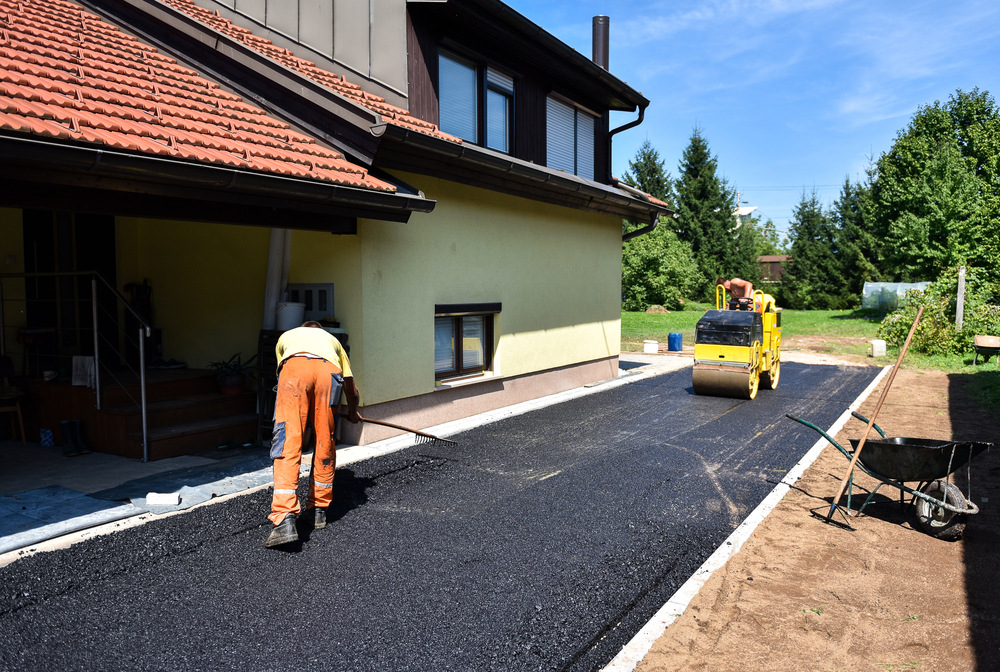
First, the site gets evaluated. That means looking at drainage, checking the existing base if there is one, and planning the grade so water moves away from your house instead of pooling on the driveway.
Next comes excavation and base preparation. This is where a lot of contractors cut corners, but it’s also the most important part. The base gets compacted properly—not just smoothed over—because that’s what keeps your driveway from settling or cracking prematurely. If the base isn’t solid, nothing above it matters.
Then the asphalt goes down at the right thickness. Not too thin to save material, not rushed to finish faster. It gets applied evenly, compacted again, and finished smooth. After that, it needs time to cure. You’ll get clear instructions on when you can use it and how to take care of it.
The whole process is straightforward when you’re working with people who know what they’re doing. You’ll know what’s happening at each step, how long it takes, and what to expect when it’s done.
Ready to get started?
Proper driveway paving in Southside, TN starts with grading. The surface needs to slope away from structures so water doesn’t sit or seep into the base. In areas around Wilson County, drainage is critical—especially with the clay-heavy soil that retains water. If the grade isn’t right from the beginning, you’ll deal with pooling, erosion, and premature damage.
Base compaction is next, and it’s non-negotiable. The base layer is what supports everything above it. When it’s compacted correctly, your driveway can handle vehicle weight, weather changes, and years of use without settling or cracking. When it’s not, you’ll see problems within the first year or two.
Asphalt quality and application thickness matter too. Thinner asphalt costs less upfront but fails faster. We use materials designed for Tennessee’s climate—hot summers, freeze-thaw cycles in winter, and everything in between. The asphalt gets applied at the proper thickness and finished to create a smooth, durable surface.
Whether it’s new driveway construction or driveway restoration, the goal is the same: build it so it lasts. That means doing the work right, not fast. It means using quality materials, not cheap alternatives. And it means understanding what local conditions require, because what works in one region doesn’t always work here.
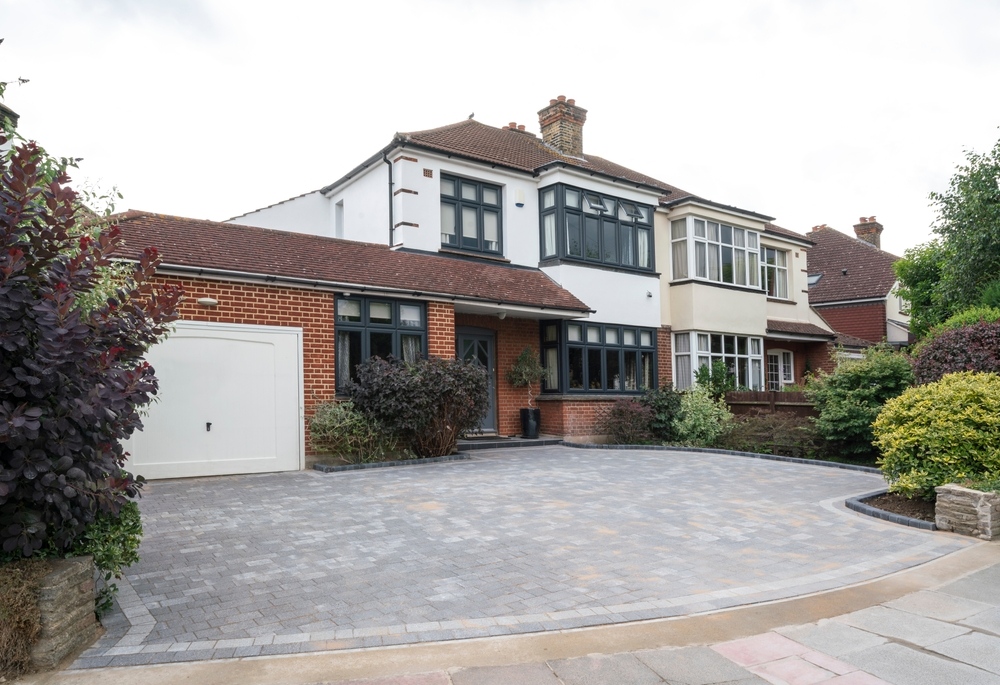
With proper installation and basic maintenance, an asphalt driveway in Southside can last 20 to 30 years. The lifespan depends heavily on how well the base was prepared and whether the asphalt was applied at the correct thickness.
Tennessee weather is tough on driveways. Summer heat causes UV damage and can soften asphalt if it’s low quality. Winter freeze-thaw cycles expand any cracks that form, making small problems bigger. If the base wasn’t compacted right or drainage wasn’t planned properly, you’ll see issues much sooner—sometimes within just a few years.
Regular sealcoating every few years helps protect the surface from UV rays, water penetration, and everyday wear. Addressing small cracks early prevents them from spreading. But the real key is getting it installed correctly from the start. A properly built driveway with a solid base and good drainage will outlast a cheap job by decades.
Asphalt costs less to install and is easier to repair when damage does occur. It’s also more flexible, which helps it handle ground movement and temperature changes without cracking as easily as concrete. In Tennessee, where freeze-thaw cycles are common, that flexibility matters.
Concrete driveways can last slightly longer—up to 30 years or more—but they’re more expensive upfront and harder to fix when they crack. Once concrete cracks, repairs are visible and often less effective. Asphalt repairs blend in better and restore the surface more completely.
For most homeowners in Southside and Wilson County, asphalt offers better value. It performs well in local weather conditions, requires less maintenance over time, and delivers a clean, professional look without the higher price tag. If you’re weighing options, consider what you’re willing to spend upfront versus what you’ll pay in maintenance and potential replacement costs down the road.
Cost depends on the size of your driveway, the condition of the existing base, and whether any grading or drainage work is needed. A standard residential driveway typically ranges from a few thousand dollars to higher amounts for larger or more complex projects.
The cheapest bid isn’t always the best value. Contractors who charge significantly less often skip critical steps like proper base compaction, use thinner asphalt, or rush the job to move on to the next one. You’ll pay less upfront but deal with cracks, settling, and repairs within a couple of years. Then you’re either patching constantly or replacing the whole thing sooner than you should.
We provide transparent pricing based on what your project actually needs. You’ll know what’s included, what steps are involved, and why the work is being done that way. The goal is to give you a driveway that lasts decades, not just one that looks good for a season. Getting an accurate estimate means having someone evaluate your site, check drainage, and plan the work properly—not just guessing based on square footage.
It depends on the condition of the existing driveway. If the base is still solid and the surface damage is mostly cosmetic—like minor cracking or wear—resurfacing might be an option. That involves adding a new layer of asphalt over the old surface after proper preparation.
But if the existing driveway has major cracks, potholes, or drainage problems, resurfacing won’t fix the underlying issues. You’ll just be covering up problems that will come back through the new layer. In those cases, removal and full replacement is the better choice. It costs more upfront but gives you a driveway built on a proper base that will actually last.
During the initial evaluation, we’ll assess whether your existing driveway can be resurfaced or if it needs to be removed. That decision is based on the base condition, drainage, and how much damage is already present. The recommendation will be honest because doing the wrong fix just creates more problems later. You want a solution that works long-term, not one that looks good for a year and then fails.
Look for experience in your area and a track record of completed projects. A contractor who understands local soil conditions, drainage challenges, and Tennessee weather will build a better driveway than someone who treats every job the same regardless of location.
Ask about their process, specifically how they handle base preparation and grading. If they gloss over those details or don’t mention compaction, that’s a red flag. The base is the foundation of your driveway—if it’s not done right, nothing else matters. You also want someone who explains what they’re doing and why, not someone who just gives you a price and expects you to sign.
Check references and look at previous work if possible. A reputable contractor won’t hesitate to show you examples or connect you with past clients. Be wary of contractors who pressure you to decide quickly, offer prices that seem too good to be true, or can’t provide clear answers about materials and methods. We’ve been serving Southside and Wilson County for decades because the work speaks for itself. You want a contractor who’s still going to be around if you ever need them, not one who disappears after the check clears.
You can typically walk on your new asphalt driveway within 24 hours, but you should wait at least 3 to 5 days before driving on it. The asphalt needs time to cure and harden fully, especially in Tennessee’s heat and humidity.
During the first few days, avoid parking in the same spot repeatedly and be careful with heavy vehicles or sharp turns that can leave marks. The surface is still setting, and too much weight or pressure in one area can create indentations. After about a week, your driveway will be ready for normal use.
We’ll give you specific instructions based on the weather conditions and the type of asphalt used. Hotter temperatures can extend curing time because the asphalt stays softer longer. Cooler weather allows it to firm up faster. Following those guidelines protects your investment and ensures the surface sets properly. We provide clear care instructions so you know exactly when and how to use your new driveway without risking damage.
Other Services we provide in Southside