

Hear from Our Customers
You’re dealing with cracked asphalt, water pooling where it shouldn’t, or a surface that’s seen better days. Maybe you’re starting from scratch and don’t want to make a costly mistake choosing the wrong paving contractor.
Here’s what matters: the base. If the ground isn’t prepped correctly, your new asphalt won’t last. You’ll see cracks within a couple years, drainage problems every time it rains, and you’ll be calling someone else to fix what should’ve been done right the first time.
When the job’s done properly, you get a smooth surface that handles traffic, sheds water, and doesn’t need constant patching. Your driveway looks clean. Your parking lot makes a good impression. And you’re not thinking about it again for 15 to 20 years.
TriStar Paving is veteran-owned and based right here in Wilson County. We bring over 50 years of combined experience to every driveway, parking lot, and asphalt paving project in Rural Hill and the greater Nashville area.
That experience means understanding how Tennessee’s soil behaves, how freeze-thaw cycles affect asphalt, and what it takes to build pavement that doesn’t fail prematurely. We handle both residential and commercial paving work, so whether you’re a homeowner fixing your driveway or a business owner needing a new parking lot, you’re working with people who’ve done it hundreds of times.
Being local matters. When you call, you’re talking to people who live and work in this community, not a call center three states away.

First, someone comes out to look at your property. We’ll assess the current condition, check drainage, and talk through what you need. You’ll get a clear estimate with no surprises buried in fine print.
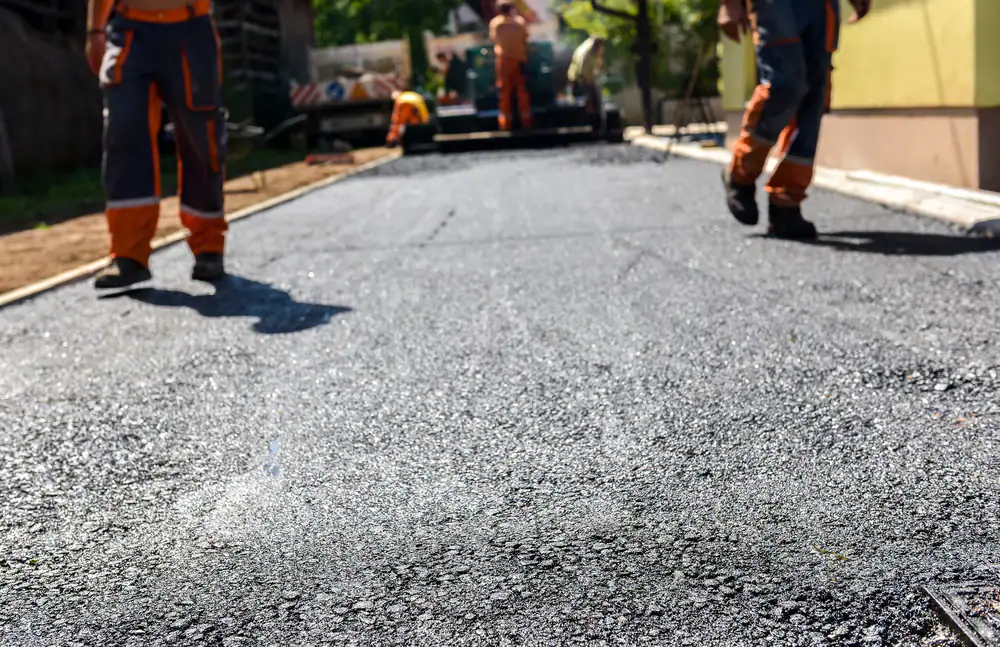
Once you’re ready to move forward, our crew starts with site prep. That means removing old asphalt if needed, grading the base properly, and making sure water drains away from buildings and toward appropriate areas. This step determines how long your new pavement lasts.
Next comes the asphalt installation. We lay it at the right thickness for your specific use—whether that’s residential driveway paving or commercial parking lots that handle heavier traffic. We compact it properly and make sure edges are clean.
After installation, you’ll need to stay off it for a day or two while it cures. Then it’s ready. You’ll have clear instructions on maintenance, like when to consider sealcoating down the road to extend the life even further.

Ready to get started?
We handle asphalt paving for driveways, parking lots, and private roads throughout Rural Hill. Our services cover new installations, complete replacements, and tar and chip paving for customers looking for that specific finish.
For residential customers, that means driveway paving that improves curb appeal and property value. We handle proper grading to prevent water from pooling near your foundation or garage. We make sure the transition from street to driveway is smooth and that edges are defined. Whether you need a standard two-car driveway or a longer private road leading to your property, our approach stays the same: proper base work and quality installation.
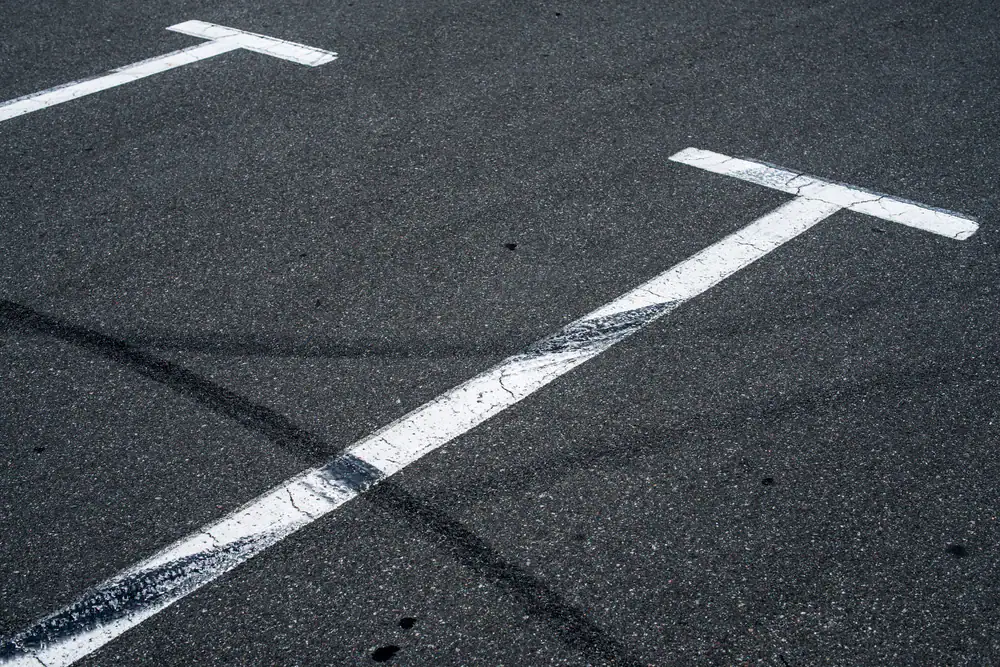
Commercial paving projects require different considerations. Parking lots need to handle heavier loads, more frequent traffic, and often need to meet ADA requirements. We work with business owners to minimize disruption, schedule work during off-hours when possible, and complete projects efficiently so you’re not losing business. Parking lot paving also involves striping, proper drainage for large surface areas, and ensuring the pavement can handle delivery trucks and customer traffic for years.
Middle Tennessee’s weather is tough on asphalt. Hot summers soften it, and winter freeze-thaw cycles create cracks. That’s why proper installation matters here more than in some other climates. Using quality materials and correct techniques means your pavement holds up to what Tennessee throws at it. Rural Hill’s mix of residential properties and local businesses means the paving contractor you choose needs experience with both—and that’s what you get with us.
A properly installed asphalt driveway in Rural Hill should last 15 to 20 years, sometimes longer with regular maintenance. The lifespan depends heavily on three things: base preparation, installation quality, and how well you maintain it.
Tennessee’s climate is hard on asphalt. Summer heat can soften the surface, and winter freeze-thaw cycles cause expansion and contraction that lead to cracking. If the base wasn’t compacted correctly or drainage wasn’t addressed during installation, you’ll see problems much sooner—sometimes within just a few years.
Maintenance extends life significantly. Sealcoating every three to four years protects the surface from UV damage and water penetration. Fixing small cracks before they spread prevents water from getting under the asphalt and causing bigger problems. Regular maintenance can add five to ten years to your driveway’s lifespan.
Asphalt paving creates a smooth, solid black surface. Tar and chip (also called chip seal) has a textured, gravel-like appearance. Both are durable, but they serve different purposes and have different looks.
Asphalt is what you see on most driveways and parking lots. It’s smooth, easier to shovel snow from, and handles heavy traffic well. It requires sealcoating every few years to maintain it. Asphalt works for both residential and commercial applications.
Tar and chip involves spraying hot liquid asphalt and then spreading stone chips on top. The result looks more rustic and textured. Some homeowners prefer the appearance, especially for longer rural driveways. It provides good traction and doesn’t need sealcoating. However, loose stones can scatter initially, and it’s not ideal for high-traffic commercial areas or basketball courts where you need a perfectly smooth surface.
Parking lot paving costs in Rural Hill typically range from $3 to $7 per square foot, but that’s a broad range. Your actual cost depends on the size of the lot, current condition, site preparation needs, and whether you need additional work like striping or ADA-compliant features.
A small business parking lot might run $15,000 to $40,000 for a complete installation. Larger commercial projects can easily exceed $100,000. If you’re just resurfacing an existing lot with a good base, costs are lower. If you need complete removal, new base work, and drainage improvements, costs go up.
The cheapest bid isn’t always the best value. A contractor who skips proper base prep or uses thinner asphalt will give you a lower price, but you’ll pay for it later with premature failure and expensive repairs. Getting detailed estimates from experienced paving contractors and understanding exactly what’s included helps you compare apples to apples.
No, you should wait at least six months to a year before sealcoating a new asphalt driveway. New asphalt needs time to cure and harden properly. Sealing it too soon can actually trap oils in the asphalt and prevent proper curing.
When asphalt is first installed, it contains oils that need to evaporate as part of the curing process. During the first few months, the surface will look very black and may feel slightly soft on hot days. That’s normal. As it cures, it becomes harder and the color fades slightly to a dark gray.
After that initial curing period, sealcoating becomes beneficial. It protects the surface from UV damage, prevents water penetration, and fills in small surface imperfections. Plan to sealcoat every three to four years after that first application. Regular sealcoating can extend your driveway’s life by five to ten years and keeps it looking better longer.
Asphalt cracks for several reasons: poor base preparation, water damage, freeze-thaw cycles, tree roots, and normal aging. Prevention starts with proper installation, but maintenance plays a huge role too.
The most common cause is water getting under the asphalt. When water seeps through cracks or edges, it softens the base material. In winter, that water freezes and expands, pushing the asphalt up. When it thaws, the asphalt settles back down but not quite in the same position. This cycle creates and widens cracks. Poor drainage makes this worse by directing water toward the driveway instead of away from it.
You can prevent many cracks by sealcoating regularly, filling small cracks before they spread, and making sure water drains away from the driveway. Keep heavy vehicles off the edges where asphalt is thinner. Trim back tree roots before they push up from underneath. And if you’re installing new asphalt, make sure the contractor properly compacts the base and addresses drainage during installation—that’s when prevention really starts.
You can typically walk on new asphalt after 24 hours and drive on it after 48 to 72 hours. However, full curing takes several months, so you’ll need to take it easy during that time.
The asphalt is drivable after a few days, but it’s not fully hardened yet. For the first week, avoid parking in the same spot repeatedly, especially on hot days when the surface is softer. Don’t turn your steering wheel while the vehicle is stationary—that can scuff the surface. Heavy vehicles or equipment should stay off for at least a week.
During the first few months, the asphalt continues to cure and harden. You might notice slight tire marks on hot summer days—that’s normal and will decrease as the asphalt fully cures. Avoid using jack stands or trailer kickstands that concentrate weight in small areas. After about six months, the asphalt is fully cured and can handle normal use without special precautions.
Other Services we provide in Rural Hill