

Hear from Our Customers
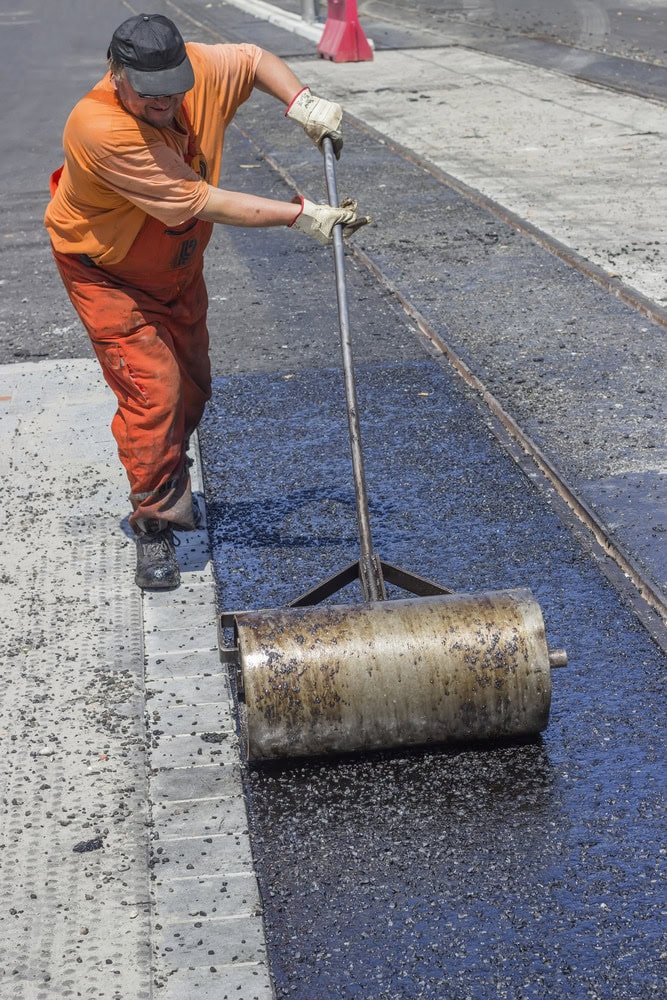
A smooth surface that drains water away from your foundation. No more puddles sitting on your driveway after every rain. No cracks spreading wider each winter when water freezes and expands.
Your property looks maintained instead of neglected. That matters whether you’re coming home after work or customers are pulling into your business. First impressions stick.
The right asphalt mix, installed correctly with proper base preparation, handles Rural Hill’s freeze-thaw cycles without crumbling. You’re looking at 20 to 30 years of use when the job’s done right. That’s not marketing talk—that’s what happens when someone actually knows what they’re doing with grading, drainage, and compaction.
Tristar Paving LLC is a veteran-owned asphalt company that’s been serving Wilson County for over five decades. That’s not just residential driveways. That’s commercial parking lots, tar and chip installations, and everything in between.
Rural Hill’s rural setting means properties here face specific challenges—long driveways, drainage issues from farmland topography, and weather that swings from summer heat to winter freezes. We understand what works in this soil, this climate, this area. We’ve been doing it since before most paving companies even existed.
Being local and veteran-owned means something. It means showing up when scheduled, doing what was promised, and standing behind the work. No disappearing after the deposit clears.

It starts with an assessment of your property. Not a quick glance and a guess. An actual evaluation of drainage patterns, soil conditions, and what your specific project needs.
Then comes surface preparation—removing old pavement if needed, grading for proper water runoff, addressing any drainage issues before asphalt ever gets laid. This is where most cheap jobs fail. Skip the base work, and you’ll be repaving in five years instead of twenty-five.
The asphalt gets laid at the right temperature and thickness for your use. Residential driveways need different specs than commercial parking lots that handle heavy traffic daily. Proper compaction follows—using the right equipment to achieve the density that prevents premature cracking.
Final finishing ensures a smooth, uniform surface. Temperature monitoring, density testing, and quality checks happen throughout. You’re not hoping it turns out right. The process ensures it.

Ready to get started?
Every project includes site evaluation, complete surface preparation, high-quality asphalt installation, and proper compaction. No shortcuts on the base layer. No skimping on material thickness.
In Rural Hill’s climate, material selection matters. The asphalt mix needs to handle temperature swings from below freezing to over 90 degrees. It needs flexibility for expansion and contraction without cracking. The dark surface helps melt snow and ice faster in winter—a practical benefit you’ll appreciate during Tennessee’s cold snaps.
Drainage gets built into the grading. Water that pools on your driveway eventually seeps into the base layers and destroys the pavement from underneath. Proper slope directs water away from your foundation and prevents the standing water that leads to potholes.
For commercial properties in Wilson County, parking lot paving includes considerations for heavier traffic loads, proper striping for safety and compliance, and surfaces that project professionalism to your customers. For residential properties, driveway paving enhances curb appeal while providing a functional surface that holds up to daily vehicle use.

With proper installation and regular maintenance, you’re looking at 20 to 30 years for a residential asphalt driveway. That assumes the base was prepared correctly, drainage was addressed, and you’re doing basic upkeep like sealcoating every few years.
The lifespan depends heavily on those first few days of installation. If the contractor skips proper base preparation or uses substandard materials, you might only get 10 to 15 years before major problems show up. Tennessee’s freeze-thaw cycles are brutal on poorly installed asphalt.
Sealcoating every 2 to 3 years adds a protective layer that resists water penetration, UV damage, and oil spills. Think of it like staining a fence—you’re protecting the underlying material from the elements. That simple maintenance step can add years to your pavement’s life and prevent minor cracks from becoming major repairs.
Wait at least 24 to 48 hours before driving on your new asphalt driveway. The surface needs time to cool and fully harden. Drive on it too soon, and you risk leaving tire marks or indentations that become permanent.
Temperature matters here. If your driveway was paved on a hot summer day, give it the full 48 hours. Heat slows the curing process. Cooler weather in spring or fall might allow for the shorter 24-hour window, but when in doubt, wait longer.
Heavy vehicles need even more time. If you’re planning to park an RV, boat trailer, or delivery truck on your new driveway, wait at least 3 to 5 days. The extra weight can damage asphalt that hasn’t fully cured, especially around the edges where the pavement is thinner.
Tar and chip paving costs less upfront—usually 30 to 50 percent less than traditional asphalt. The process involves spraying hot liquid asphalt over a prepared base, then spreading crushed stone chips on top and compacting everything together. You get a textured, rustic surface that provides excellent traction.
It’s ideal for long rural driveways in Wilson County where a perfectly smooth surface isn’t necessary. The texture actually helps in wet or icy conditions. Maintenance is simpler too—you can add a fresh layer of tar and chip over the existing surface without complete removal.
Traditional asphalt gives you that smooth, black surface most people picture for driveways and parking lots. It’s better for areas with heavy traffic or where you want that polished look. Both options last decades when installed properly, so the choice often comes down to budget, aesthetics, and how the surface will be used.
For a typical 600 square foot residential driveway in the Nashville area, you’re looking at roughly $1,700 to $1,900 for complete asphalt installation. That includes surface preparation, base work, asphalt material, and labor. Larger driveways or complex layouts with curves and slopes will cost more.
The price varies based on your specific property conditions. If there’s extensive excavation needed, old pavement to remove, or drainage issues to correct, expect the cost to increase. Properties with easy equipment access cost less than those where everything has to be done manually in tight spaces.
Tar and chip paving typically runs 30 to 50 percent less than traditional asphalt. Concrete costs more upfront but lasts longer. The cheapest option isn’t always the best value—proper base preparation and quality materials matter more than saving a few hundred dollars on installation. Repaving in 10 years because someone cut corners costs more than doing it right the first time.
Asphalt cracks primarily from water infiltration, freeze-thaw cycles, and poor base preparation. When water seeps into small cracks, it freezes during winter and expands, widening those cracks. The cycle repeats each year until small cracks become major problems requiring expensive repairs.
Prevention starts with proper installation. A solid base of compacted gravel provides stability. Correct grading ensures water drains away instead of pooling on the surface. Using the right asphalt mix for Tennessee’s climate gives the pavement flexibility to handle temperature changes without fracturing.
Regular maintenance makes a huge difference. Sealcoating creates a waterproof barrier that keeps moisture out. Addressing small cracks immediately with crack filler prevents them from spreading. Keeping your driveway clean and removing standing water extends its life. Think of it like maintaining your roof—small preventive steps now save you from major repairs later.
Paving over existing surfaces depends entirely on their condition. If you have a gravel driveway with a solid, compacted base, asphalt can be installed directly over it after proper grading and preparation. This actually saves money compared to complete excavation.
Concrete is trickier. If the concrete is stable without major cracking or settling, asphalt overlay is possible. But if the concrete has significant damage, those problems will transfer to the new asphalt surface within a year or two. In those cases, removal and fresh installation make more sense long-term.
An honest assessment of your existing surface determines the best approach. Sometimes a property evaluation reveals that patching and resurfacing costs nearly as much as starting fresh—and starting fresh gives you another 20 to 30 years instead of a temporary fix. The goal is recommending what actually makes sense for your property and budget, not just the easiest sale.
Other Services we provide in Rural Hill