

Hear from Our Customers
You’re dealing with a driveway that’s falling apart or a parking lot that’s becoming a liability. Every rain makes it worse. Every freeze creates new cracks. And you’re wondering how much longer you can patch it before you need to start over.
Here’s what changes when the job’s done right. Your driveway drains properly—no more lakes forming after a storm. The surface stays smooth and intact through summer heat and winter cold. You’re not calling someone back in six months to fix what should’ve been done correctly the first time.
A properly installed asphalt or tar & chip surface in Mt. Juliet typically lasts 15 to 20 years with basic maintenance. That’s not a guarantee from every contractor, but it’s what happens when the base is prepared correctly, the drainage is planned, and the installation follows the process instead of cutting corners. You get a surface that holds up to daily use, looks clean, and doesn’t turn into a repair project every year.
We’re based right here in Wilson County. We’ve been serving Mt. Juliet and the surrounding Nashville area for over five decades, handling everything from residential driveways to commercial parking lots. Veteran-owned and operated, we bring the kind of discipline and attention to detail that comes from military service—show up on time, do what we say we’ll do, and make sure the work holds up.
Mt. Juliet sits between Percy Priest Lake and Old Hickory Lake, which means the area deals with humidity, heavy rain, and seasonal temperature swings that can wreck poorly installed pavement. We understand how Tennessee weather affects asphalt and tar & chip surfaces. Our crew knows what it takes to build a driveway or parking lot that handles the conditions here—not just what works somewhere else.
Whether you’re a homeowner tired of a crumbling driveway or a business owner who needs a parking lot that won’t embarrass your property, we handle both residential and commercial projects with the same level of care.
The process starts with an evaluation of your current surface and what you’re working with underneath. Not every driveway or parking lot needs the same approach. Some need complete removal and new base preparation. Others can be overlaid or resurfaced if the foundation is solid.
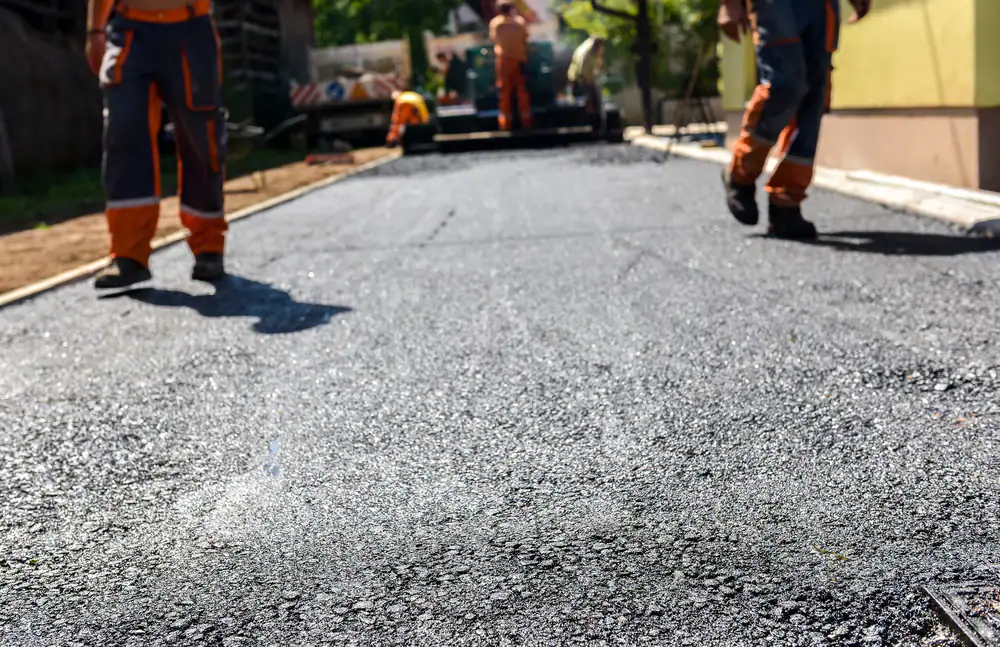
Once the scope is clear, our crew prepares the site. That means removing old, failing pavement if necessary, grading the area for proper drainage, and compacting the base so it’s stable. This step matters more than most people realize—skip it or rush it, and your new pavement will fail early no matter how good the top layer looks.
For asphalt paving, hot mix asphalt is laid at the right thickness for your traffic load, then compacted with heavy rollers to create a dense, durable surface. For tar & chip installations, hot liquid asphalt is applied first, then stone chips are spread and rolled into the surface to create a textured, cost-effective finish. Both methods work well in Mt. Juliet when installed correctly.
After installation, asphalt needs 24 to 48 hours before you can drive on it. Tar & chip surfaces can often be used sooner. Either way, you’ll know exactly what to expect and when you can get back to normal use.

Ready to get started?
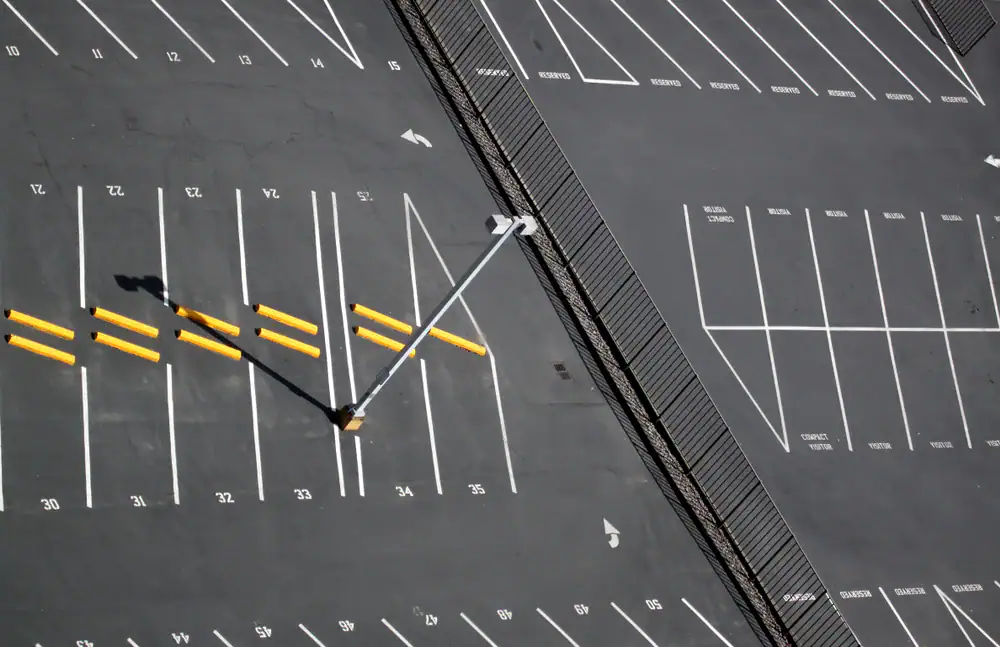
We handle a full range of paving work across Mt. Juliet. For homeowners, that includes new driveway installation, driveway extensions, resurfacing, and repairs. For businesses, we install and maintain parking lots, handle asphalt patching, manage striping and ADA compliance, and provide ongoing maintenance to extend pavement life.
Tar & chip paving is a specialty service that works especially well for longer driveways, rural properties, and budget-conscious projects. It costs 25 to 40 percent less than traditional asphalt, requires less maintenance, and provides excellent traction in wet conditions—something Mt. Juliet sees plenty of during Tennessee’s rainy seasons. The textured, natural appearance fits well with the area’s suburban and rural character.
Every project includes proper drainage planning. Mt. Juliet’s location between two lakes means water management isn’t optional—it’s essential. Surfaces are graded with the right slope to prevent pooling, and drainage solutions are built in where needed. This prevents the water damage that causes most premature pavement failure.
We also offer sealcoating services to protect asphalt surfaces from UV damage, water penetration, and chemical spills. Regular sealcoating every three to five years can extend your pavement’s life significantly and keep it looking fresh.
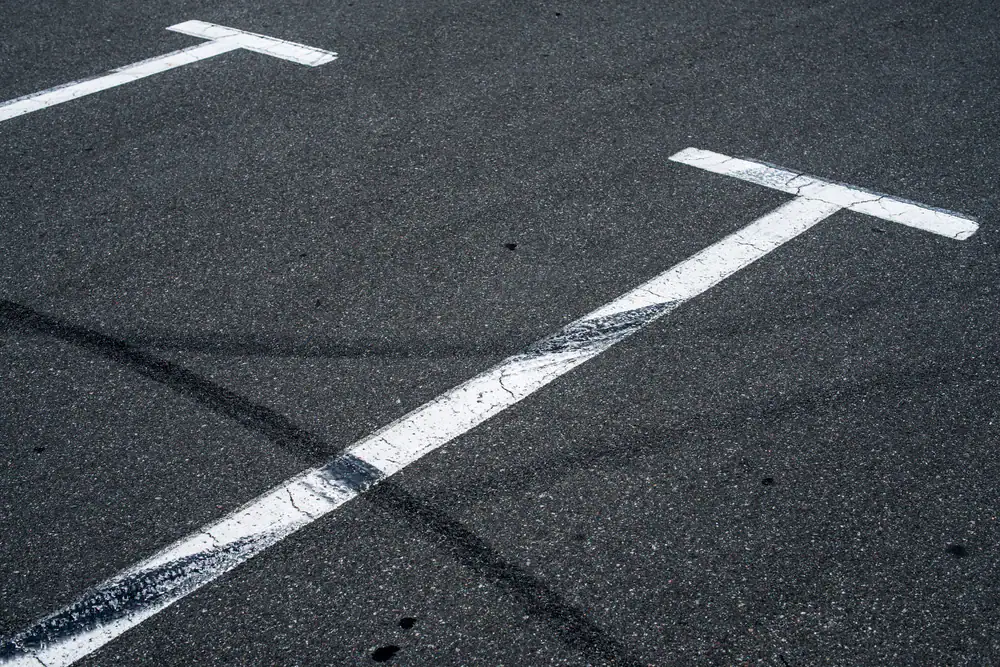
With proper installation and basic maintenance, asphalt paving in Mt. Juliet typically lasts 15 to 20 years. Tennessee’s climate does put stress on pavement—hot summers can soften asphalt, heavy rains test drainage systems, and occasional freeze-thaw cycles can create cracks if water gets underneath the surface.
The lifespan depends heavily on the quality of the installation. If the base isn’t properly compacted or the drainage isn’t planned correctly, you’ll see problems within a few years regardless of the asphalt quality. When the foundation is solid and the surface is installed at the right thickness for your traffic load, it holds up well.
Sealcoating every three to five years adds significant life to your pavement. It blocks UV damage, prevents water penetration, and fills small surface cracks before they become bigger problems. Most homeowners in Mt. Juliet who maintain their driveways this way get two decades or more out of them.
Asphalt paving uses hot mix asphalt that’s laid down and compacted into a smooth, dense surface. It’s what you see on most roads and commercial parking lots. Tar & chip—also called chip seal—uses hot liquid asphalt as a base, then stone chips are spread on top and rolled into the surface to create a textured finish.
The main differences are cost, appearance, and maintenance. Tar & chip typically costs 25 to 40 percent less than traditional asphalt, making it a smart choice for longer driveways or budget-conscious projects. The textured surface provides excellent traction, especially in wet conditions, which matters during Mt. Juliet’s rainy seasons. It also requires less ongoing maintenance since it doesn’t need regular sealcoating.
Asphalt is smoother, quieter, and generally lasts longer under heavy traffic. It’s the better choice for commercial parking lots or driveways with steep grades. Tar & chip works great for residential driveways, farm lanes, and properties where the rustic, natural appearance fits the setting. Both are durable options when installed correctly—it’s really about what fits your property and budget.
Asphalt driveway paving in the Mt. Juliet area typically runs $3 to $4 per square foot for materials and installation. For a standard 600-square-foot driveway, that’s roughly $1,800 to $2,400. Larger driveways, complex layouts, or projects requiring significant base preparation will cost more.
Tar & chip paving costs less—usually 25 to 40 percent below asphalt prices. That makes it an attractive option for homeowners with longer driveways or those working within a tighter budget. The trade-off is a shorter lifespan (7 to 10 years versus 15 to 20 for asphalt) and a more textured surface.
Several factors affect the final price. If your existing driveway needs to be removed, that adds cost. Poor drainage or unstable soil requires additional base work. Steep grades, curves, or difficult access increase labor time. The best way to know what your project will actually cost is to get a detailed estimate that accounts for your specific property conditions. Any reputable contractor will walk your site and give you a clear breakdown before you commit.
Yes, sealcoating your asphalt driveway is one of the most cost-effective ways to extend its life. You should wait about six months after initial installation to let the asphalt fully cure, then apply the first sealcoat. After that, reapply every three to five years depending on traffic and weather exposure.
Sealcoating does a few important things. It blocks UV rays that break down asphalt over time, creating that faded gray appearance and making the surface brittle. It prevents water from seeping into small cracks and causing bigger damage during freeze-thaw cycles. It also protects against oil, gas, and chemical spills that can deteriorate asphalt.
In Mt. Juliet’s climate—with hot summers, heavy rain, and occasional winter freezes—sealcoating is even more valuable. The cost is minimal compared to major repairs or early replacement. Most driveways that are sealcoated regularly last years longer than those that aren’t. If you’re not sure whether your driveway is due, look for fading color or small cracks starting to appear. Those are signs it’s time.
If your driveway has a few isolated cracks or small potholes, repairs usually make sense. Patching and crack sealing can buy you several more years if the overall structure is still sound. But if you’re seeing widespread cracking, large sections that have sunk or shifted, or constant water pooling, replacement is probably the better investment.
Here’s a simple test: if more than 30 percent of your driveway surface is damaged, replacement typically costs less in the long run than trying to patch everything. You’ll also want to replace if the base has failed—signs include large areas that move or flex when you drive over them, deep ruts, or drainage problems that keep getting worse no matter what you fix on top.
Age matters too. If your asphalt driveway is 20 years old or more and showing significant wear, you’re likely at the end of its useful life. Continuing to repair an old, failing driveway is like putting new tires on a car with a blown engine—you’re spending money without solving the real problem. We can assess your specific situation and give you an honest recommendation about whether repairs will actually hold up or if starting fresh makes more sense.
Start with licensing and insurance. Any legitimate paving contractor should carry proper liability insurance and workers’ compensation coverage. This protects you if someone gets hurt on your property or if something goes wrong during the job. Don’t take their word for it—ask to see current certificates.
Experience matters, especially with local conditions. A contractor who’s worked in Mt. Juliet and Wilson County understands how the soil, drainage patterns, and weather affect pavement. They should be able to explain their process clearly—how they’ll prepare the base, manage drainage, and what thickness of asphalt or type of aggregate they’ll use for your specific situation.
Get detailed written estimates from multiple contractors, and compare what’s actually included. The lowest bid often means shortcuts on base preparation or thinner asphalt. Ask about their timeline, what happens if weather delays the project, and whether they guarantee their work. Check references or online reviews from other Mt. Juliet customers. A contractor who’s been around for decades and has a solid local reputation is a safer bet than someone who just showed up in the area with a low price and no track record.
Other Services we provide in Mt. Juliet