

Hear from Our Customers
You stop worrying about cracks spreading every winter. You stop explaining to guests why your driveway looks like a patchwork quilt. You stop wondering if you’ll need to redo the whole thing in three years because someone cut corners on the base work.
A driveway that’s built correctly handles what Tennessee throws at it—summer heat that would make concrete buckle, winter freezes that crack rigid surfaces, and the daily wear of vehicles coming and going. Asphalt flexes with temperature changes instead of fighting them. That’s why it lasts.
When the base is compacted right and the grading directs water away from your foundation, you’re not dealing with standing pools that turn into ice patches or erosion that undermines the whole structure. You’re dealing with a surface that does its job for 15 to 30 years without drama.
We’ve been handling residential and commercial paving work in Wilson County and the greater Nashville area for over 50 years. That’s not a typo. We’re veteran-owned, which means the values that matter in service—showing up, doing what we said we’d do, standing behind our work—aren’t just marketing talk.
You’re not dealing with a crew that showed up with leftover asphalt and will be gone tomorrow. We live and work here in Mt. Juliet. When you see our work around Wilson County, you’re seeing what we’re willing to put our name on in our own community. That matters when you’re trusting someone with a project that affects your home’s value and your daily life.
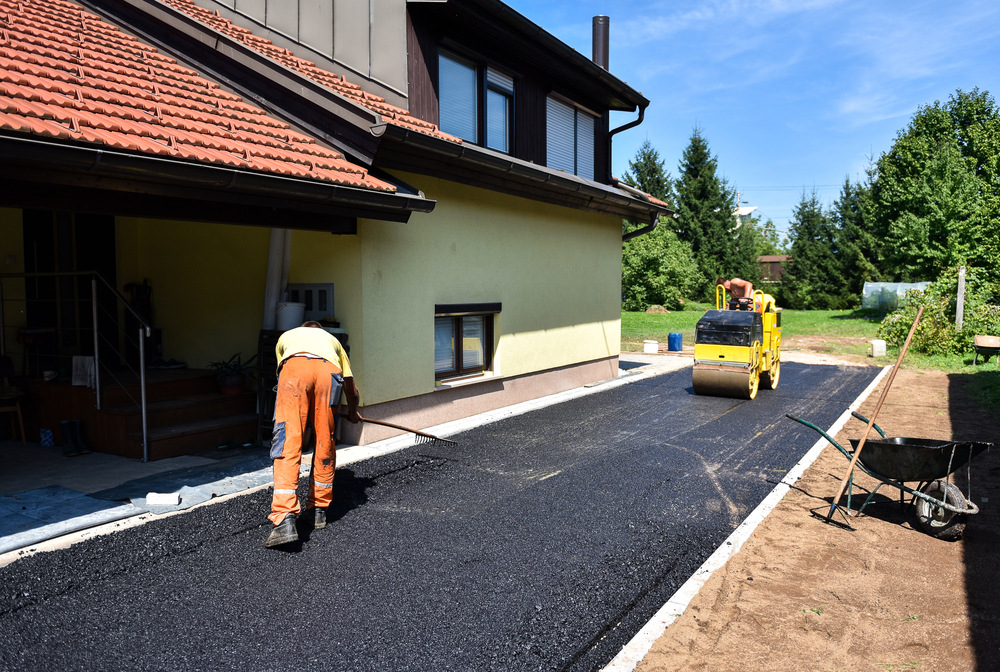
First, the existing surface gets removed if you’re replacing an old driveway. If it’s new driveway construction, the area gets cleared and prepped. This isn’t the step to rush—what’s underneath determines how long your driveway lasts.
Next comes grading and base preparation. The base gets compacted properly because this is what keeps your driveway from settling, cracking, or turning into a washboard in two years. Grading gets set up so water moves away from your home and doesn’t pool on the surface. Miss this step and you’ll know it every time it rains.
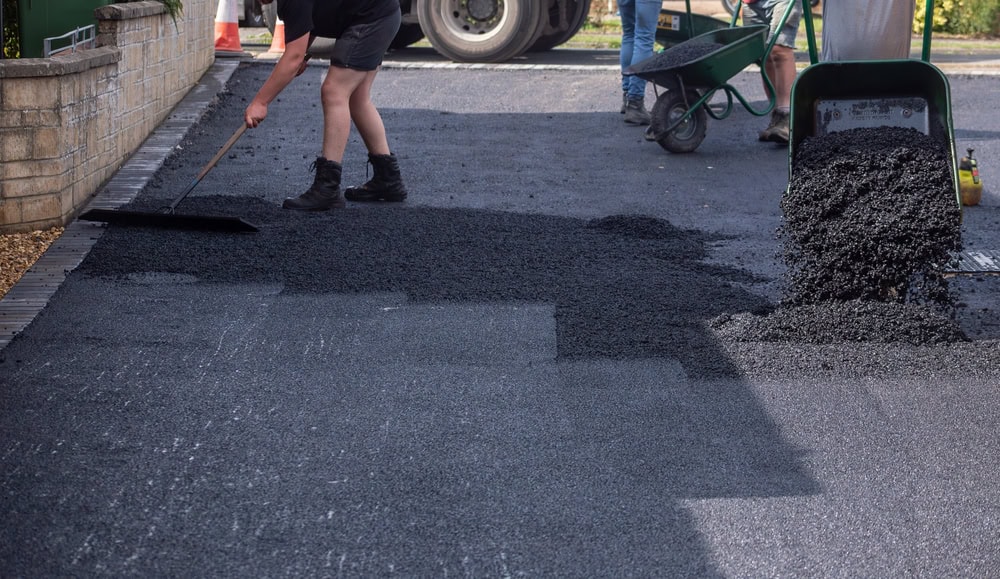
Then the asphalt gets applied at the right thickness—not the bare minimum that saves money now and costs you later. The surface is compacted and smoothed. After installation, you’ll need to stay off it for 24 to 48 hours while it cures. That’s it. Most residential driveways wrap up in a day, and you’re left with a surface that handles Tennessee weather the way it should.
Ready to get started?
We handle driveway paving from start to finish—new construction, full replacement, and driveway restoration work. That includes grading to make sure water doesn’t become your problem, base preparation that actually supports the asphalt long-term, and installation that meets the standards you’d expect from a veteran-owned paving contractor that’s been doing this for decades.
In Mt. Juliet, you’re dealing with a climate that swings from hot summers to occasional hard freezes. Asphalt handles that better than concrete because it’s flexible. It expands and contracts with the temperature instead of cracking under the pressure. That’s why asphalt driveways here regularly hit 15 to 20 years or more with basic maintenance, while concrete often needs repairs much sooner.
You also get transparency. No one’s showing up unannounced claiming they have extra materials. No bait-and-switch pricing. No pressure tactics. You know what the job costs, what it includes, and what to expect before anyone breaks ground. If you’re in Wilson County and you’ve heard the stories about paving scams targeting homeowners, you know why that matters.
With proper installation and basic maintenance, you’re looking at 15 to 30 years. The range depends on how well the base was prepared, how thick the asphalt was applied, and whether you keep up with simple maintenance like sealcoating every few years.
Tennessee’s climate actually works in asphalt’s favor. The material flexes with temperature changes, so it handles the summer heat and winter freezes without cracking the way rigid concrete does. If your driveway was installed correctly—meaning the base was compacted and graded properly—it’s going to outlast cheaper installations by a significant margin.
The driveways that fail early almost always have the same problem: someone cut corners on the base work or applied the asphalt too thin to save money. That’s the difference between a driveway that lasts five years and one that’s still solid after twenty.
If you’re looking at a few small cracks and the surface is otherwise solid, repairs can buy you time. If the damage is widespread, the base has settled, or you’re already patching patches, replacement makes more sense.
Here’s the reality: patches are temporary. They cover the crack, but they don’t fix what caused it. When the patch wears down in a year or two, the crack is still there—and it’s usually bigger. If your driveway has multiple problem areas, you’re going to spend more money patching over and over than you would addressing it properly once.
Replacement also makes sense if drainage is an issue. Standing water, ice patches, or erosion around the edges mean the grading wasn’t done right to begin with. You can patch the surface all you want, but you’re not fixing the underlying problem. A full replacement lets you correct the grading, rebuild the base, and start with a surface that’s going to perform the way it should.
Asphalt is flexible, concrete is rigid. In Tennessee, that difference matters. Asphalt expands and contracts with temperature changes, which means it handles freeze-thaw cycles without cracking. Concrete doesn’t have that flexibility, so it’s more prone to cracking and joint repairs—especially during winters when temperatures swing.
Cost is another factor. Asphalt typically runs about half the upfront cost of concrete, and it’s easier and cheaper to repair when problems do show up. Concrete repairs often mean cutting out sections and replacing them, which is expensive and rarely matches the original surface perfectly.
Asphalt also cures faster. You’re usually looking at 24 to 48 hours before you can drive on it. Concrete takes longer to cure and requires more maintenance to keep it looking good. For most homeowners in Mt. Juliet dealing with real-world weather and regular use, asphalt is the more practical choice.
Cost depends on the size of your driveway, the condition of the existing surface, and what prep work is needed. A straightforward replacement on a standard residential driveway is going to cost less than a job that requires significant grading, base repair, or dealing with drainage issues.
The best way to get an accurate number is to have someone look at your specific situation. We provide clear estimates based on what your project actually requires—not a lowball number that changes once work starts. You’ll know what the job costs and what’s included before anyone shows up with equipment.
One thing to keep in mind: the cheapest bid isn’t always the best value. If someone’s significantly undercutting everyone else, they’re cutting corners somewhere—usually on base prep or asphalt thickness. Those shortcuts cost you more in the long run when you’re dealing with premature failure and having to redo the whole thing years earlier than you should.
Look for a company that’s local, established, and willing to explain their process. If they can’t tell you how they’re preparing the base, how they’re handling grading, or what thickness of asphalt they’re applying, that’s a red flag. You want someone who’s done enough driveways to know what works in Tennessee’s climate and what doesn’t.
Verify they’re actually based in the area. There have been recent scams in Middle Tennessee where crews show up unannounced claiming they have leftover asphalt and pressure homeowners into paying thousands for work they never agreed to. A legitimate contractor schedules appointments, provides written estimates, and doesn’t use high-pressure tactics.
Experience matters, but so does accountability. A veteran-owned company or a business that’s been operating in Wilson County for decades has a reputation to protect. We’re not disappearing after the job. Ask about the process, get everything in writing, and make sure you’re comfortable with who you’re hiring before any work starts.
Late spring through early fall is ideal. Asphalt needs warm temperatures to be applied and compacted properly. When it’s too cold, the material doesn’t bind correctly, and you end up with a surface that’s more likely to fail early.
That said, experienced contractors can work outside the ideal window if temperatures cooperate. What you want to avoid is paving right before a cold snap or during extended rainy periods. Moisture and cold are the enemies of proper asphalt installation.
If you’re planning a project, reach out earlier rather than later. Spring and summer are busy seasons, and quality contractors book up. Getting on the schedule early means you’re not stuck waiting or settling for whoever has availability at the last minute. It also gives you time to plan around the 24 to 48 hours you’ll need to stay off the new surface while it cures.
Other Services we provide in Mt. Juliet