

Hear from Our Customers
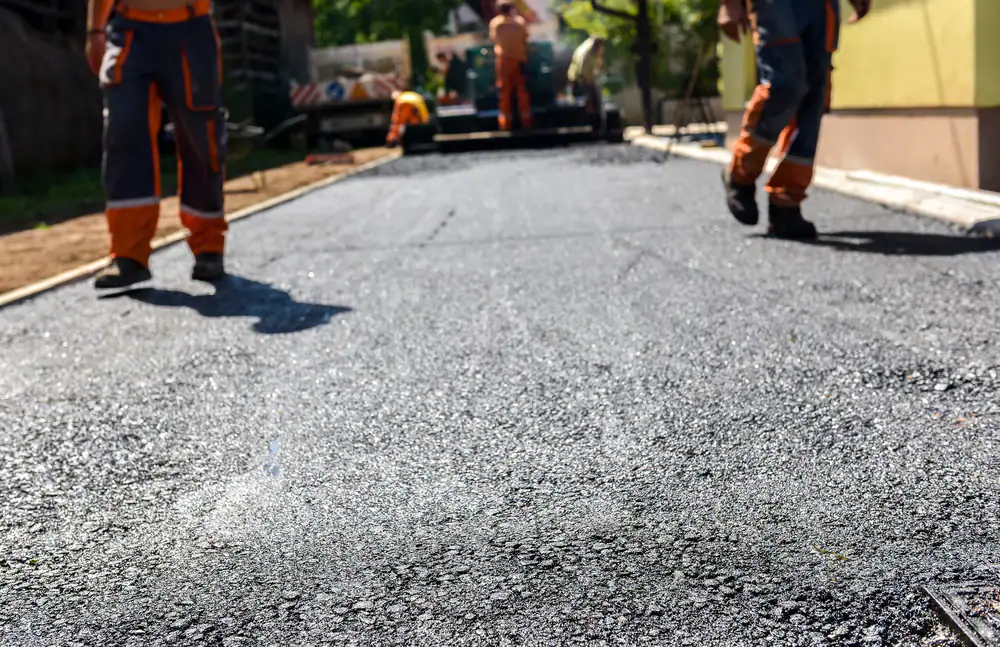
A smooth, well-paved surface does more than look good. It protects your property from water damage, eliminates trip hazards, and adds real value the moment it’s finished.
When your driveway or parking lot is properly installed with the right thickness, quality materials, and correct drainage, you’re not dealing with cracks and potholes every few years. You’re getting decades of reliable performance. That’s what asphalt should do when it’s done right.
We bring over 50 years of experience to every residential and commercial paving job in Lancaster and the surrounding Nashville area. We handle everything from residential driveways to commercial parking lots, using proven techniques that stand up to Tennessee’s temperature swings, heavy rain, and freeze-thaw cycles. You get a surface that works, looks professional, and doesn’t need constant babysitting.
TriStar Paving is a veteran-owned asphalt paving company based in Wilson County, Tennessee, serving Lancaster and the greater Nashville area. With more than 50 years of combined experience, we’ve seen what works and what doesn’t when it comes to paving in Middle Tennessee.
Being veteran-owned means something here. It means showing up on time, doing what we promised, and standing behind our work. It means treating your property with respect and your time like it matters.
Lancaster homeowners and business owners deal with real challenges—unpredictable weather, heavy use, and the need for paving that doesn’t fall apart after a few seasons. We understand those challenges because we’ve been solving them for decades across residential and commercial properties throughout the area.
First, we evaluate your property and discuss exactly what you need—whether that’s a new driveway installation, parking lot resurfacing, or a tar and chip paving project. You get a clear estimate with no hidden fees or surprises down the line.
Next comes the prep work, which is where most paving jobs either succeed or fail. Our crew removes old asphalt if needed, grades the surface for proper drainage, and builds a solid base—usually 8 to 10 inches of compacted gravel. This foundation is what keeps your asphalt from cracking and settling over time.
Then the asphalt goes down. It’s installed at the right temperature and thickness (typically 2 to 4 inches depending on the project) to handle the load it’ll carry. We use quality materials and proper equipment to ensure a smooth, even finish. After installation, the asphalt needs time to cure—you can usually drive on it after a few days, but full curing takes about a month. We walk you through the timeline so you know exactly what to expect and when you can use your new surface without worry.

Ready to get started?
We offer a full range of asphalt paving services designed for Lancaster properties. Residential driveway paving transforms cracked, uneven surfaces into smooth, attractive entryways that boost curb appeal and property value. Commercial paving gives businesses a professional first impression while handling heavy traffic and meeting local safety standards.
We also handle asphalt resurfacing, which is a cost-effective option when your existing pavement has surface damage but a solid base. Tar and chip paving provides a rustic, durable alternative that works well for longer driveways and rural properties common in the Lancaster area. Sealcoating services protect your investment by guarding against water infiltration, UV damage, and everyday wear.
Lancaster sits in an area where weather can be tough on asphalt. Temperature swings between hot summers and freezing winters cause expansion and contraction. Heavy rain and humidity create drainage challenges that can erode the base if not properly addressed. We account for these local conditions in every project, ensuring proper drainage design and using materials that hold up to Middle Tennessee’s climate. The result is paving that doesn’t just look good on day one—it performs year after year without constant repairs or premature replacement.
A properly installed asphalt driveway in Lancaster typically lasts 20 to 25 years, and sometimes longer with regular maintenance. The lifespan depends on several factors: the quality of the base preparation, the thickness of the asphalt layer, proper drainage, and how well you maintain it over time.
Tennessee weather puts real stress on asphalt. You’ve got hot summers that soften the surface, cold winters that cause contraction, and freeze-thaw cycles that can create cracks if water gets underneath. That’s why proper installation matters so much. A driveway built with a solid gravel base, correct asphalt thickness (at least 2 to 4 inches), and good drainage will handle these conditions far better than one where corners were cut.
Maintenance also plays a role. Sealcoating every 3 to 5 years protects the surface from water, UV rays, and chemicals. Addressing small cracks early prevents them from turning into bigger problems. With the right installation and care, your Lancaster driveway can serve you well for decades without major issues.
Resurfacing means adding a new layer of asphalt (usually 1.5 to 2 inches) over your existing driveway or parking lot. It’s a good option when the surface is worn, faded, or has minor cracking, but the base underneath is still solid and stable. Resurfacing costs less and takes less time than full replacement, making it a smart choice for driveways that just need a facelift.
Complete replacement involves tearing out the old asphalt down to the base, repairing or rebuilding the foundation, and installing entirely new asphalt. You need this when the base has failed, when there’s severe cracking or settling, or when drainage problems have caused structural damage. Replacement costs more upfront, but it gives you a completely fresh start with a properly built foundation.
During the estimate, we’ll tell you honestly which option makes sense for your situation. If your base is compromised, resurfacing is just putting a band-aid on a bigger problem. But if the foundation is sound and you’re just dealing with surface wear, resurfacing can add another 10 to 15 years of life at a fraction of the replacement cost.
Asphalt paving costs in the Lancaster and Middle Tennessee area typically range from $3 to $7 per square foot for basic projects, though the final price depends on several factors. A new driveway installation, including proper base preparation and quality materials, usually runs $7 to $13 per square foot. Resurfacing an existing driveway costs less—around $4 to $7 per square foot since you’re working with an existing base.
The size of your project makes a big difference. A standard residential driveway might be 400 to 600 square feet, while a commercial parking lot could be thousands of square feet. Other cost factors include the condition of the existing surface, how much excavation and grading is needed, drainage requirements, and the thickness of asphalt required for your specific use.
Don’t make your decision based solely on the lowest bid. Cheap paving jobs often skip critical steps like proper base preparation, adequate asphalt thickness, or quality materials. You end up with a driveway that cracks and fails within a few years, costing you more in the long run. A quality installation with the right prep work costs more upfront but delivers 20-plus years of performance. That’s the real value.
The best time for asphalt paving in Tennessee is typically late spring through early fall, when temperatures are consistently above 50 degrees Fahrenheit. Asphalt needs warm weather to be installed properly—it’s laid hot (usually around 300 degrees) and needs ambient warmth to compact correctly and cure properly.
Cold weather makes asphalt cool too quickly, which prevents proper compaction and can lead to premature cracking and failure. That’s why most paving contractors avoid winter work when possible. Summer heat can actually work in your favor, as long as the crew knows how to handle it—the asphalt stays workable longer and compacts well.
That said, experienced contractors can work outside the ideal window if conditions are right. A warm stretch in early spring or late fall can work fine. What matters most is having a crew that understands how temperature affects the process and adjusts accordingly. If you’re planning a paving project in Lancaster, reaching out in early spring lets you get on the schedule for the prime paving season and avoid the rush.
Yes, sealcoating is one of the best things you can do to extend the life of your asphalt driveway. It creates a protective barrier against water, UV rays, oil, gas, and chemicals that break down asphalt over time. Without sealcoating, your driveway oxidizes faster, fades to gray, and develops cracks that let water penetrate to the base.
You should wait about 6 months to a year after a new driveway is installed before applying the first sealcoat. This gives the asphalt time to cure properly. After that, plan to sealcoat every 3 to 5 years depending on your driveway’s condition and how much use it gets.
In Lancaster and Middle Tennessee, where you deal with temperature extremes and plenty of rain, sealcoating is especially important. It’s not expensive compared to major repairs, and it can add years to your driveway’s lifespan. Think of it like changing the oil in your car—regular maintenance that prevents much bigger problems down the road. A well-maintained, sealed driveway can easily last 25 years or more, while one that’s neglected might need replacement in 15.
Tar and chip paving (also called chip seal) is an alternative to traditional asphalt that’s especially popular for longer driveways and rural properties in the Lancaster area. The process involves applying a layer of hot liquid asphalt, then immediately covering it with crushed stone chips that are rolled into the surface. The result is a textured, rustic-looking driveway that’s durable and cost-effective.
Tar and chip costs less than traditional asphalt—usually 30% to 50% less—making it a smart choice for longer driveways where full asphalt paving would be expensive. It also provides excellent traction, even in wet or icy conditions, and the stone surface reflects heat better than black asphalt. The textured look fits well with rural or country properties.
The trade-offs are that tar and chip isn’t as smooth as traditional asphalt, so it’s not ideal if you want that sleek, finished look. It also requires more maintenance over time—you may need to add a new layer every 7 to 10 years. But for properties with long driveways, farm lanes, or rustic aesthetics, tar and chip offers a durable, affordable solution that holds up well to Tennessee weather and looks right at home in the Lancaster countryside.
Other Services we provide in Lancaster