

Hear from Our Customers
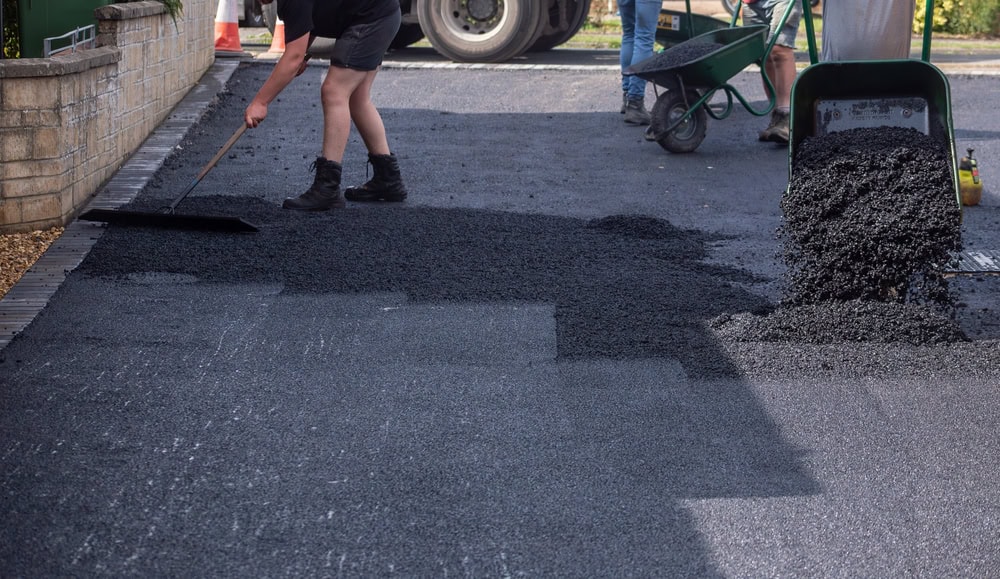
You’re not just getting a smooth surface. You’re getting a driveway that drains properly, resists cracking through freeze-thaw cycles, and holds up under the weight of trucks and SUVs without rutting or sinking.
Proper site preparation means water flows away from your foundation instead of pooling and causing thousands in damage later. The right thickness—3 to 4 inches of quality hot-mix asphalt over a compacted base—means you’re looking at 20 to 30 years of performance, not 5 years before you’re patching cracks and calling for help.
When the job’s done, your property looks sharp again. No more apologizing for the crumbling eyesore at the end of your driveway. No more worrying about guests tripping or scraping their undercarriage. Just a clean, durable surface that does its job without demanding constant attention.
We operate out of Wilson County, serving Lancaster and the surrounding Nashville area with the kind of work ethic and attention to detail that comes from military discipline and decades of hands-on experience. This isn’t a side hustle or a seasonal crew—asphalt paving is what we do, day in and day out, for residential and commercial clients who need it done right.
Fifty-plus years of combined experience means we’ve seen every soil condition, drainage challenge, and weather curveball Middle Tennessee can throw at a project. We know what works here and what fails in three years. That knowledge shows up in how we grade your site, how we prep the base, and how we time the pour so your asphalt cures properly instead of cracking the first winter.
Lancaster homeowners don’t need a national chain that treats every driveway the same. You need someone who understands local conditions and stands behind their work because they live here too.
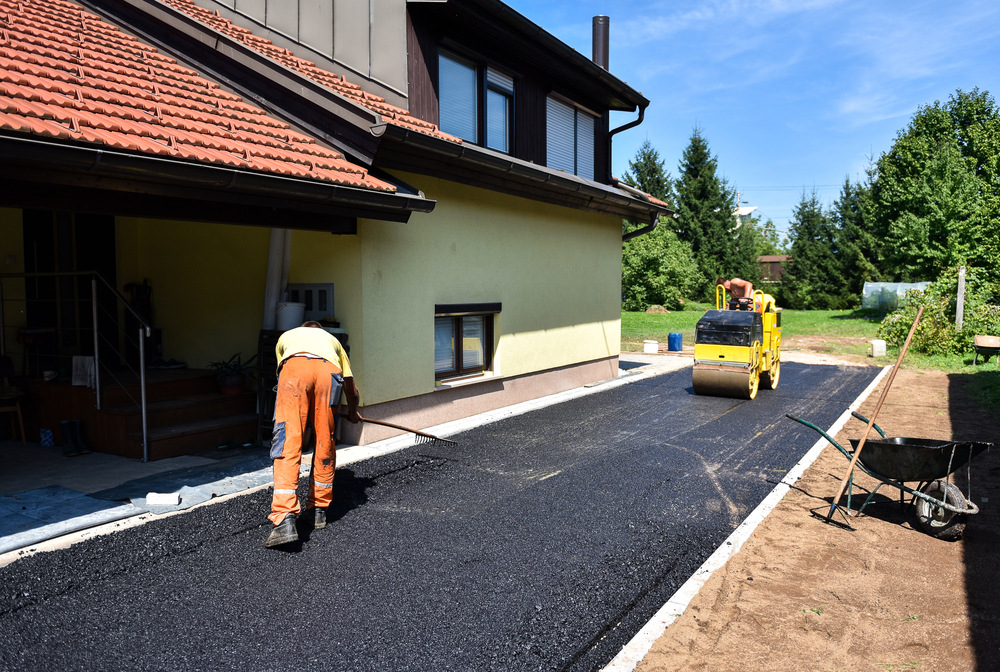
First, we assess your current driveway and property. If you’re replacing an old surface, we remove it completely—no shortcuts that leave you with a weak base. If it’s new construction, we evaluate drainage patterns and soil conditions to prevent problems before they start.
Next comes grading and base preparation. This step matters more than most people realize. We excavate to the proper depth, install a compacted gravel base, and grade everything so water flows away from your home and garage. Skipping or rushing this phase is how driveways fail early, no matter how good the asphalt looks on day one.
Then we lay the asphalt—hot-mix material applied at 3 to 4 inches thick for residential driveways, compacted with professional equipment to eliminate air pockets and weak spots. Our crew works efficiently but doesn’t cut corners on curing time. Once it’s down, you’ll need to stay off it for 24 to 48 hours depending on weather conditions.
After the asphalt cures, we clean up completely and walk you through maintenance basics. You’ll want to seal it about six months after installation, then every three to five years after that. Follow that schedule and you’re looking at decades of solid performance.
Ready to get started?
Every driveway paving job includes full site preparation—grading, drainage evaluation, and base compaction. You’re not paying for asphalt on top of whatever’s already there. You’re getting a properly engineered surface built to handle Lancaster’s clay soils, seasonal temperature swings, and the reality of Tennessee storms.
We handle residential driveways of all sizes, from single-car lanes to multi-vehicle turnarounds. We also manage commercial parking lots and larger paving projects, which means we have the equipment and crew size to finish your job efficiently without dragging it out for weeks. For homeowners dealing with existing driveways that still have a solid base, our asphalt overlay services can extend the life of your surface at a lower cost than full replacement. We’ll tell you honestly whether overlay makes sense or if you need to start fresh.
Lancaster properties often deal with drainage challenges thanks to Middle Tennessee’s soil composition and rainfall patterns. Proper driveway grading isn’t optional here—it’s the difference between a driveway that lasts and one that develops cracks, potholes, and water damage within a few years. Our crew accounts for slope, runoff direction, and how water interacts with your foundation and landscaping.
You also get straightforward communication. We show up when scheduled, explain what we’re doing and why, and clean up when we’re finished. No disappearing for days. No surprise charges. No leaving your property torn up while we juggle other jobs.
For a standard residential driveway in the Lancaster and Wilson County area, expect to pay between $4 and $6 per square foot for quality asphalt paving with proper thickness and site preparation. That puts a typical two-car driveway around $3,500 to $6,000 depending on size and site conditions.
If you’re replacing an existing driveway, the price includes removal and disposal of the old surface. If your current base is still solid and you’re considering an asphalt overlay instead of full replacement, that typically runs $2 to $4 less per square foot. Not every driveway qualifies for overlay—it only works when the existing foundation is structurally sound without major cracks or drainage issues.
Costs go up if your property needs significant grading work, has challenging drainage issues, or requires removal of tree roots or other obstacles. Steep driveways also cost more due to the additional labor and engineering required to make the surface safe and stable. The best approach is to get an on-site estimate where we can evaluate your specific situation and give you an accurate number based on what your property actually needs.
A properly installed asphalt driveway in Tennessee should last 20 to 30 years with routine maintenance. The key factors are proper thickness, quality materials, correct site preparation, and staying on top of sealcoating every three to five years.
Tennessee’s climate is tough on asphalt. You get freeze-thaw cycles in winter that cause expansion and contraction, plus summer heat that can soften asphalt if it’s not installed correctly. Driveways that fail early usually do so because of shortcuts during installation—inadequate base preparation, insufficient thickness, or poor drainage that lets water undermine the foundation.
Three to four inches of hot-mix asphalt over a properly compacted gravel base gives you the durability needed to handle Middle Tennessee weather and normal vehicle traffic. Thinner installations might save money upfront but rarely make it past 10 to 15 years before needing replacement. Regular maintenance matters too. Sealcoating protects the surface from UV damage, water penetration, and chemical exposure from vehicle fluids. Catch small cracks early with crack filling and you prevent them from spreading into bigger problems that require expensive repairs.
If your driveway has minor surface cracks, light fading, or small areas of wear but the base is still solid and drainage is working properly, repair or resurfacing makes sense. You can add an asphalt overlay or handle targeted repairs for a fraction of replacement cost and get several more years of use.
Replace when you’re seeing widespread cracking, potholes, significant rutting, or drainage problems that cause water to pool. These issues indicate the base has failed or was never installed correctly in the first place. Patching over a failing foundation just wastes money—the problems come back within months because the underlying structure can’t support the surface.
Also consider replacement if your driveway is more than 20 years old and showing multiple issues. At that point, you’re often better off starting fresh with proper grading and a new base rather than throwing money at repairs that buy you another year or two. We’ll walk your property, evaluate the foundation, and tell you honestly whether repair or replacement makes more sense for your situation and budget. If someone’s pushing replacement when repair would work, or suggesting repair when you clearly need replacement, that’s a red flag.
Driveway grading means shaping the surface and base so water flows away from your home, garage, and foundation instead of pooling or running toward structures. In Lancaster and Wilson County, where clay soils and seasonal storms are common, proper grading isn’t optional—it’s the foundation of a driveway that lasts.
The process involves excavating to the right depth, installing a compacted gravel base, and creating a slope that directs water to appropriate drainage areas. Most driveways need a minimum slope of 1 to 2 percent to drain effectively without being so steep that vehicles struggle in winter weather. We also evaluate how your driveway interacts with existing landscaping, sidewalks, and street drainage.
Poor grading causes water to sit on or under your driveway, which leads to erosion, cracking, potholes, and premature failure. Water that pools near your foundation creates much bigger problems—basement flooding, foundation cracks, and structural damage that costs thousands to repair. Fixing drainage issues after the driveway is installed is expensive and disruptive. Getting it right during initial construction costs less and saves you from headaches down the road.
You’ll need to stay off your new asphalt driveway for at least 24 to 48 hours after installation, depending on weather conditions. Hot temperatures speed up curing; cooler weather slows it down. We’ll give you specific guidance based on the forecast and how the asphalt is setting.
Even after the initial curing period, fresh asphalt remains somewhat soft for several weeks. Avoid parking in the same spot repeatedly during the first month, especially in hot weather, as this can cause indentations. Heavy vehicles like moving trucks or delivery trucks should wait at least three to five days before driving on the surface.
For the first six months, be gentle with the surface. Don’t turn your steering wheel while the vehicle is stationary—this creates scuff marks and surface damage. Avoid using jack stands or kickstands that concentrate weight on small areas. After about six months, once the asphalt has fully cured, you can use the driveway normally and should schedule your first sealcoating to protect the surface and extend its lifespan.
Asphalt costs less upfront, handles freeze-thaw cycles better, and is easier to repair when damage occurs. Concrete lasts longer overall but costs significantly more to install and is prone to cracking in Tennessee’s climate. For most Lancaster homeowners, asphalt offers better value.
Asphalt driveways run $4 to $6 per square foot installed in this area, while concrete typically costs $8 to $12 per square foot or more. Asphalt is flexible, so it expands and contracts with temperature changes without cracking as readily as rigid concrete. When cracks do appear, asphalt repairs are straightforward and blend in well. Concrete cracks are harder to fix and often remain visible.
The tradeoff is maintenance. Asphalt needs sealcoating every three to five years to protect against UV damage and water penetration. Concrete requires less routine maintenance but is harder to keep clean—oil stains and tire marks show more prominently on light-colored concrete. Asphalt also softens slightly in extreme heat, while concrete stays hard but can develop surface spalling in winter if water seeps in and freezes. For Tennessee’s weather patterns and typical homeowner budgets, asphalt makes more sense for most residential driveways.
Other Services we provide in Lancaster