

Hear from Our Customers
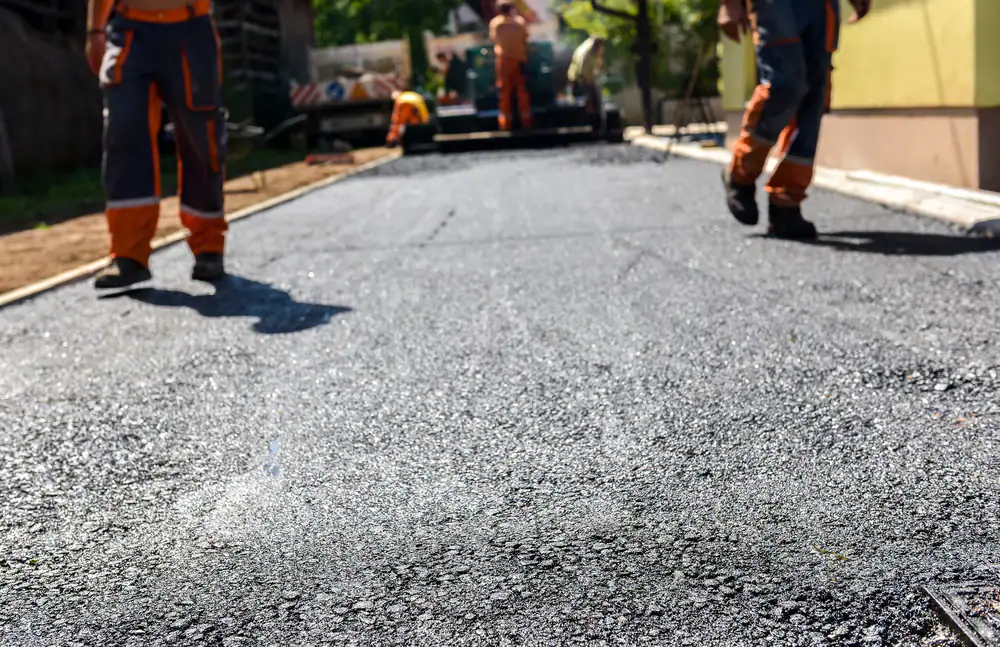
Your driveway shouldn’t crack after two winters. Your parking lot shouldn’t turn into a liability before it’s paid off.
When paving is done right, you get a smooth surface that handles Tennessee weather, heavy traffic, and years of use without constant repairs. You get proper drainage so water doesn’t pool and eat away at the asphalt. You get a finished product that looks professional and stays that way.
That’s the difference between a paving job and a paving investment. One costs you money now and later. The other protects your property value and gives you one less thing to worry about.
TriStar Paving is a veteran-owned asphalt paving company based in Wilson County. We bring over 50 years of combined experience to every job, whether it’s a residential driveway in Hendersonville or a commercial parking lot near Old Hickory Lake.
We handle both residential and commercial projects throughout the Nashville area. When you’re looking at your property and seeing cracks, fading, or drainage problems, you need someone who’s done this work hundreds of times before. Someone who knows what Middle Tennessee soil does in spring rain and summer heat.
That’s what you get here—people who understand the work because we’ve been doing it for decades, not just a crew trying to figure it out on your property.
First, the site gets evaluated. That means checking drainage, looking at soil conditions, and figuring out what prep work needs to happen before any asphalt goes down.
Next comes site preparation. The area gets cleared, graded for proper water flow, and compacted. If the base isn’t solid, nothing else matters. A proper base layer of crushed stone goes down, gets leveled, and gets compacted again. This isn’t the exciting part, but it’s the part that determines whether your pavement lasts 5 years or 20.
Then the asphalt gets installed at the right thickness for your specific use. Residential driveways don’t need the same depth as commercial parking lots that handle delivery trucks. The asphalt gets laid, graded, and compacted while it’s still hot. Edges get finished clean.
After installation, the surface needs time to cure properly before heavy use. You’ll get clear guidance on when you can drive on it and what to expect during the first few weeks. Later, you’ll want to schedule sealcoating every few years to protect your investment from sun, water, and wear.

Ready to get started?
We handle driveway paving for residential properties throughout Hendersonville. That includes tear-out of old surfaces when needed, proper base preparation, new asphalt installation, and finishing work that gives you clean edges and proper transitions.
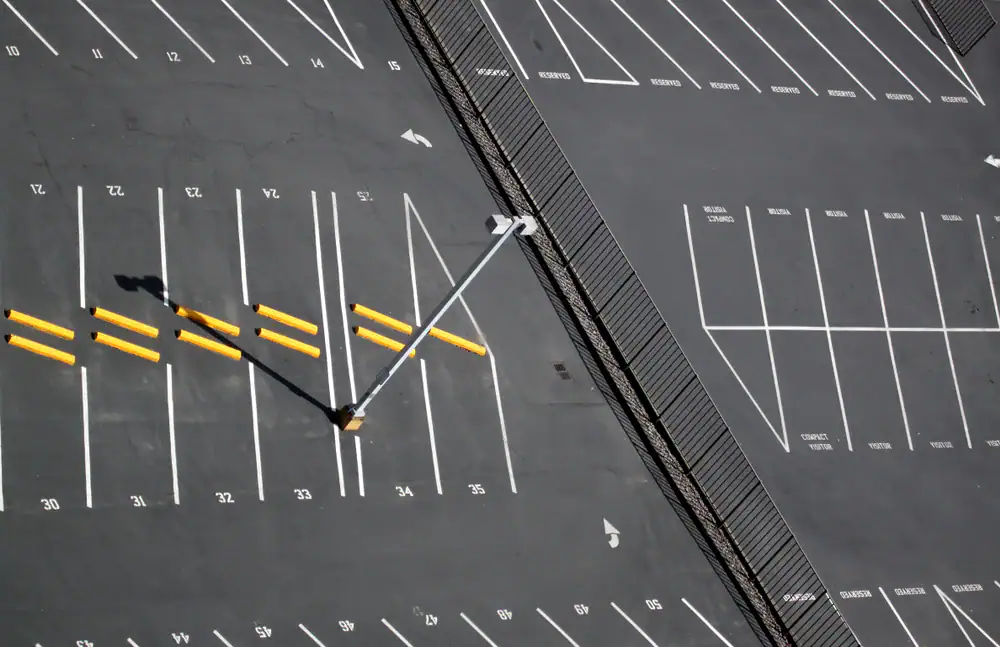
For commercial properties, we handle parking lot construction and paving. This includes site evaluation, drainage solutions, base preparation, asphalt installation, and striping when needed. Hendersonville’s retail centers and business properties need parking lots that can handle daily traffic without constant maintenance calls.
We also specialize in tar and chip installations. This is a cost-effective option that works well for certain applications, especially longer driveways or private roads. It gives you a durable surface with a different look than traditional asphalt.
Whether you’re a homeowner looking to replace a cracked driveway or a business owner who needs a parking lot that makes a good first impression, our focus stays the same: durable results that last. Middle Tennessee weather tests pavement. Hot summers, wet springs, freeze-thaw cycles in winter. Your paving needs to be installed right from the start to handle all of it.
Asphalt paving typically runs between $2 and $4.50 per square foot for materials and installation, though your actual cost depends on several factors. A standard residential driveway might cost anywhere from $2,000 to $6,000 depending on size and current conditions.
The biggest factors affecting price are the size of your project, how much prep work is needed, and what condition your current surface is in. If you’re starting from scratch with good soil conditions, that’s different than replacing a failed driveway where drainage issues need to be fixed first. Site access matters too—if equipment can’t get in easily, that adds time and cost.
For commercial parking lots, you’re looking at larger square footage, which can bring the per-square-foot cost down, but total project costs obviously go up. A small business parking lot might run $15,000 to $40,000, while larger commercial projects can exceed $100,000. The best way to know what your specific project will cost is to get an on-site evaluation where we can see exactly what needs to happen.
A properly installed asphalt driveway should last 15 to 25 years in Tennessee, but that range depends heavily on installation quality and maintenance. The driveways that make it to 20+ years are the ones that were installed correctly from day one and maintained regularly.
Installation quality matters more than most people realize. If the base isn’t properly compacted, if drainage isn’t addressed, if the asphalt thickness isn’t right for your use—those shortcuts shave years off the lifespan. Tennessee weather is tough on pavement. You get hot summers that can soften asphalt, wet springs that test drainage, and winter freeze-thaw cycles that exploit any weaknesses.
Maintenance extends life significantly. Sealcoating every 2 to 4 years protects the surface from UV damage, water infiltration, and chemical exposure. Filling cracks when they’re small prevents water from getting underneath and causing bigger problems. The homeowners who stay on top of basic maintenance get decades out of their driveways. The ones who ignore small issues end up replacing the whole thing years earlier than necessary.
If your driveway has surface-level problems—minor cracking, fading, rough texture—but the base is still solid, resurfacing usually makes sense. It costs roughly half what full replacement does and can add 8 to 15 years of life. You’re essentially getting a new top layer while keeping the existing base.
But if you’ve got serious issues—major cracking, potholes, sunken areas, or drainage problems—resurfacing just puts a bandaid on structural problems. Those issues will come back through the new surface within a year or two. That’s when full replacement makes more sense, even though it costs more upfront.
The way to know is to have someone who actually knows pavement look at it. We can tell if the base has failed, if water damage has compromised the foundation, or if you’re just dealing with normal surface wear. Sometimes the answer isn’t obvious from the surface. A driveway might look terrible but have a solid base underneath. Another might look okay on top but have serious structural issues. That’s why getting an honest evaluation matters more than getting a quick quote.
Asphalt paving uses hot-mix asphalt that gets laid, graded, and compacted into a smooth, black surface. Tar and chip uses liquid asphalt covered with stone chips that get pressed into the surface. The result looks more like a gravel driveway but performs more like asphalt.
Tar and chip costs less—typically $1 to $3 per square foot compared to $2 to $4.50 for asphalt. It works well for longer driveways, private roads, or rural properties where the rustic look fits the setting. The stone surface provides good traction, even when wet, and you can choose different colored stone for a custom look.
The tradeoff is that tar and chip doesn’t give you that smooth, dark asphalt finish. Some people love the look. Others want traditional asphalt. For certain applications, especially longer driveways where traditional asphalt would be expensive, tar and chip makes a lot of sense. It’s durable, cost-effective, and requires less maintenance than gravel while costing less than asphalt. The right choice depends on your property, your budget, and what look you’re going for.
You can typically drive on new asphalt after 24 to 48 hours, but the full curing process takes longer. The asphalt needs time to cool completely and harden to its full strength. During the first few days, it’s still relatively soft and more susceptible to damage.
For the first week, avoid parking in the same spot repeatedly, especially with heavy vehicles. Don’t turn your steering wheel while stationary—that can leave marks in the surface. Avoid driving on the edges where the asphalt is thinner and more vulnerable. These aren’t permanent restrictions, just precautions while the surface reaches full hardness.
The asphalt continues to cure and harden over the first year. You might notice it’s a bit softer in hot summer weather, especially in the first few months. That’s normal. By the second summer, it’ll be fully cured and much more resistant to heat. We’ll give you specific guidance based on the time of year, temperature conditions, and the specific mix used on your project. Following those recommendations protects your investment during the critical early period.
Sealcoating isn’t required, but it’s the single most cost-effective thing you can do to extend your driveway’s life. It typically costs $0.14 to $0.25 per square foot and should be done every 2 to 4 years. For a typical driveway, you’re talking about a few hundred dollars every few years versus thousands for early replacement.
Sealcoating creates a protective barrier against the things that damage asphalt—UV rays from the sun, water infiltration, oil and chemical spills, and general wear. Without it, asphalt oxidizes and becomes brittle. Small cracks form and let water underneath. That water freezes in winter and expands, making cracks bigger. Before long, you’re looking at serious damage that costs real money to fix.
The driveways that last 20+ years are almost always the ones that get sealcoated regularly. The ones that fail after 10 years are usually the ones where maintenance was skipped. The math is simple: spend a little every few years on prevention, or spend a lot eventually on replacement. Most people who’ve owned property for a while have learned this lesson the expensive way at least once.
Other Services we provide in Hendersonville