

Hear from Our Customers
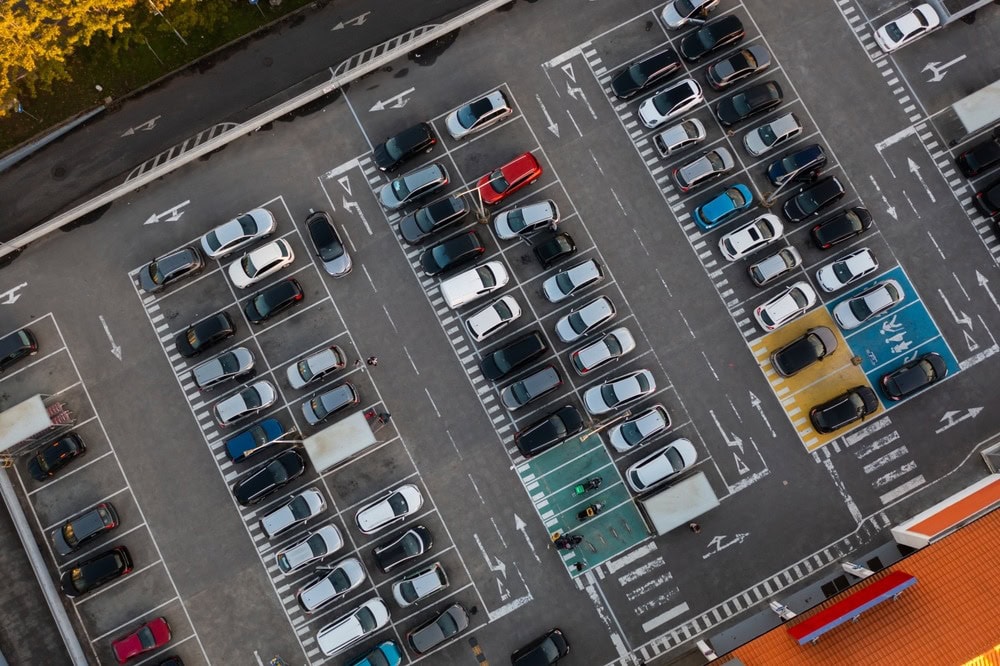
You get a parking lot that doesn’t crack apart after one Tennessee winter. No standing water pooling up every time it rains. No liability headaches from potholes that could damage a customer’s car or worse, cause an injury.
When the base is prepared correctly and the asphalt is installed at the right thickness, your parking lot does what it’s supposed to do. It handles daily traffic without breaking down. It drains water instead of holding it. It stays smooth and safe for years, not months.
That’s what proper parking lot construction looks like. Your customers pull in, park, and never think twice about the surface under their tires. And you’re not dealing with emergency repair calls or worried about someone tripping in your lot.
TriStar Paving is a veteran-owned company based in Wilson County with over 50 years of experience in asphalt paving. We serve commercial and residential clients throughout Hendersonville and the greater Nashville area.
We understand what Tennessee weather does to asphalt. The summer heat, the humidity, the freeze-thaw cycles that crack poorly installed pavement. Hendersonville is growing fast, with new retail centers and commercial development creating consistent demand for parking lots that can handle real use without constant repairs.
We focus on doing the work right from the start—proper grading, solid base preparation, quality materials, and installation that follows proven methods. Our goal is straightforward: deliver parking lot paving that lasts and keeps customers satisfied.

First, the site gets evaluated. We look at drainage, measure the area, check soil conditions, and identify any issues that could cause problems later. If there’s old asphalt, it gets removed down to the subgrade layer. You can’t just pave over damaged pavement and expect it to hold.
Next comes the base layer. This is the foundation that supports everything above it. The base material gets graded, compacted, and checked for proper pitch so water drains away instead of pooling. A weak base means a failed parking lot, usually within months.
Then the asphalt gets installed. Hot mix asphalt arrives and gets laid in passes, typically 2-4 inches thick for commercial lots depending on expected traffic. The material is leveled, sloped for drainage, then compacted using vibratory rollers ranging from 3 to 10 tons. Proper compaction eliminates air pockets and creates a dense, uniform surface.
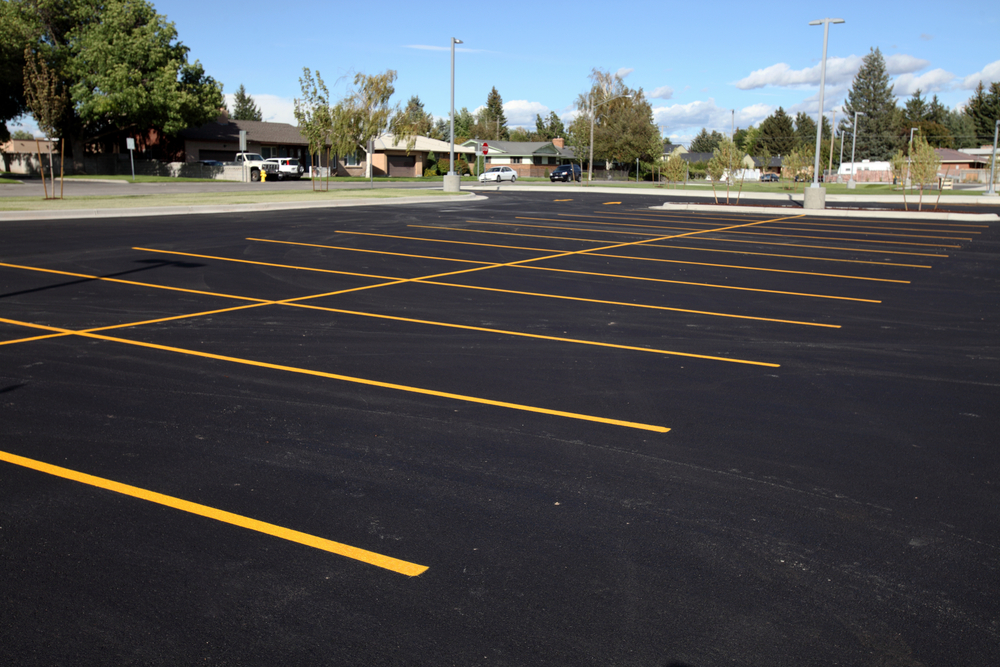
After the asphalt cures, striping and markings go down. Parking spaces, ADA-compliant spots, arrows, stop bars—whatever your lot needs to function safely and meet code. The whole process takes planning, the right equipment, and experience knowing how each step affects the final result.
Ready to get started?
You’re getting more than just asphalt poured on the ground. The service includes site assessment to identify drainage issues before they become expensive problems. Proper grading ensures water moves off the surface instead of sitting there breaking down your pavement.
Base preparation involves compacting the subgrade and installing a stable foundation layer. This step determines whether your parking lot lasts 5 years or 25. The asphalt installation itself uses commercial-grade hot mix at the appropriate thickness for your traffic volume.
In Hendersonville, local regulations require parking areas to be constructed with asphalt or concrete. The work has to meet municipal codes and ADA compliance standards. That means proper slope for accessibility, correct dimensions for parking spaces, and compliant striping.
You also get attention to details that matter in Tennessee’s climate. The humidity here accelerates deterioration if water penetrates the surface. Proper compaction and drainage aren’t optional—they’re what keep your parking lot from turning into a maintenance nightmare. We handle parking lot construction, restoration, and the grading work that prevents the most common failure points property owners deal with.

Commercial parking lot paving in Hendersonville typically runs between $3 and $7 per square foot, depending on several factors. That price includes materials and professional installation, but the final cost depends on your specific situation.
Site preparation affects the price significantly. If the existing surface needs extensive removal or if drainage problems require correction, costs increase. The thickness of the asphalt layer matters too—heavier traffic demands thicker pavement, usually 3-4 inches for commercial lots versus 2-3 inches for lighter use.
Base preparation is another cost factor. A properly compacted base layer with good drainage costs more upfront but prevents expensive failures later. Add-ons like ADA-compliant striping, signage, curbing, and any special features also impact the total. Most contractors have minimum charges, often $2,000 or more, so small projects may cost more per square foot than larger ones.
A properly installed asphalt parking lot in Tennessee typically lasts 15 to 30 years, depending on the quality of installation, traffic volume, and maintenance. The wide range comes down to how well the work was done initially and how you care for it afterward.
Tennessee’s climate is tough on asphalt. Summer heat can reach over 100 degrees, causing expansion. Winter brings freezing temperatures and the occasional freeze-thaw cycle that cracks poorly maintained pavement. Humidity is constant, and water is asphalt’s biggest enemy. If moisture gets into cracks, it breaks down the base layer and causes potholes.
Regular maintenance extends lifespan significantly. Sealcoating every 2-5 years protects the surface from UV damage, water penetration, and oil spills. Crack sealing prevents small issues from becoming major problems. Properties that skip maintenance often need complete replacement in 10-15 years, while well-maintained lots can push 25-30 years before requiring resurfacing.
Resurfacing means removing the top layer of asphalt and installing a new surface layer over the existing base. Replacing means tearing out everything down to the subgrade and starting from scratch. The choice depends on the condition of your current parking lot and what problems exist.
Resurfacing costs $1 to $3 per square foot and works when the base layer is still stable but the surface is worn, cracked, or faded. It’s faster, less expensive, and causes less disruption to your business. You get a fresh surface without the cost of complete reconstruction.
Full replacement costs $3 to $7 per square foot but becomes necessary when the base has failed. Signs include widespread alligator cracking, large potholes, major settling, or drainage problems. Paving over a failed base just postpones the problem—the new surface will fail quickly because the foundation underneath can’t support it. If water has compromised the base or if the original installation was done poorly, replacement is the only solution that actually fixes the problem instead of covering it up temporarily.
You can typically allow light foot traffic after 24 hours and vehicle traffic after 48 to 72 hours, but the asphalt needs time to fully cure. Rushing this process causes permanent damage that shortens your parking lot’s lifespan.
Hot mix asphalt needs to cool and harden properly. During hot Tennessee summers, waiting longer is better—sometimes 3 to 5 days before allowing regular traffic. Heavy vehicles like delivery trucks should stay off the new surface for at least a week to prevent depressions and tire marks in the still-curing asphalt.
The temperature when the asphalt was installed matters. Work done in cooler weather cures faster than summer installations. Your contractor should give you specific guidance based on the conditions during your project. Ignoring cure time recommendations means you’ll see premature rutting, indentations, and surface damage that could have been avoided by simply waiting a few extra days.
Yes. Hendersonville municipal code requires all off-street parking areas to be constructed of concrete or asphalt. Gravel lots don’t meet the standard for commercial properties. Beyond material requirements, parking lots must comply with ADA regulations for accessibility.
ADA compliance means having the correct number of accessible parking spaces based on your lot size, proper dimensions for those spaces, compliant signage, and appropriate slope for wheelchair access. The striping, curb cuts, and access aisles all have specific requirements. Non-compliance isn’t just a code violation—it’s a liability issue.
Drainage is another consideration. Your parking lot design may need to address stormwater management depending on the size and location of your property. Some projects require permits, and utility companies need to mark buried lines before any excavation begins. Working with an experienced local contractor who understands Hendersonville’s requirements saves you from costly mistakes and ensures your parking lot passes inspection without issues.
Water is the number one cause. When moisture penetrates the asphalt surface through cracks, it breaks down the base layer. In Tennessee, humidity is constant, and we get significant rainfall. Poor drainage means water sits on the surface, works its way into small cracks, and gradually destroys the pavement from underneath.
Inadequate base preparation is the second major cause. If the subgrade isn’t properly compacted or if the base layer is too thin, the parking lot will fail regardless of how good the asphalt layer is. You’re essentially building on a weak foundation. Within months, you’ll see cracking, settling, and potholes.
Skipping maintenance accelerates failure. UV rays from Tennessee’s strong sun break down asphalt binder. Oil and chemical spills eat away at the surface. Small cracks that could be sealed inexpensively become major problems when ignored. Deferred maintenance costs significantly more in the long run—studies show it can cost 88% more over 20 years compared to regular upkeep. Cheap initial installation, poor materials, inadequate thickness, and improper compaction also contribute to early failure.
Other Services we provide in Hendersonville