

Hear from Our Customers
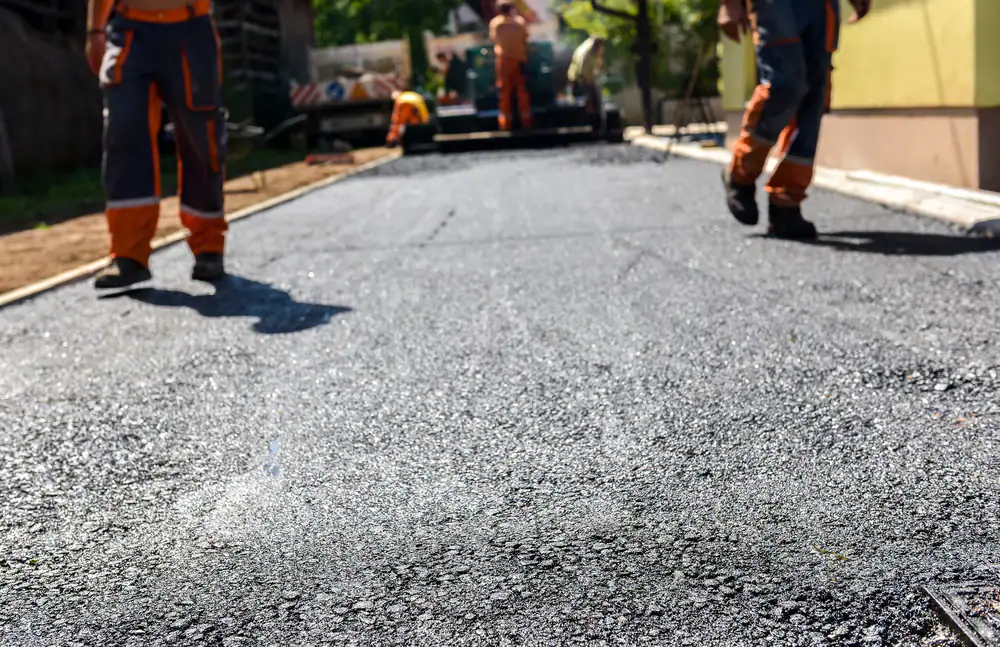
You’re not just getting asphalt laid down. You’re getting a surface that drains properly when Gallatin gets hit with heavy rain. One that doesn’t buckle when summer temps climb past 95 degrees or crack apart during freeze-thaw cycles in January.
When the base is prepped right and the asphalt is thick enough for your specific use, you’re looking at 20 to 30 years of reliable performance. That’s fewer repairs, less maintenance hassle, and no surprise replacements eating into your budget five years from now.
For homeowners, that means a driveway that actually adds value to your property instead of becoming an eyesore. For business owners, it’s a parking lot that makes the right first impression and keeps customers coming back without worrying about liability issues from potholes or uneven surfaces.
We bring over 50 years of asphalt experience to every job in Gallatin and the surrounding Nashville area. As a veteran-owned company based right here in Wilson County, we understand what it means to show up, do the work right, and stand behind it.
We serve both residential and commercial clients throughout Sumner County and beyond. Whether it’s a single-car driveway in a Gallatin neighborhood or a commercial parking lot for a growing business, our approach stays the same: proper preparation, quality materials, and installation techniques that account for local conditions.
Gallatin’s location near Nashville means growth, development, and properties that need paving done correctly the first time. We handle driveway paving, parking lot construction, asphalt paving, and tar and chip installations with the same level of attention—because shortcuts today mean problems tomorrow.

It starts with an on-site evaluation. Not a quick glance from the curb, but an actual assessment of your property, drainage patterns, soil conditions, and what you’re trying to accomplish. This is where you get a clear estimate with no surprise fees later.
Next comes site preparation, which is where most problems start if a contractor rushes it. The existing surface gets removed if needed, the base gets graded for proper drainage, and the subgrade is compacted to prevent settling. Skipping or rushing this step is how you end up with a driveway that sinks or cracks within a couple years.
Then the asphalt goes down at the right thickness for your specific needs. Residential driveways typically need 2 to 3 inches. Commercial lots handling heavier traffic need more. The asphalt is compacted properly while it’s still hot to eliminate air pockets and ensure a dense, durable surface. After installation, it needs about 24 to 48 hours to cure before you can drive on it. You’ll get clear instructions on timing and any maintenance steps to protect your investment long-term.

Ready to get started?
For residential driveway paving, you’re getting a surface designed to handle daily vehicle traffic, resist Tennessee’s weather extremes, and boost your home’s curb appeal. The process includes site evaluation, proper base preparation, asphalt installation at the appropriate thickness, and compaction for long-term durability. Homeowners in Gallatin deal with everything from summer heat that can soften poorly installed asphalt to winter freeze-thaw cycles that exploit any weakness in the base or drainage.
Commercial parking lot paving covers everything from small business lots to larger retail or office properties. This includes proper drainage design, ADA-compliant layouts, line striping, and asphalt thick enough to handle constant traffic and delivery vehicles. In Gallatin’s growing commercial areas near the historic downtown and along major corridors, your parking lot is often the first thing customers see. A well-maintained lot signals professionalism. A cracked, potholed mess does the opposite.
Tar and chip paving offers a cost-effective alternative with a rustic appearance that works well for longer driveways or rural properties common in Sumner County. Asphalt repair and maintenance services include crack sealing, pothole patching, and sealcoating to extend the life of existing surfaces. Regular sealcoating every 2 to 3 years protects against UV damage, water infiltration, and oxidation—the main culprits behind premature asphalt failure in Tennessee’s climate.
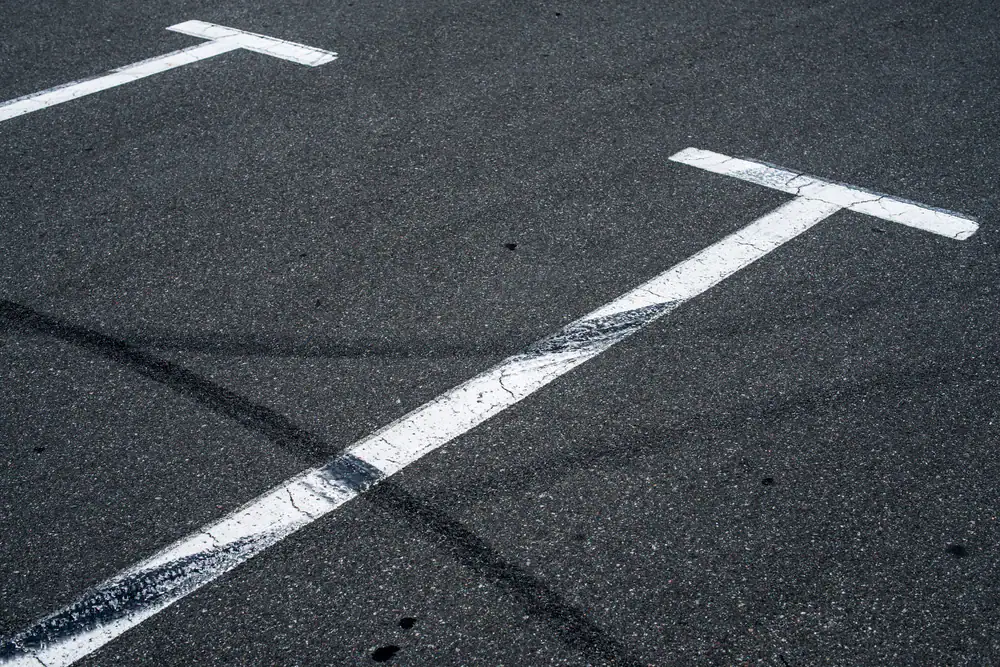
With proper installation and regular maintenance, you’re looking at 20 to 30 years. But that number depends heavily on two things: how well it was installed in the first place, and whether you stay on top of basic maintenance.
Proper installation means a well-compacted base, adequate asphalt thickness (at least 2 to 3 inches for residential driveways), and correct grading for drainage. If any of those steps get skipped or rushed, you’ll start seeing cracks and deterioration within 5 to 10 years instead. Gallatin’s weather makes this even more critical—summer heat can soften asphalt that’s too thin, and winter freeze-thaw cycles will destroy anything with poor drainage.
Maintenance is straightforward but essential. Sealcoating every 2 to 3 years protects the surface from UV damage and water infiltration. Filling cracks as soon as they appear prevents water from getting underneath and causing bigger problems. If you ignore maintenance, even a well-installed driveway will fail early. If you stay on top of it, 25 to 30 years is realistic.
Asphalt paving uses hot-mix asphalt that’s laid down and compacted into a smooth, dense surface. It’s what you see on most driveways and parking lots—durable, smooth to drive on, and relatively low maintenance. Tar and chip uses a layer of liquid asphalt covered with stone chips that get pressed into the surface. The result is a textured, rustic appearance that’s less expensive but also less smooth.
For most residential driveways in Gallatin neighborhoods, asphalt makes more sense. It’s smoother, easier to maintain, and handles daily traffic better. Tar and chip works well for longer driveways, rural properties, or situations where you want a more natural look and don’t mind the rougher texture. It’s also a solid option if budget is tight and you have a large area to cover.
The lifespan is similar if both are done correctly—15 to 20 years with maintenance. But tar and chip requires resealing more frequently and doesn’t hold up as well to heavy traffic or snow plowing. If you’re in a subdivision with regular vehicle use and you want a clean, modern look, stick with asphalt. If you’re on acreage and want something cost-effective with character, tar and chip could work.
For asphalt, expect somewhere between $4 and $13 per square foot installed, depending on thickness, site conditions, and complexity. A standard two-car driveway (around 600 square feet) typically runs $2,400 to $7,800. That’s a wide range because every property is different.
The lower end of that range assumes a straightforward job—flat terrain, easy access, minimal excavation, and standard 2-inch thickness. The higher end covers situations where you need more site prep, thicker asphalt for heavy vehicles, significant grading work, or difficult access. If your existing driveway needs complete removal and disposal, that adds cost. If the base needs extensive work to fix drainage or soil issues, that adds more.
Tennessee-specific factors matter too. Gallatin’s soil conditions, local material costs, and seasonal demand all influence pricing. Spring and summer are peak seasons, so scheduling during fall might save you 10 to 15 percent. The best approach is to get a detailed on-site estimate that accounts for your specific property. Any contractor giving you a firm price over the phone without seeing the site is either guessing or planning to hit you with change orders later.
It’s possible but not ideal. Asphalt needs to be installed at high temperatures (usually 250 to 350 degrees) and compacted while it’s still hot. When ambient temperatures drop below 50 degrees, the asphalt cools too quickly, making proper compaction difficult. You end up with a less dense surface that’s more prone to cracking and premature failure.
For major projects like new driveway installation, spring through early fall is the best window in Gallatin. Temperatures are warm enough for proper installation, and the asphalt has time to cure before winter weather hits. That said, smaller repairs and patching can be done in cooler weather using specialized cold-mix asphalt or warm-mix techniques that work at lower temperatures.
If you have an urgent repair that can’t wait until spring—like a pothole that’s getting worse or a safety hazard—we can handle it with the right materials and techniques. But for optimal results and long-term performance, plan new installations for warmer months. Most contractors in the Nashville area book up during peak season, so getting on the schedule early (late winter or early spring) gives you better timing and sometimes better pricing.
Start with experience and local presence. A contractor who’s been working in Sumner County for years understands local soil conditions, drainage patterns, and how Tennessee weather affects asphalt. They’re also not disappearing after the job is done. Ask how long they’ve been in business and whether they’re based locally or just passing through.
Get detailed, written estimates from at least two or three contractors. The estimate should break down site prep, materials, thickness, square footage, and timeline. If someone gives you a vague “ballpark figure” or pressures you to sign immediately, that’s a red flag. Legitimate contractors provide clear estimates and give you time to make an informed decision.
Ask about their process, specifically site preparation and base work. This is where corners get cut most often. A contractor who talks about grading, compaction, and drainage is paying attention to the details that determine whether your driveway lasts 5 years or 25. Someone who glosses over these steps or says “we’ll just pave over what’s there” is setting you up for problems. Check references if possible, especially for projects similar to yours. And make sure they’re properly licensed and insured—this protects you if something goes wrong during the project.
Yes, and every 2 to 3 years is the standard recommendation. Sealcoating isn’t optional maintenance—it’s what protects your investment from the elements that cause premature failure. In Gallatin’s climate, you’re dealing with intense UV exposure in summer, water infiltration year-round, and freeze-thaw cycles in winter. Sealcoating creates a protective barrier against all three.
You should wait about 6 months after initial installation before applying the first sealcoat. This gives the asphalt time to cure fully. After that, reapply every 2 to 3 years depending on traffic and exposure. A driveway that sees heavy use or sits in full sun all day might need it every 2 years. One with lighter use and good shade coverage can go 3 years.
The cost is relatively minor—typically $3 to $7 per square foot—compared to what you’ll spend on major repairs or early replacement if you skip it. Sealcoating also keeps the driveway looking clean and fresh, which matters if you’re planning to sell your home. You can DIY sealcoating if you’re comfortable with the work, but professional application ensures even coverage and proper curing. Skipping sealcoating might save you a few hundred dollars in the short term, but it’ll cost you thousands when the driveway fails 10 years early.
Other Services we provide in Gallatin