

Hear from Our Customers
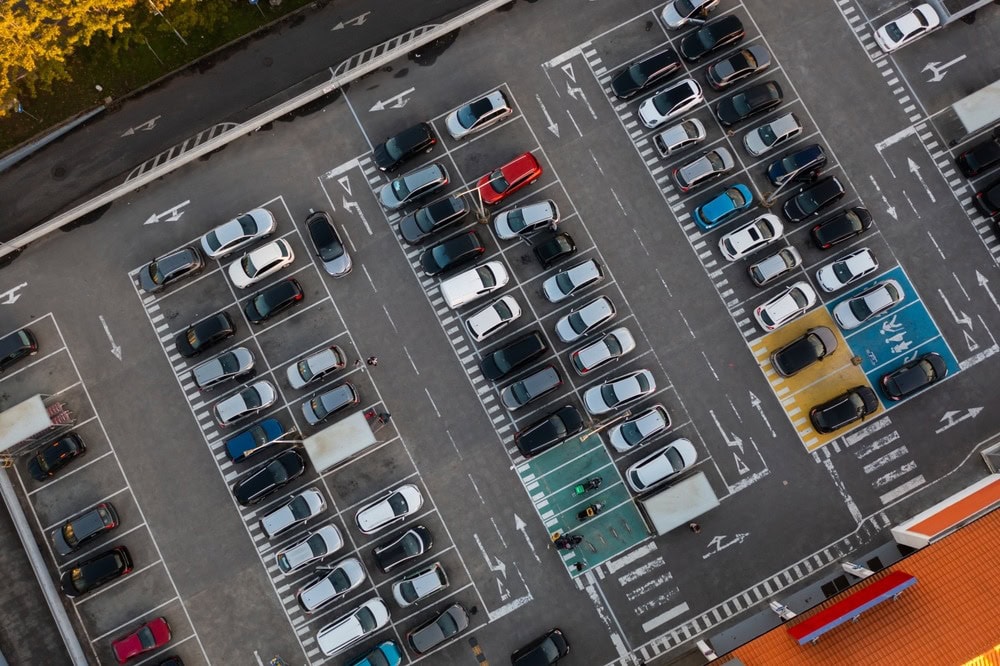
You get a parking lot that doesn’t become your problem six months later. One that drains properly when Gallatin gets hit with heavy rain. One that holds up under delivery trucks, customer traffic, and Tennessee’s freeze-thaw cycles without cracking apart.
Proper grading means water goes where it should—not pooling in low spots or creating ice patches that turn into liability nightmares. Quality asphalt installation means the surface stays smooth and safe for years, not just until the next season.
When your parking lot works the way it should, you stop worrying about it. Your customers aren’t dodging potholes. Your property looks professional. And you’re not writing checks for emergency repairs every time the weather changes.
TriStar Paving brings over 50 years of combined experience to parking lot construction throughout Gallatin and the greater Nashville area. We’re a veteran-owned company based right here in Wilson County, which means when we say we’ll show up and finish the job, that’s exactly what happens.
We’ve watched Gallatin grow. The commercial boom bringing companies like META and major distribution centers to the area means more businesses need parking lots that can handle serious traffic. We build for that reality—not for how things look on day one, but for how they’ll hold up year after year.
You’re not getting a crew that disappears halfway through or cuts corners you won’t notice until it’s too late. You’re working with people who’ve built a reputation here and plan to keep it.

First, we assess what you’re working with. If you’ve got an existing lot, we determine whether you need full reconstruction or if restoration makes sense. There’s no point in repaving over problems that’ll just come back.
Grading comes next, and this is where most parking lot failures start. If water doesn’t drain properly from day one, nothing else matters. We grade for Tennessee weather—the heavy spring rains, the summer storms, the occasional ice. Water needs to move off your pavement, not sit there breaking it down.
Then we install the asphalt. Commercial-grade material designed for the load your lot will actually carry. Not the minimum that’ll pass inspection, but the thickness and quality that’ll still be functional 20 years from now.
Final steps include compaction, striping, and making sure ADA requirements are met. You get a parking lot that’s ready for business—and ready to stay that way.
Ready to get started?
Site preparation and grading form the foundation. This isn’t just pushing dirt around—it’s engineering proper drainage and establishing the base that everything else depends on. In Gallatin’s growing commercial districts, where new developments are going up constantly, getting this right the first time saves you from expensive do-overs.
Asphalt installation covers the thickness and material grade appropriate for your specific use. A retail center with constant car traffic needs different specs than an industrial facility handling loaded semi-trucks daily. We match the solution to your actual needs.
You also get proper drainage integration. Middle Tennessee gets an average of 47 inches of rain per year, and when that water has nowhere to go, it destroys pavement fast. Catch basins, proper slope, and strategic drainage design keep water from becoming your enemy.
ADA compliance is built in, not added later. Accessible parking spaces, proper dimensions, compliant slopes, and required signage all get handled during construction. Gallatin’s commercial growth means more businesses need to meet these requirements correctly—not just close enough.

A properly installed asphalt parking lot should last 20 to 30 years with regular maintenance. That’s not a best-case scenario—that’s what you should expect when the job is done right from the start.
The lifespan depends heavily on three things: initial installation quality, proper drainage, and maintenance schedule. If the base is graded correctly and the asphalt is installed at the right thickness for your traffic load, you’ve got a solid foundation. If water drains properly instead of sitting on the surface, you avoid the freeze-thaw damage that tears pavement apart. And if you sealcoat every 3 to 5 years and address small cracks before they become big problems, you protect your investment.
Gallatin’s climate—with hot summers, occasional hard freezes, and plenty of rain—is tough on asphalt. But it’s not unpredictable. We know what this weather does to pavement, and we build accordingly.
Repair makes sense when you’ve got isolated damage—a few potholes, some cracking in one section, or surface wear that hasn’t compromised the base. You can patch those areas, seal the surface, and extend the life of the lot for several more years.
Full replacement becomes necessary when the base has failed, when you’ve got widespread alligator cracking, or when the entire surface has deteriorated past the point where patching would just be throwing money away. If water has been pooling for years and the foundation is compromised, no amount of surface repair will fix the underlying problem.
Here’s the honest answer: if you’re asking the question, you probably need someone to actually look at your lot. We can tell you whether repair will get you another 5 to 10 years or whether you’re just delaying the inevitable. Sometimes repair is the smart financial move. Sometimes it’s just postponing a bigger expense while the problem gets worse.
Most commercial parking lot paving projects take 3 to 7 days from start to finish, depending on size and complexity. But you’re not completely shut down that entire time.
We can often phase the work to keep part of your lot operational. If you’ve got a retail business that can’t afford to close, we’ll pave in sections so customers still have access. It takes longer overall, but it keeps your business running.
The asphalt itself needs 24 to 48 hours before it’s ready for regular traffic. You can walk on it sooner, but putting cars on fresh asphalt too early will damage it. If your business absolutely cannot have downtime, we schedule the work for weekends or slower periods.
Weather affects timing too. We can’t pave in rain, and temperature matters for proper asphalt curing. In Gallatin, spring and fall usually offer the most predictable conditions. Summer works, but extreme heat can be tricky. We give you realistic timelines based on actual conditions, not best-case scenarios that never happen.
If your business is open to the public, yes. ADA compliance isn’t optional, and the requirements are specific about how many accessible spaces you need, where they’re located, and how they’re designed.
The number of accessible spaces depends on your total parking count. Lots with 1 to 25 spaces need one accessible space. From there, the requirements scale up. You also need van-accessible spaces with specific dimensions and clearances. The spaces must be closest to your entrance, with a properly sloped accessible route to your building.
Getting this wrong isn’t just about potential fines—though those exist. It’s about whether all of your potential customers can actually access your business. In Gallatin’s growing commercial market, properties that aren’t compliant face real problems when it’s time to lease space or sell.
We build ADA compliance into every commercial parking lot from the start. It’s not an add-on or an afterthought. The measurements, slopes, signage, and accessible routes all get designed correctly during the planning phase, not discovered as problems during an inspection.
Water is the number one enemy of asphalt pavement. When water sits on your parking lot or seeps into the base, it causes damage that compounds fast.
In Tennessee, freeze-thaw cycles happen through winter. Water that’s soaked into cracks or the base freezes, expands, and breaks the pavement apart. One small crack becomes a spiderweb of damage in a single season. Standing water also softens the base material under your asphalt, creating weak spots that collapse under traffic.
Proper grading moves water off the surface and away from the pavement entirely. That means establishing the right slope during installation—not too steep for safe driving, but enough to prevent pooling. It means integrating catch basins in low areas. And it means paying attention to where water goes after it leaves your lot, so you’re not just pushing the problem to your neighbor’s property.
Gallatin’s commercial growth means many parking lots are part of larger developments with complex drainage requirements. Getting this coordinated correctly during construction prevents expensive problems later. Water damage doesn’t fix itself—it only gets worse and more costly.
Commercial parking lot paving typically runs $3 to $7 per square foot for full installation, but that range depends heavily on site conditions, material specifications, and project complexity. A simple, flat lot with good drainage is on the lower end. A lot requiring extensive grading, poor soil remediation, or complex drainage integration costs more.
Size matters too. Larger projects have better economy of scale—the per-square-foot cost drops when paving 20,000 square feet versus 2,000. But small lots often have access challenges or require the same equipment mobilization as larger jobs, which affects pricing.
What you’re really paying for is longevity. Cheap paving fails fast. You’ll spend less upfront, then write checks for repairs every year until you finally repave it correctly. Quality installation costs more initially but spreads that cost over 20 to 30 years instead of needing replacement in 10.
We give you an actual quote based on your specific property—not a ballpark estimate that changes once work begins. You’ll know what the job costs, what’s included, and what timeline to expect before any equipment shows up.
Other Services we provide in Gallatin