

Hear from Our Customers
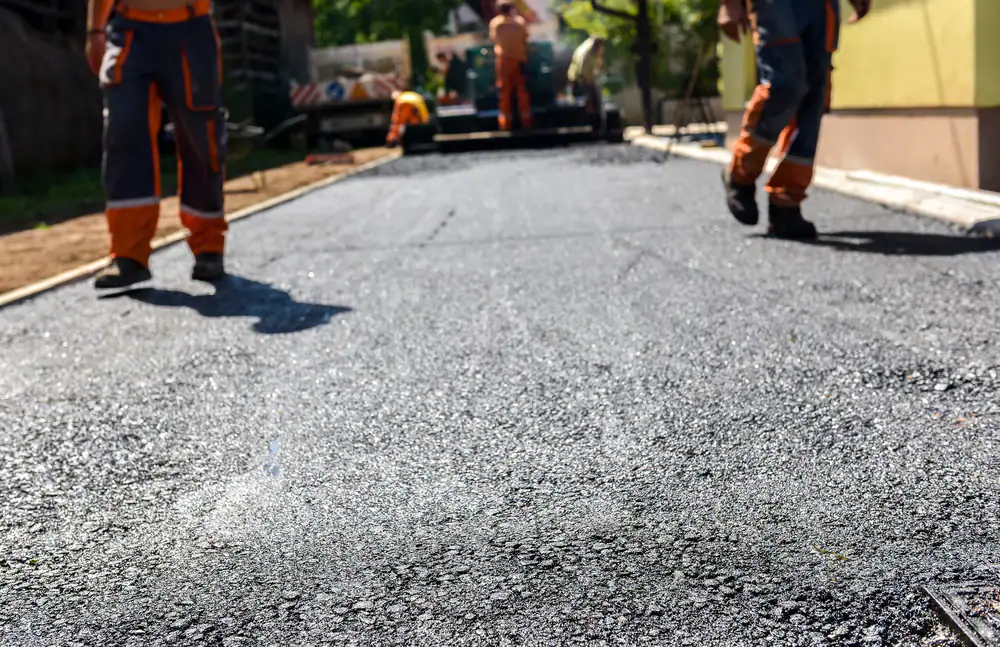
You get a smooth surface that drains properly. No more water pooling in the same spot every time it rains. No more wondering if that crack is going to turn into a pothole by next month.
When your driveway or parking lot is paved correctly, you stop thinking about it. Your customers aren’t dodging holes. Your employees aren’t complaining about uneven pavement. And you’re not scrambling to patch things up every season.
Good paving means fewer headaches down the road. It means your property looks professional, functions the way it should, and holds its value. That’s what happens when the base is solid, the grading is right, and the asphalt is laid by people who’ve done this for decades.
TriStar Paving LLC is a veteran-owned asphalt paving company based in Wilson County, serving Dickson and the surrounding Nashville area. We bring over 50 years of experience to both residential and commercial projects.
We understand what Tennessee weather does to asphalt. We know how temperature swings from 30-degree winters to 89-degree summers affect pavement. That’s why we focus on proper base preparation, correct grading for drainage, and materials that hold up to the climate here.
Whether it’s a homeowner tired of a crumbling driveway or a business owner who needs a parking lot that can handle heavy traffic, we handle projects of all sizes across Dickson. Licensed, insured, and committed to doing the work right the first time.
It starts with an assessment. Someone comes out, looks at your property, talks through what you need, and gives you a clear estimate. No surprises later.
Next comes site prep. This is where a lot of companies cut corners, but it’s the most important part. The existing surface gets evaluated. If there’s damage to the base, it gets fixed. The area is graded so water runs off instead of sitting there breaking down your pavement. This step determines whether your asphalt lasts five years or twenty-five.
Then comes the paving itself. Hot asphalt is laid at the right thickness for your specific use—whether that’s residential driveways or commercial parking lots with heavy truck traffic. It’s compacted properly to create a smooth, dense surface. For some projects, tar and chip is a better fit, especially for rural driveways where you want durability without the higher cost of traditional asphalt.
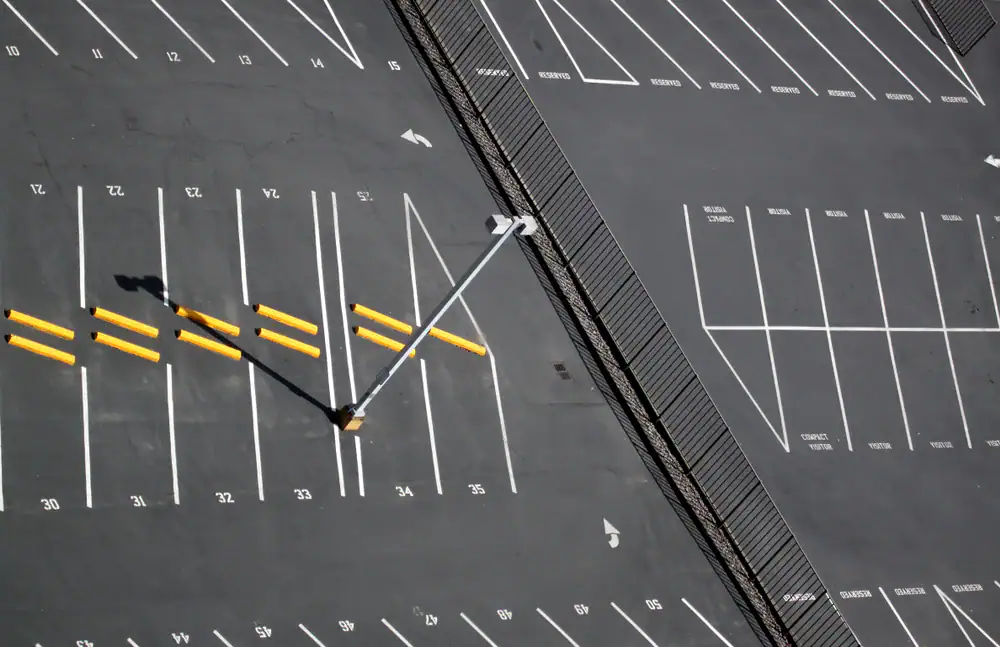
After the asphalt cures—usually 24 to 48 hours—you’re good to go. For commercial jobs, striping and marking get added once everything’s set. The whole process is designed to minimize disruption and get you back to normal as quickly as possible.

Ready to get started?
Residential paving in Dickson typically covers driveways, private roads, and turnarounds. You’re looking at proper excavation if needed, a solid base layer, quality asphalt application, and clean edges. The goal is a driveway that improves your home’s curb appeal while standing up to daily use and Tennessee’s weather extremes.
Commercial paving is a different animal. Parking lots need to handle heavier loads, more traffic, and stricter drainage requirements. Projects include full site evaluation, grading for proper water runoff, asphalt installation designed for commercial traffic, and line striping that meets ADA requirements. For businesses in Dickson, a well-maintained parking lot isn’t just about looks—it’s about safety, liability protection, and making sure customers can actually use your property.
Tar and chip paving offers a cost-effective alternative for certain applications. It’s ideal for rural driveways and private lanes around Dickson where you want a textured, durable surface without the full cost of traditional asphalt. The process uses hot liquid asphalt topped with stone chips, creating a surface that provides good traction and holds up well over time.
Maintenance matters too. Sealcoating every two to three years protects your investment from UV damage, water infiltration, and everyday wear. Crack filling prevents small issues from becoming expensive problems. With proper care, asphalt in Dickson can last 20 to 30 years—but only if the initial installation is done right and you stay on top of basic maintenance.
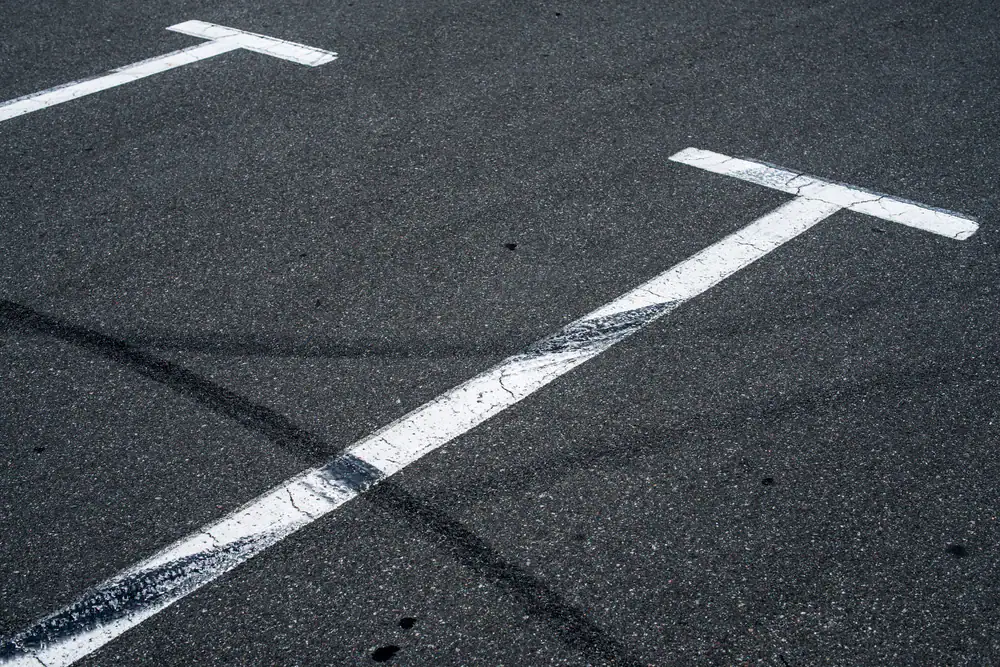
With proper installation and regular maintenance, asphalt paving in Dickson typically lasts 20 to 30 years. The key factors are the quality of the base preparation, the thickness of the asphalt layer, and how well you maintain it over time.
Tennessee’s climate is tough on pavement. You’ve got hot, muggy summers where temperatures hit 89°F, then winters that drop to 30°F or below. That constant expansion and contraction puts stress on asphalt. Add in the rain and occasional ice, and you can see why proper installation matters so much.
Sealcoating every two to three years makes a significant difference. It protects against UV damage, prevents water from seeping into small cracks, and keeps the oils in the asphalt from drying out. If you skip maintenance, even well-installed asphalt will deteriorate faster. But if you stay on top of it, you’re looking at decades of reliable use before you need to think about replacement.
Asphalt paving uses hot asphalt mix that’s laid down and compacted to create a smooth, dense surface. It’s what you see on most driveways and parking lots. Tar and chip—also called chip seal—uses a layer of hot liquid asphalt topped with stone chips that get rolled into the surface.
The main differences come down to cost, appearance, and application. Tar and chip is more affordable, usually running about half the cost of traditional asphalt. It creates a textured, rustic look instead of a smooth black surface. And it works especially well for rural driveways and private roads where you want durability and traction without the higher price tag.
Both options hold up well in Dickson’s climate, but they serve different purposes. If you need a smooth surface for a commercial parking lot or a residential driveway where appearance is a priority, asphalt is the better choice. If you’ve got a longer rural driveway or private lane and you’re working with a tighter budget, tar and chip delivers solid performance at a lower cost. The decision usually comes down to your specific property needs and what you’re trying to accomplish.
You can typically drive on new asphalt after 24 to 48 hours, but the exact timing depends on the weather and the thickness of the asphalt layer. In hot weather, you’ll want to wait closer to 48 hours to avoid scuffing or tire marks.
Light foot traffic is usually fine after just a few hours once the asphalt has cooled. But vehicles are heavier and create more pressure, especially when turning or parking. If you drive on it too soon, you risk leaving impressions or damaging the surface before it’s fully cured.
The curing process actually continues for several months after installation, but the asphalt reaches sufficient hardness for normal use within that first day or two. During the first week, it’s smart to avoid parking in the same spot repeatedly and be gentle with sharp turns. After that initial curing period, your new asphalt is ready for regular use. We’ll give you specific guidance based on the weather conditions during your project and the type of asphalt used.
Water pooling happens when your pavement doesn’t have proper drainage—either because the grading is wrong, the base has settled unevenly, or the surface has developed low spots over time. It’s one of the most common problems with asphalt, and it’s also one of the most damaging if you don’t address it.
When water sits on asphalt instead of draining off, it seeps into small cracks and breaks down the binder that holds everything together. In winter, that water freezes and expands, making cracks bigger. Over time, you end up with potholes, crumbling edges, and expensive repairs. Standing water also creates safety hazards—ice patches in winter and slip risks year-round.
Fixing drainage issues usually means addressing the base and grading during a paving or resurfacing project. The surface needs to be sloped correctly so water runs off toward drainage areas instead of collecting in spots. Sometimes it requires adding or improving drainage systems. If you’re seeing persistent pooling, it’s worth having someone evaluate the grading before the problem gets worse. Proper drainage isn’t just about avoiding puddles—it’s about protecting your entire paving investment from premature failure.
Asphalt paving in Dickson typically runs between $2 and $7 per square foot, depending on the scope of work, site conditions, and whether you’re doing residential or commercial paving. A standard residential driveway might cost anywhere from $2,000 to $10,000, while commercial parking lots can range from $10,000 to $150,000 or more based on size and complexity.
Several factors affect the final price. Site preparation is a big one—if your property needs significant grading, drainage work, or base repair, that adds cost. The thickness of the asphalt matters too. Residential driveways can use a thinner layer, but commercial lots that handle heavy traffic need thicker asphalt to hold up over time. Accessibility, existing surface condition, and any additional features like striping or sealcoating also play into the total.
Tar and chip paving costs less, usually $1 to $3 per square foot, making it a good option for longer rural driveways where you want durability without the higher cost of traditional asphalt. The best way to get an accurate number for your specific project is to have someone come out, assess your property, and give you a detailed estimate. That way you know exactly what you’re paying for and what’s included in the work.
Late spring through early fall is typically the best window for asphalt paving in Dickson. You want temperatures consistently above 50°F for proper asphalt curing, and you need dry conditions for the work to be done correctly. That usually means April through October gives you the most reliable weather.
Summer is the busiest season for paving because the hot weather is ideal for asphalt installation—the material stays workable longer and compacts better in warm temperatures. But high demand during summer can mean longer wait times and sometimes higher prices. Spring and fall offer good compromises. The weather is still warm enough for quality work, we often have more availability, and you might get better scheduling flexibility.
Winter paving is possible in Tennessee, but it’s not ideal. Cold temperatures make asphalt harder to work with, and it doesn’t compact as well. If you have an urgent repair that can’t wait, experienced contractors can work around weather constraints, but for planned projects, you’re better off waiting for warmer months. The key is booking early—especially if you want work done during the prime spring or fall windows when weather is cooperative and we aren’t as slammed as we are in peak summer.
Other Services we provide in Dickson