

Hear from Our Customers
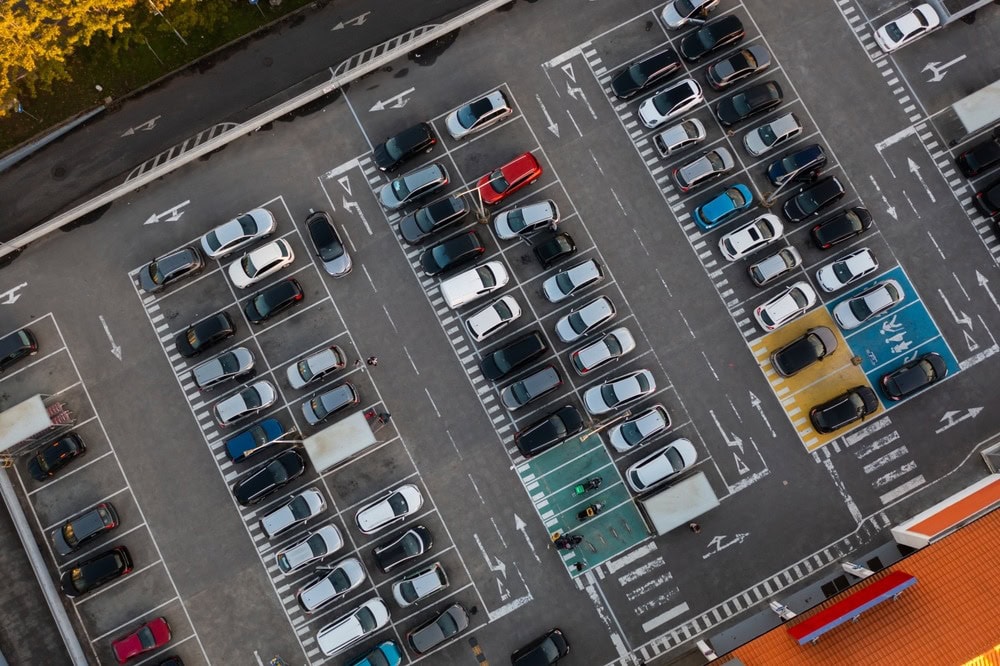
You need a parking lot that works. Not one that cracks after two winters or pools water every time it rains.
When your asphalt is installed right the first time, you stop worrying about liability issues from potholes. You stop getting complaints from customers about rough surfaces. You stop writing checks for constant patch jobs that never seem to hold.
Instead, you get a smooth, professional surface that handles whatever Tennessee weather throws at it. Your customers notice the difference. Your maintenance costs drop. Your parking lot becomes something you’re actually proud of instead of something you apologize for.
We’re veteran-owned and Wilson County based. Our team has over 50 years of combined experience handling everything from small parking lot repairs to complete commercial paving projects across the Nashville area.
You’re not getting the new guy learning on your dime. You’re getting contractors who’ve seen every type of drainage problem, every soil condition, and every weather challenge that Middle Tennessee can dish out.
We specialize in both residential and commercial projects, which means we understand what works for different types of traffic and usage patterns. When you’re investing in asphalt, experience matters more than low bids.

Our process starts with proper site evaluation and grading. This isn’t glamorous work, but it’s where most parking lot problems start or get prevented. Poor drainage kills asphalt faster than heavy trucks.
Next comes base preparation and compaction. The right base materials, properly compacted, create the foundation that keeps your asphalt from settling or cracking. This step separates contractors who know what they’re doing from those who just spread hot mix and hope for the best.
Finally, the asphalt installation uses commercial-grade materials applied at the right temperature and thickness for your specific traffic needs. Proper compaction and finishing ensure a smooth, durable surface that handles Tennessee’s freeze-thaw cycles without premature failure.
Ready to get started?
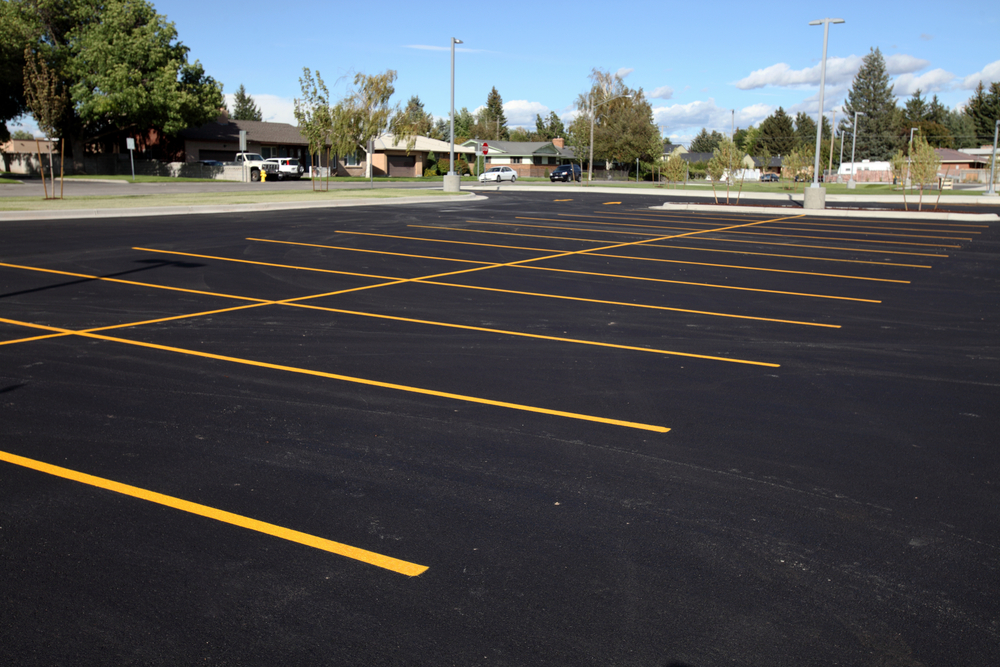
We handle complete parking lot construction from initial grading through final striping. This includes proper drainage solutions, base preparation, asphalt installation, and restoration services for existing surfaces.
Dickson’s commercial district sees steady growth, which means more businesses need reliable parking surfaces that can handle increased traffic. Our local presence means we understand Middle Tennessee soil conditions and drainage requirements that affect long-term pavement performance.
Our services include new parking lot construction, asphalt overlay and restoration, crack sealing and repair, proper grading for drainage, and complete reconstruction when surfaces are beyond repair. Each project gets the right solution based on current conditions and expected usage, not a one-size-fits-all approach.

Most parking lot paving projects take 2-5 days depending on size and complexity. The timeline includes site preparation, base work, asphalt installation, and final cleanup.
Weather affects scheduling since asphalt can’t be installed in rain or when temperatures drop below 50 degrees. We schedule projects during favorable weather windows to ensure proper installation and curing.
You can typically use the parking lot 24-48 hours after installation for light traffic, though heavy vehicles should wait 3-5 days. This timing allows the asphalt to cure properly without damage from premature loading.
Asphalt overlay adds a new layer over existing pavement when the base is still solid but the surface is worn. This works when you have minor cracking and surface wear but no major structural problems.
Complete reconstruction removes the old asphalt and rebuilds from the base up. This is necessary when you have extensive cracking, drainage issues, or base failure that causes settling and heaving.
The right choice depends on your current pavement condition and budget. Overlay costs less upfront but won’t fix underlying drainage or base problems. Reconstruction costs more initially but gives you a completely new parking lot that should last 20-25 years with proper maintenance.
Proper drainage starts with correct grading during initial construction. The parking lot surface should slope at least 1% toward drainage points to prevent water from pooling and penetrating the asphalt.
Existing lots with drainage problems often need regrading or installation of catch basins and underground drainage systems. Standing water is asphalt’s biggest enemy since it penetrates cracks and causes freeze-thaw damage during winter months.
Tennessee’s rainfall patterns make drainage especially important. Poor drainage can cut your parking lot’s lifespan in half by accelerating crack formation and base deterioration. Fixing drainage issues during reconstruction prevents recurring problems and expensive repairs.
Commercial parking lots typically need 3-4 inches of asphalt over a properly prepared base. Areas with heavy truck traffic may require 4-6 inches depending on the expected load and frequency.
The base preparation is equally important and usually requires 6-8 inches of compacted aggregate base material. This provides the structural support that prevents settling and premature cracking under heavy loads.
Residential parking areas can often use 2-3 inches of asphalt since they don’t see the same traffic loads. However, delivery trucks and service vehicles should be considered when determining the right thickness for your specific situation.
Parking lot paving typically costs $3-7 per square foot depending on thickness requirements, site conditions, and project size. Larger projects generally have lower per-square-foot costs due to equipment efficiency.
Additional costs include site preparation, base work, drainage improvements, and striping. Projects requiring extensive excavation or drainage work will cost more than simple overlay projects on well-prepared surfaces.
The most accurate pricing comes from on-site evaluation since every parking lot has different conditions and requirements. Factors like accessibility, existing pavement condition, and drainage needs all affect the final cost.
Spring through fall provides the best conditions for asphalt paving in Tennessee. Asphalt needs air temperatures above 50 degrees and dry conditions for proper installation and curing.
Summer heat can actually make asphalt installation more challenging since the material becomes difficult to work with in extreme temperatures. Late spring and early fall often provide ideal conditions with moderate temperatures and lower rainfall.
Winter paving is possible during warm spells but not recommended for large projects. Emergency repairs can be done year-round using cold-mix asphalt, but permanent repairs should wait for proper weather conditions to ensure long-lasting results.
Other Services we provide in Dickson